







Introduction:Choosing the right pour over coffee beans for yourself is the first step in enjoying specialty coffee. Coffee beans from different regions exhibit diverse flavor profiles due to variations in climate, altitude, and processing methods. This article will analyze the flavor profiles of light, medium, and dark roasts, introduce specialty bean varieties from well-known origins such as Ethiopia, Sumatra, and Kenya, and provide practical selection tips to help coffee beginners find their ideal daily brew.
When it comes to selecting specialty coffee beans, every coffee enthusiast has unique preferences. Some are drawn to the bright acidity and rich body of Kenyan beans, while others prefer the balanced harmony of Colombian beans. Some are captivated by the floral notes and lemony acidity of Yirgacheffe, or enchanted by the herbal richness and layered spice of Mandheling.
Among the many origins,Ethiopiais undoubtedly one of the benchmarks of specialty coffee. The country’s coffee beans are known for their delicate fruity and floral notes and clean taste profile, often showcasing bright flavors such as berries, citrus, mango, and guava, with an elegant black tea aroma in the aftertaste. Representative beans such as Guji Dingding, Red Cherry, Huakui, and Guji Geisha Village Red Label, when properly brewed using pour over methods, offer distinct layers and a long-lasting finish—perfect for coffee enthusiasts who pursue vibrant flavor expression. (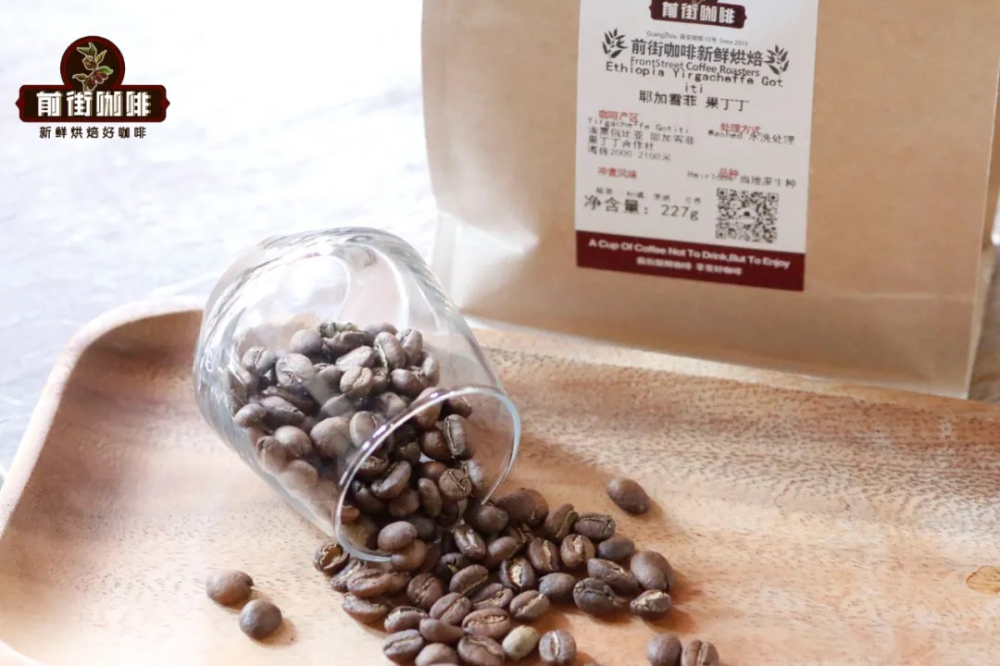 )
If you prefer a bold and rich taste,Sumatra Mandhelingis the undisputed choice. This classic bean variety from Indonesia is renowned for its low acidity and full-bodied texture, releasing complex aromas of caramel, herbs, spices, and toasted bread after roasting. Its characteristics make it suitable for various brewing methods, including moka pot, pour over, French press, and even cold brew, all of which can highlight its steady flavor structure. (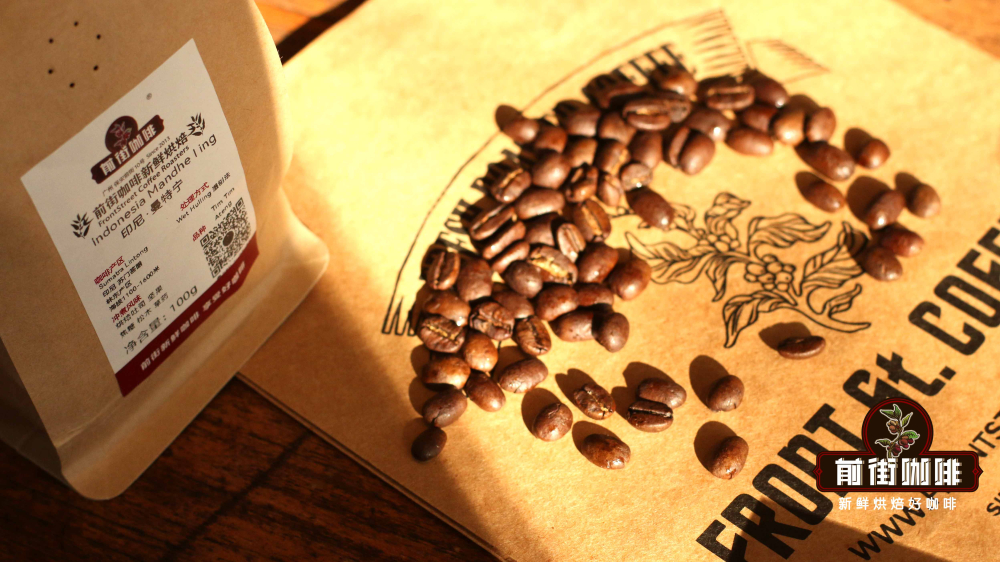 )
When talking about coffee with a pronounced 'juicy' character,Kenyan beansare definitely among the top. These beans are grown at high altitudes and enhanced through a special washed processing method that emphasizes acidity and fruitiness. Unlike the conventional 36-hour fermentation process, Kenya employs an extended 72-hour fermentation, along with strict selection of ripe fruits and thorough washing to remove mucilage, resulting in final flavors that showcase bright lemon acidity, tomato-like acidity, and a rich juiciness, with a lively mouthfeel and a refreshing aftertaste. (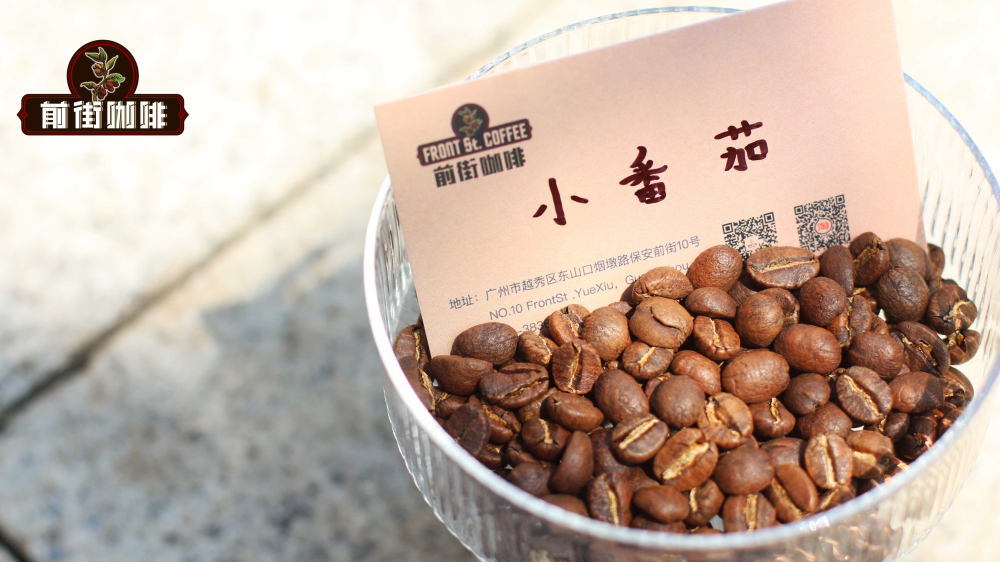 )
When selecting pour over coffee beans, beginners are advised to first understand the basic differences between light, medium, and dark roasts: light roast retains more of the original flavors and acidity, highlighting origin characteristics; medium roast balances acidity and bitterness, suitable for most everyday drinking; dark roast enhances caramel and chocolate notes, with more noticeable bitterness. It is recommended to gradually try different roast levels and regional combinations based on personal taste preferences.
In addition, the processing method also significantly affects the final expression of the coffee. Washed processing usually delivers clear acidity and a clean taste; natural (sun-dried) processing enhances sweetness and fruitiness; honey processing falls between the two, offering a unique honey-like sweetness. Understanding these basics can help make more accurate decisions when purchasing.
In summary, whether it's the vibrant fruity notes of Ethiopia, the bold richness of Sumatra, or the lively juiciness of Kenya, each specialty coffee bean has its own unique charm. Beginners are encouraged to start with their own taste preferences, pair them with suitable brewing parameters, and gradually explore their ideal daily brew.
The above content is compiled by CoffeeHunters, a coffee news website.

