








Introduction:For beginners new to pour over coffee, selecting a single-origin bean with distinct flavors and easy extraction is crucial. This article features 8 premium Arabica beans from different regions, using diverse processing methods. They cover classic flavor profiles such as floral, fruity acidity, and nuttiness, along with key parameters like altitude, variety, and processing techniques, paired with a complete tasting guide from dry aroma to aftertaste to help you quickly build a systematic understanding of single-origin coffee flavors.
In recent years, the rise of the third wave of specialty coffee has made "single-origin coffee" a daily choice for coffee enthusiasts. Single-origin coffee refers to beans sourced from a single region and specific variety. Roasters adjust the roast level based on the microclimate and variety characteristics of the origin, fully preserving the unique "terroir" bestowed by the region’s soil, altitude, and processing methods.

When tasting pour over single-origin coffee, it's recommended to follow a "five-sense progression" process: first, smell the dry aroma after grinding (note whether it carries fresh floral, fruity, or grainy notes); during brewing, capture the layered changes in wet aroma (such as fermentation notes or caramel sweetness); upon tasting, discern the brightness of acidity and balance of sweetness (avoiding excessive bitterness or thinness); use your tongue to feel the body and texture (delicate powdery feel or rich oils); finally, close your mouth and savor the aftertaste through your nose (premium beans often have a long-lasting floral, fruity, or woody note).
The three core elements that influence single-origin coffee flavors are: regional microclimate (e.g., high-altitude areas with large day-night temperature differences allow coffee cherries to accumulate more sugars), variety genetics (common premium Arabicas include Typica, Bourbon, Geisha, etc.), and processing methods (washed, natural, honey, etc., which directly affect mucilage retention and fermentation levels). The following 8 recommended coffee beans have been market-tested and are suitable for beginners to explore different flavor directions.

First recommendation:Ethiopia Yirgacheffe Guji Dingding Cooperative(altitude 1900-2300m), using local heirloom varieties and washed processing. The dry aroma has pronounced white floral and lemon freshness. After brewing, it reveals honey sweetness and berry acidity, with an aftertaste as refreshing as green tea—this bean is the perfect beginner-friendly entry to experience the classic bright citrus tones and crisp mouthfeel of African beans.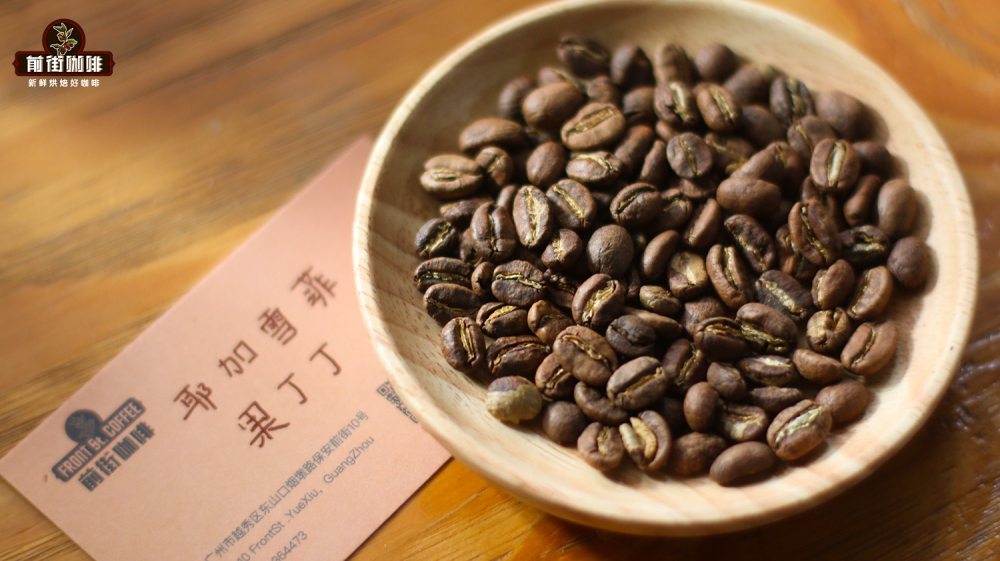
Those who prefer a rich, nutty profile can try:Indonesia Sumatra PWN Golden Mandheling(altitude 1100-1600m), a blend of Typica and Catimor using the wet-hulled method. Its standout feature is a pronounced roasted toast base, accompanied by caramel sweetness and herbal notes. The mouthfeel is solid with a pine-like woody finish, ideal for those who enjoy low acidity and heavy body.
Brazil Queen Estate Yellow Bourbon(altitude 1400-1950m) is a balanced representative. Semi-washed/natural processing highlights nutty and creamy aromas. The cup offers a smooth, peanut butter-like texture, paired with sweet fermented fruit and a sugarcane-like finish. It’s suitable for milk pairing or drinking black and also a stable choice for practicing medium-light roast extractions.
If you want to explore the charm of special processing methods,Costa Rica Mozart Anaerobic Honey(altitude 1800m) is a must-try—Catucaí and Catuai blends enhanced through anaerobic fermentation bring out layers of berry and raisin acidity with pronounced winey fermentation notes. The mouthfeel is full-bodied with juicy tension, perfect for advanced beginners seeking novel flavors.
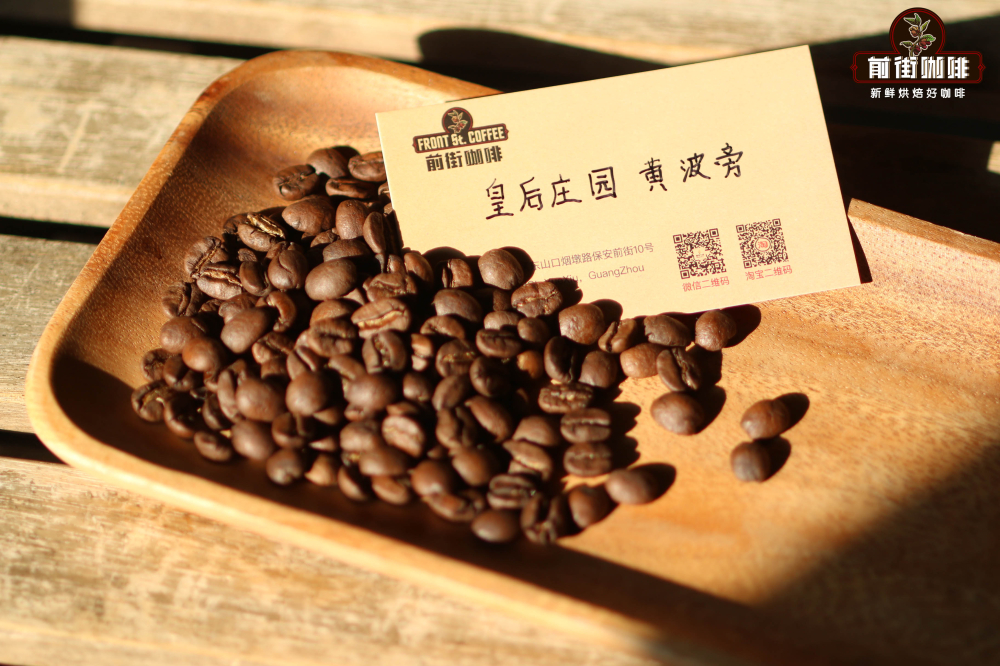
Kenya Little Tomato SL28/SL34(altitude 1550-1750m) is renowned for its high acidity. A 72-hour washed process highlights the deep fruit acidity of black plum and Asian pear, paired with brown sugar sweetness and a crisp texture like cherry tomatoes. The aftertaste has a slightly astringent finish of black plum, making it a classic bean for practicing water temperature and grind control.
Colombia Gesha Double Anaerobic Natural(altitude 1700m) features the Gesha variety’s unique citrus notes. The double anaerobic process amplifies the juice-like sensation of passion fruit and grape, with honey sweetness running throughout. The soft fleshiness of apricot rounds out the overall mouthfeel, ideal for those who enjoy tropical fruit flavors.
Ethiopia Yirgacheffe Red Cherry Konga Cooperative(altitude 1900-2300m) uses natural processing. The heirloom beans are fully fermented during drying, weaving together tropical fruit (mango, pineapple) and creamy honey sweetness with bright berry acidity and a citrusy freshness in the finish. It’s a representative choice for experiencing the balance of rich fruit flavors and full body.
Finally, we recommend:Panama Boquete Gesha Washed(altitude 1800m)—the fame of the Gesha variety comes from its unique jasmine floral and honeydew melon sweetness. Washed processing preserves clarity, with vibrant citrus acidity and a long-lasting Tieguanyin tea-like aftertaste. It’s suitable for seasoned beginners pursuing refined floral-fruity notes and tea-like nuances.




The above content is compiled by CoffeeHunters, a coffee news website.

