







Introduction:To brew a well-balanced espresso with a rich crema, in addition to the performance of your machine and grinder, selecting the right coffee beans and mastering the correct extraction parameters are key. This article delves into how to choose the appropriate beans based on the characteristics of different blends, and provides practical extraction parameters, step-by-step details, and common pitfalls to help you consistently pull high-quality espresso shots—whether at home or in a café.
Since each espresso machine and grinder performs slightly differently, and the condition of the coffee beans themselves also affects the final outcome, even with the same parameter settings, you can’t guarantee that every shot will turn out perfectly ideal.
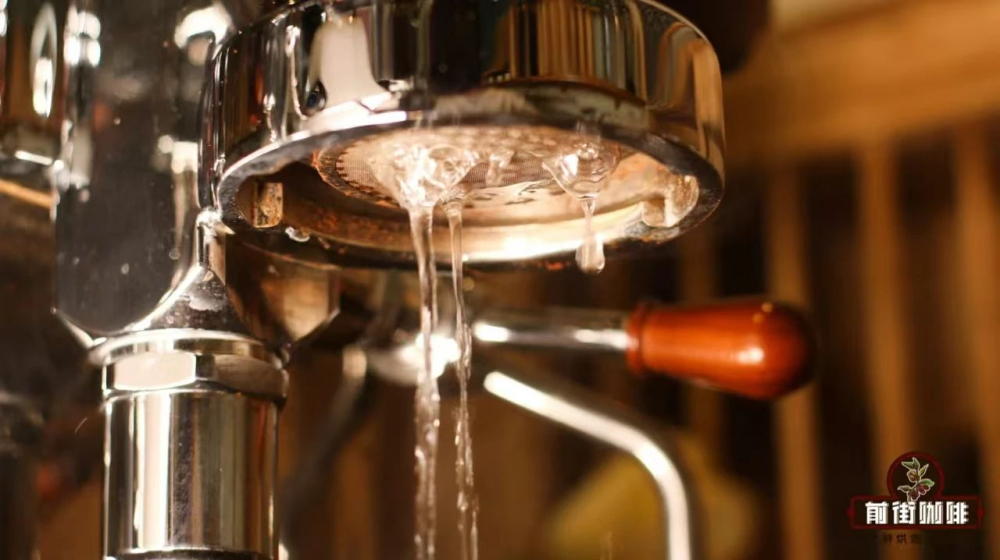
Espresso is made by quickly extracting extremely finely ground coffee under 94°C hot water and 9–10 bar of pressure. As the coffee slowly drips from the portafilter, its texture is smooth like honey, with a color ranging between reddish-brown and light golden-yellow. Once finished, a fine layer of golden crema covers the surface—this is formed by the emulsification of carbon dioxide and oils in a vacuum environment, and is also an important indicator of successful extraction.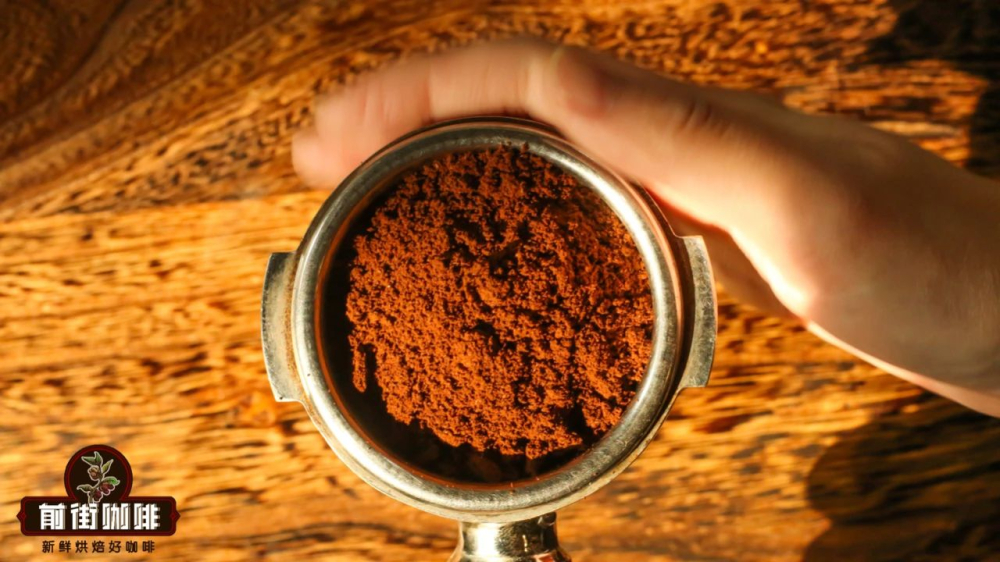
The foundation of an espresso’s flavor lies in the coffee beans you choose. If you want to consistently pull flavorful, crema-rich espresso, it is recommended to select beans from reputable roasting brands. Not only does this ensure freshness, but it also minimizes flavor deviations caused by improper storage or roasting.
Among the many blend options,beans from Brazil, Mandheling, Colombia, and Ethiopia, with their unique flavor profiles and processing methods, can offer a diverse range of expressions—from bold and full-bodied to bright and fruity—after being expertly blended, meeting the needs of both beginners and professional baristas.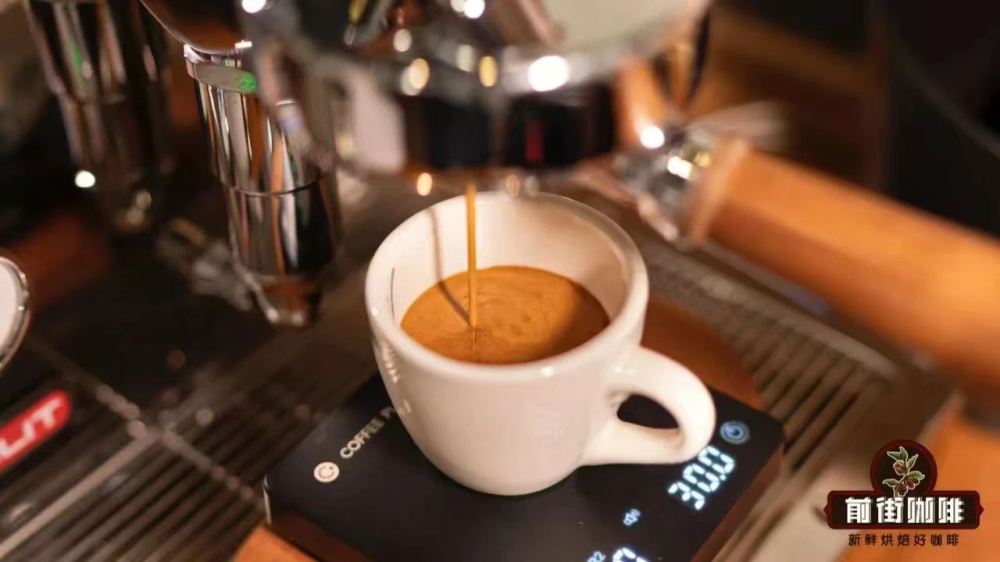
Here are five common and representative espresso blends, each showcasing distinct extraction characteristics and flavor directions:
First up isthe Classic Italian Blend,which uses Brazil and Mandheling as its base, with Robusta beans added to enhance crema and body. It’s suitable for home use and latte art, offering flavors of dark chocolate, butter, caramel, and hazelnut cookie, with a rich mouthfeel and a pronounced aftertaste.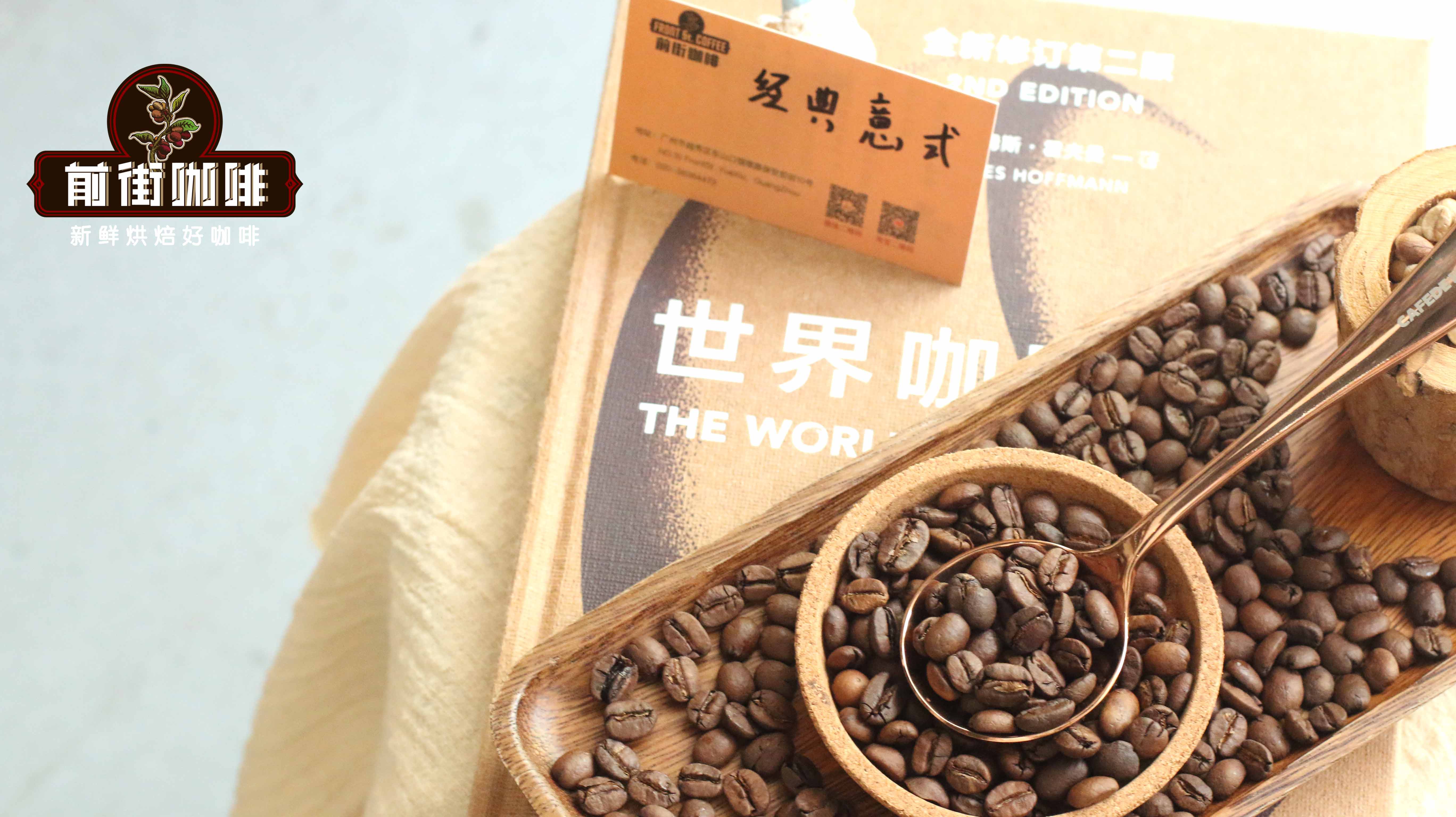
Next is theStrawberry Candy Italian Blend,blending beans from Costa Rica, Colombia, and Ethiopia, delivering pronounced fruity notes and the aroma of strawberry candy. On the palate, it’s soft with flavors of berries, cream, and raisins, finishing clean and refreshing. It’s great for Americanos and lattes, with an overall fresh and non-cloying flavor.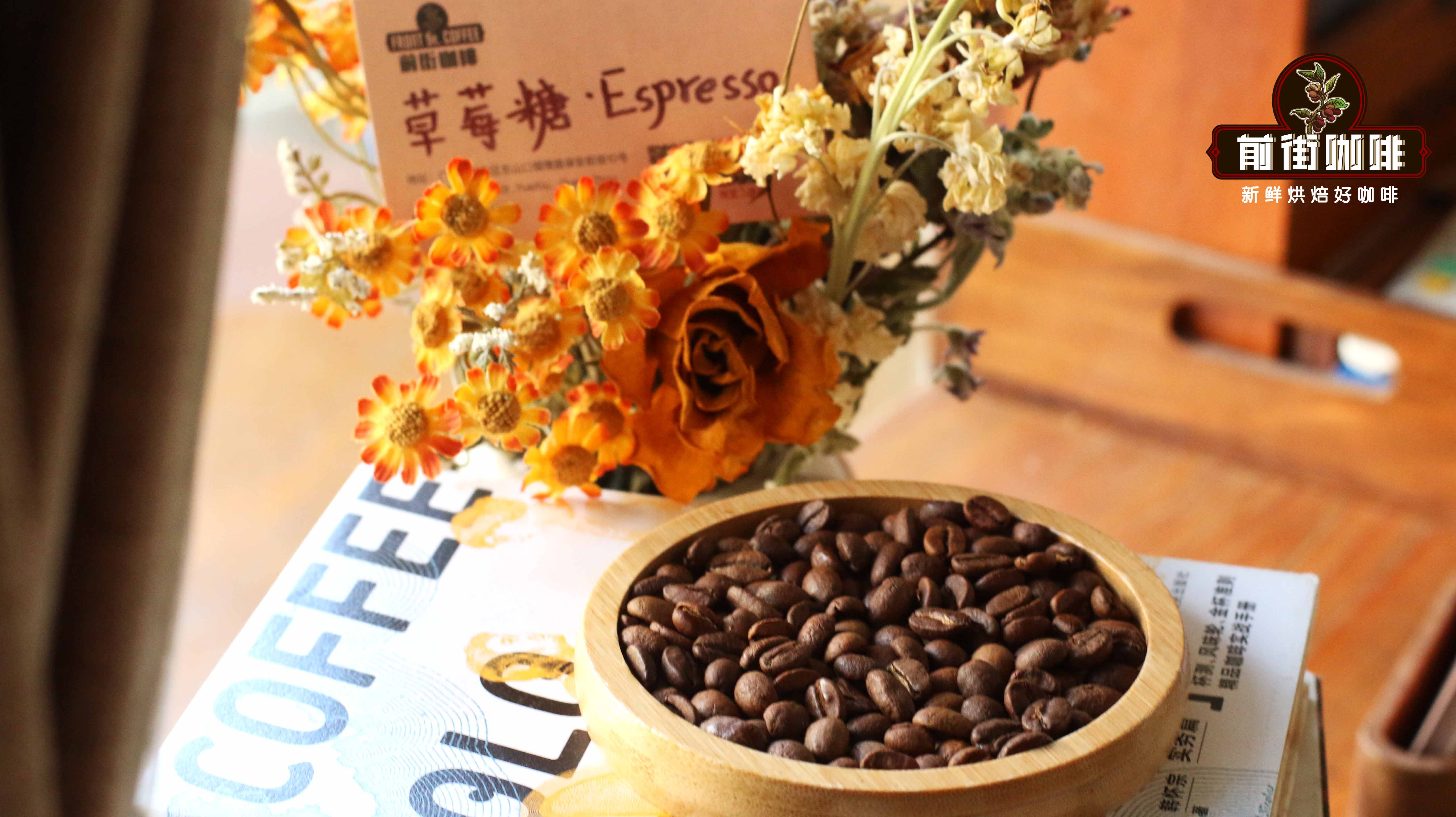
As for thePremium Italian Blend,it consists of Colombian and Brazilian beans, roasted to a medium depth. It has a smooth profile with mild acidity, featuring grassy and nutty notes, with moderate crema. The overall flavor is balanced and mild, making it very suitable for daily café use.
The Commercial Italian Blendcombines Colombian, Brazilian, and Robusta beans. It boasts rich crema and a strong body, with a classic flavor profile featuring a balance of caramel, nuts, and dark chocolate. It’s suitable for daily high-volume use or for home users seeking an intense flavor.
And theBasic Italian Blendmainly uses Yunnan and Brazilian beans. Its flavor is gentle, with subtle fruit acidity, caramel, and nutty-dark chocolate notes. The mouthfeel is smooth, though the overall flavor is lighter. It’s a highly cost-effective option, suitable for those on a budget or with lower flavor demands.
During actual espresso extraction, five key parameters directly influence the final flavor: dose, yield ratio, extraction time, grind size, and water temperature & pressure. Most machines have preset values for water temperature and pressure, so beginners are advised to stick with the factory settings. Focus instead on adjusting thedose, ratio, time, and grind size.。
Generally speaking, for a single shot, it’s recommended to use 10–11g of coffee, and around 19–20g for a double. The yield ratio is best started at 1:2—for example, extracting 40g of espresso from 20g of coffee. Extraction time should be controlled between 20–30 seconds; too short may result in a watery taste, while too long can bring out burnt or bitter notes. Additionally, due to differences in grinder calibration, it’s advisable to adjust gradually through multiple extraction trials and tastings to find the optimal setting.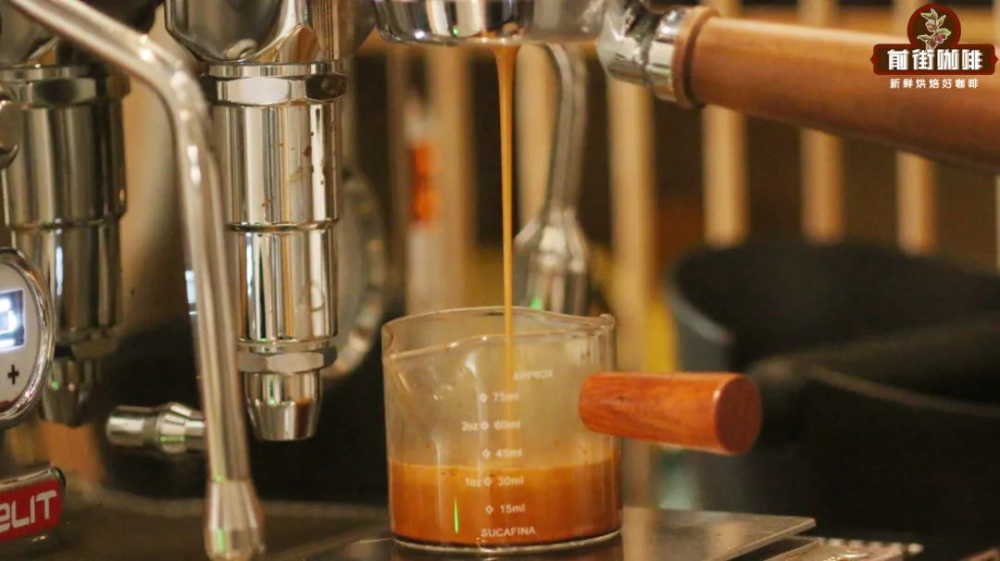
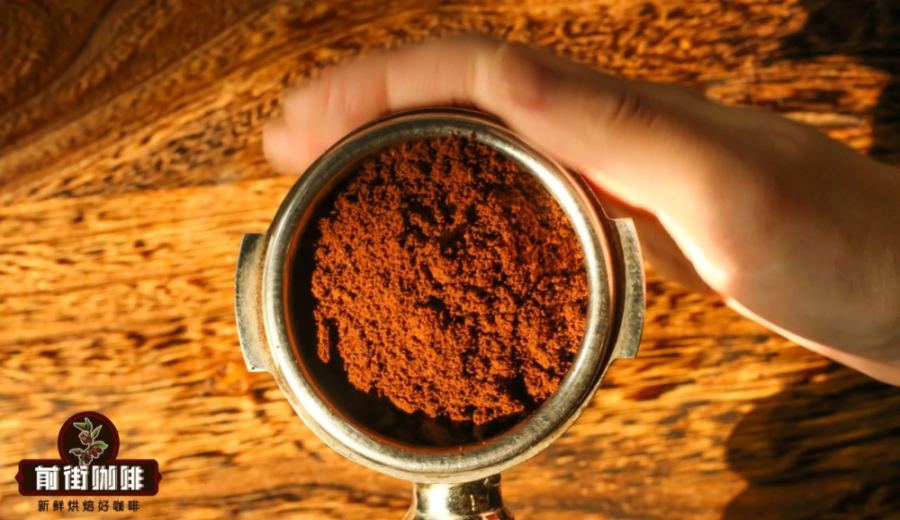
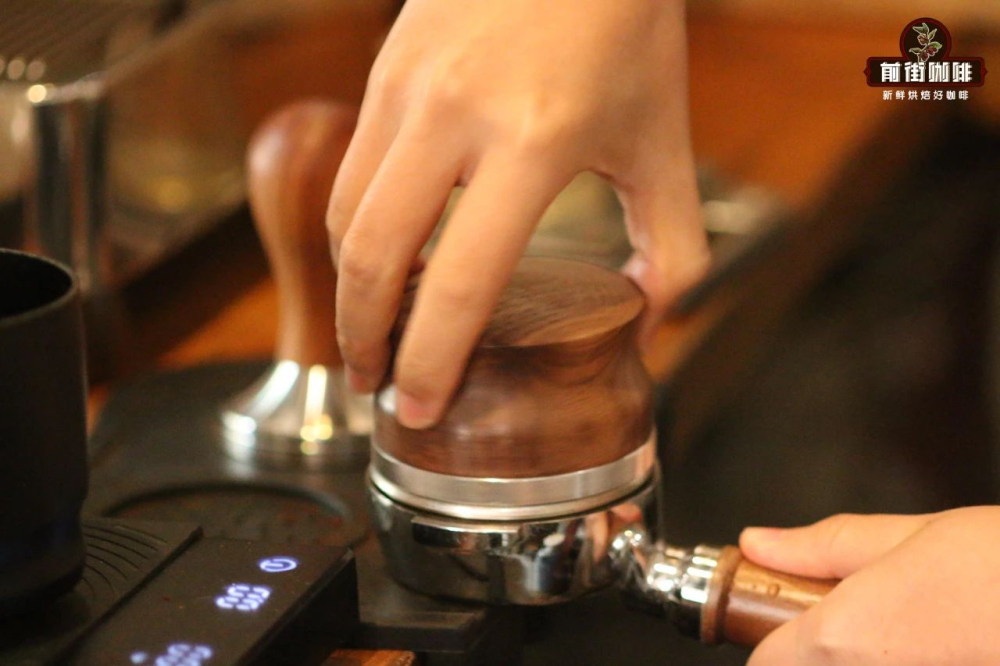
Finally, here’s a practical guide to espresso extraction: first, ensure the portafilter is dry and evenly distribute the ground coffee inside; then use a distribution tool to ensure even coffee distribution before tamping appropriately; before locking the portafilter in place, make sure the tamp is level and there’s no leftover coffee around the basket, and pre-wet the group head to prevent sticking; finally, start the extraction quickly, observe the flow of coffee—ideally smooth like honey—and aim for a fine, golden crema upon completion.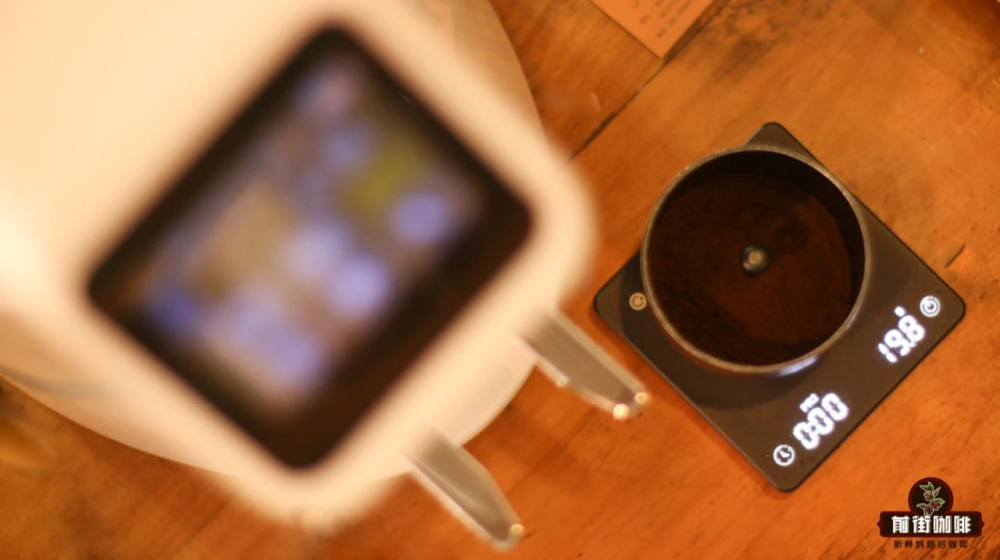
The above content is compiled by CoffeeHunters, a coffee news website.

