








Introduction:Want to dive deeper into the charm of pour over coffee but not sure where to start in tasting? This article will guide you through the key techniques for appreciating single-origin coffee — from dry aroma and wet aroma to acidity-sweetness balance and aftertaste — breaking down step by step how to perceive the layers of coffee with your senses. Whether you're a beginner just getting into pour over or looking to articulate flavors more precisely, this is a practical guide to elevating your tasting ability.
Tasting coffee is like tasting wine — it’s not just about drinking, but an integrated experience of smell, taste, and touch. When you pick up a well-brewed cup of black pour over coffee, can you delicately sense the layers of flavor within? This article will guide you in analyzing the unique charm of pour over coffee from multiple angles and teach you how to properly evaluate and describe a high-quality single-origin coffee.

Coffee tasting can be approached from two dimensions: process and observation angle. Many people often wonder why we use “flavor” rather than simply “taste” to describe coffee. In fact, taste is limited to what’s perceived on the tongue, while comprehensive coffee tasting involves three major senses — first, the aroma captured by the nose (smell), then the taste identified in the mouth (taste), and finally the texture felt on the tongue and in the throat (touch). Therefore, tasting coffee is definitely not as simple as just swallowing liquid.
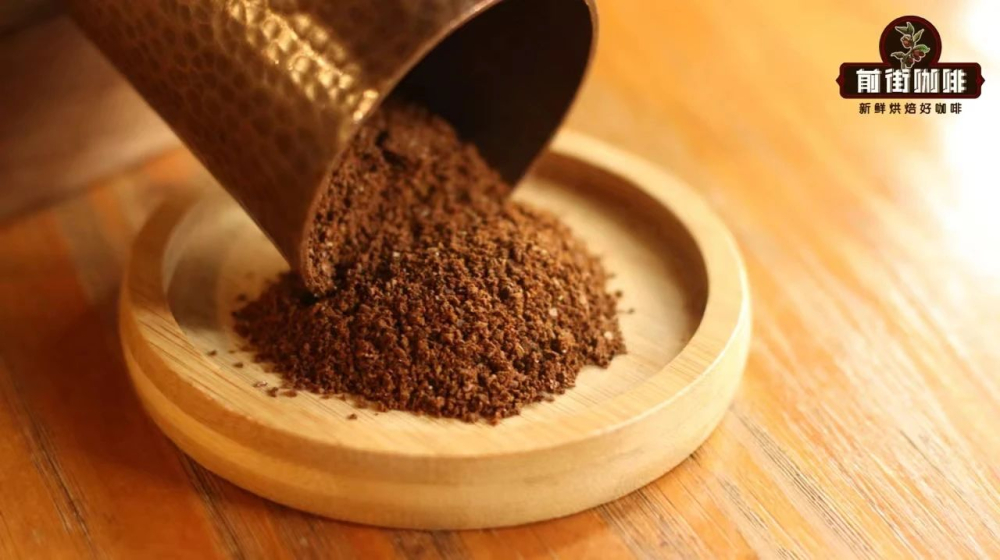
The moment coffee beans are ground into powder, a large amount of volatile aroma is released — this is our first step in tasting: smelling the dry aroma. The scent of dry coffee powder is distinctly different from that of brewed coffee liquid, so after completing the brewing process, remember to get close to the coffee in the cup and smell it again; this is called the wet aroma. The difference between these two aromas can help you better understand the potential of the coffee beans and the results of extraction.

When tasting further, it’s recommended to slurp the coffee so it atomizes and reaches the palate and nasal cavity, allowing you to capture flavor details more clearly. Additionally, coffee shows different flavor profiles at various temperatures — high temperature may highlight fruity acidity and floral notes, while as the temperature drops, sweetness and body often become more pronounced. Therefore, if you want to fully evaluate a cup of coffee, you should take at least ten minutes to slowly experience it from hot to warm to slightly cool.
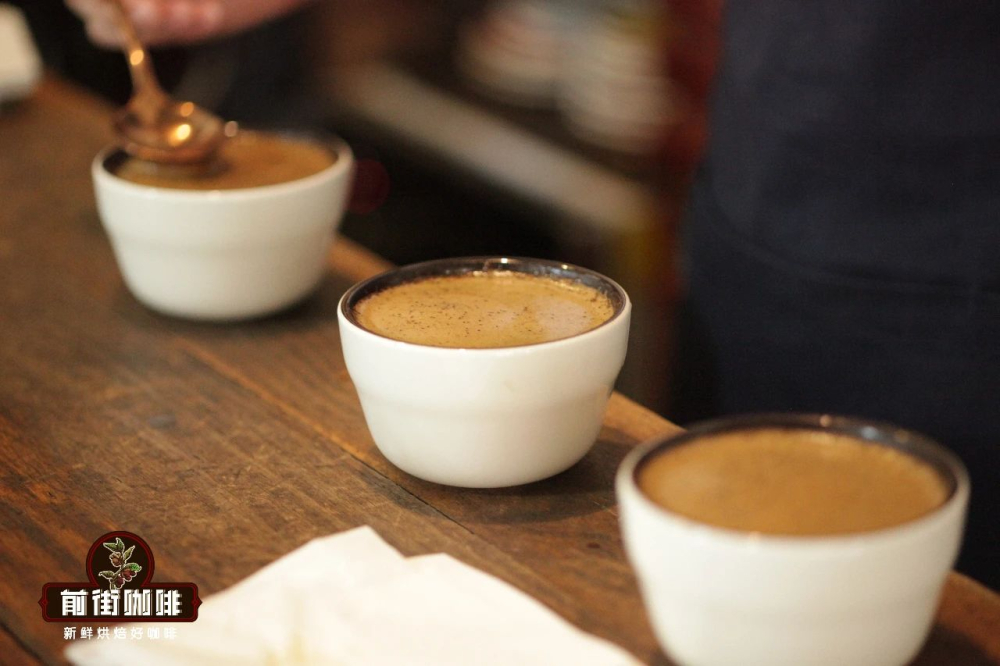
To specifically describe coffee flavors, you can refer to the internationally recognized COE (Cup of Excellence) cupping system, which scores coffee based on eight dimensions: aroma, cleanliness, sweetness, acidity, mouthfeel, flavor, aftertaste, and balance. These criteria are not only the basis for professional cuppers’ scoring, but also help everyday consumers develop a clearer tasting vocabulary.
First is aroma, the soul of a cup of coffee. Dry aroma comes from the ground coffee, while wet aroma is the scent released after brewing. Some coffee beans have highly distinctive aromatic characteristics — for example, Ethiopian Geisha often carries a delicate white floral note, while Indonesian Mandheling may emit a calm, herbal or woody aroma. These details often become important clues for enthusiasts to remember and identify coffee.
Cleanliness refers to whether there are any off-flavors or unpleasant defective notes in the coffee. If you detect earthy, medicinal, rubbery, or even onion-like pungent sensations, it indicates that the coffee’s cleanliness needs improvement. High-quality coffee should present a clear, pure flavor profile free from negative interference.
Sweetness, or sweet sensation, is an important indicator affecting the overall drinkability of coffee. A coffee with good sweetness often delivers a more rounded and enjoyable drinking experience. The sources of sweetness are diverse, including the ripeness of the coffee fruit (e.g., selecting red cherries), processing method (natural often being sweeter than washed), caramelization reactions during roasting, as well as control of water temperature and brewing time. Sweetness can also be subdivided into fruit sweetness, honey sweetness, caramel sweetness, and other tonal variations.
Acidity is another key indicator. Here, acidity isn’t just the sourness perceived by the taste buds, but also includes the texture and aftertaste of the acid. For instance, Yirgacheffe often exhibits bright citrus acidity, while Kenyan beans are known for their lively berry-like acidity. It’s important to note that not all acidity is good — harsh or overly fermented vinegar-like sourness can disrupt the harmony of overall flavors.

Mouthfeel belongs to the tactile dimension, describing the fullness and texture of coffee in the mouth — what we commonly refer to as “body.” High-quality coffee often has a silky, rich mouthfeel, similar to the texture of light cream, rather than simply being about concentration level. Concentration refers to the amount of soluble substances in the coffee, whereas body stems from water-insoluble oils and fibrous textures. You can use water, whole milk, and light cream as analogies to understand the differences in mouthfeel across various levels.
Flavor is the sum of the overall sensory experience, combining the interaction of smell and taste to form an impression of the coffee. Describing flavor requires some associative training — for example, certain citrus tones might remind you of lemon or orange, while chocolatey richness might evoke memories of cocoa. Trying different origins and processing methods helps build a flavor map and improve descriptive accuracy.

Aftertaste refers to the aroma and taste left in the mouth after the coffee is swallowed. High-quality coffee often leaves a long-lasting and pleasant aftertaste — for example, Panamanian Geisha commonly features a refreshing floral note with a subtle green tea finish. If the aftertaste is short-lived or unpleasant, it may indicate the need to adjust either the overall quality of the coffee or the brewing method.
Finally, balance is an important criterion for evaluating whether a coffee is harmonious. An ideal coffee should achieve balance across all aspects, without being overly acidic, bitter, or thin. When acidity, sweetness, bitterness, body, and aroma are in harmony, the coffee usually provides the drinker with a satisfying sensory experience.

The above content is compiled by CoffeeHunters, a coffee news website.


