







Introduction:Feeling unsure about which beans to choose for your pour over coffee as a beginner? This article provides an in-depth analysis of representative beans from three major coffee-producing regions — Africa, the Americas, and Asia — covering popular varieties such as Yirgacheffe, Kenya, Brazil, Mandheling, Geisha, and Yunnan Typica. It details the origin characteristics, processing methods, flavor profiles, and recommended brewing parameters of each bean, helping readers build a foundational taste map and discover their personal flavor direction.
Many coffee enthusiasts who are just starting out in the world of pour over often face a common question: “Which coffee beans should I choose for pour over?” Faced with a dazzling array of regions, varieties, and processing methods, selecting beans can seem like a daunting task. In fact, by grasping the flavor profiles and typical traits of each region, one can find suitable single-origin beans based on personal taste preferences. This article will focus on the world’s three major coffee-producing regions — Africa, the Americas, and Asia — introducing the characteristics of classic pour over beans from each area, along with practical tips for bean selection and brewing.
As one of the world’s three major beverages, although coffee has only been introduced to China for just over a hundred years, the culture of specialty coffee has rapidly emerged in recent years, with more and more consumers embracing the pour over method. Among the many coffee-producing regions, Yirgacheffe in Africa can be considered an entry point for many beginners into the world of specialty coffee. Coming from Ethiopia, Yirgacheffe is not only the pride of the country but also regarded as a model of coffee flavor. This region is the birthplace of Arabica coffee and has given rise to many astonishing coffee varieties.
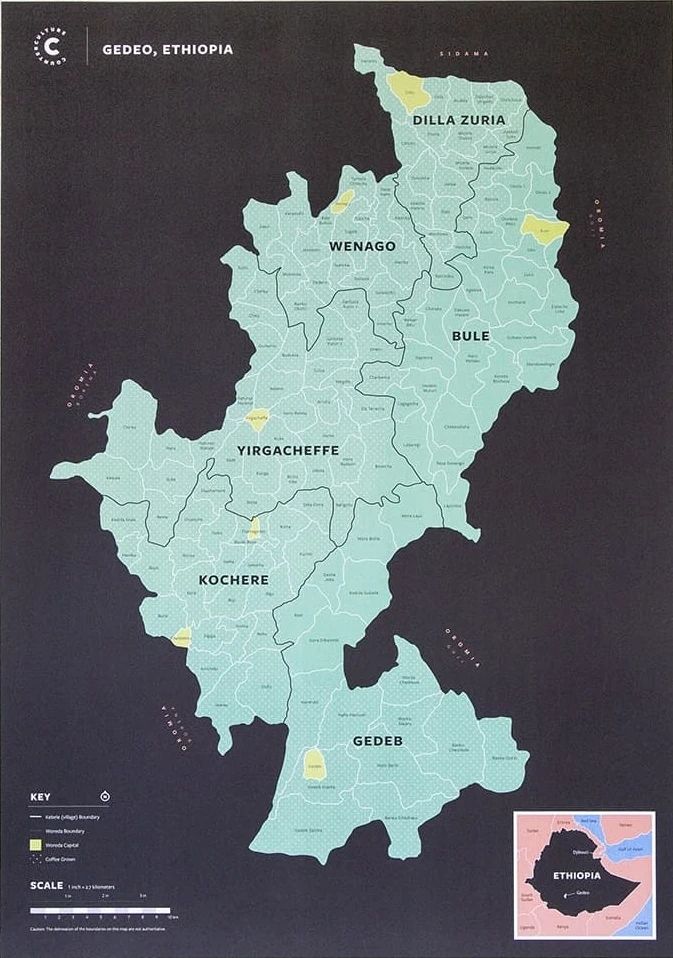
Originally a sub-region of Sidamo, Yirgacheffe eventually broke away to establish itself as an independent region due to its distinctive bright acidity, clean mouthfeel, and delicate floral notes — flavor characteristics so prominent that they set it apart. These coffees often exhibit vibrant citrus acidity, a tea-like base note, and elegant floral aromas, sometimes accompanied by creamy and caramel undertones. For example, a well-known brand's Yirgacheffe washed Guji Dingding, grown at altitudes of 2000 to 2100 meters, uses heirloom varieties and washed processing to deliver layers of citrus, black tea, floral, creamy, caramel, and almond notes. It offers a refreshing taste akin to lemon tea and is a classic choice for experiencing African bean flavors.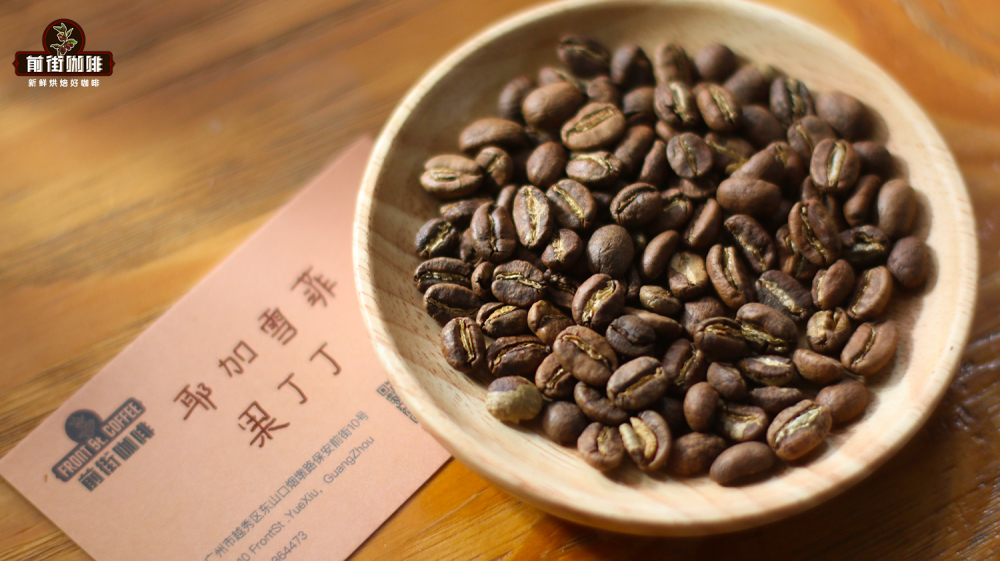
Meanwhile, another star region in Africa — Kenya — is renowned for its intense fruit acidity and unique K72 washed processing method. The representative Kenyan coffee varieties SL28 and SL34 were carefully cultivated by local agricultural laboratories to adapt to medium-to-high altitudes and possess strong disease resistance. Although these two varieties share similar flavor profiles, SL34 generally exhibits richer acidity and a more intense mouthfeel. Kenyan coffees commonly feature bright blackberry, black plum, and other acidic notes, along with tones of brown sugar and cherry tomatoes, all thanks to their phosphorus-rich soils and complex washing processes. The K72 washed process, involving three rounds of 24-hour fermentation and rinsing totaling 72 hours, gives the coffee exceptional clarity and layered complexity.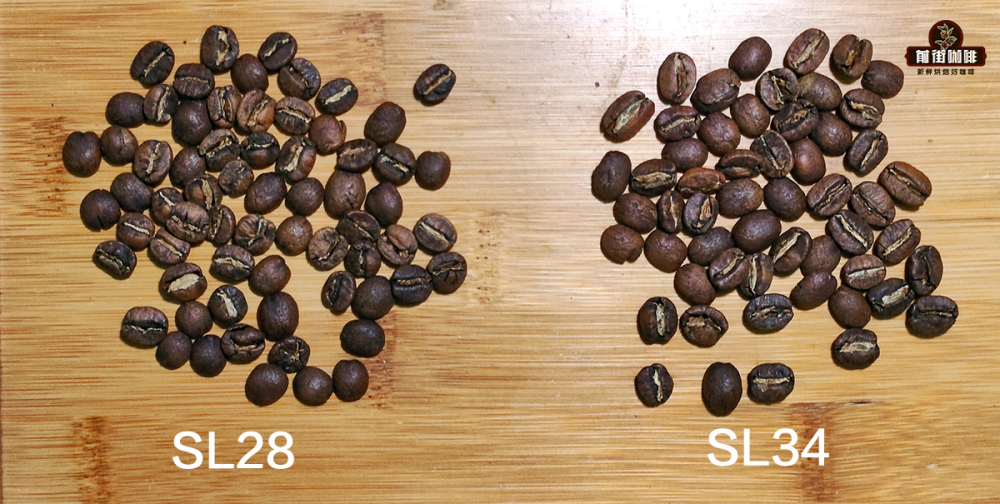
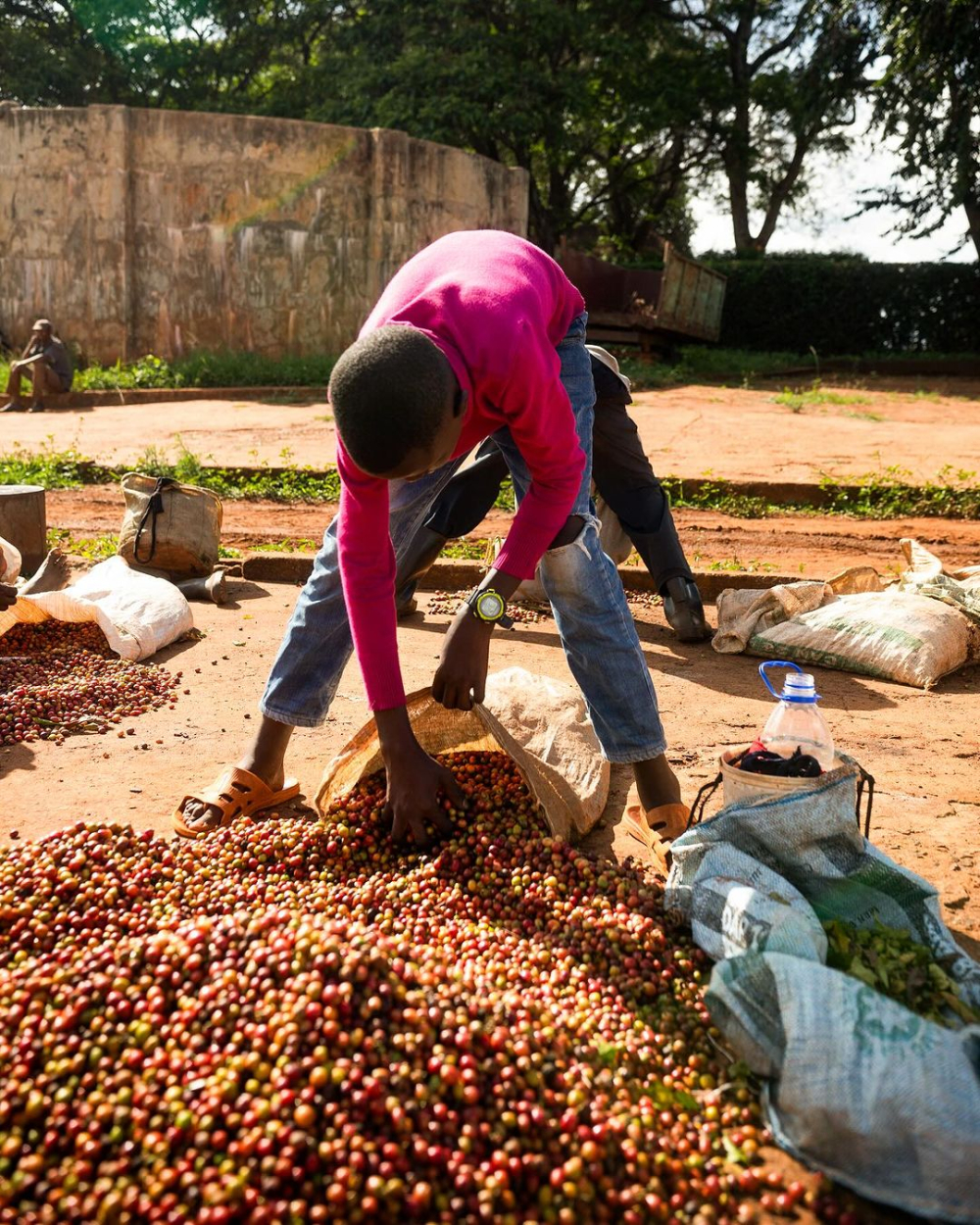
Moving to South America, Brazil, as the world’s largest coffee producer, produces beans with flavor profiles that differ greatly from those of Africa. With generally lower planting altitudes (400 to 1600 meters) and the prevalence of sun-dried cultivation, Brazilian coffee beans have lower density and softer texture, characterized by low acidity, rich nutty tones, and chocolatey sweetness, occasionally accompanied by subtle woody or earthy notes. For beginners unaccustomed to strong fruit acidity, Brazilian beans are a very friendly option. For example, a well-known brand’s Queen’s Estate Yellow Bourbon, grown in the Mogiana region at altitudes of 1400 to 1950 meters, is processed using the natural (sun-dried) method and showcases a rich flavor profile of nuts, creamy peanuts, cane sugar, and fermented fruit, with a smooth and layered mouthfeel.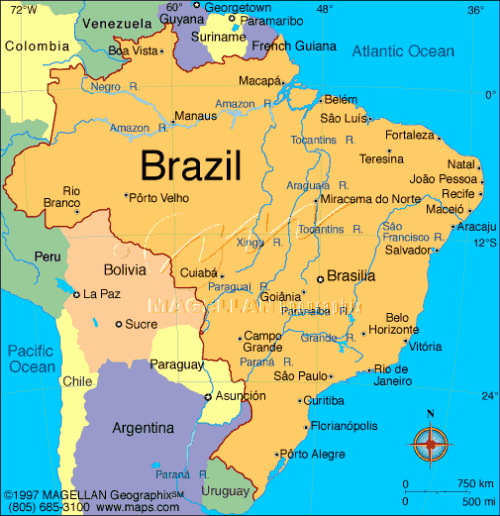
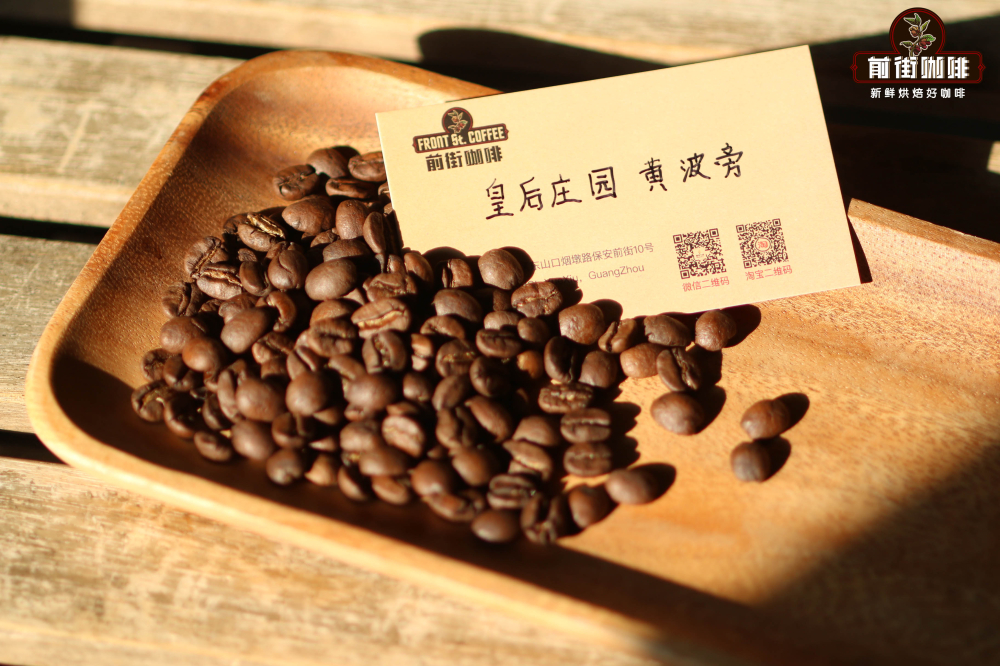
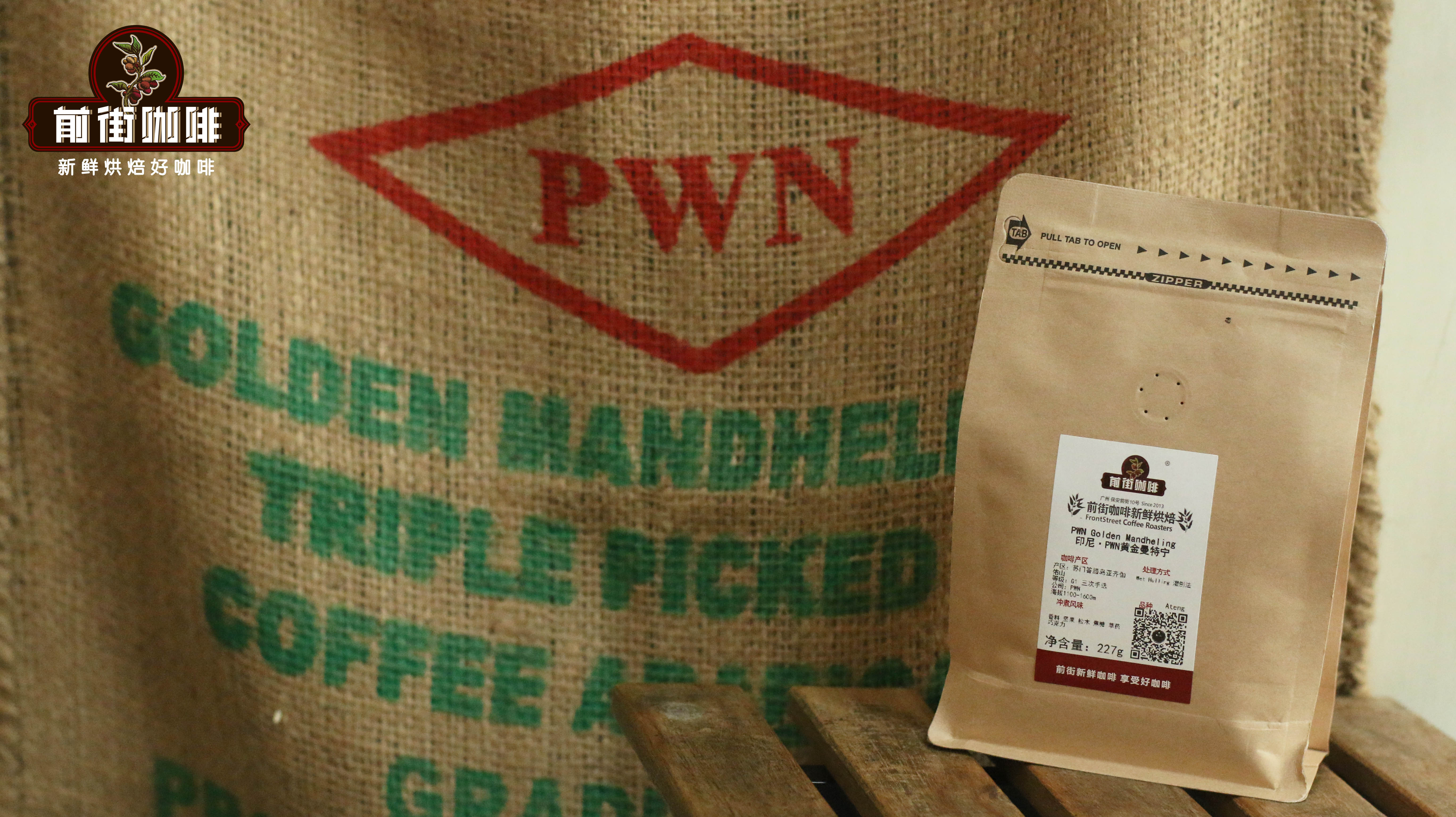
In Southeast Asia, Indonesia, due to its humid climate and limited sunlight, has developed a unique “wet-hulling” (also known as “Giling Basah”) processing method, resulting in coffees like Mandheling that are low in acidity, thick-bodied, and carry herbal and spicy notes. The wet-hulling process, which involves removing the parchment and some moisture midway through drying, results in a more compact and distinct coffee flavor. A well-known brand’s Indonesian PWN Golden Mandheling, grown in the Gayo highlands of northern Sumatra at altitudes of 1100 to 1600 meters and of the Ateng variety, is processed using the wet-hulling method and offers a complex flavor profile of spices, nuts, pine, caramel, herbs, and chocolate — a classic choice for experiencing Southeast Asian coffee characteristics.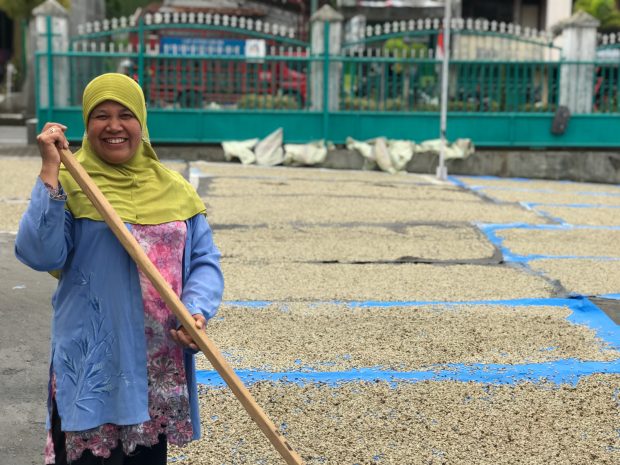
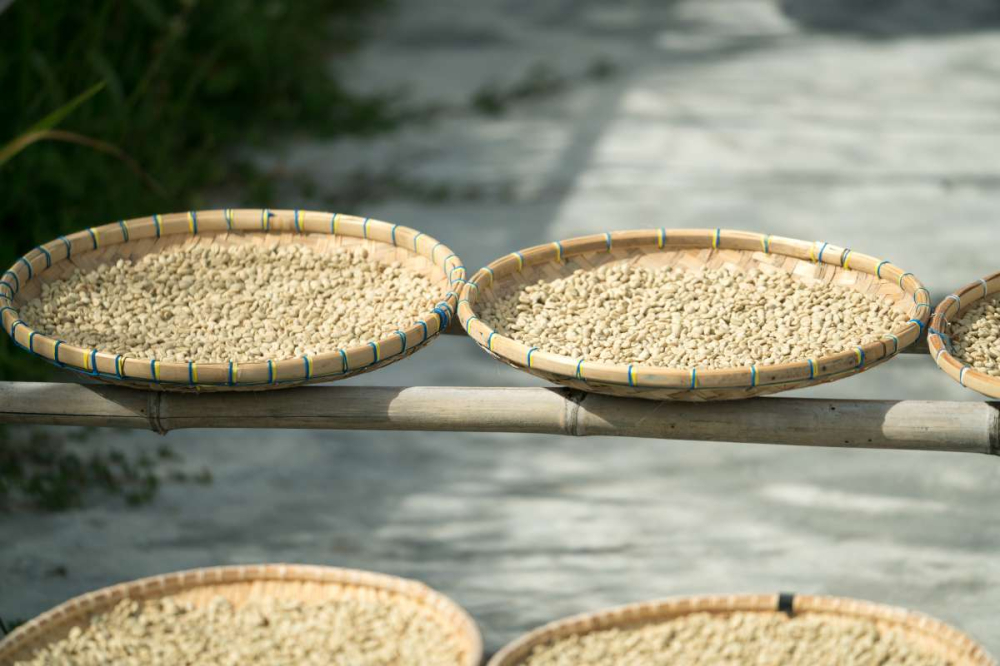
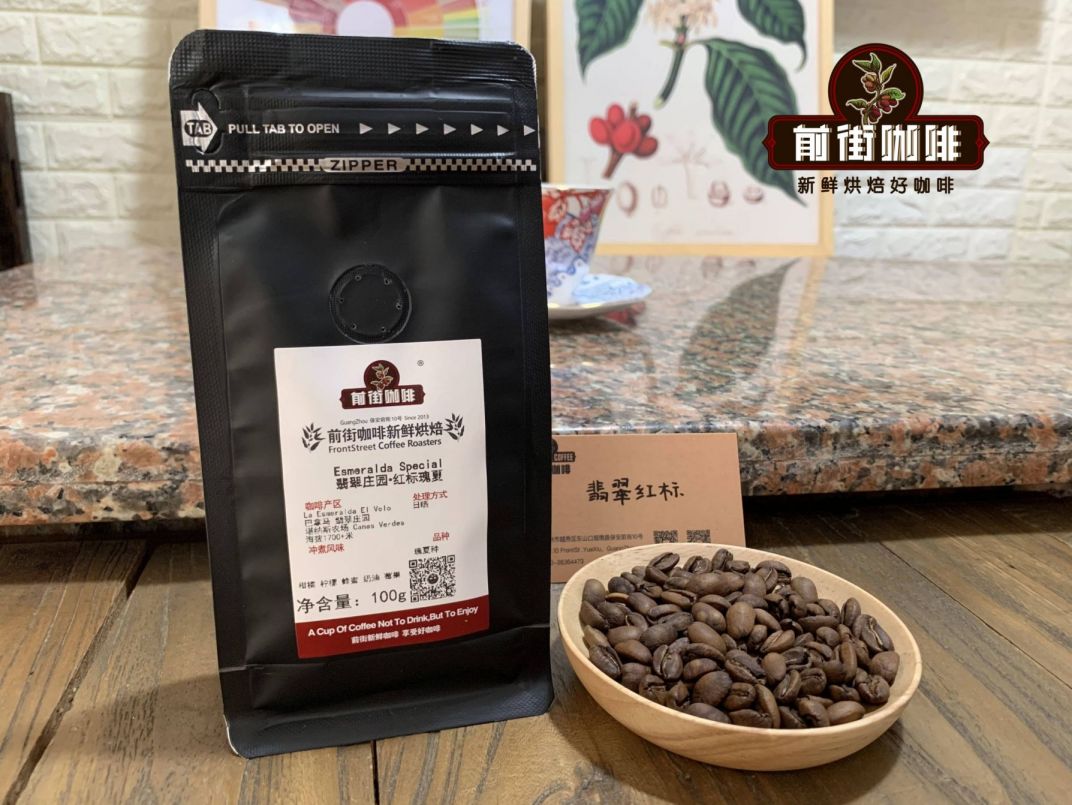
In Central America, Panama is world-renowned for its Geisha variety. This bean, which won the top prize in the 2004 Best of Panama (BOP) competition, is cultivated under high altitudes, shaded growing conditions, and fertile soils, exhibiting exquisite floral notes, delicate fruit acidity, and a tea-like finish. A well-known brand’s Emerald Estate Red Label Geisha, grown in the Boquete region at altitudes exceeding 1700 meters and processed using the natural method, features flavors of citrus, jasmine, honey, and berries — an excellent choice for coffee lovers seeking refined and elegant flavors.
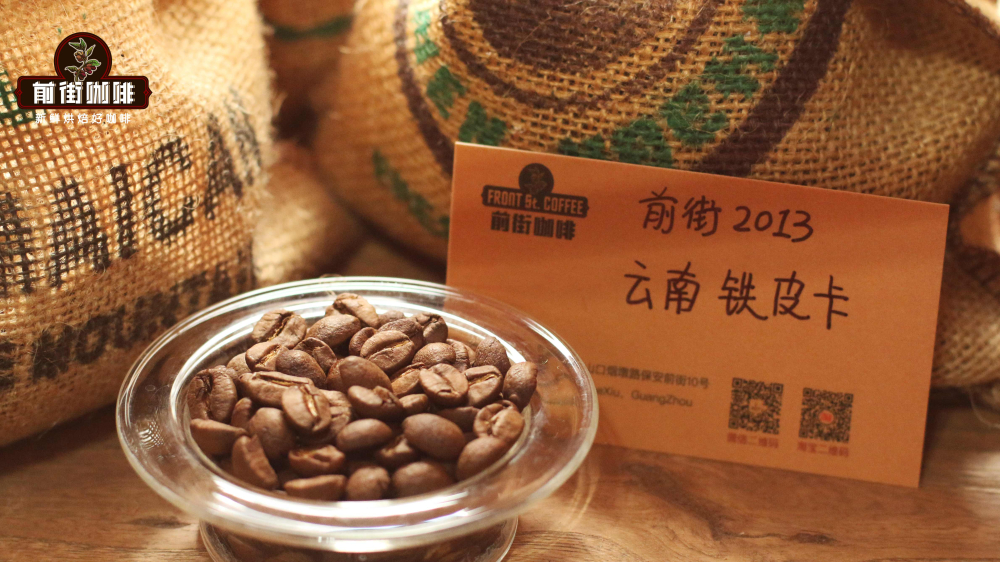
Finally, we come to Yunnan in China. Though its coffee-growing history is relatively short, the region has gradually developed its own unique characteristics with the presence of international brands. The early-planted Typica variety gradually gave way to the more disease-resistant and higher-yielding Catimor as the dominant variety. A well-known brand’s 2013 Yunnan Typica, grown in the Lincang region at an altitude of 1300 meters and processed using the natural method, offers a soft combination of berry, brown sugar, nut, and tea-like notes — an excellent example for exploring the potential of local Chinese coffee.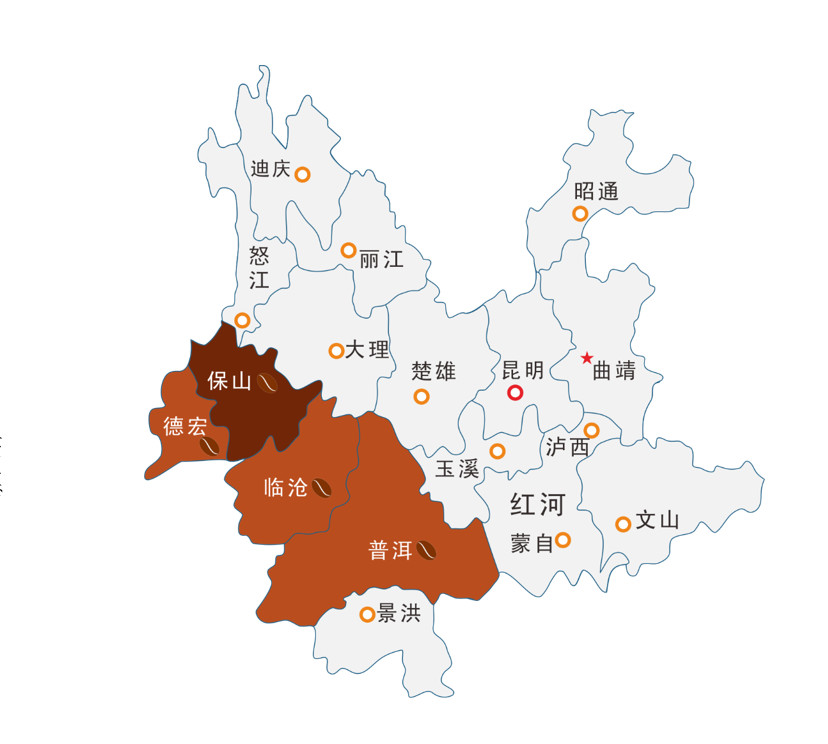
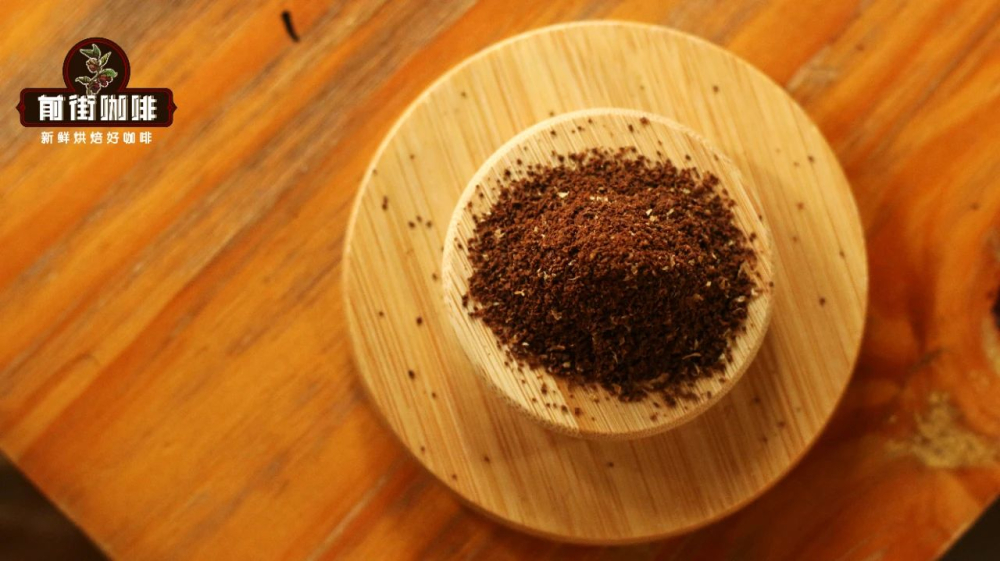
However, selecting the right beans is only the first step — the brewing parameters for pour over are equally crucial. It is recommended to use filtered or mineral water, avoiding tap water directly. Water temperature should generally be controlled between 85 to 93°C. For grind size, it is advised to aim for a coarseness where 70-80% of the grinds pass through a #20 sieve, balancing extraction efficiency and mouthfeel body. The ideal coffee-to-water ratio ranges from 1:15 to 1:16, which can fully highlight the aroma and layering of the coffee. Additionally, the choice of filter dripper also affects the final flavor expression — V60 is recommended for light roasts, while Kono suits dark roasts. Adjusting your equipment according to the bean character is key to achieving optimal extraction. Never overlook each brewing attempt; building your own flavor memory is essential to finding your true cup in the world of pour over.





The above content is compiled by CoffeeHunters, a coffee news website.

