








Introduction:When selecting beans for pour over coffee, single-origin beans are the most common choice. These beans come from specific regions or estates and feature distinct flavor profiles. This article compiles seven popular types of pour over beans for beginners, including fruity, floral, fermented, sweet, balanced, bold, and nutty-chocolatey profiles, along with detailed flavor descriptions and optimal brewing suggestions for each. It will help you find the one that suits your palate best.
One of the charms of pour over coffee lies in the diversity of single-origin beans.Single-origin beans refer to coffee beans sourced from a single region, estate, or cooperative. Their flavor characteristics are clear, making them ideal for appreciating the unique personalities of coffees from different areas. However, the wide variety of single-origin beans on the market can often leave beginners feeling overwhelmed. This article will introduce seven types of pour over coffee beans, covering a range of flavors from fruity to nutty, helping you make a choice based on your personal preferences.

First up isfruity coffee beans. These beans typically come from high-altitude regions in Ethiopia, especially the famous Yirgacheffe. Coffee from this area is known for its bright acidity and citrus notes, often accompanied by aromas of jasmine and honey—perfect for those who enjoy a fresh-tasting cup. Renowned Yirgacheffe beans are grown at altitudes of 1900–2300 meters, processed using the washed method, and graded as G1. Their flavor profile includes berries, cream, and a lasting citrus aftertaste, making them recommended for beginners seeking vibrant fruit acidity and layered complexity.

Floral coffee beansare best represented by Panama’s Geisha variety. The Geisha cultivar grows in harsh conditions yet delivers exceptional floral and citrus aromas. Whether washed or sun-dried, it exhibits rich layers of fragrance such as jasmine, citrus, berries, and cantaloupe. The renowned Green Label Geisha from prestigious estates is grown at elevations of 1600–1800 meters. Its flavor profile is complete, ranging from tropical fruits to a creamy finish, making it the top choice for floral coffee lovers.
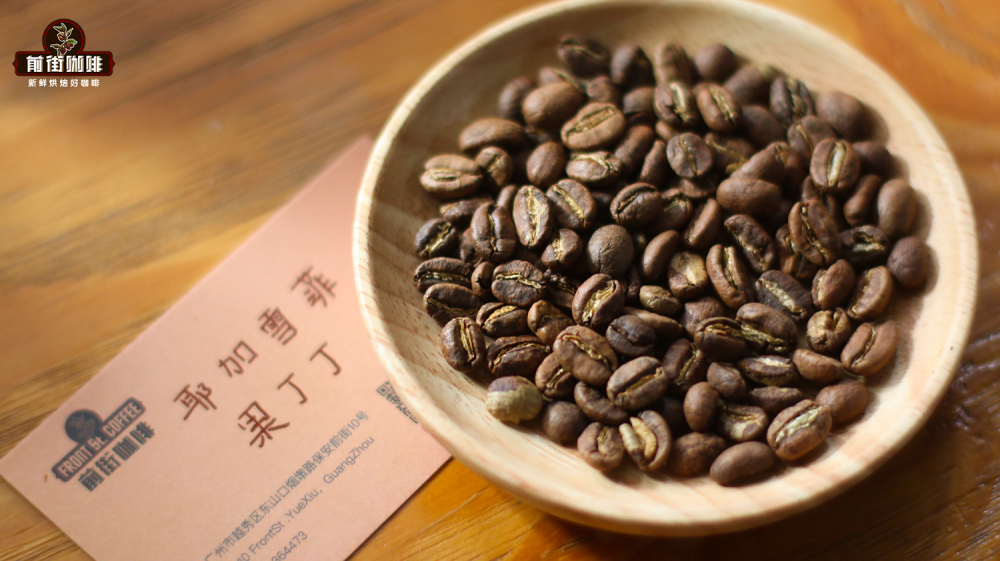
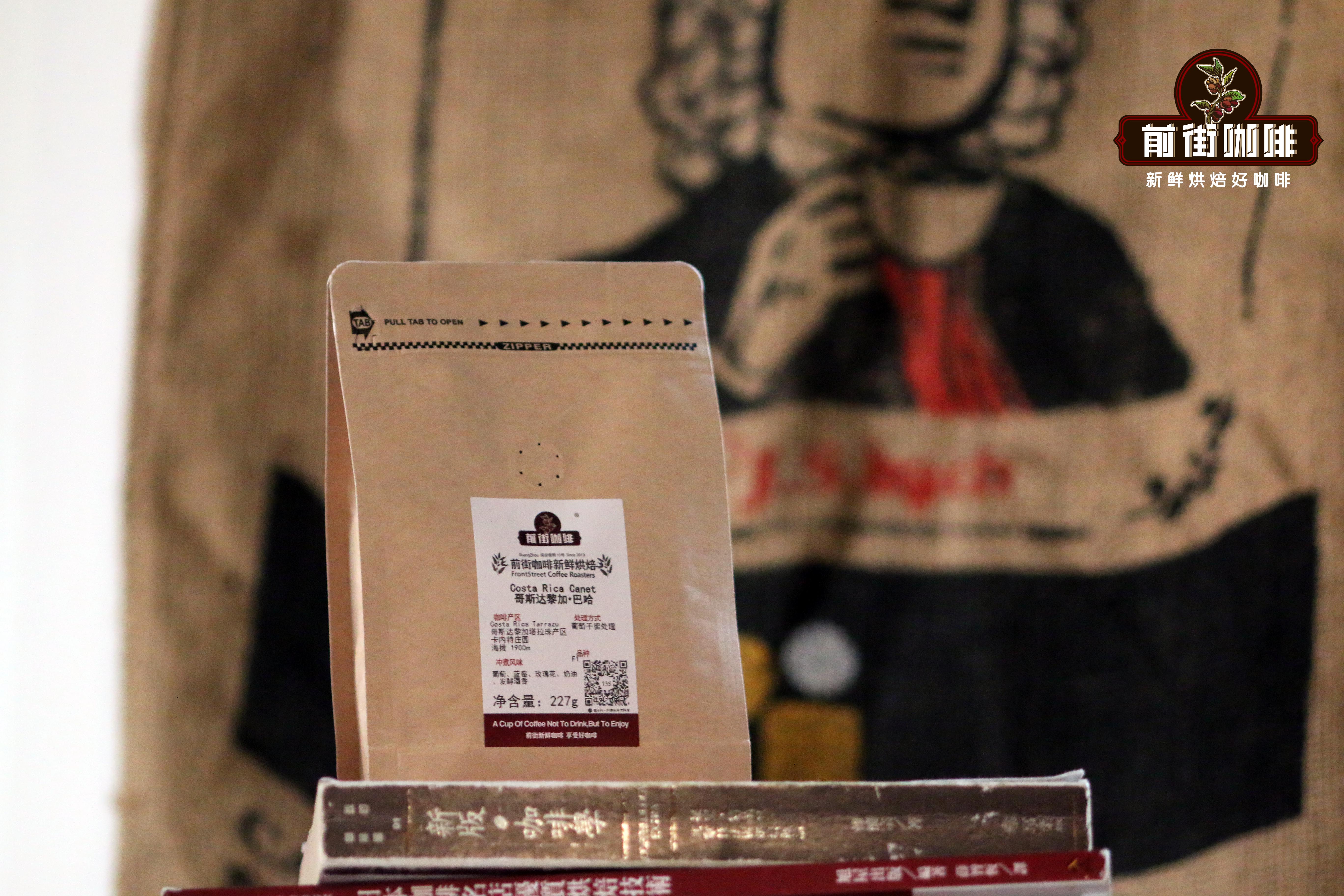
If you prefer coffee with noticeablefermented notes, consider honey-processed beans from Costa Rica. The honey processing method retains some of the fruit mucilage, resulting in richer sweetness and wine-like aromas during drying. The renowned Bach series beans use raisin honey processing, delivering a fermented aroma reminiscent of rice wine, along with sweet-and-sour tropical fruit and berry notes. The aftertaste also features caramel and subtle floral hints, suitable for coffee enthusiasts eager to explore complex flavors.

For those who favornoticeably sweetcoffee, sun-dried Ethiopian bean varieties are an excellent choice. The sun-drying process highly concentrates the sugars in the coffee fruit, giving the coffee a sweet, juice-like quality. Sun-dried beans from Yirgacheffe are made from fully ripe coffee cherries and offer flavors of lemon, licorice, berries, and sweet orange, with an aftertaste reminiscent of black tea—a perfect option for those seeking a sweet taste.

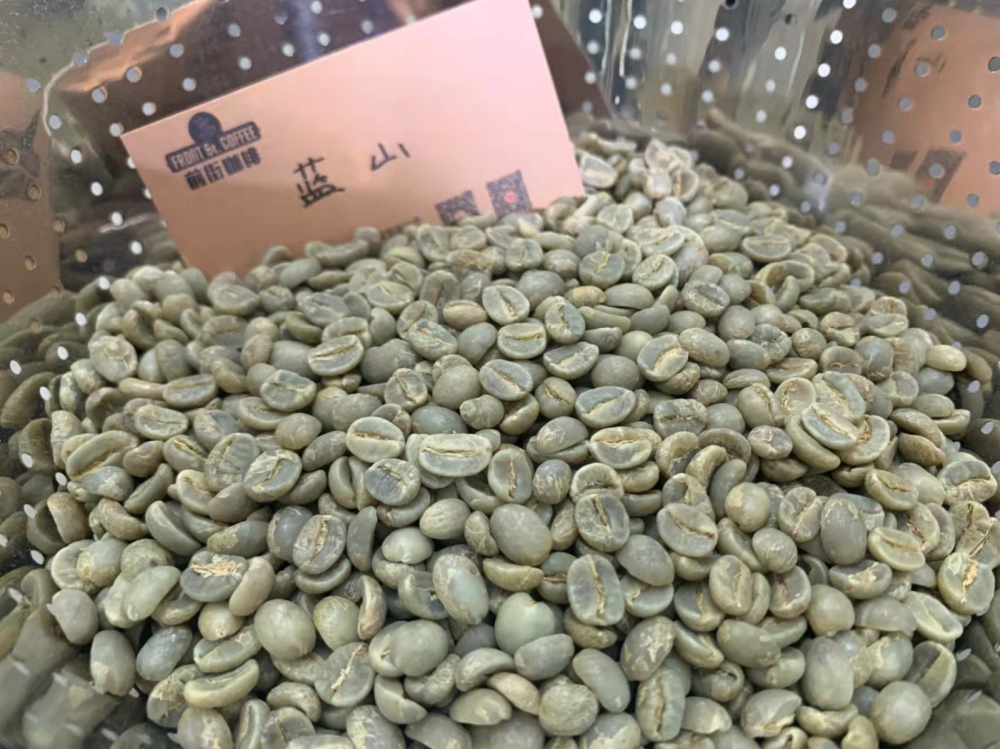
If you’re looking for a cup ofbalanced-flavorcoffee, Blue Mountain coffee is undoubtedly a classic representative. Known for its balanced acidity, sweetness, and bitterness, as well as a rich yet clean profile, it’s a dream coffee for many aficionados. Jamaica Blue Mountain No.1 comes from the Clifton Estate, grown at altitudes over 1300 meters, using the washed process and Typica variety. Its flavor includes dark chocolate and nutty notes, with a balanced and delicate mouthfeel, ideal for those who seek consistent flavor performance.

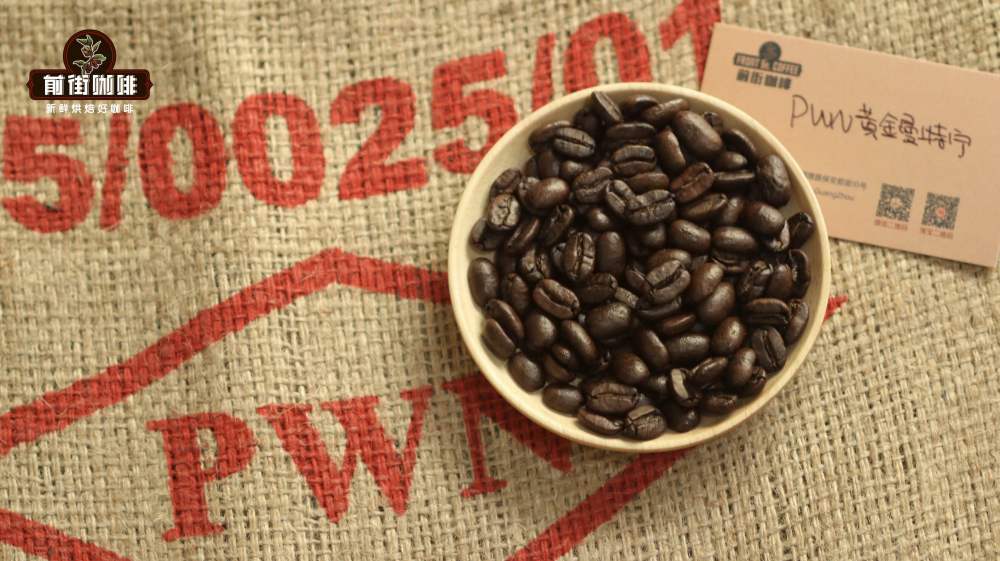
For readers who enjoybold and intensemouthfeels, try Indonesia’s Golden Mandheling. This bean variety undergoes multiple rounds of selection, resulting in uniform beans processed via the wet-hulled method. It carries strong herbal and spice aromas while retaining notable nutty and caramel sweetness. Golden Mandheling from Sumatra is grown at altitudes of 1100–1600 meters, offering a bold, tongue-coating body with a long-lasting aftertaste—perfect for coffee lovers who prefer low acidity and heavy body.

Finally,nutty-chocolatey tonedcoffee beans often come from Brazil. Due to the country’s low altitude and flat terrain, Brazilian coffee has developed a unique soft bean flavor profile, known for low acidity, nuttiness, and chocolate aromas. The Yellow Bourbon beans from Fazenda Rainha in Brazil are grown at elevations of 1400–1950 meters and processed via sun-drying. They offer pronounced sweetness and a rich mouthfeel, suitable for those who prefer mellow and balanced flavors.




The above content is compiled by CoffeeHunters, a coffee news website.

