








Introduction:Choosing a delicious coffee bean can be a challenge for beginners. This article selects high-quality coffee beans from 10 renowned global producing regions, covering various processing methods, altitude grades, and unique flavor profiles — from balanced acidity and sweetness to rich and bold profiles. It takes you deep into understanding each bean’s characteristics, origin background, and suitable brewing methods, helping you find your own preferred flavor.
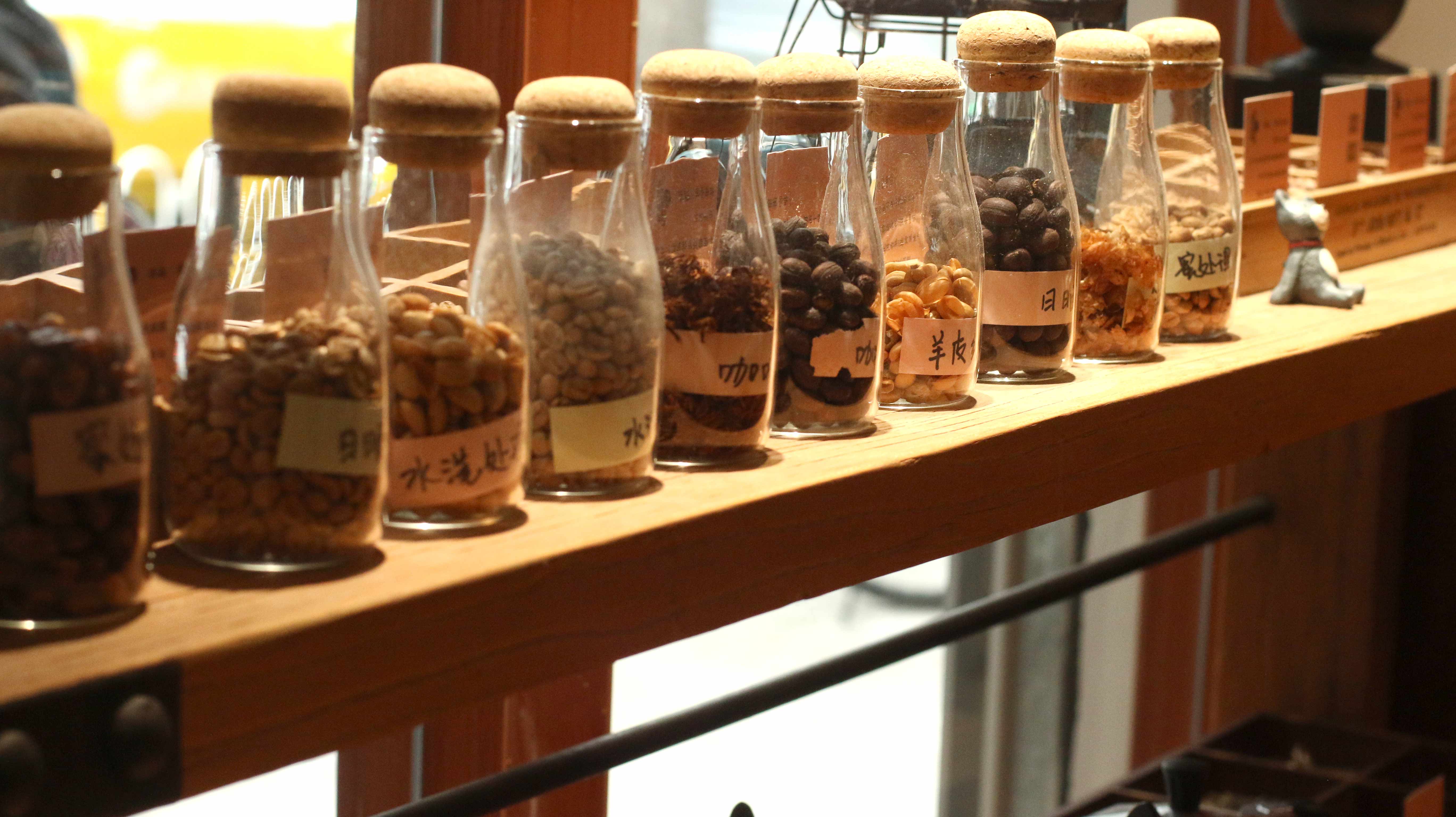
The allure of specialty coffee lies in the unique terroir and craftsmanship behind each coffee bean. From the highlands of South America to the volcanic zones of Africa, the climate, soil, and processing methods of different regions create a diverse array of coffee flavors. This article introduces ten specialty coffee beans widely acclaimed around the world. Not only do they each offer distinctive flavor performances, but they are also popular choices for many coffee enthusiasts as entry-level beans or collection targets.

First up isColombia Supremo Coffee. These coffee beans are known for their large size, graded by screen size, with those exceeding S17 (6.75mm) classified as Supremo grade, representing the highest quality. Colombian coffee is primarily processed using the washed method, with two harvest seasons per year: October to January and April to June. In terms of flavor, it often features bright acidity, nutty notes, and a chocolatey finish, sometimes accompanied by citrus acidity and caramel aromas, delivering an overall balanced and layered profile.
Coming from Central America,Costa Rica Tarrazú Coffeegrows in high-altitude regions and is categorized by elevation into SHB (Strictly Hard Bean), GHB (Good Hard Bean), and HB (Hard Bean). Coffee beans from this region are often processed using the honey method, which retains some mucilage during drying, imparting a richer sweetness and fruity character. Costa Rican coffee typically exudes red apple-like fruitiness and citrus notes, with vibrant acidity, a clean and long-lasting finish, making it an excellent choice for those who enjoy sweetness and complex layers.
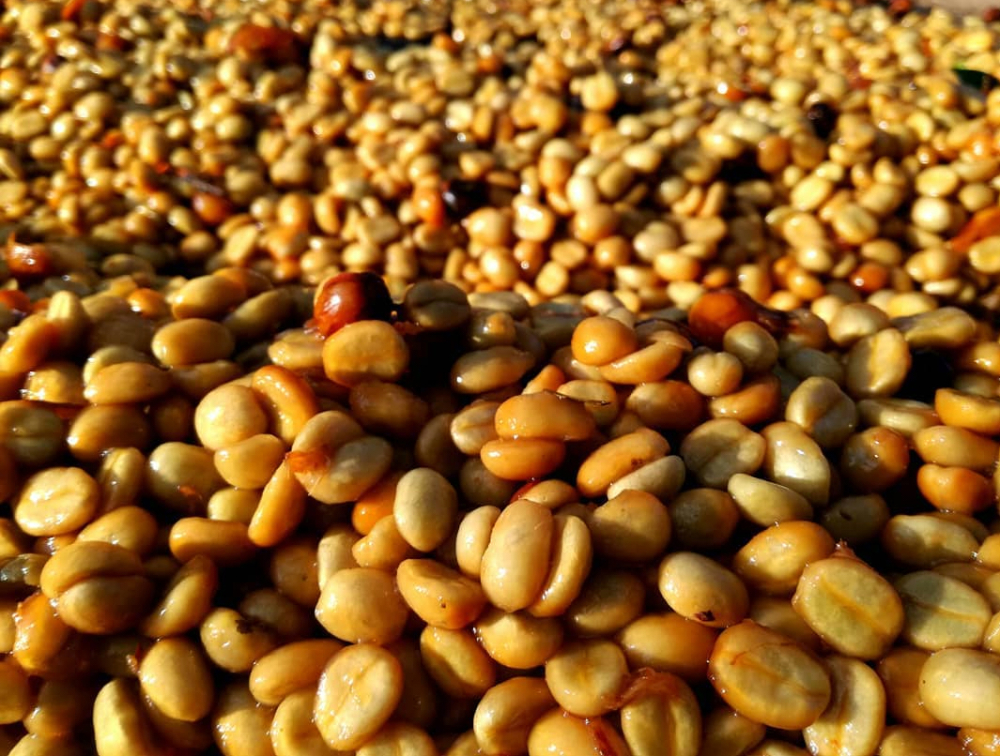
Next isGuatemala Huehuetenango Coffee, produced in the high-altitude volcanic regions of northwestern Guatemala. The coffee is grown in mineral-rich volcanic ash soil, giving it a full body and pronounced fruity acidity. Flavor-wise, it commonly showcases chocolate, dark berries, and spicy notes, with an intense yet elegant mouthfeel — an ideal choice for those who prefer bold-flavored coffee.
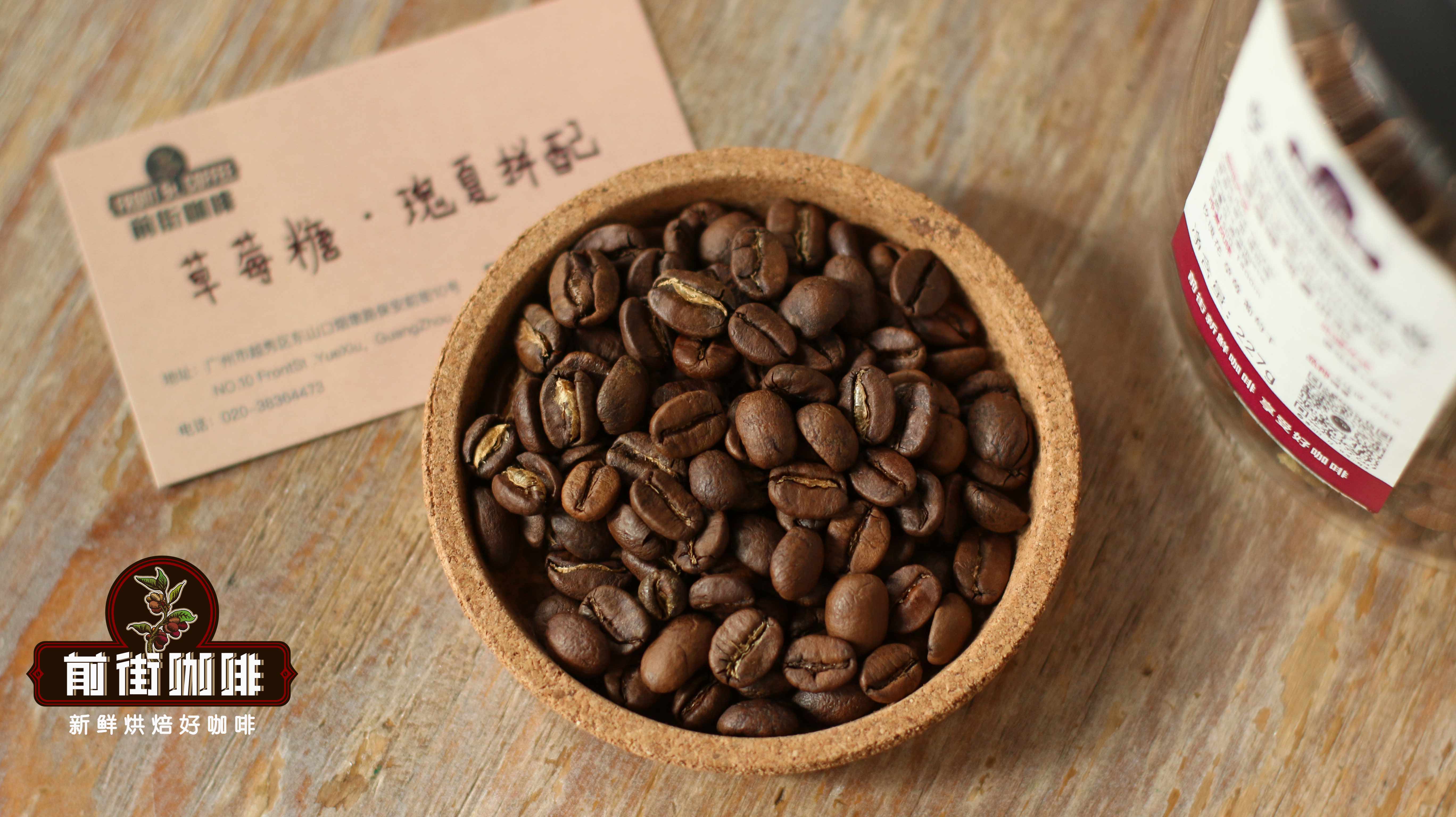
When mentioning classic coffee flavors, one cannot overlookYemen Mocha Coffee. The term “Mocha” originates from the ancient coffee-exporting port, and Yemeni Mocha coffee is famed for its unique wine-like aroma and fruity acidity. This type of coffee usually has profound layers, balanced acidity and sweetness, and a wine-like complexity that is truly unforgettable. However, due to the civil war in the region and a sharp decline in production, authentic Yemeni Mocha is quite rare and relatively expensive.
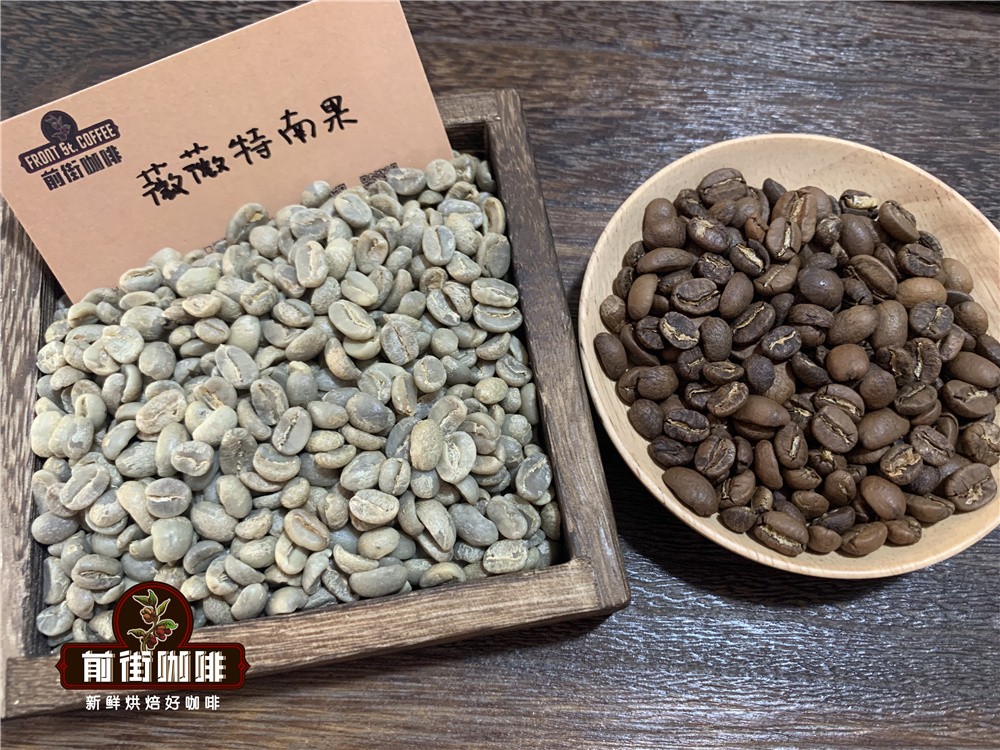
Among Asian producing regions,Indonesia Sumatra Mandheling Coffeeis highly representative. This coffee is mainly produced in the Lake Toba and Lintong areas of Sumatra, processed using the traditional wet-hulled (giling basah) method, resulting in low acidity, a rich and bold mouthfeel, often accompanied by herbal, earthy, and spicy notes. Mandheling coffee beans are full-bodied, with a heavy flavor profile, suitable for drinkers who enjoy intense taste and unique individual characteristics.
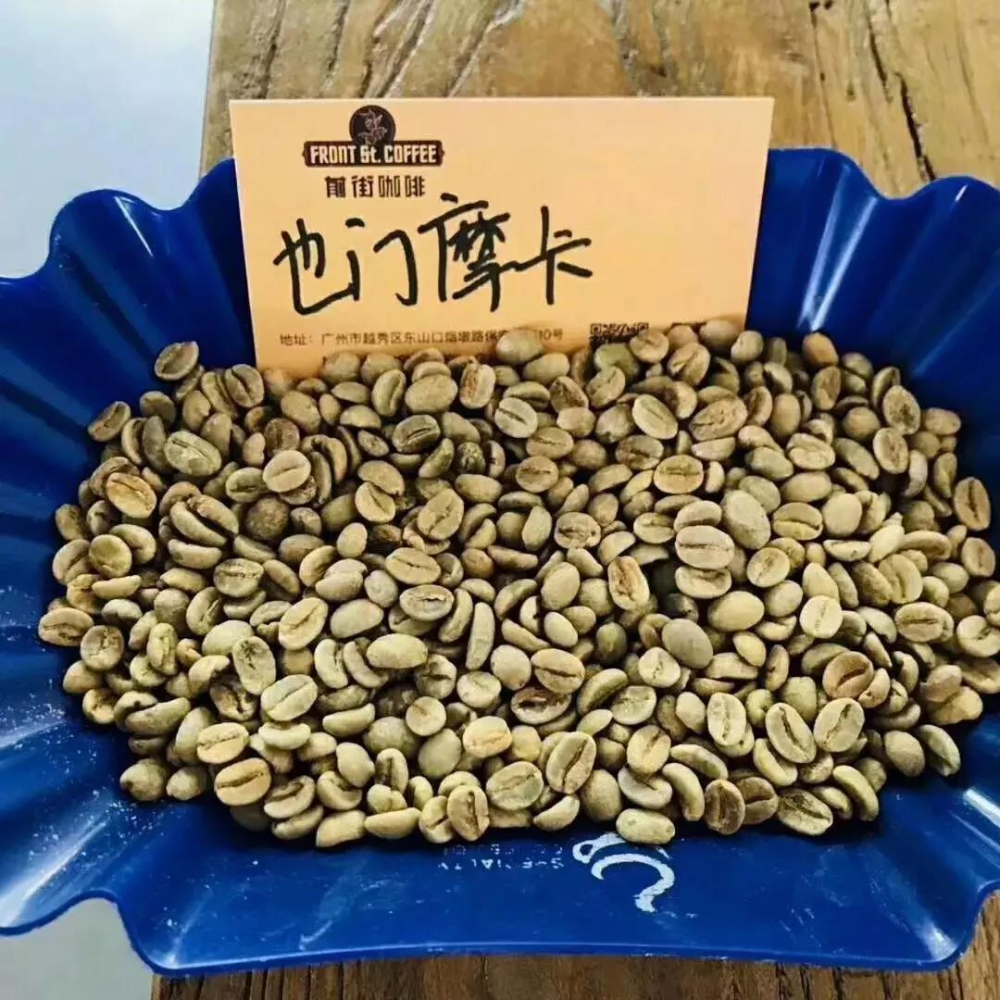
Speaking of the epitome of high quality,Kenya AA Coffeeis definitely among the top. This grade represents the largest and highest-quality coffee beans, commonly found in the specialty coffee market. Kenyan coffee is known for its bright berry-like acidity, citrus tones, and rich layers, with prominent sweetness and a clean mouthfeel. It often features bright acidity reminiscent of blackcurrant or tomato, making it well-suited for medium-light roasts to highlight its distinct personality.
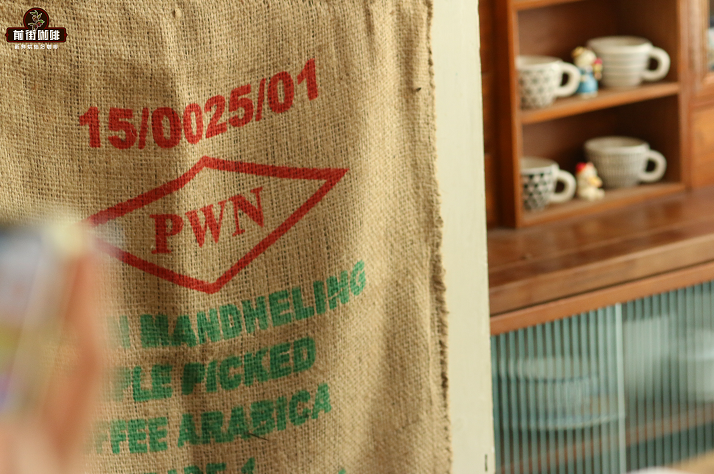
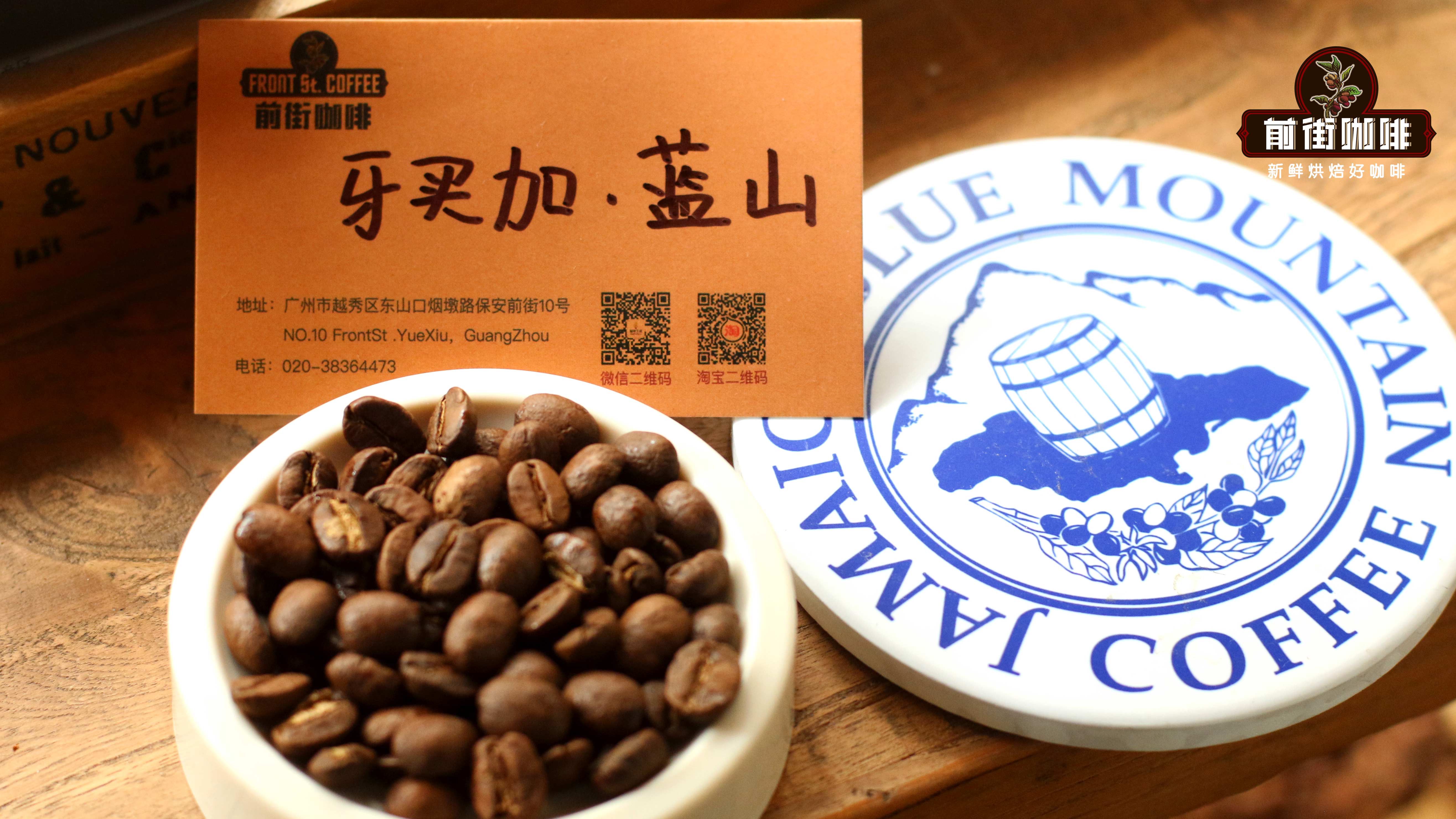
Dubbed the “King of Coffee,”Jamaica Blue Mountain Coffeeis grown at elevations above 2,200 feet in the Blue Mountains of Jamaica. Blue Mountain coffee is celebrated for its mild acidity, smooth mouthfeel, and balanced chocolate and caramel flavors. Although it is rare and expensive, its elegant flavor and consistent quality remain the ultimate dream for many coffee lovers. When purchasing, be sure to look for certified Blue Mountain No. 1 to ensure flavor and quality.
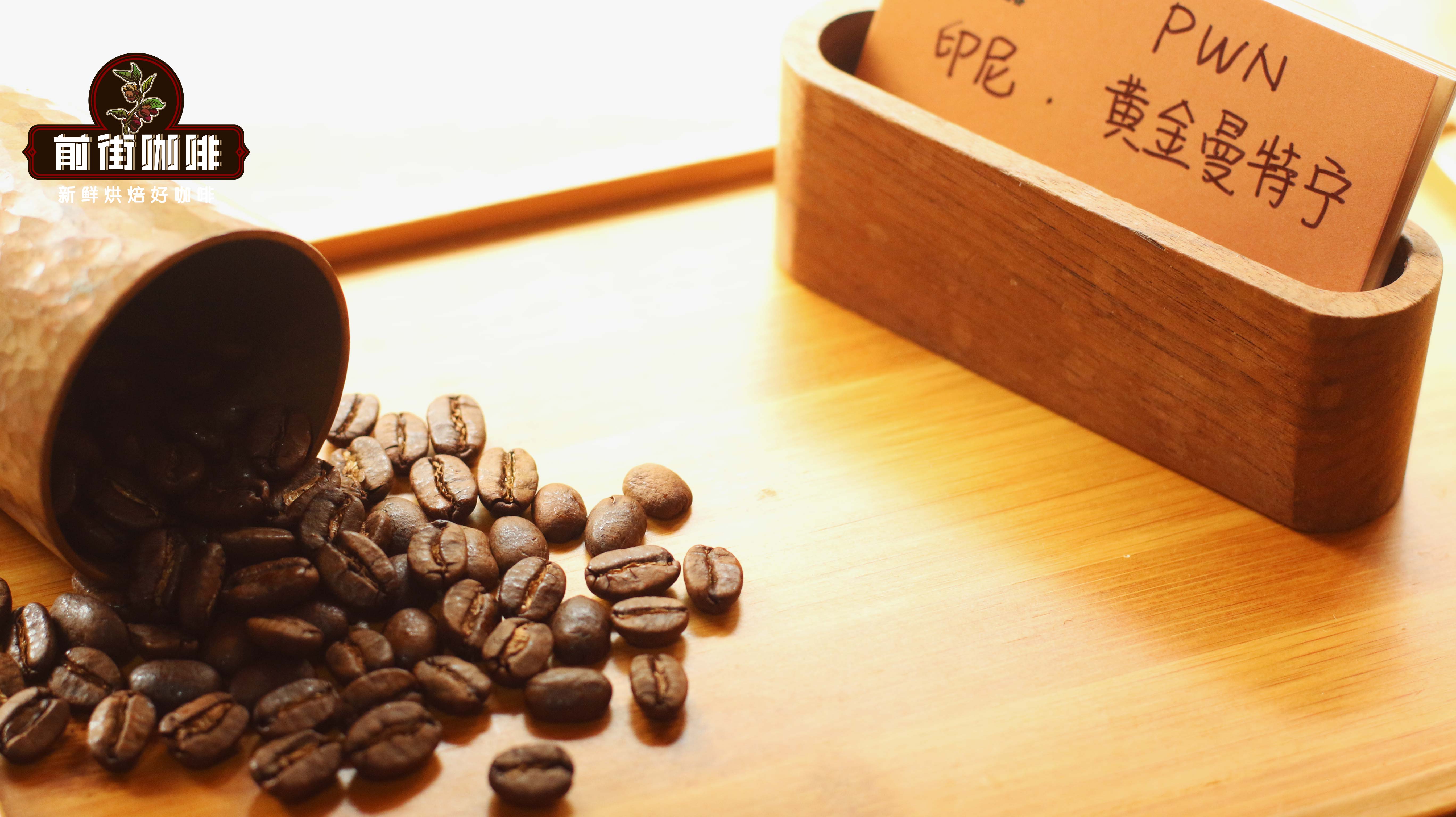
Among African coffees,Ethiopia Yirgacheffeis one of the most representative varieties. Coffee from the Yirgacheffe Valley is known for its bright floral notes, lemon acidity, and citrus tones, with a fresh and highly distinctive flavor. Coffee from this region is often processed using either the washed or natural (sun-dried) method. Washed Yirgacheffe has bright acidity, while natural-processed versions have more intense fruitiness. Whether you're a beginner or a seasoned coffee enthusiast, Yirgacheffe is an excellent entry point for exploring specialty coffee.
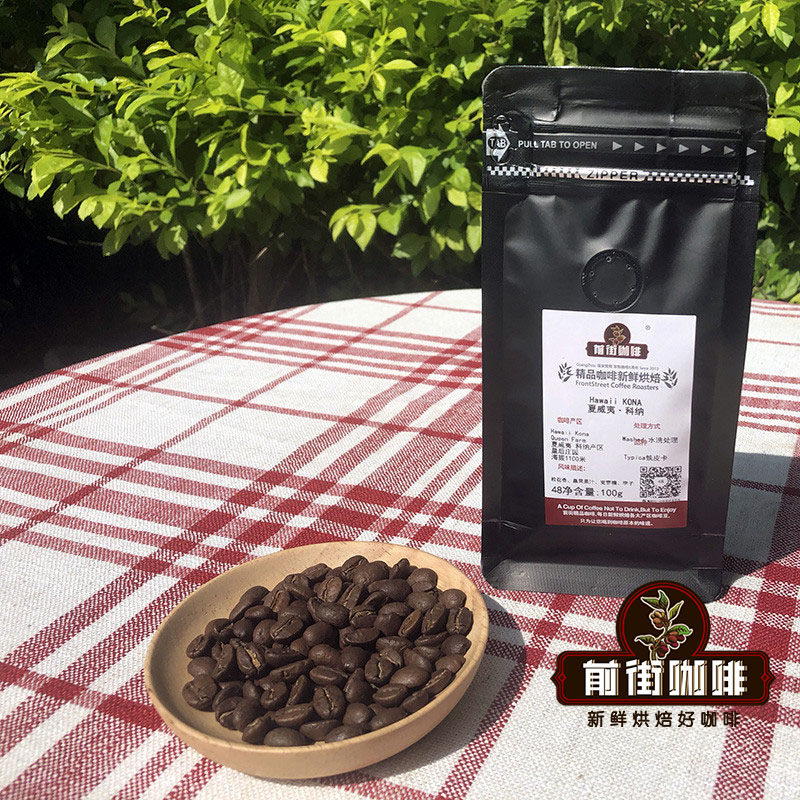
Hawaii’sKona Coffeeis known as the “Queen of Coffee,” famous for its mild and mellow mouthfeel and unique wine-like aroma. Grown in volcanic soil, Kona coffee offers a balanced flavor, moderate acidity, often with caramel and nutty notes. Its grades include Extra Fancy, Fancy, Prime, and Gr. No.1, with Extra Fancy being the highest grade and offering the most delicate taste.
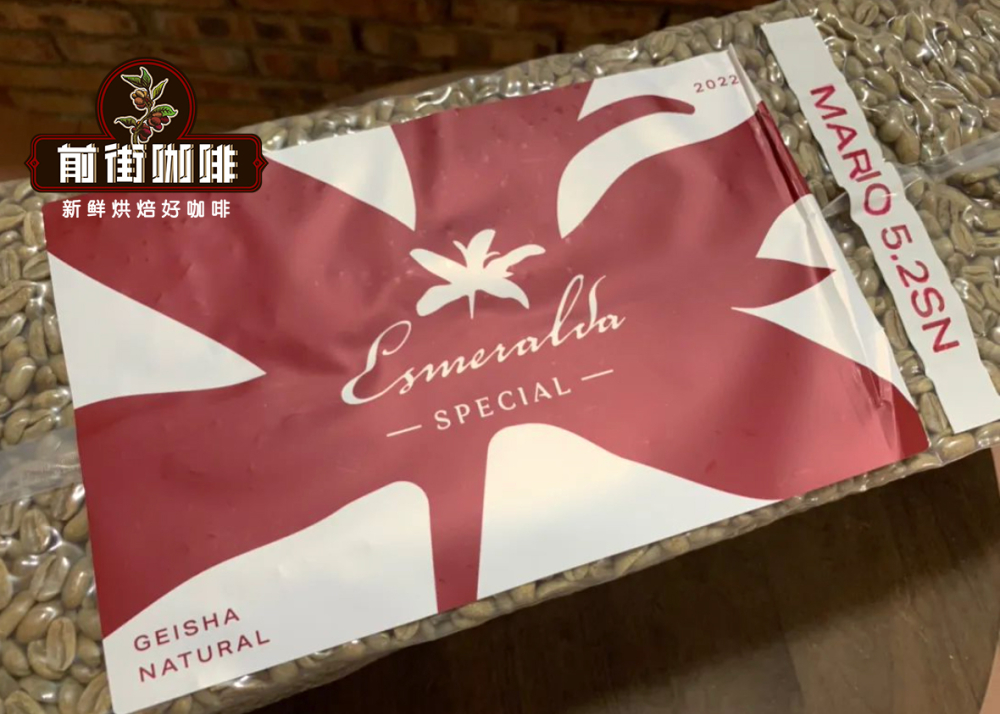
Finally, we must mentionPanama Geisha Coffee. This coffee gained fame after winning first place in the 2007 international cupping competition, renowned for its rich floral notes, jasmine, and citrus tones, with bright and varied acidity, layered and penetrating flavors. Panama Geisha is often grown at high altitudes and finely processed. Despite its limited production, its exceptional quality has made it a star variety in the coffee market.


The above content is compiled by CoffeeHunters, a coffee news website.

