








Introduction:Understanding the roast level of coffee beans is the first step to improving your pour over skills. This article delves into the flavor profiles of the three main roast levels—light, medium, and dark—and teaches you how to judge roast depth by color and aroma. It also provides recommended grind sizes and water temperatures for each roast level, helping you adjust your brewing strategy based on the beans you have to achieve the most ideal flavor expression.
The roast level of coffee beans is one of the key factors that influence flavor. Whether you're a beginner or a seasoned coffee enthusiast, it's essential to understand the characteristics of different roast levels. While coffee beans on the market are often labeled as light, medium, or dark roast, standards vary by country, which can be confusing for newcomers. This article will detail the features of each roast level and teach you how to determine roast depth through flavor descriptions and appearance when clear labeling is absent, thereby helping you choose the most suitable brewing method.

The standardization of coffee roast levels has quite an interesting history. In the early days, definitions of roast levels varied widely across countries, with no unified standard. It wasn’t until the Specialty Coffee Association of America (SCAA) collaborated with Agtron to introduce infrared caramelization measurement technology that a more objective evaluation system was established. This technology measures the caramelization degree of coffee beans using Agtron color values, dividing roast levels from light to dark into eight grades, wherethe color value range of 30–90is considered to best reflect the identifiable flavor characteristics of coffee.
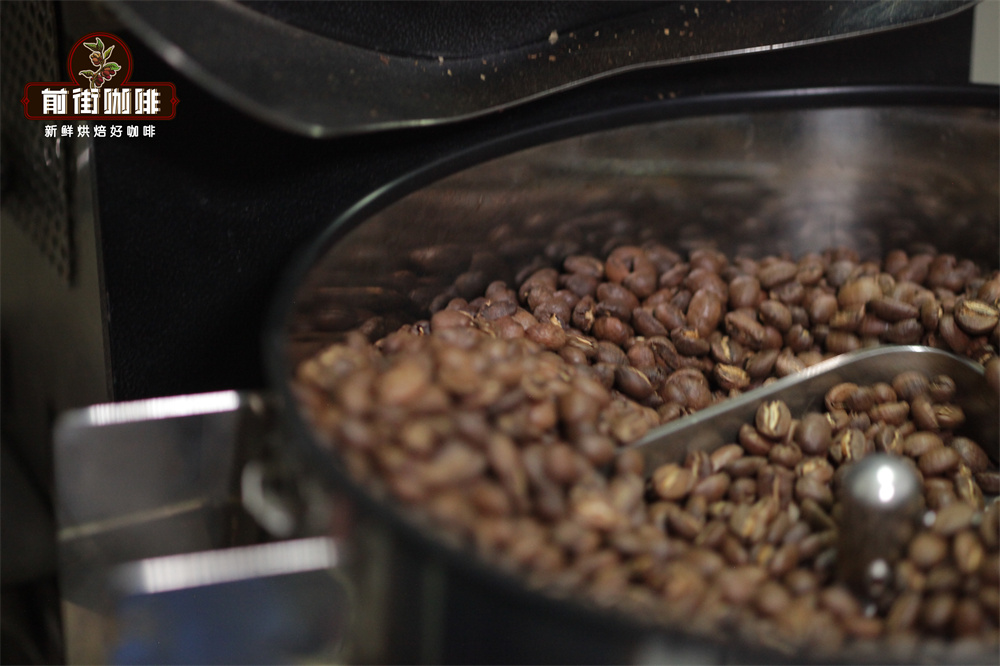
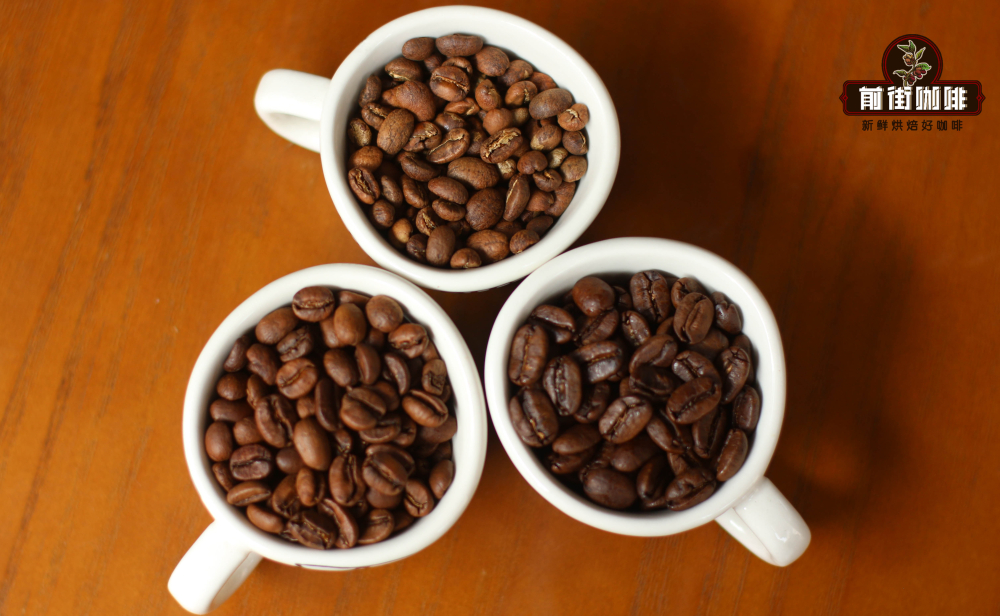
Light roast (Agtron #85–95) is generally dropped from the roaster at the end of the first crack, when it is intense. The most notable characteristics of these beans arestrong fruity acidity and floral-fruity aromas.Common flavor descriptors include lemon, blueberry, and jasmine. The acidity is bright and lively, making it suitable for drinkers who prefer a refreshing taste. Medium-light roast (Agtron #75) is dropped just before or around the end of the first crack. Sweetness begins to emerge, and the balance between acidity and bitterness is relatively good. It’s a classic roast choice for many single-origin beans. For brewing, it is recommended to usea medium-fine grind (75–80% passing rate through a #20 sieve),with water temperature controlled at90-92°C[temperature value needed],
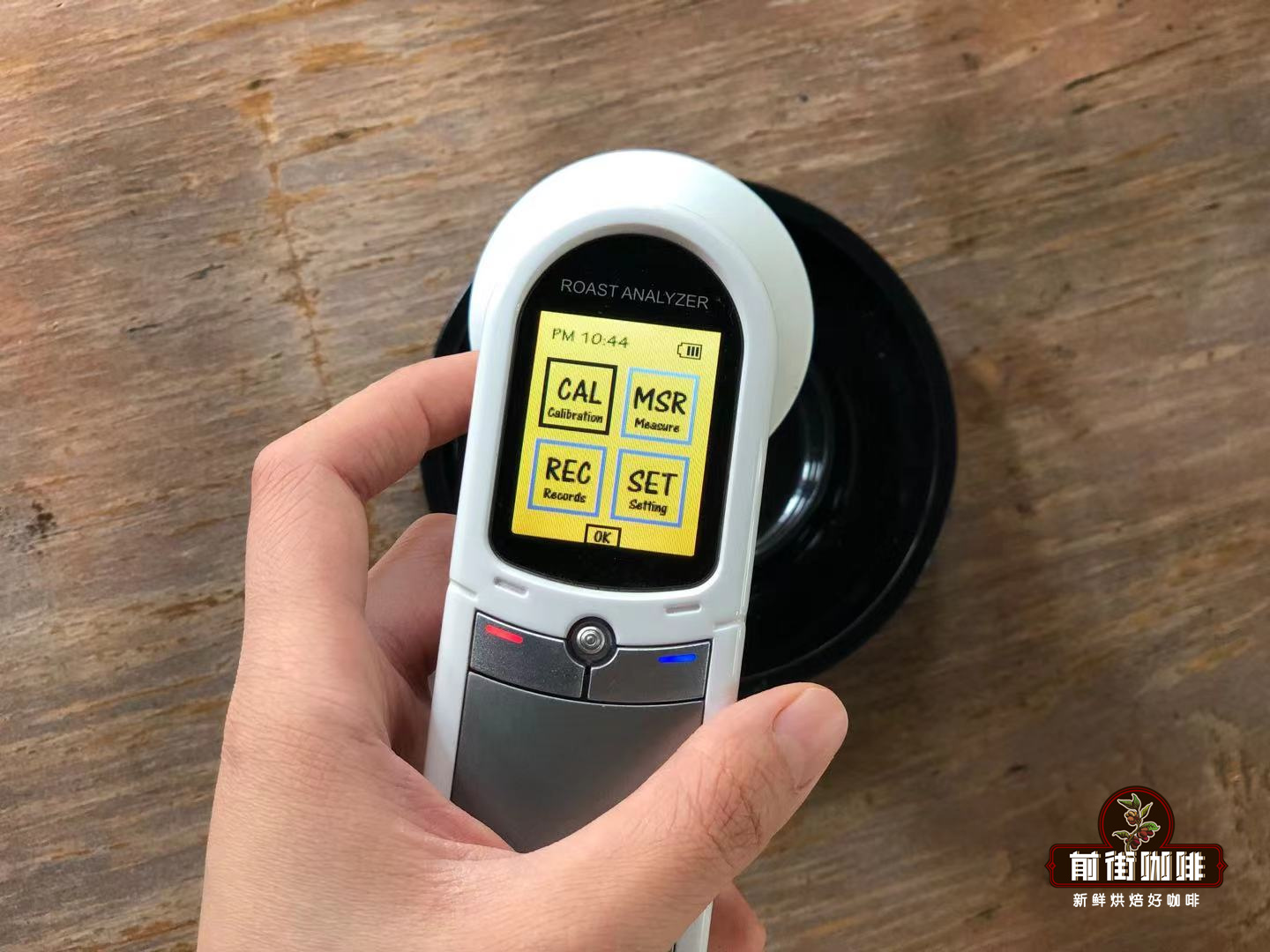
which can effectively extract delicate acidic and sweet compounds.Moving into the medium roast range (Agtron #65), beans are dropped after the first crack. The characteristics of this stage arenoticeable sweetness and balanced flavor.Common medium roast (Agtron #75) beans exhibit mild aromas such as nuts and caramel, while medium-dark roast (Agtron #55) is dropped at the start of the second crack, bringing a richer texture and moderate bitterness for support. For beans with this roast level, it is recommended to usea medium grind (65–70% passing rate through a #20 sieve),87-89°Cwith water temperature slightly lowered to
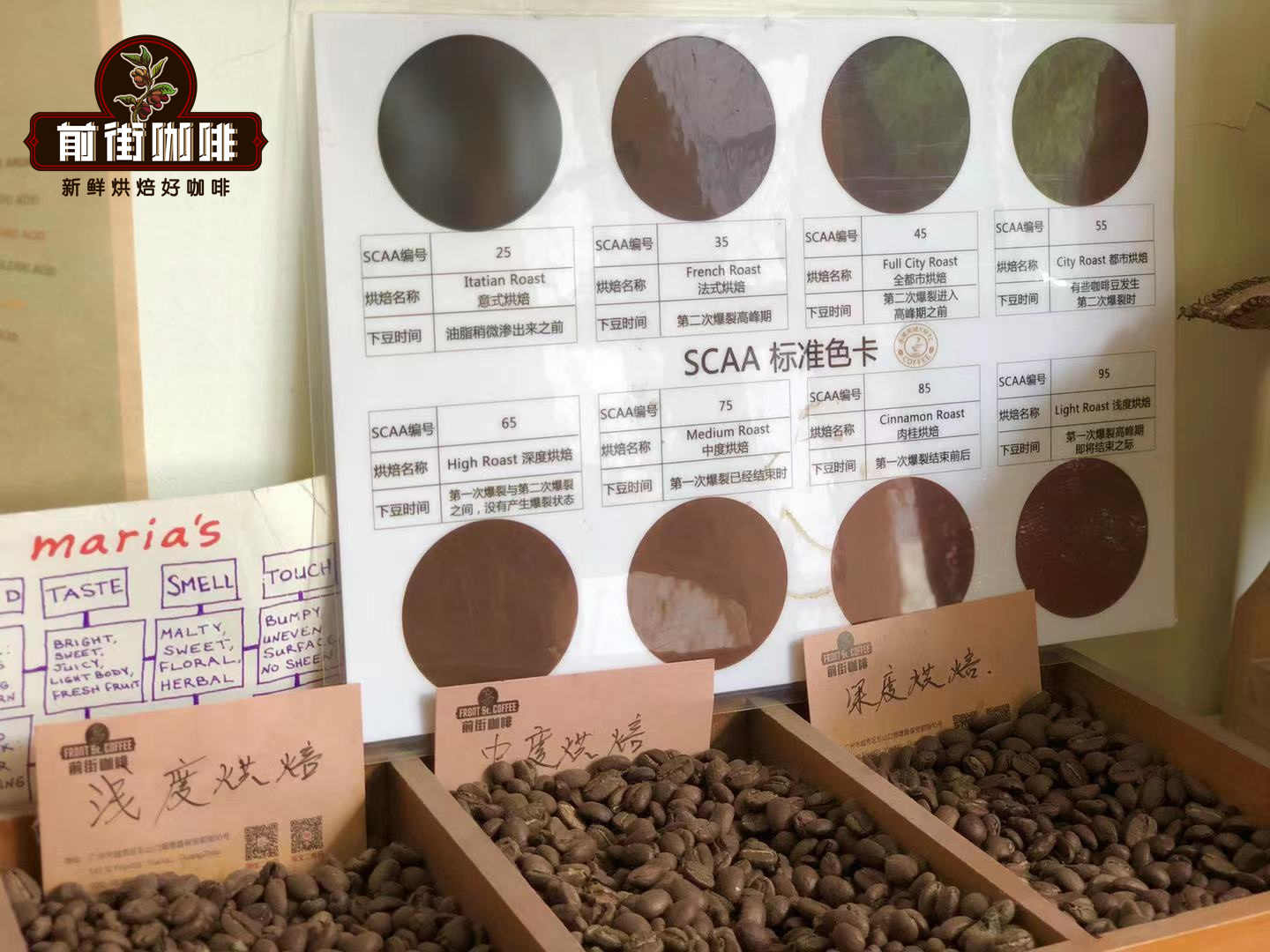
[temperature value needed],which can help avoid excessive extraction that leads to bitterness and astringency.Dark roast (Agtron #35–25) is divided into two stages: French roast (dropped during the dense second crack, Agtron #35) and Italian roast (when oils begin to emerge on the bean surface, Agtron #25). These beanshave rich and bold flavors,dominated by roasted aromas such as chocolate, smokiness, and caramel, with very low acidity. Special attention is needed when brewing. It is recommended to usea slightly coarser grindand
a lower water temperature (around 85–87°C),
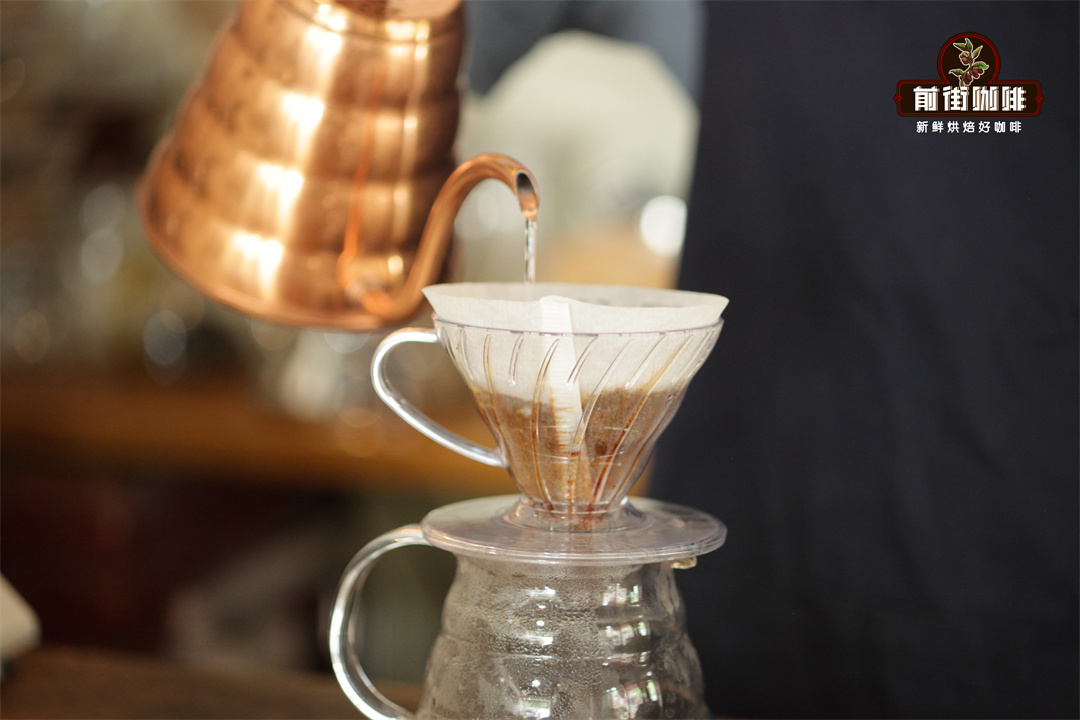
as well as shorter brewing time, to prevent over-extraction that could result in harsh bitterness.
The above content is compiled by CoffeeHunters, a coffee news website.

