








Introduction:Delve into the Golden Mandheling coffee beans produced in the Lidong region of Sumatra, exploring their unique wet-hulled processing method and suitable dark roast profiles. Learn how precise temperature control and timing can bring out the rich, layered caramel and spice notes. This article also provides practical three-stage pour-over techniques and recommended coffee-to-water ratios to help you fully unlock the potential of this classic dark roast bean.
Golden Mandheling coffee beans are renowned for their bold, full-bodied flavor and captivating caramel aftertaste, making them a top choice for many coffee enthusiasts experimenting with dark roasts. Sourced from the highland regions of northern Sumatra’s Lidong area at elevations of 1,100 to 1,600 meters, these beans benefit from the region’s humid climate and are processed using the wet-hulling method, which contributes to their distinctive flavor profile.

During processing, the coffee cherries are handpicked at peak ripeness and first undergo fermentation in tanks, allowing the sugars in the mucilage to fully break down and transform, enhancing the complexity of the flavors. Fermentation times typically range between 12 to 36 hours, adjusted slightly depending on weather and batch conditions. The beans are then sun-dried for 1 to 2 days until their moisture content drops to 35–40%, after which a hulling machine removes the parchment layer. They are subsequently sun-dried further until the moisture level stabilizes within the ideal range of 12% to 15%.
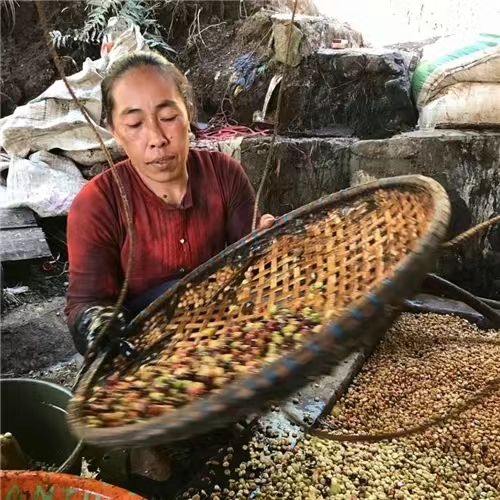
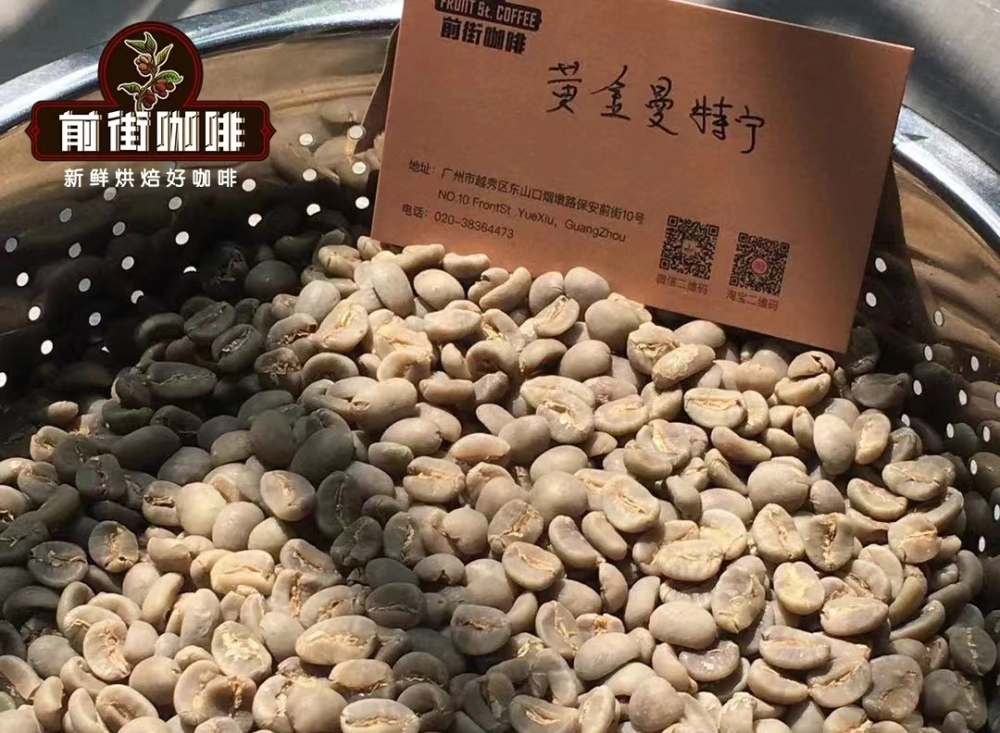
Due to the relatively high initial moisture content of these green beans, which differs significantly from common sun-dried beans, extra care is needed during the initial drying phase of roasting. It is recommended to close the roaster’s air vent immediately after loading the beans to allow for a 30-second preheat (bloom), then gradually adjust the air vent to an appropriate opening. Observe the beans change from green to light beige, then incrementally increase the air vent setting to ensure even heat penetration throughout each bean.
The goal of an ideal dark roast is to fully express the coffee’s flavors “from the inside out,” rather than merely aiming for an overly dark exterior. The caramelization reaction is one of the key factors influencing flavor development. When the beans reach the first crack at around six to seven minutes, the heat causes the sugars to convert into carbon dioxide and release a variety of aromatic compounds, including niacin, citric acid, and quinic acid, building a complex taste profile.
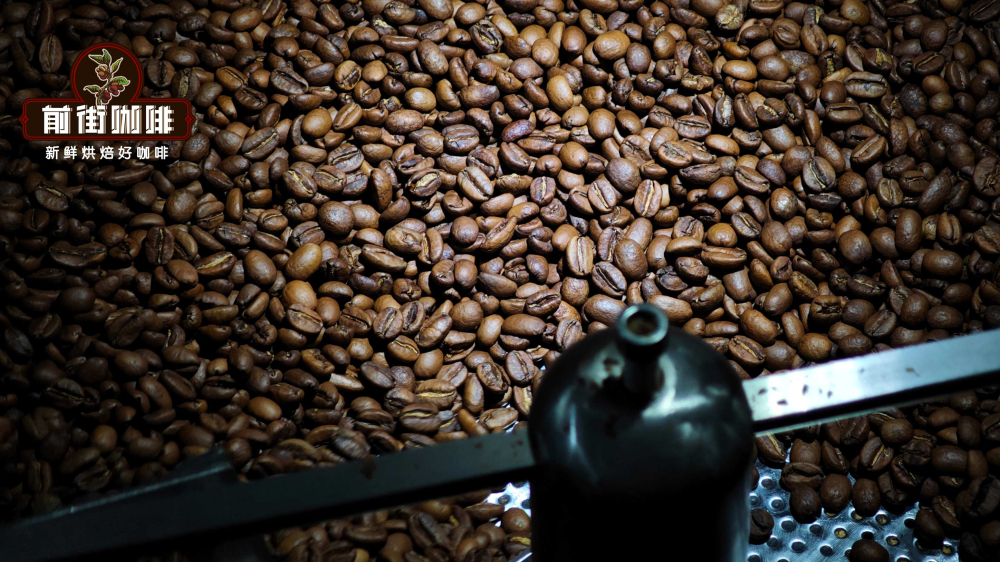
The recommended roasting temperature curve is as follows: start at 200°C with the air vent set to 3. After about 1 minute, reduce the heat to 160°C, maintaining a temperature of around 148°C as the bean surface gradually turns yellow and grassy notes fade—this marks the completion of dehydration. Then, adjust the heat to 140°C and the air vent to 4, continuing to roast until signs of first crack appear, and drop the beans at approximately 204.5°C. This stage balances sweetness and body while avoiding excessive carbonization that could lead to astringency or undesirable smoky notes.
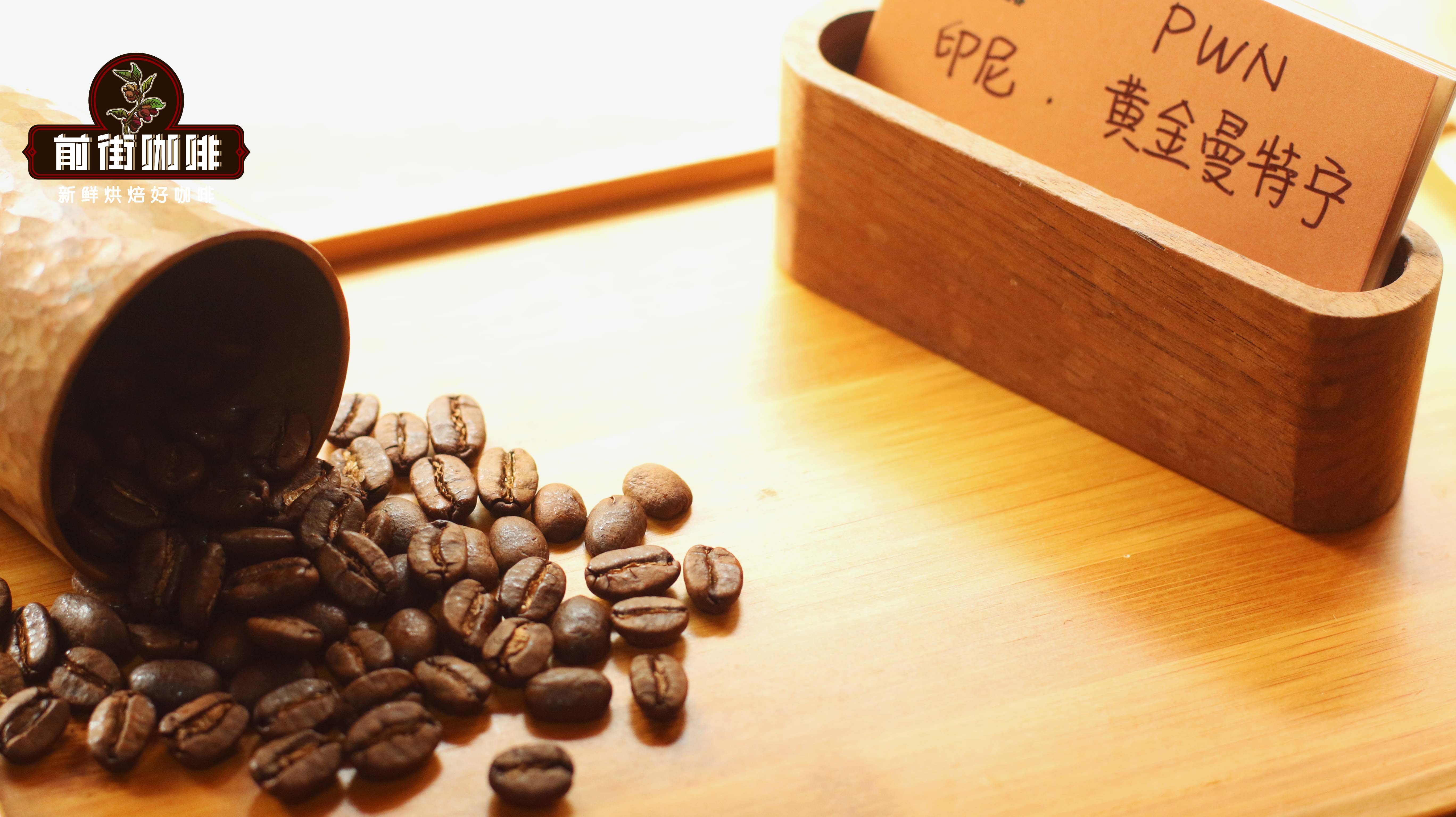
Golden Mandheling features a robust herbal base, distinct caramel sweetness, and steady acidity. Compared to other Mandheling beans from the Lidong region, it achieves good clarity and a sweet, smooth mouthfeel when roasted just before the start of the second crack, making it ideal for those who enjoy subtle spice notes. Roasting through the second crack further suppresses off-flavors and brings out a deeper chocolatey and woody finish, offering a wider range of expressive possibilities.
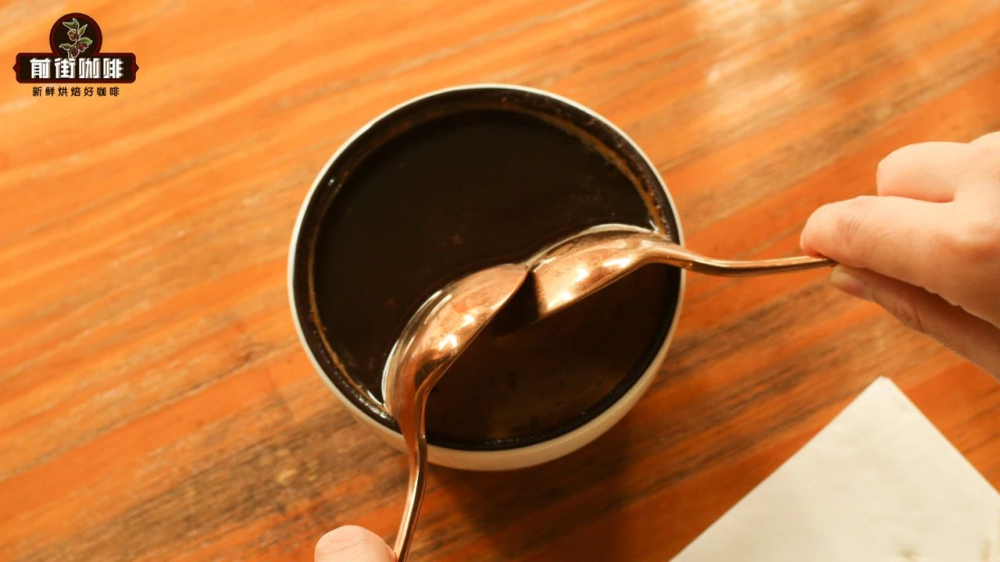
In terms of extraction, since dark roast beans have a looser structure, it’s recommended to use freshly roasted beans (ideally within 5 days post-roast) for optimal flavor performance. Coffee beans typically require 4 to 7 days of resting after delivery to reach their ideal flavor balance.
To avoid over-extraction of bitter compounds, it’s advisable to adjust the grind size to slightly coarser and use water at 88°C with a 1:15 coffee-to-water ratio (e.g., 15 grams of coffee to 225 milliliters of water). For a stronger, richer cup, the ratio can be adjusted to 1:13. In practice, using a KONO filter cone can help slow down the brew flow rate through its specially designed ribs, enhancing extraction concentration and body—perfect for highlighting the full texture of Golden Mandheling.
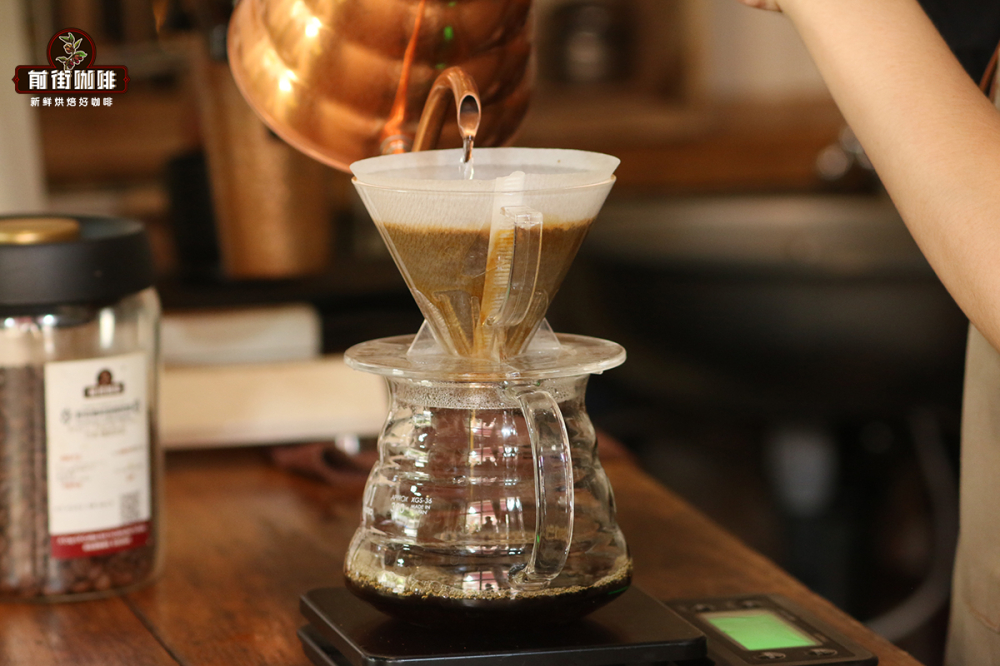
Recommended three-stage pour-over process: First, pour 30 milliliters of hot water for a 30-second bloom to activate the coffee grounds; second, pour 100 milliliters in a circular motion from the center outward; finally, pour another 95 milliliters in a similar circular motion. Maintain consistent water flow and even distribution throughout to help highlight the clarity and depth of the flavor layers.
The above content is compiled by CoffeeHunters, a coffee news website.

