








Introduction:Dark roast coffee beans are often misunderstood as being bitter and harsh, but by mastering the right brewing techniques and parameters, their rich, full-bodied cocoa, caramel, and nutty notes can truly shine. This article provides a detailed guide to the pour over method tailored for dark roast beans, including grind-to-water ratio, time control, filter choice, and pouring techniques. It also recommends several high-value dark roast beans with unique flavor profiles, helping you easily brew balanced and layered black coffee.
With their intense and bold characteristics, dark roast coffee beans have long been a favorite among many coffee enthusiasts. Through higher roasting levels, these beans undergo more caramelization inside, resulting in a diverse range of flavors such as chocolate, caramel, spices, cocoa, and even woody notes. From an olfactory perspective, dark roasts often exude low acidity with a thick, rich caramel aroma, interwoven with hints of spices and charred scents, making them highly appealing to those who prefer a strong-tasting cup.
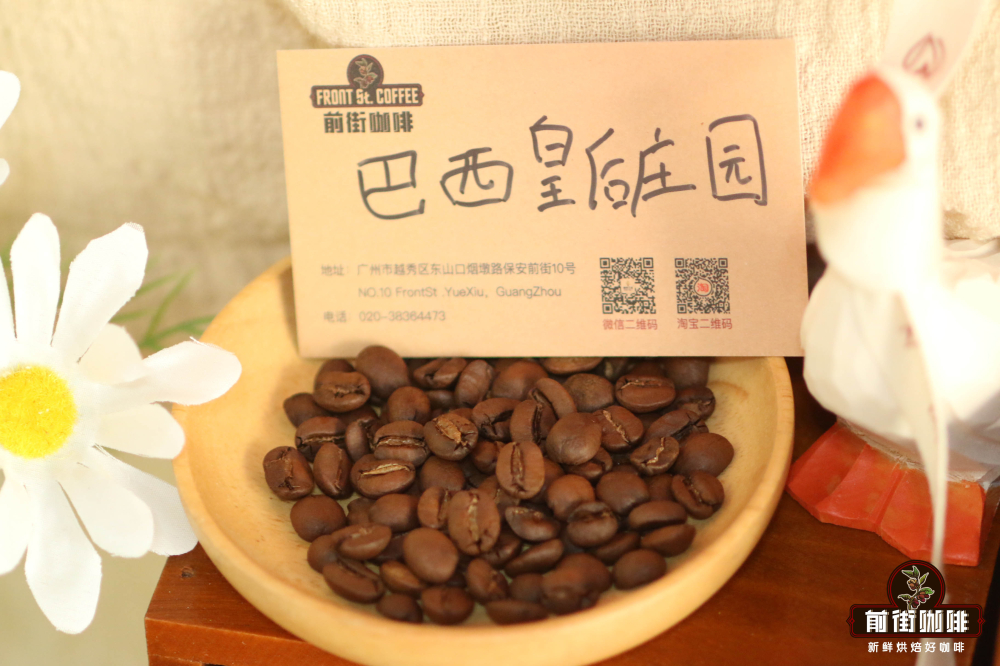
However, many people worry about ending up with overly bitter coffee when attempting to pour over dark roast for the first time. In reality, as long as the right extraction parameters and techniques are applied, dark roast beans can also deliver a rich and balanced flavor. This article will walk you through how to brew a full-flavored yet non-bitter dark roast black coffee using the pour over method, including a recommended selection of beans that suit the characteristics of dark roasts.
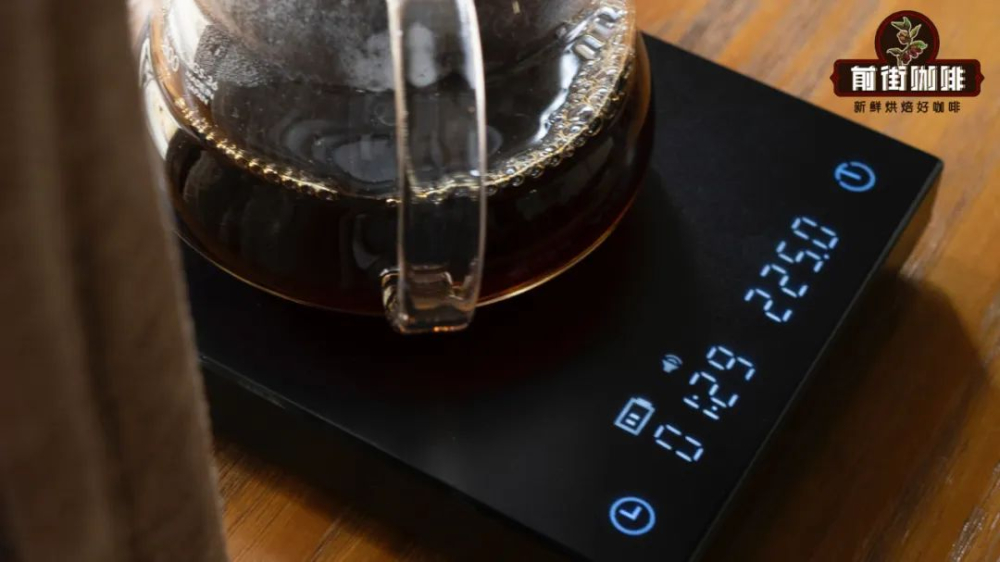
Let’s start with the grind-to-water ratio. For dark roast coffee, it is recommended to maintain a ratio between 1:14 and 1:15. This range ensures a moderate concentration and a full-bodied taste.If the ratio exceeds 1:15, too much water can dilute the overall flavor of the coffee, resulting in a thin body.Of course, personal taste varies—those who prefer a milder coffee can try adjusting the ratio to 1:13–1:14, but be mindful of potential under-extraction due to improper time control.
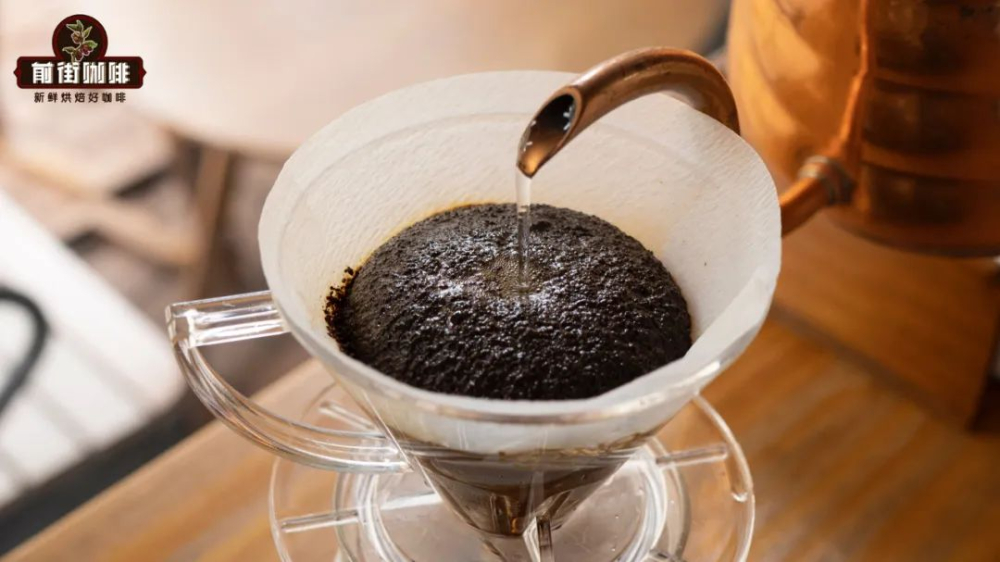
Next is managing the brewing time. When using medium to dark roast beans, the total brewing time is generally recommended to be around two minutes. If you’ve adjusted the grind-to-water ratio but still find the coffee tasting weak, it may be a sign of under-extraction.In this case, observe the actual brewing duration—especially if using more than 15 grams of coffee. If the brew time is only about 1 minute and 30 seconds, it could indicate that the grind is too coarse, causing water to flow through too quickly and thus reducing extraction efficiency.
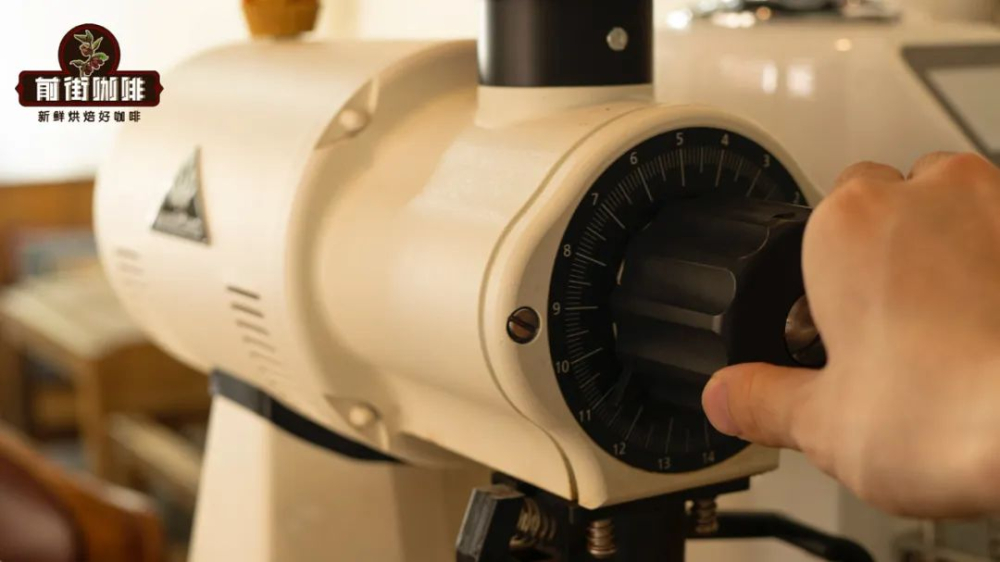
To improve this, adjust the grind to a slightly finer setting, extending the brewing time to between 2:00 and 2:30. This allows for more thorough extraction of aromatic compounds, resulting in a smoother and fuller mouthfeel.
The choice of filter also plays a significant role in how dark roast coffee performs. Many people are accustomed to using the V60 for various types of coffee, but its fast drawdown speed is not ideal for dark roasts. The V60’s rib design encourages quicker water flow, which is better suited for medium to light roasts—beans that require a finer grind to bring out complex layers. If the water flows too quickly through the filter, it can lead to over-extraction.
On the other hand, dark roast beans are inherently more porous, making their aromatic compounds easier to extract.Therefore, a relatively coarser grind is needed to lower extraction efficiency and avoid over-extraction.If you still use a fast-flowing filter like the V60 under these conditions, it may instead lead to under-extraction, affecting the overall body and complexity of the cup.
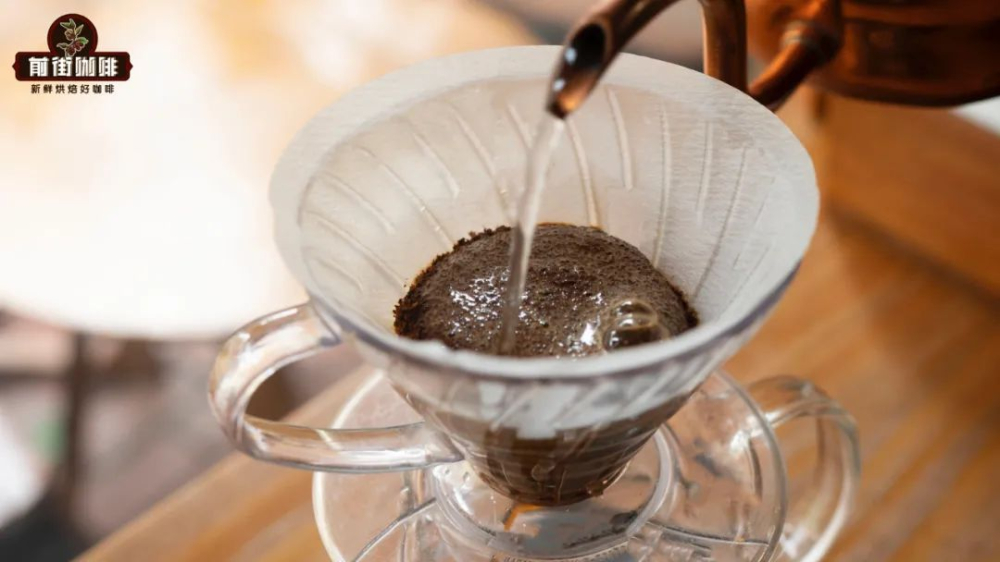
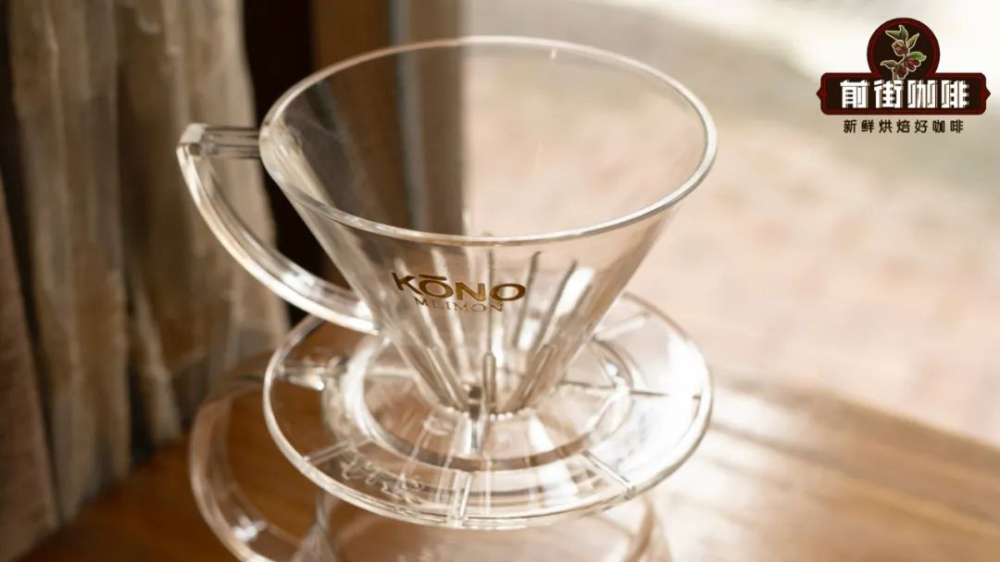
Thus, it is recommended to switch to the KONO filter for brewing dark roast coffee. The KONO’s ribs are located only on the lower half, a design that effectively slows down the drawdown speed and extends the contact time between coffee grounds and hot water. This helps fully extract the deep, rich flavors of dark roast beans, resulting in a brew that is fuller-bodied and more flavor-concentrated.
Finally, the pouring technique is another crucial detail that should not be overlooked. During the pouring process,you should try to avoid pouring water directly onto the walls of the filter.If the water stream remains in prolonged contact with the walls, it can cause the hot water to bypass proper extraction and flow directly into the server. This not only reduces effective extraction but also dilutes the already extracted coffee liquid, leading to a thinner overall flavor. It’s advisable to keep the spiral pouring focused on the center of the coffee grounds and minimize the number of times you wash the filter walls, ensuring every drop of brewed coffee is rich in layers and flavor.
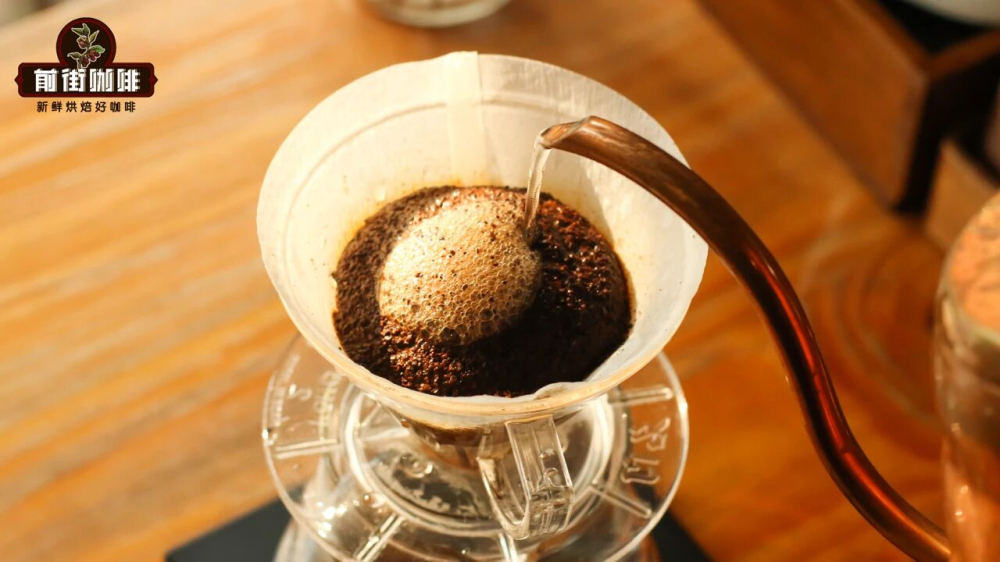
In summary, brewing a non-bitter and flavorful dark roast pour over coffee hinges on controlling the grind-to-water ratio, mastering the right brewing time, choosing the appropriate filter, and paying attention to your pouring method. With these fine adjustments, even dark roast beans—often perceived as intense—can reveal their captivating cocoa, caramel, and nutty profiles, delivering a rich and balanced black coffee experience.
The above content is compiled by CoffeeHunters, a coffee news website.


