







Introduction:Espresso is the soul foundation of classic drinks like lattes and cappuccinos, and selecting the right coffee beans directly impacts the final flavor performance. This article delves into five popular espresso blends on the market, covering a diverse range of styles from rich and bold to fruity and floral, while providing practical parameters such as roast level and crema performance to help beginners precisely match the needs of home espresso machines and easily craft professional-level espresso.
The espresso system is built around espresso as its core. Whether it’s Americano, latte, or mocha, their flavor layers all stem from the quality control of the espresso base. Coffee beans from different regions, due to differences in altitude and processing methods, exhibit unique acidity brightness, body, and aroma profiles. Single-origin beans are better suited for highlighting regional characteristics in pour over experiences, whereas espresso relies on scientific blending techniques—by coordinating the characteristics of different bean varieties, it achieves a triple optimization of crema stability, sweetness balance, and flavor layering.
For home use, we’ve selected five high-quality blend solutions that have been validated by the market. First up,the upgraded Mamba Base Blend, which introduces a small amount of Robusta into the traditional Indonesian Mandheling and Brazilian bean collaborative structure, significantly enhancing crema thickness and body support. It’s particularly well-suited for home semi-automatic machines that prioritize latte art performance. Its roast level is controlled in the medium-to-dark range, with recommended extraction parameters of 92°C water temperature and 9 bar pressure maintained for 25–30 seconds, maximizing the release of nutty and caramel flavors.
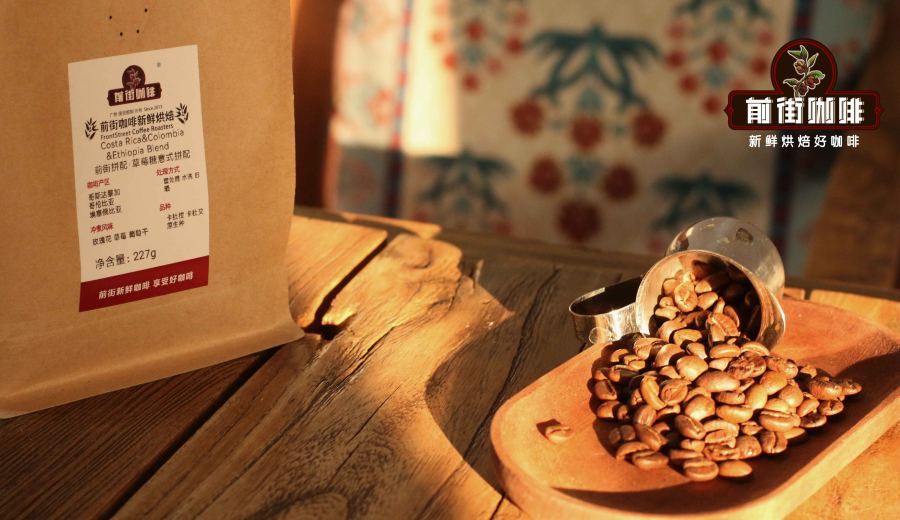
Users who prefer a fresher profile might want to trythe Berry-Flavored Oriented Blend, which uses Costa Rican honey-processed beans and Ethiopian natural beans as the main flavor pillars, paired with Colombian washed beans to balance the acidity-sweetness curve. The beans, roasted to a medium-light level, produce a bright acidity akin to strawberry taffy during extraction, complemented by dense crema to form a unique sweetness layer.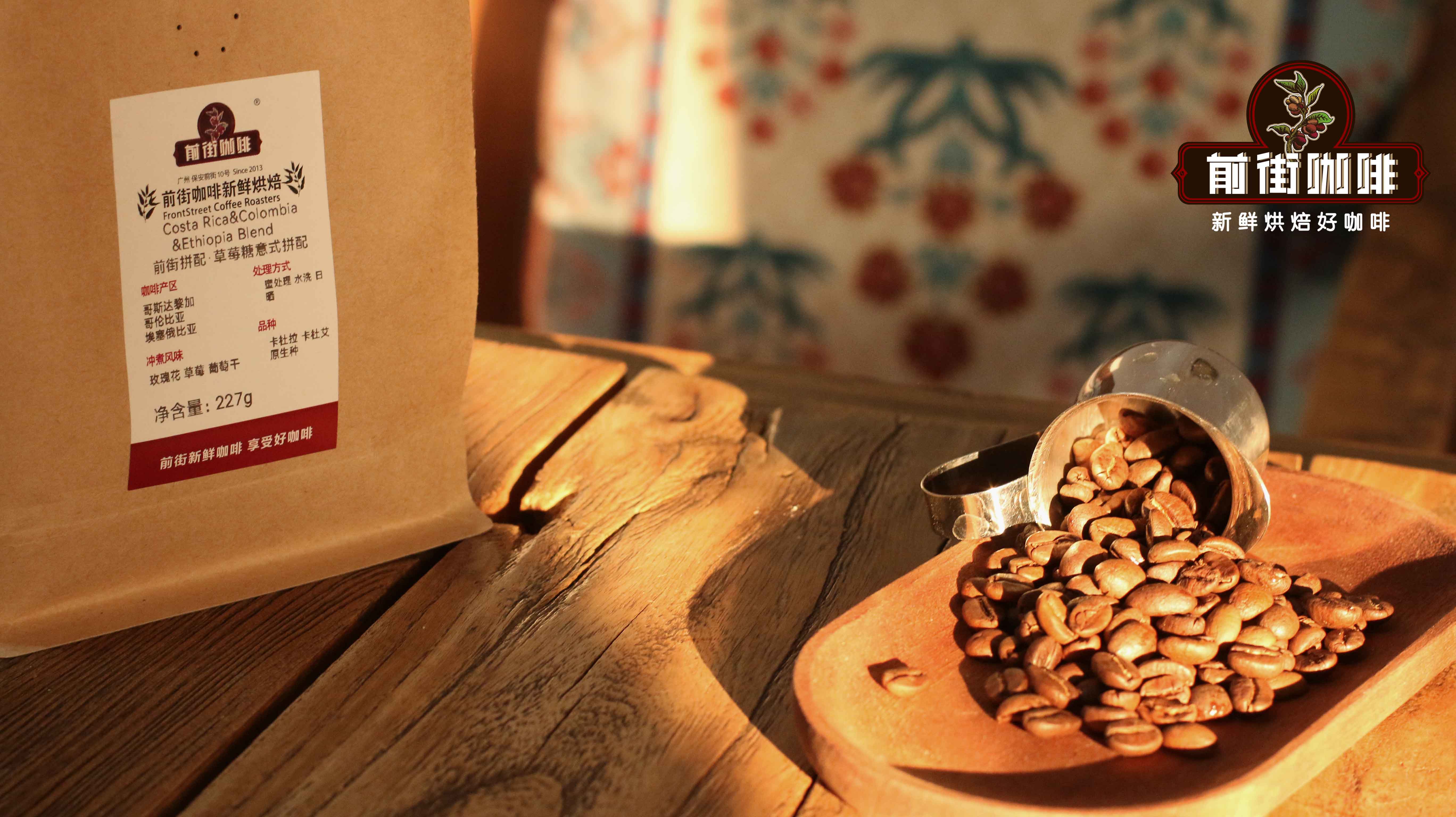 This blend is especially suitable as a base bean for Americano, and its berry notes become even more pronounced in cold brew.
For nut lovers,the Brazil-Colombia Dual-Origin Composite Blendis an unmissable choice. The Brazilian beans provide a roasted almond and chocolate base, complemented by the deep-roasted cocoa notes of Colombian beans. The overall roast level leans medium-to-dark, and after extraction, it presents a creamy cookie-like body. This recipe has a high tolerance for equipment variability—even if the pre-infusion time is slightly short, it can maintain stable flow rate. It is recommended that home users adopt a 1:2 coffee-to-water ratio for double espresso extraction to achieve a more robust caramel finish.
For those seeking commercial-grade replication,the Three-Origin Balanced Blendis worth attention. Through a golden ratio blend of Brazilian, Colombian, and Vietnamese beans, it achieves a dual breakthrough in crema longevity and cost-effectiveness. The medium-to-dark roasting process gives it the typical aroma of toasted bread, and its sweetness compatibility makes it suitable for various milk-based drinks, especially as a latte base bean. Note that this blend requires more precise adjustment of grind size—too fine can cause channeling and lead to sourness. It is recommended to use a 18–20g portafilter basket for standard double extraction.
For beginners,the Basic Flavor Blendis the top consideration. Its recipe design balances cost control with basic flavor requirements, featuring soft apple-like acidity as the leading note, transitioning into a mid-palate of dark chocolate and roasted nuts, with a caramel sweetness in the finish. Though positioned as economical and practical, it maintains stable crema performance. It is recommended that first-time users start testing with a 1:1.5 coffee-to-water ratio, then gradually adjust to their personal preference range. This blend has relatively lenient freshness requirements and can maintain over 80% of its flavor integrity within two weeks after opening.
The above content is compiled by CoffeeHunters, a coffee news website.

