







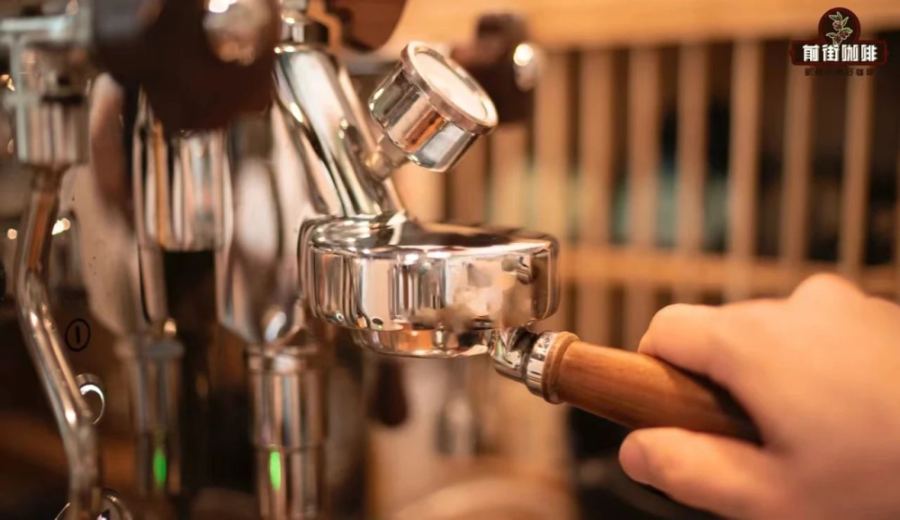
Introduction:To brew a rich yet balanced espresso with a semi-automatic coffee machine, selecting the right coffee beans and mastering the correct extraction parameters are key. This article introduces recommended medium-roast coffee beans suitable for espresso extraction for beginners, and explains in detail core settings such as dosage, coffee-to-water ratio, and extraction time, helping you get started easily, avoid common mistakes, and improve the success rate and flavor performance of each extraction.
Compared to pour over or other brewing methods, espresso has stricter requirements for the roast level, grind size, and extraction conditions of coffee beans. To quickly release flavors under high temperature and pressure, coffee beans usually need to be ground finer, but this also makes over-extraction more likely, resulting in bitter and unpalatable espresso. To improve your chances of success, it is recommended to choose medium to dark roasted beans; if you prefer less bitterness, medium roasted beans are a more beginner-friendly option.
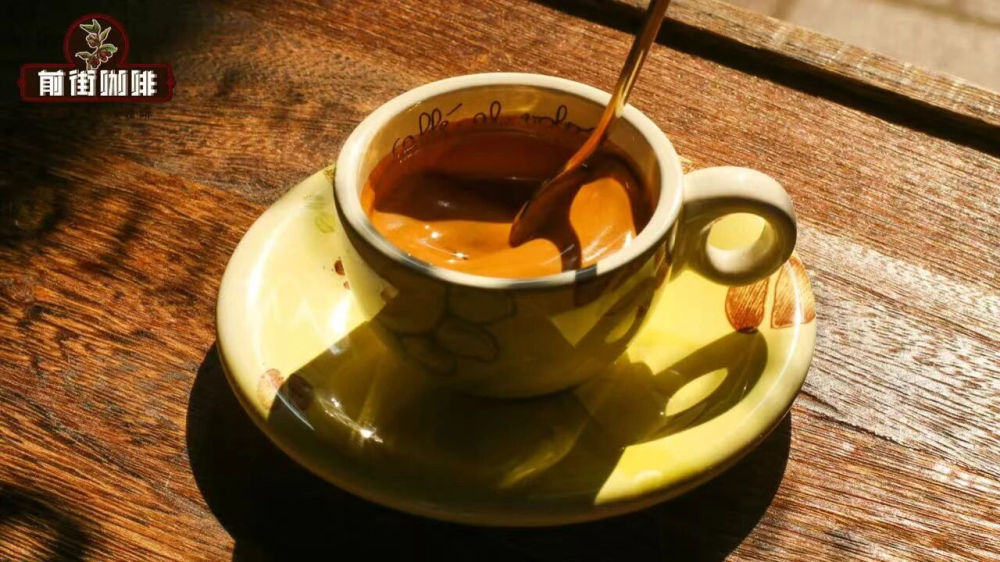
Below is a list of espresso bean recommendations suitable for semi-automatic coffee machines, compiled for beginners. These beans have a good reputation for both flavor performance and extraction stability.
First is a premium blend from a certain brand, sold in 454g bags for about 75 RMB, blending Colombian washed beans and Brazilian pulped natural beans. It offers clear flavor layers, often with lingering notes of nuts, dark chocolate, and caramel, making it suitable for everyday use.
A classic blend from a certain brand consists of Brazilian pulped natural, Indonesian Mandheling, and Vietnamese beans, sold in 227g bags for about 58 RMB. It has rich crema, a full and solid mouthfeel, and is a popular choice for many coffee beginners.
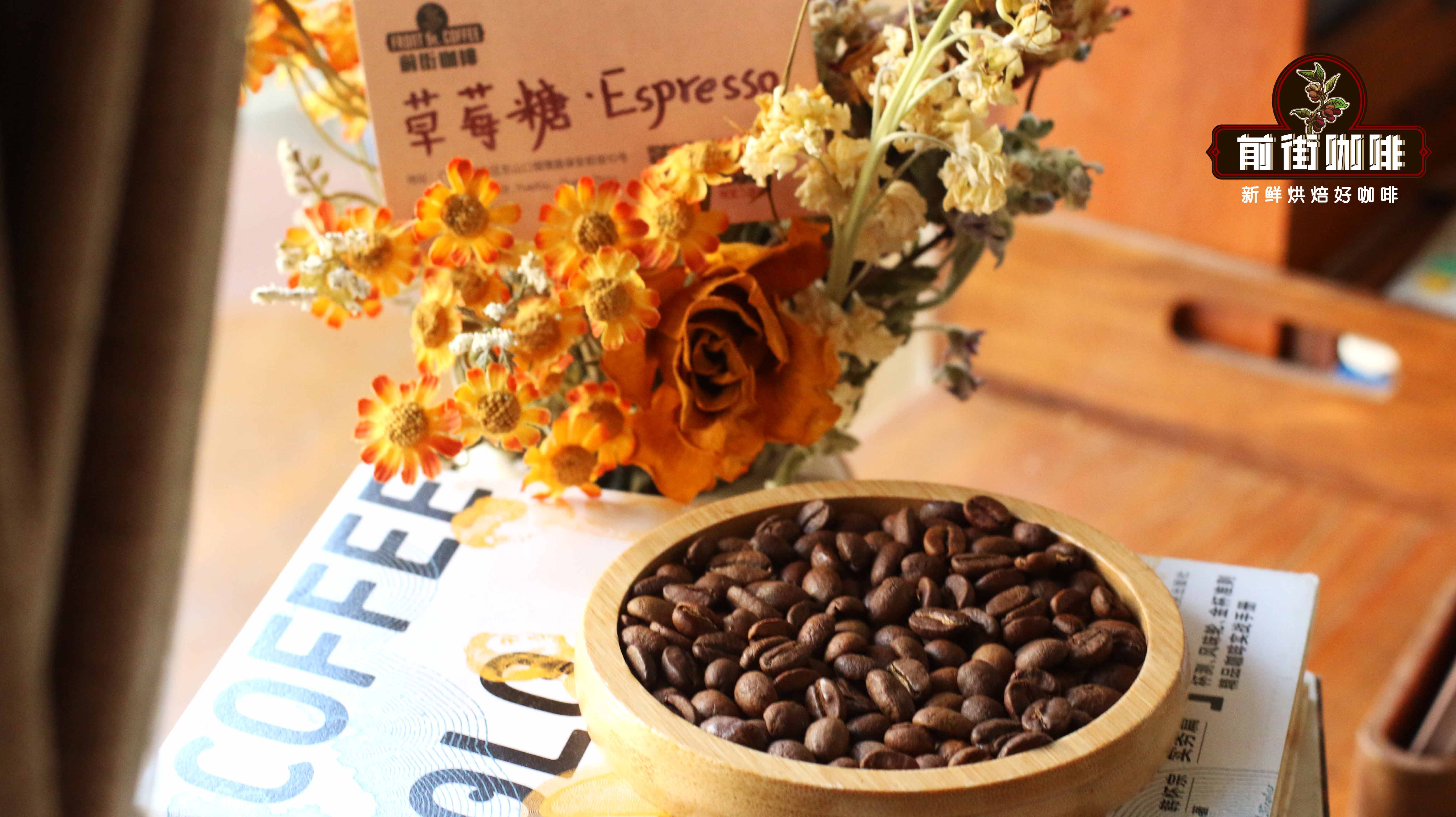
If you want to try an espresso with fruity notes, consider a certain brand’s Strawberry Sugar Espresso, sold in 227g bags for about 85 RMB, combining beans from Costa Rica, Panama, and Ethiopia. It delivers aromas of rose, strawberry candy, and glucose-like sweetness, with a balanced acidity and distinct layers.
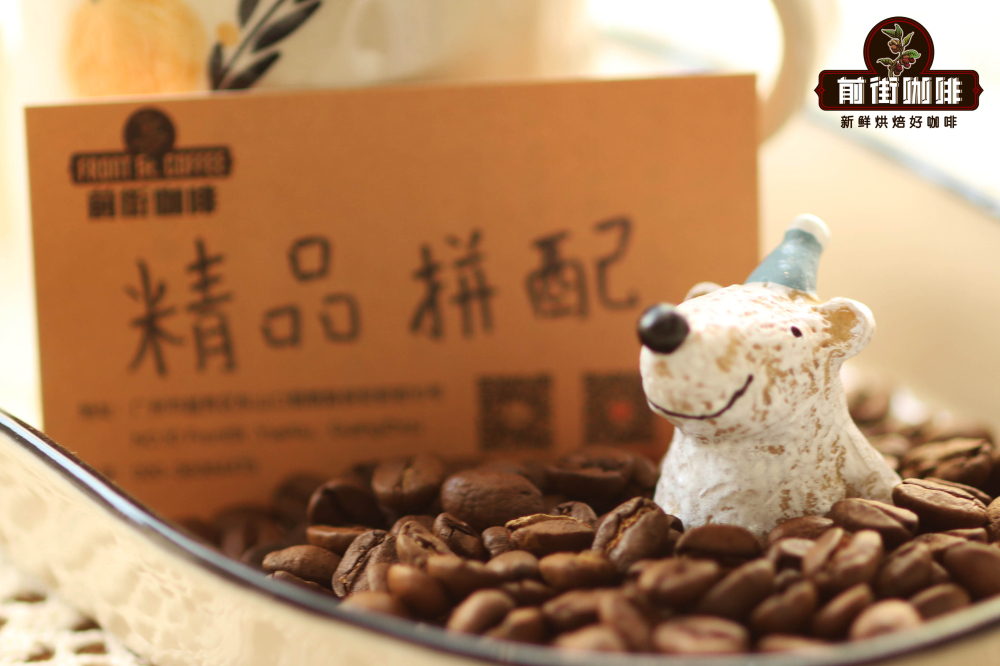
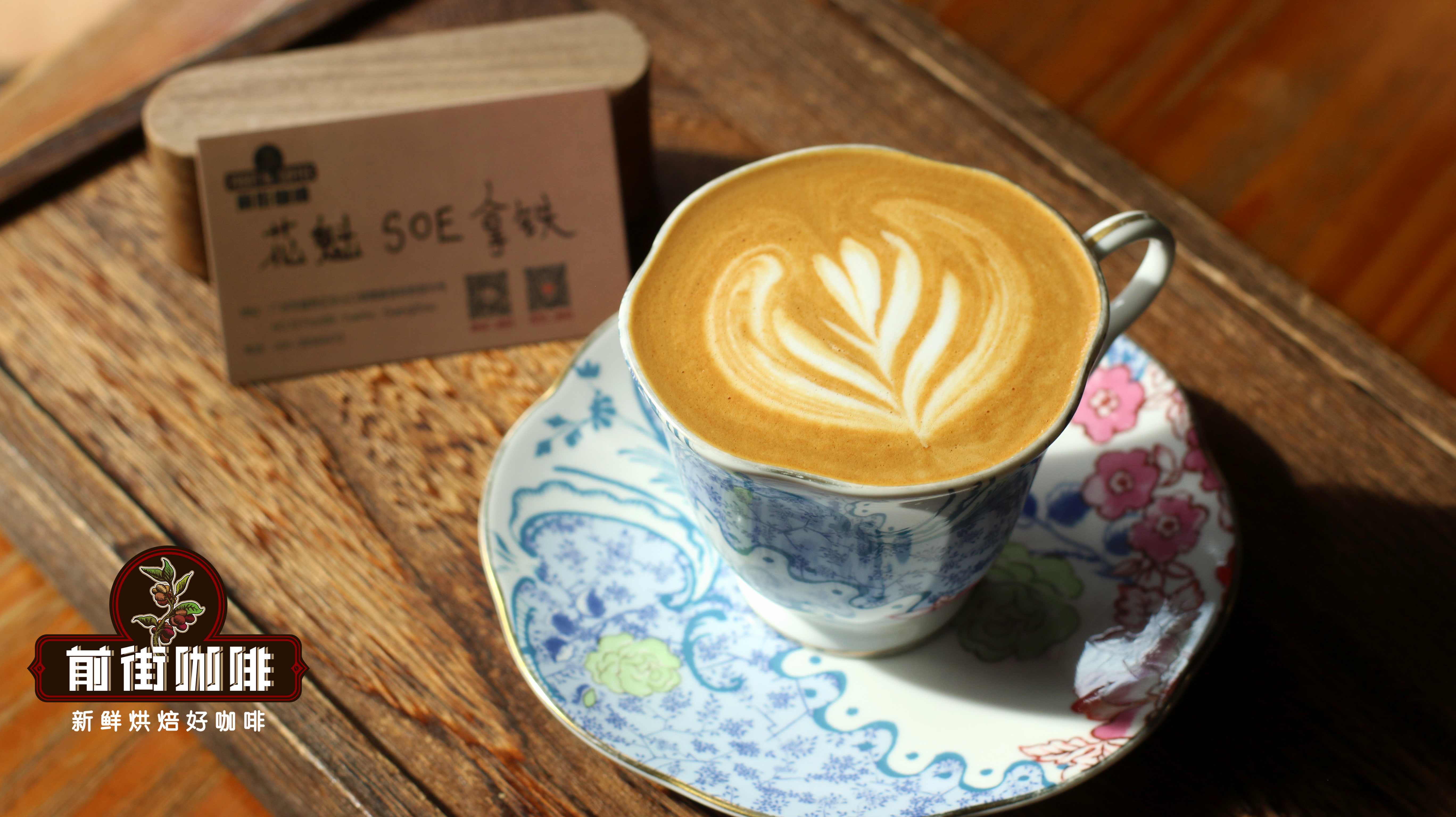
For coffee lovers who prefer single-origin flavors, a certain brand’s Huakui SOE coffee beans are a great option to try. Sold in 227g bags for 65 RMB, these beans come from Ethiopia’s Sidamo Huakui, classified as a single-origin (SOE) espresso bean. To suit coffee machine extraction, they are medium roasted to preserve floral and fruity aromas while maintaining a balanced espresso profile. With added water, it becomes a refreshing and tangy Huakui Americano; paired with fresh milk, it turns into an aromatic and sweet Huakui Latte, with a long-lasting aftertaste.
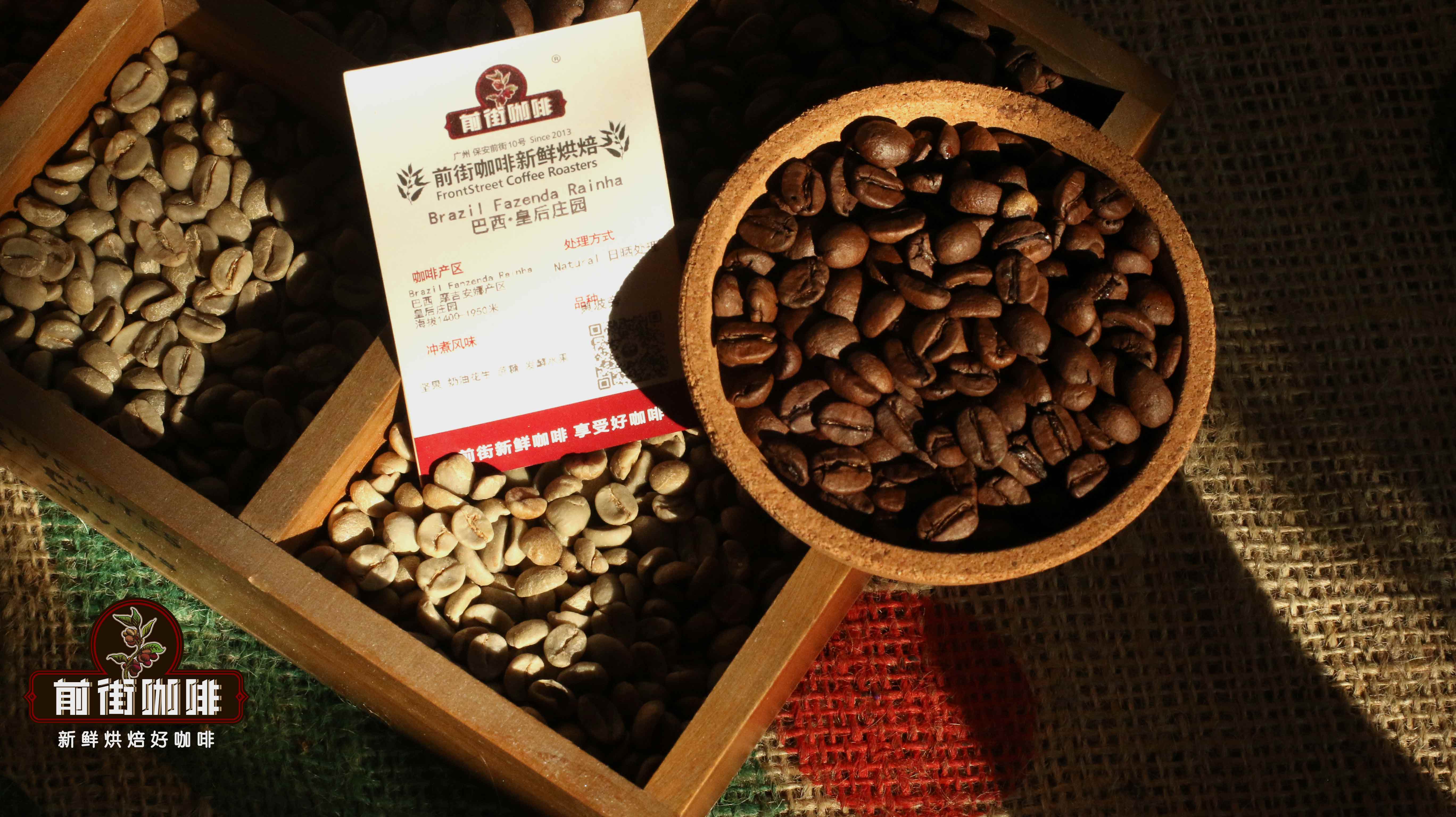
Another recommendation is a certain brand’s Queen Estate coffee beans, sold in 227g bags for about 85 RMB, sourced from the high-altitude Yellow Bourbon variety in Brazil’s Mogiana region. Due to recessive genes, the fruit exhibits a rare yellow color and typically features low acidity, full body, and oiliness. The brand uses a medium-dark roast to enhance creamy, nutty, and chocolatey notes, suitable for users seeking intense flavor and balanced characteristics.
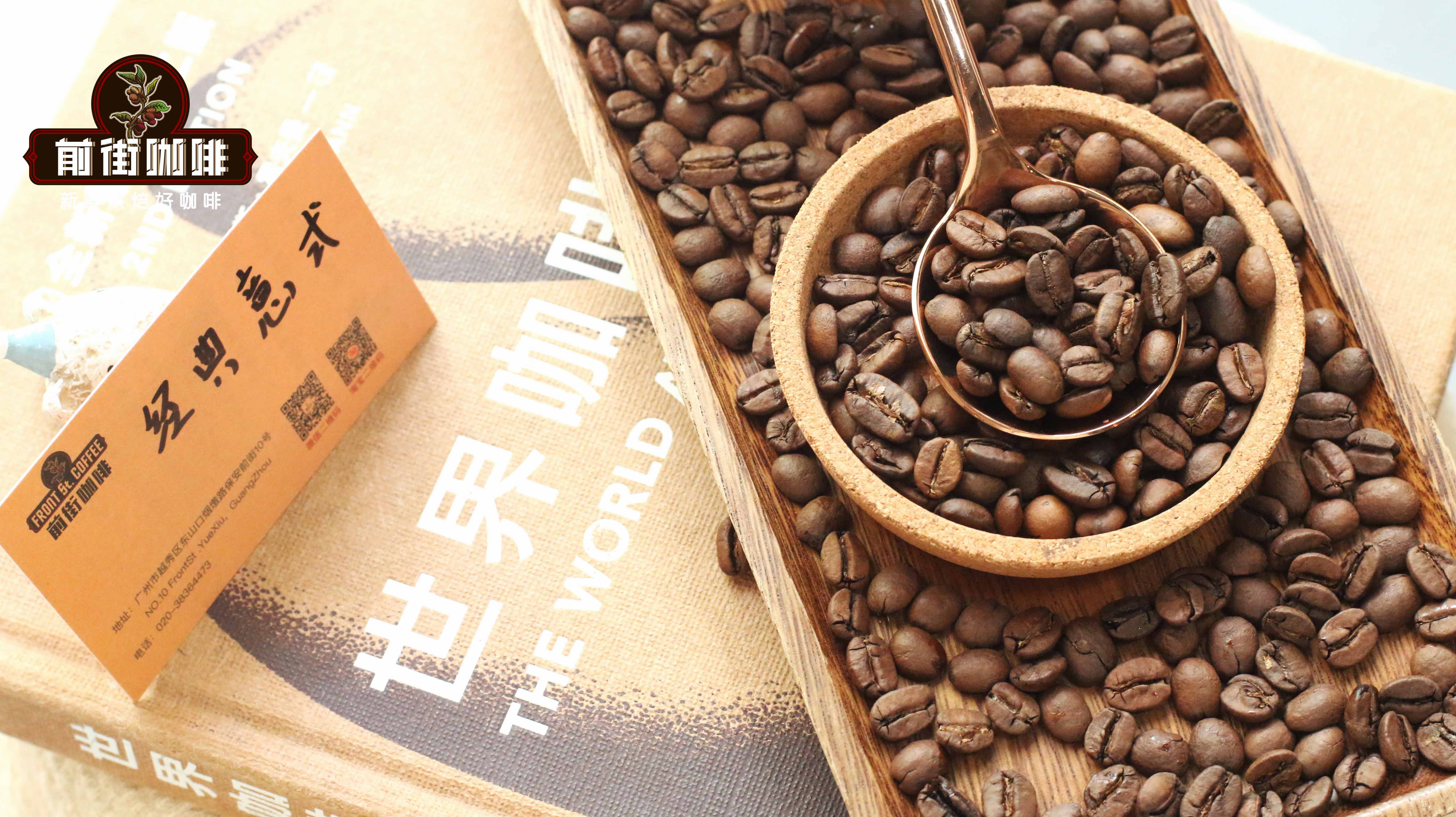
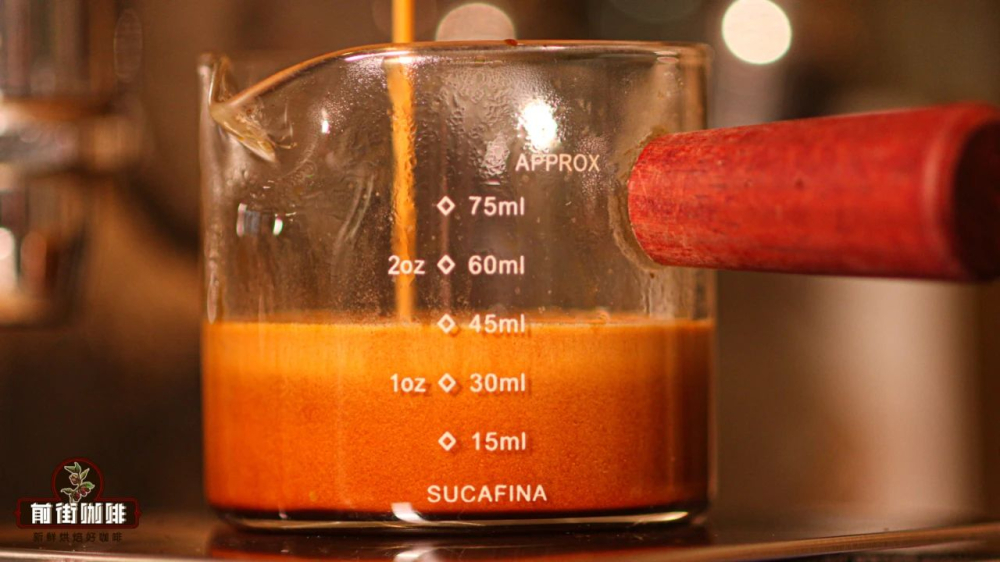
During actual extraction, there are several key espresso parameters to pay special attention to. It is generally recommended that the coffee dosage be between 18 and 22 grams, as the accuracy of the dosage greatly affects the extraction result. The most common coffee-to-water ratio is 1:2, meaning 18 grams of coffee grounds yield about 36 grams of espresso. Exceeding this ratio can easily lead to over-extraction and bitterness.
However, this is not an absolute standard. For example, some shops use 20 grams of coffee to extract 36 grams of liquid, resulting in richer and fuller flavors for Americanos or lattes. In practice, the liquid weight is recommended to be controlled within 1 to 3 times the dry coffee weight, with 2 times being the most commonly used range.
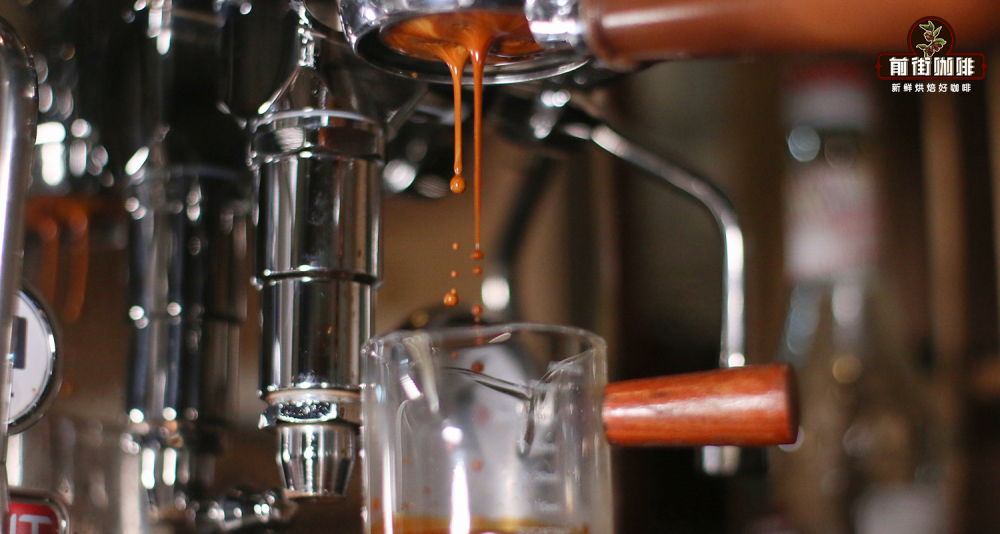
Extraction time is equally crucial. It is generally recommended to be between 25 and 35 seconds. If the time is too short, it may lead to under-extraction and weak flavor; if too long, over-extraction can occur, producing bitterness and dullness. The length of extraction time is mainly influenced by grind size, so it is recommended to adjust the grinder settings based on actual extraction results.
The most direct way to judge the quality of espresso is, of course, by taste, but for a more objective evaluation, a refractometer can be used to measure total dissolved solids (TDS), and then calculate the extraction percentage using the formula: (%TDS × extraction liquid weight) ÷ coffee powder weight = extraction percentage. This value helps understand extraction efficiency and flavor balance.
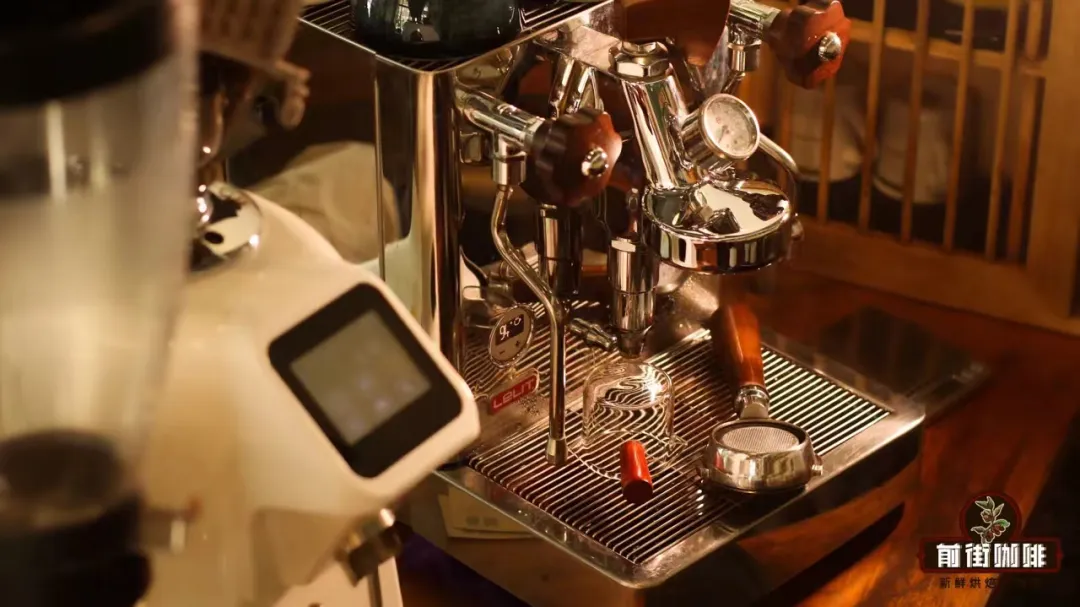
For beginners who have just started using a semi-automatic coffee machine, here are the basic steps for espresso extraction. Just follow them step by step to steadily pull a solid espresso shot:
Step 1: Wipe the portafilter basket with a clean cloth to ensure there is no residual moisture inside;
Step 2: Accurately weigh the coffee grounds, with an error margin preferably within ±0.1 gram;
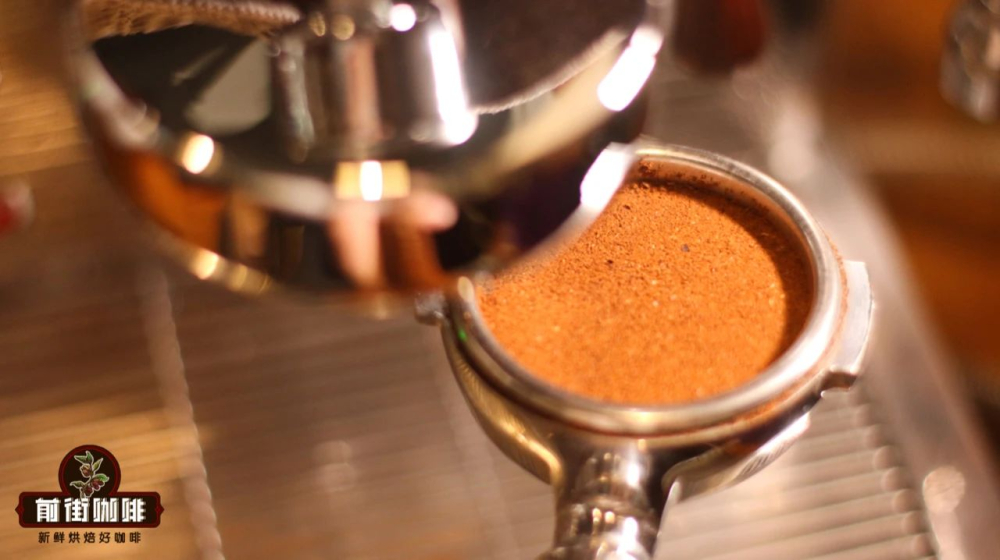
Step 3: Distribute the grounds evenly to create a level surface;
Step 4: Use a tamper to apply even pressure and ensure the coffee puck is compact;
Step 5: Lightly tap the handle to remove excess coffee grounds;
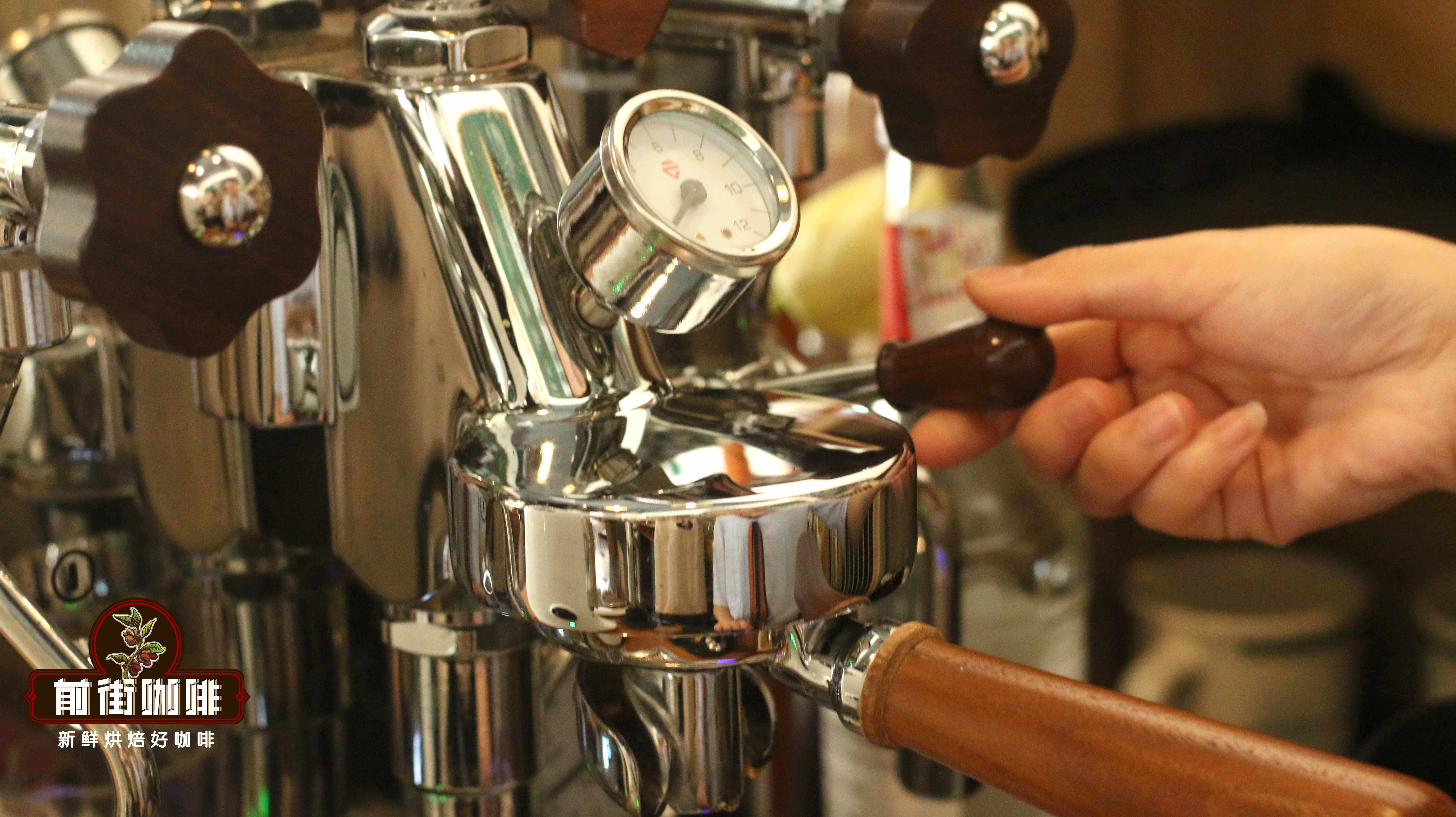
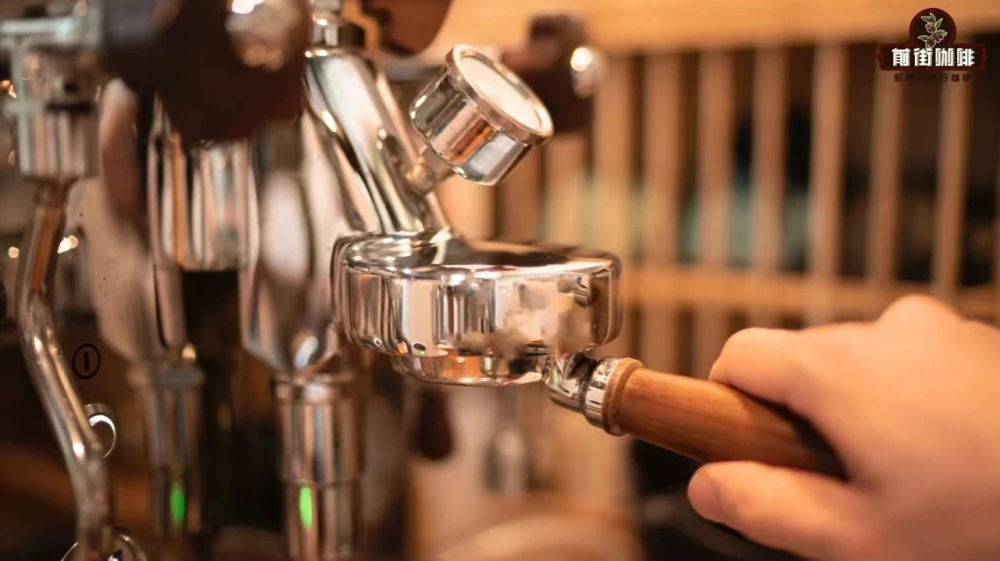
Step 6: Attach the handle to the machine and start extraction;
Step 7: After extraction is complete, remove the handle and immediately clean the group head to prevent residue from affecting the flavor of the next shot.
Based on practical experience, the recommended extraction parameter combination is: 20 grams of coffee, 40 grams of extraction, 30 seconds of time. This setup balances flavor performance and operational stability.
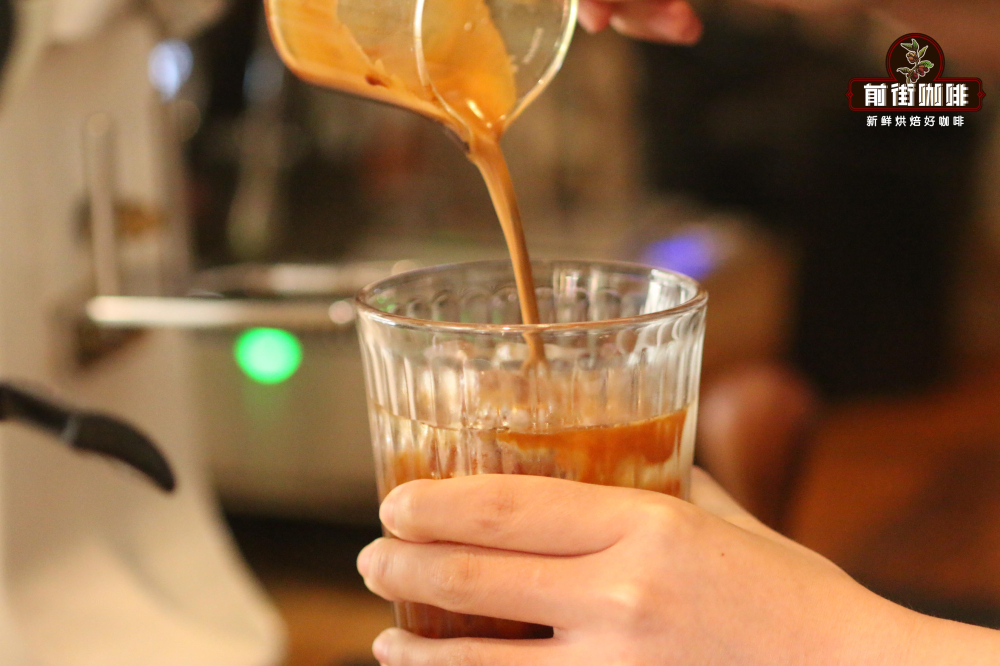
Once you’ve successfully pulled an espresso, if you want to create variations, simply add hot water, milk, or sugar. For example, to make a hot Americano, just prepare a 200ml cup, pour in 160ml of hot water, then add the extracted espresso to enjoy a rich and bold American-style coffee.
The above content is compiled by CoffeeHunters, a coffee news website.

