







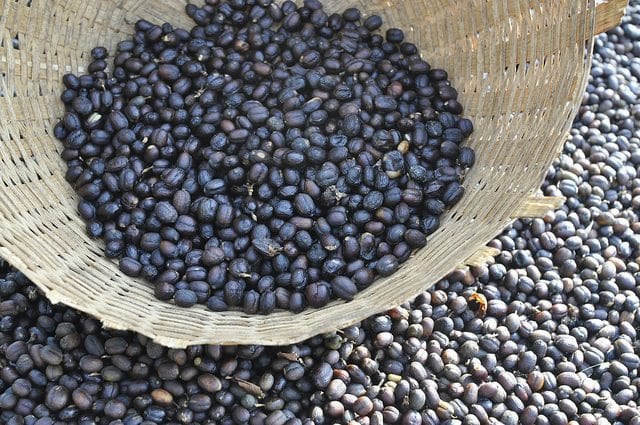
Introduction:The natural processing method is a common technique used for Ethiopian Yirgacheffe coffee beans, giving rise to their distinctive tropical fruit and wine-like fermented flavors. This article delves into the natural process workflow, its pros and cons, compares flavor profiles across regions such as Yirgacheffe and Guji, and provides practical medium-to-light roast pour over parameters and techniques to help you fully showcase the layers and aromas of natural beans.
Basic Concepts of the Natural Processing Method
The natural processing method is a traditional technique where the entire coffee cherry, complete with its pulp, is directly sun-dried. This process relies entirely on stable weather conditions, typically taking 3 to 4 weeks until the moisture content drops to 11%. This method preserves the sugars and flavor compounds in the pulp, resulting in coffee beans with intense, full-bodied, and distinctly sweet characteristics—forming a sharp contrast to the clean and bright acidity of washed processed beans or the balanced acidity and sweetness of honey processed ones.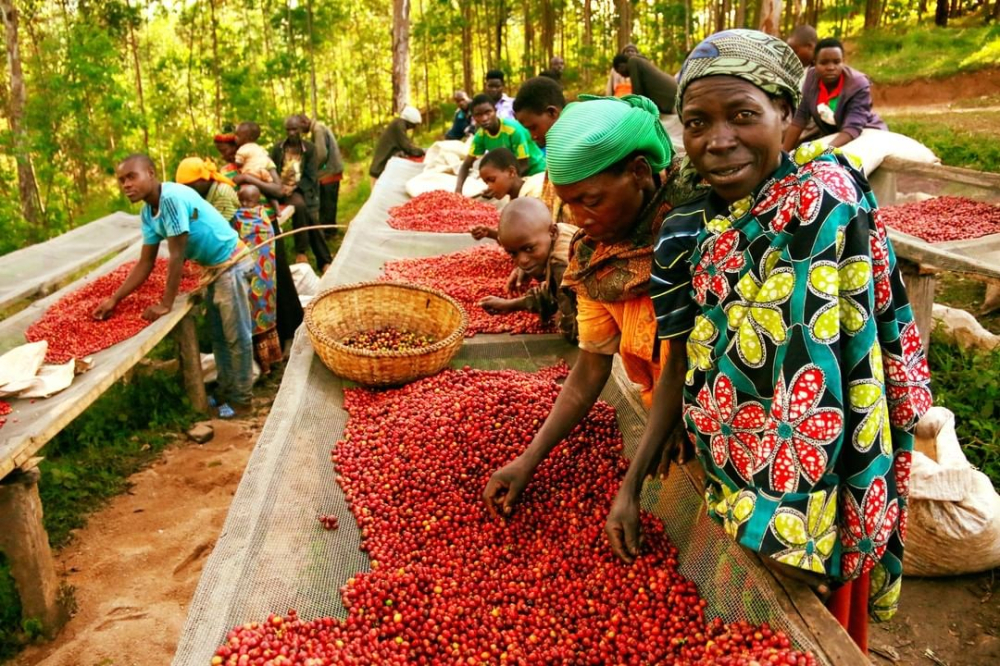
Compared to the washed process, which emphasizes cleanliness and consistency, and the honey process that strikes a balance between the acidity of natural and the sweetness of washed, the natural method better highlights the original fruity aroma and fermentation potential of the coffee cherry. Especially in high-altitude regions like Ethiopia, this natural processing approach can produce highly distinctive regional flavors.
A Detailed Breakdown of the Natural Processing Steps
The entire natural processing workflow begins with a rigoroussorting stage, where freshly harvested coffee cherries are manually sorted to remove underripe, overripe, insect-damaged, or visibly defective fruits, ensuring only high-quality cherries proceed to the next stages. Next comes the lengthydrying phase, during which the coffee cherries are evenly spread out on raised beds, tarps, or concrete surfaces. Throughout this period, they must be regularly turned to prevent mold, while moisture content is closely monitored.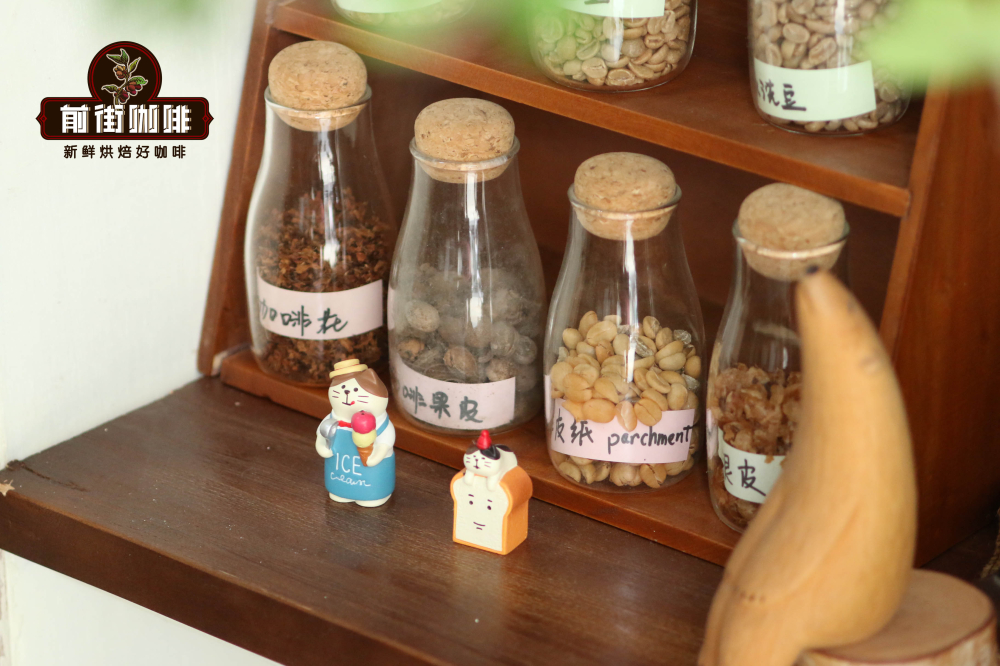
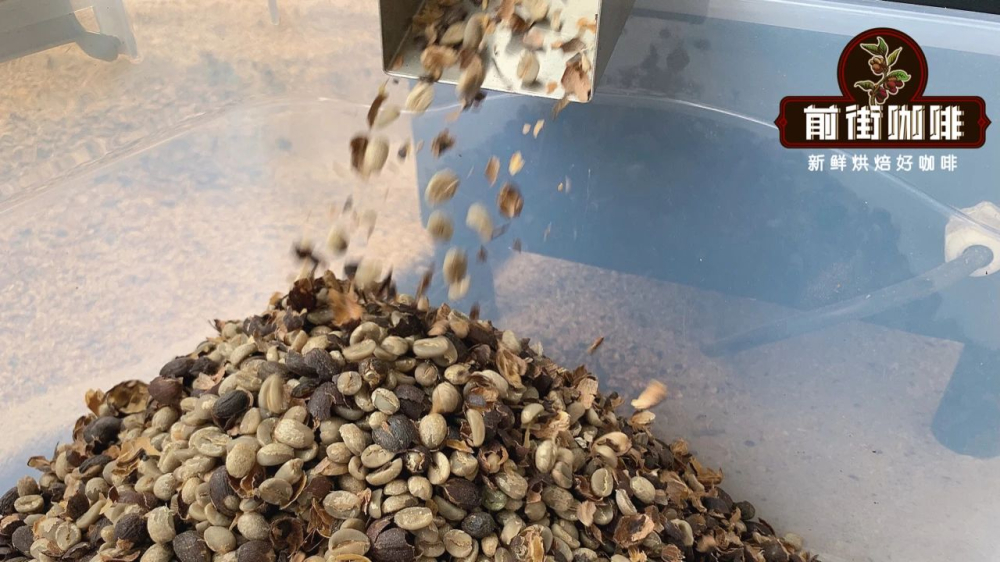
Once the target moisture level is reached, the cherries are transported to the processing facility forpulping and hulling, where the outer pulp, mucilage, and parchment layers are removed. Polishing may also be applied to enhance bean appearance. Finally, the green beans are sorted and graded again to eliminate unevenly dried or visually poor beans, ensuring product quality consistency before being stored and prepared for export.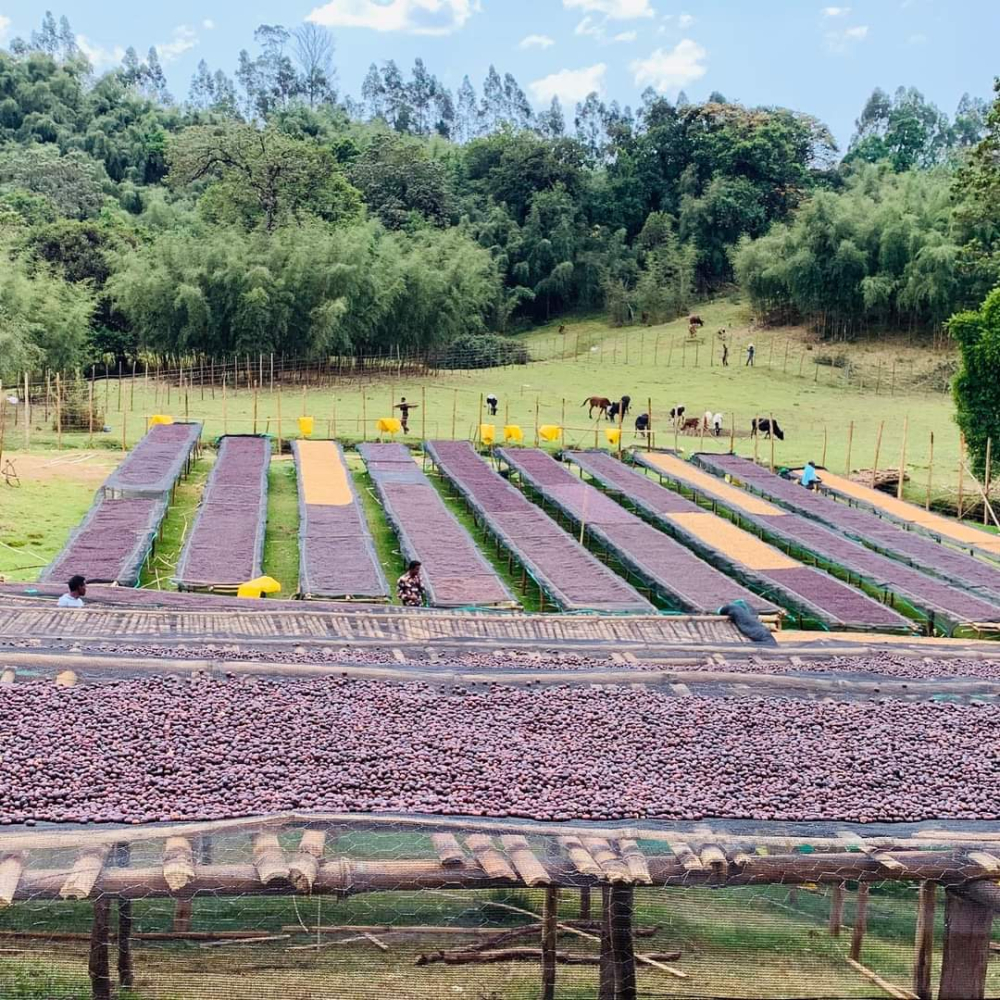
Advantages and Limitations of the Natural Processing Method
The greatest advantage of the natural method is that itrequires minimal water, needing only small amounts for initial quality checks, making it especially suitable for water-scarce regions. Moreover, through careful sun drying and manual selection, the risk of contamination is significantly reduced, yielding many high-quality natural coffee beans. However, this method heavily depends on stable weather conditions. Rainfall or unsanitary environments during drying can easily lead to mold or spoilage, negatively impacting flavor and grade classification—often leading to the misconception that natural beans are of inconsistent quality.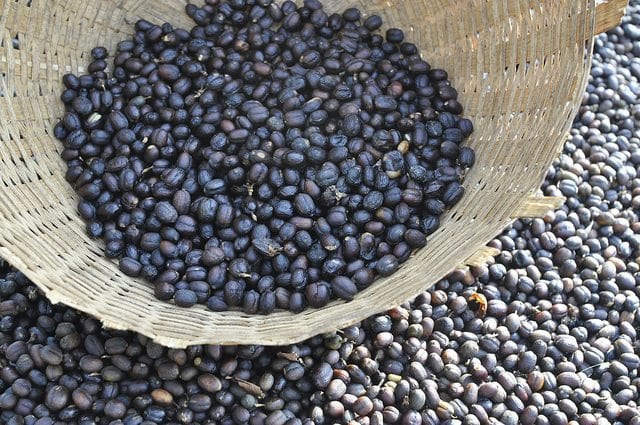
Flavor Characteristics of Yirgacheffe Natural Beans
Although natural processed coffee beans may appear uneven in color, their flavors are often rich and layered, frequently showcasing distinct winey fermentation notes, sweet citrus tones, and honey or cocoa-like aftertastes. Ethiopia’s Yirgacheffe and Sidamo regions are representative areas for natural processing, where Yirgacheffe’s natural beans tend to exhibit brighter fruity acidity and floral notes, while varieties from the Guji region—such as Guji Hambela's "Huigui" (translated as "Flower Queen")—may present a fuller blackcurrant and lemon tea character.
Taking popular products like “Red Cherry” and “Ethiopian Huigui” as examples, both use local native varieties and are naturally processed. The former highlights a profile of citrus, honey, and cocoa, with a long-lasting finish; the latter showcases a rich blackcurrant juice flavor and an Assam-like tea note, with a continuous sweet sensation, making them classic choices for experiencing natural coffee flavors.
Brewing Recommendations and Parameter Settings
To fully bring out the unique fermented aromas and fruit acid layers of natural beans, it is recommended to usemedium-to-light roastingand a pour over method with good airflow, such as the V60. The ideal brewing water temperature is 90–91°C, which effectively extracts tropical fruit aromas and clear acidity, avoiding overly sharp or under-extracted flavors due to insufficient heat. The grind size is advised to be around the fineness of granulated sugar (approximately 80% through a #20 sieve), paired with a 1:15 coffee-to-water ratio to balance richness and clarity of flavor.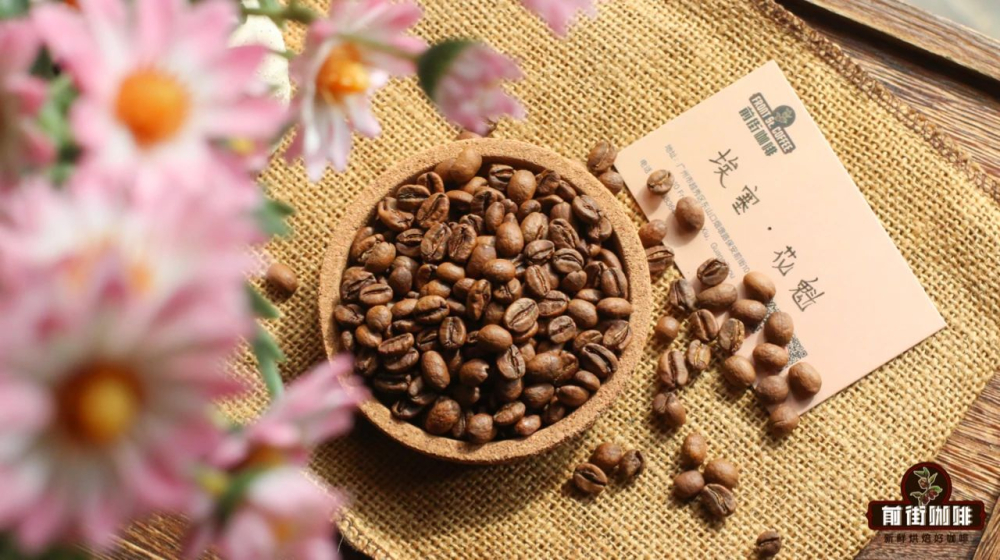

Practical Pour Over Parameters and Technique
It is recommended to use 15 grams of coffee, starting with a 30-second bloom using 30 grams of water to activate the grounds. Then pour 95 grams of water (totaling approximately 125 grams) by around the 1-minute mark. Finally, when the water level drops to two-thirds of the coffee bed, pour the remaining 100 grams (totaling about 225 grams), aiming for a total brew time of around 2 minutes and 4 seconds. This parameter setup helps highlight the fruitiness, sweetness, and full body of natural beans, making it ideal for coffee enthusiasts who appreciate complexity and aroma.

The above content is compiled by CoffeeHunters, a coffee news website.

