







Introduction:As Ethiopia’s most iconic coffee-growing region, Yirgacheffe is renowned for its distinctive bright acidity and fresh, fruity flavor profile. What are the flavor differences brought by washed and natural processing methods? How should roasting and pour-over parameters be adjusted based on the processing method? This article delves into the craftsmanship characteristics of both processing methods, the differences in appearance of roasted beans, and provides professional roasting recommendations along with V60 pour-over parameters to help you fully master the brewing secrets of Yirgacheffe.
When it comes to Yirgacheffe, many coffee enthusiasts first think of its unique bright acidity and clean, refreshing flavor profile. Located on the eastern edge of the East African Rift Valley, this coffee-growing region, with its high-altitude environment of 1800–2000 meters and abundant water sources, has nurtured numerous unforgettable specialty coffees. In its early days, Yirgacheffe primarily used the washed processing method, which created its signature lemon-like acidity and delicate floral notes, making it a top choice for many who are new to specialty pour-over coffee. However, in recent years, the retro trend of natural processing has reignited discussions, prompting a reevaluation of Yirgacheffe’s diverse potential.
Looking back at history, before 1972, Yirgacheffe mainly used the traditional natural processing method. At that time, the Ethiopian government introduced washed coffee technology from Central and South America to improve coffee quality, gradually earning the region’s coffee international acclaim for its fresh and refined flavors. However, as specialty coffee culture evolved, coffee trader Adul Baghi introduced “Edido Natural Specialty Coffee Beans” in 2006, stunning the industry with its intense fermented fruit aromas and pronounced sweetness. This successfully rekindled interest in natural processing. Not only did this coffee win multiple international awards, but it also led the global specialty coffee community to reconsider Yirgacheffe’s natural processing potential.
In 2007, the natural processing trend reached its peak. In addition to Edido, naturals from Biloya and Aricha also performed exceptionally well. These beans, processed with meticulous natural methods, not only eliminated the off-flavors commonly found in traditional natural beans but also blended melon-like sweetness, berry acidity, and citrus floral notes, showcasing a richer complexity than washed processing. This trend completely changed the market’s stereotype of Yirgacheffe, proving that beans from this region—whether washed or natural—can exhibit unique flavor charm.
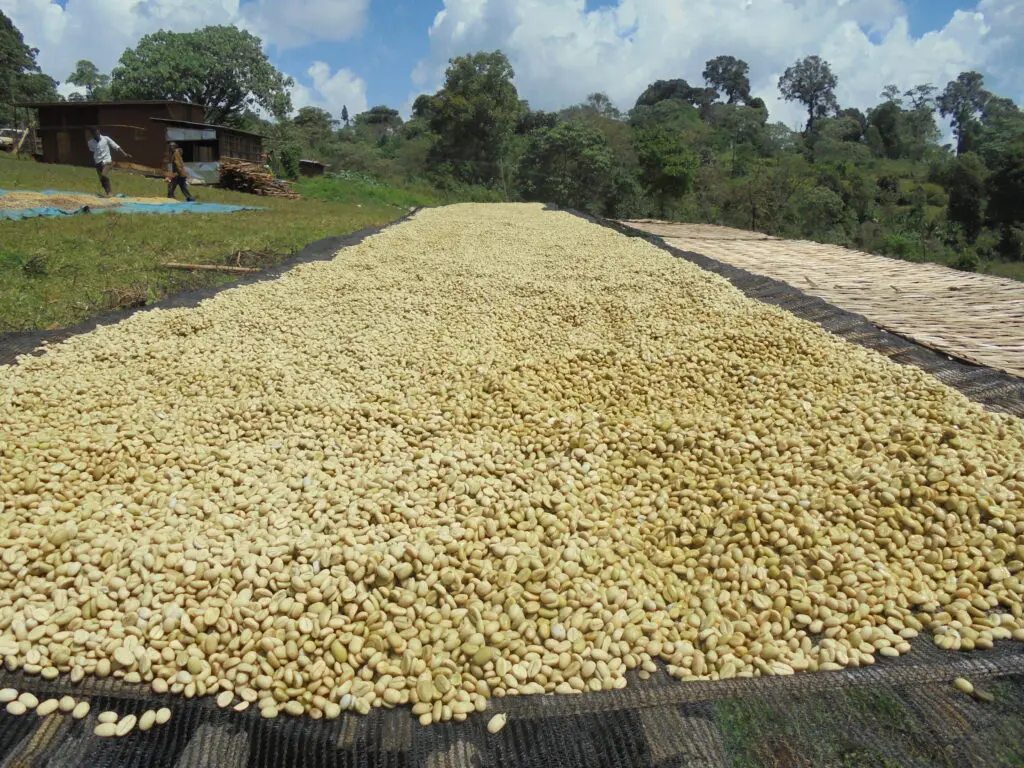
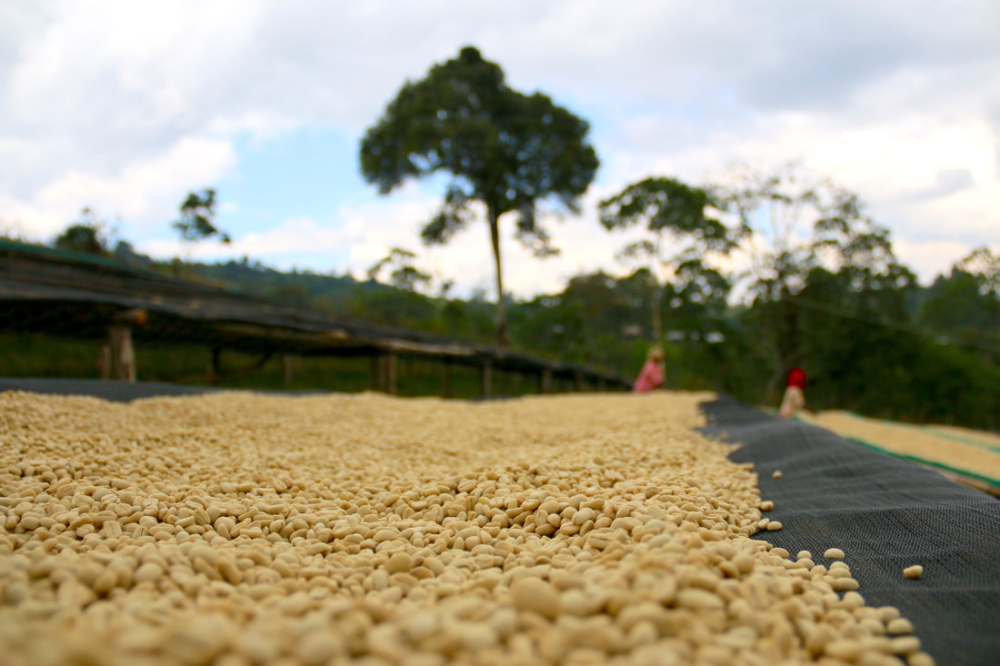
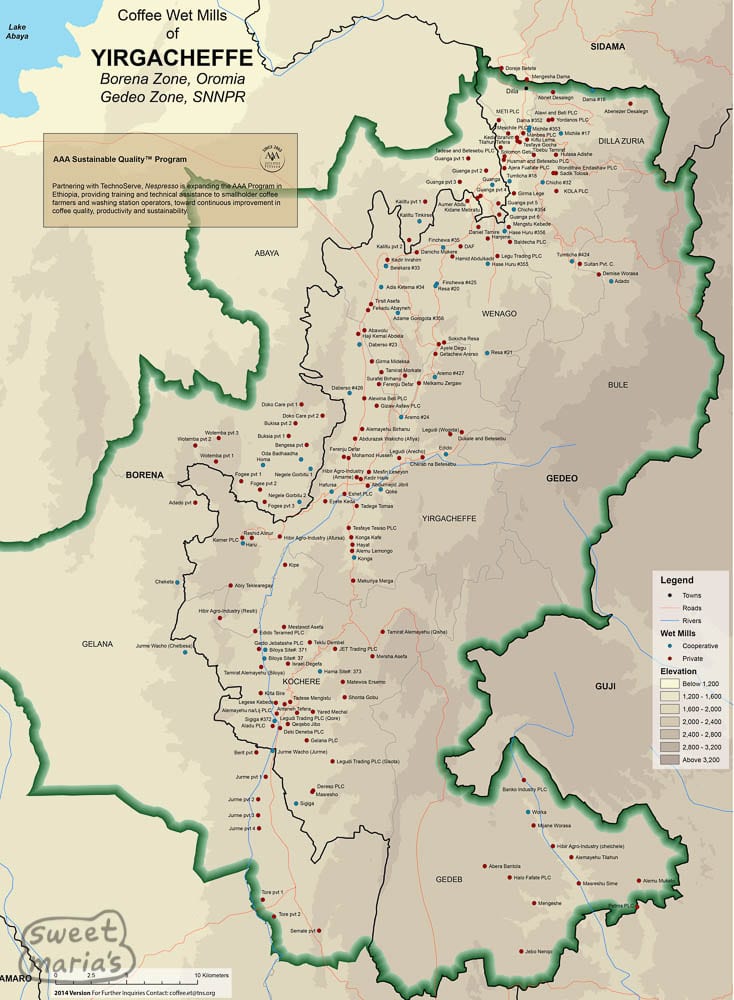
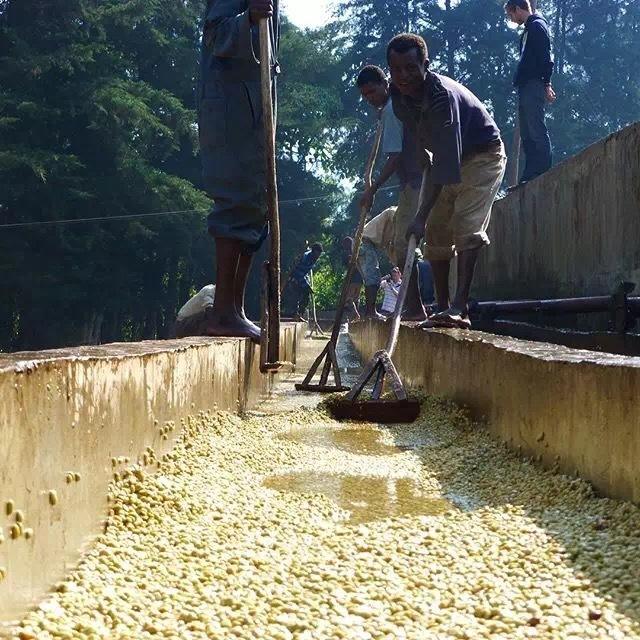
So, what are the fundamental differences between washed and natural processing methods? The washed method, through steps like pulping, fermentation, washing, and drying, effectively removes impurities and defective beans, resulting in uniform green bean appearance and stable quality. The specific process includes: first removing the skin and pulp with a depulper, then fermenting the parchment-covered beans in water for about 24 hours, followed by using flowing channels to remove residual mucilage, and finally sun-drying or machine-drying the beans to around 12% moisture content before peeling off the parchment. This method typically highlights bright acidity and a clean mouthfeel, with medium body, and is a standard choice in many specialty coffee trades.
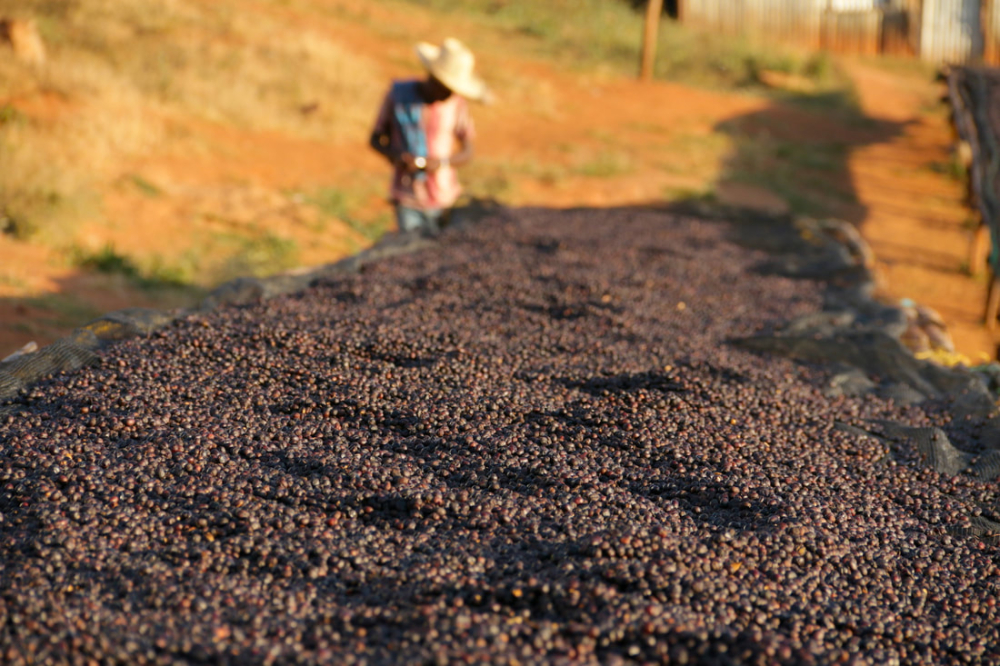
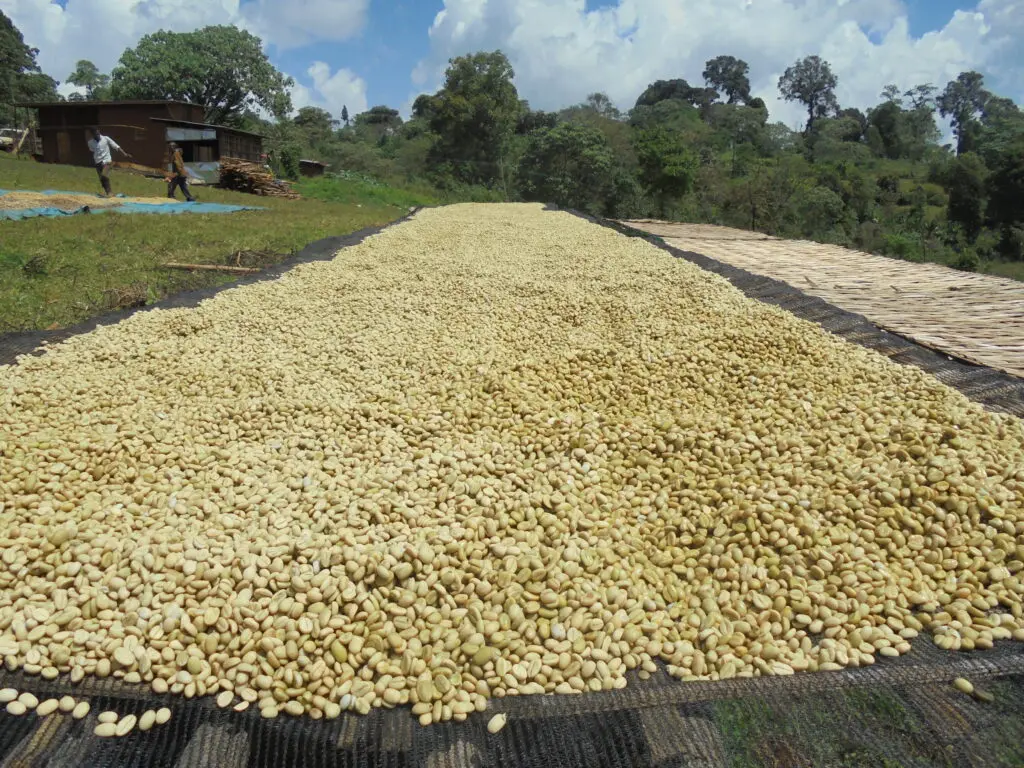
In contrast, natural processing is one of the oldest and most traditional methods. Coffee cherries are dried directly under the sun after harvest, making it particularly suitable for regions with scarce water resources. In Ethiopia, about 70% of coffee cherries are processed using the natural method. This approach preserves the natural sugars in the fruit, resulting in lower acidity and higher sweetness, with flavors often featuring berry notes and complex fruit aromas. Yirgacheffe’s natural processing is especially meticulous, using raised bed drying to avoid ground-related off-flavors and ensure the purity of the fruit flavors. After more than two weeks of sun-drying, the beans further mature, ultimately delivering intense sweetness and rich fruit aromas.
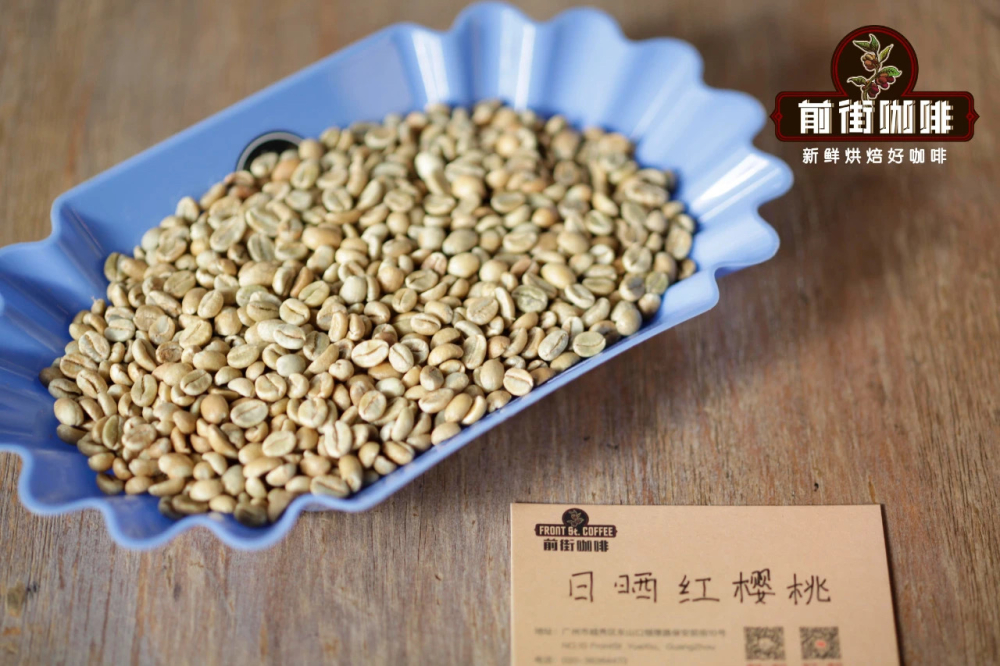
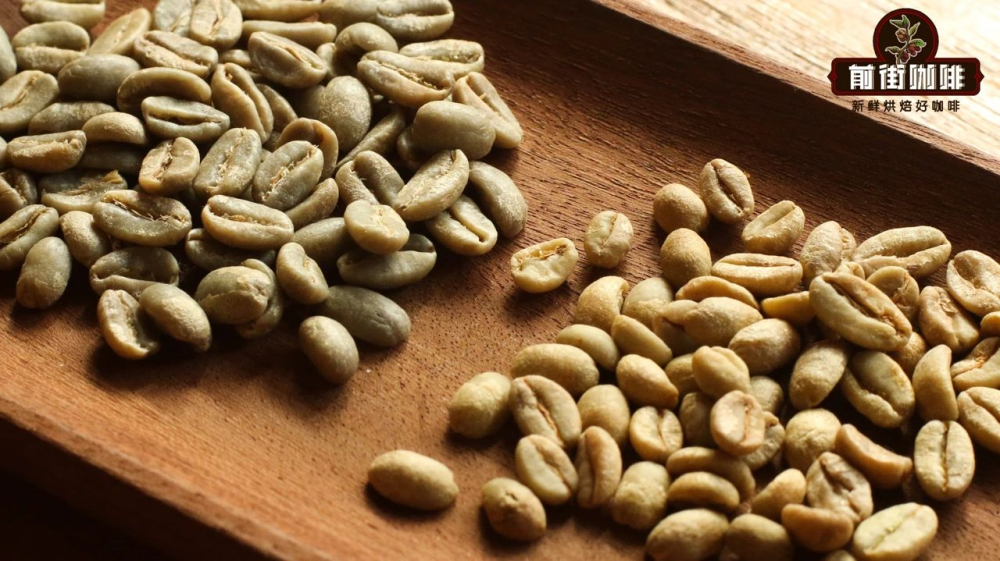
Observing green bean appearance, washed beans are usually bluish-green with less silverskin, as prolonged water soaking causes the silverskin to separate from the bean and is ultimately removed along with the parchment. Natural beans, on the other hand, remain yellowish-green with more silverskin, as the pulp and skin remain attached to the bean surface for a long time, causing the silverskin to adhere tightly to the bean and making it less likely to detach during processing.This appearance difference becomes even more pronounced after roasting: washed beans, due to weaker silverskin attachment, often retain some silverskin after roasting; natural beans, with more intact silverskin, tend to shed it in whole pieces during roasting, resulting in a cleaner bean surface.
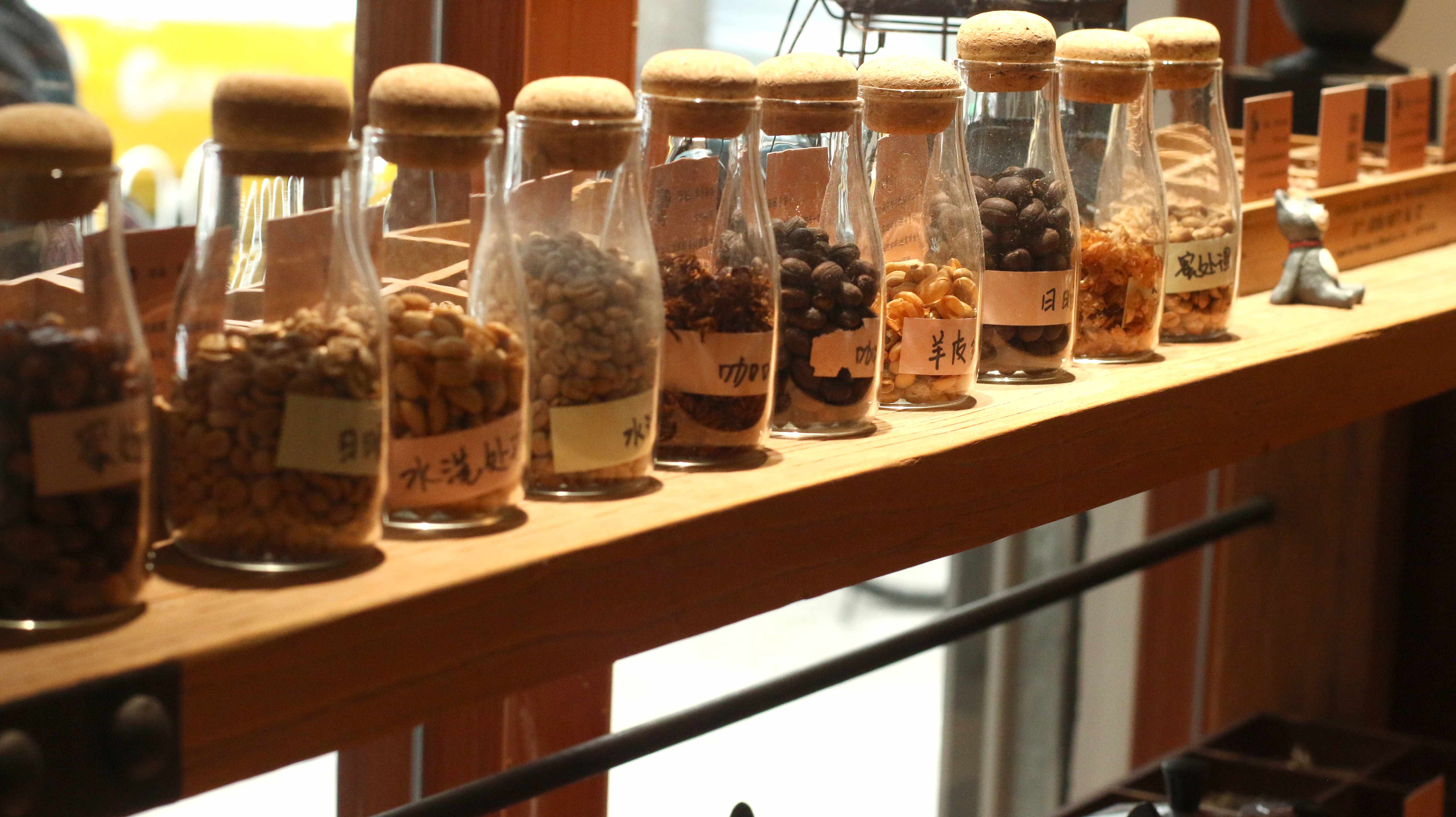
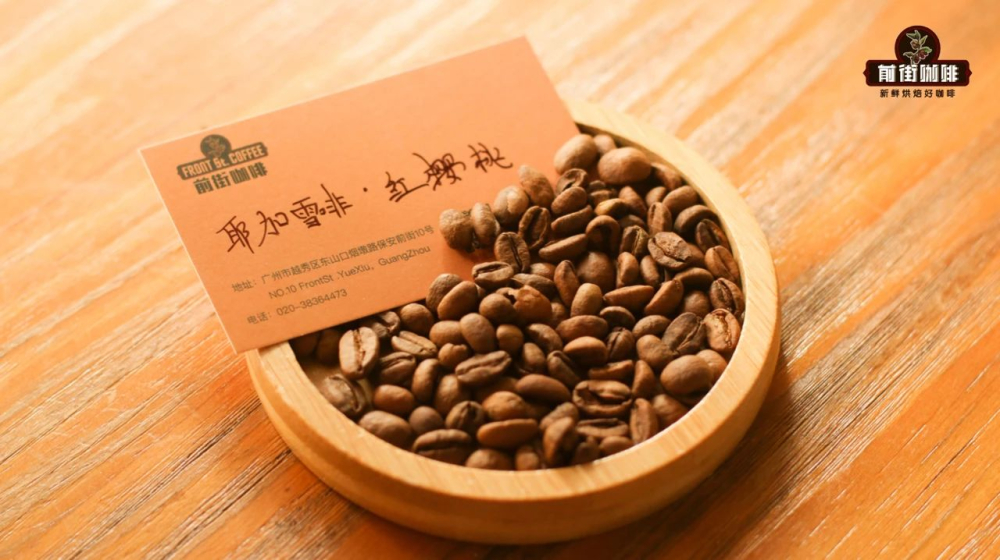
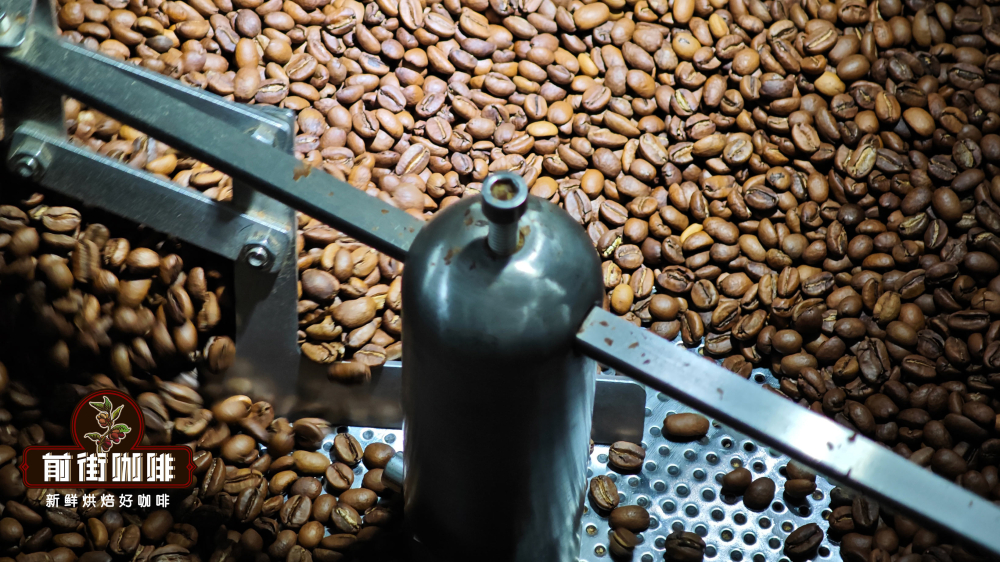
For different processing methods, roasters typically adjust roasting strategies to highlight their characteristics. Taking natural Red Cherry as an example, it is recommended to use a Yangjia 800N roaster, with a charge of 600 grams, and an initial drum temperature set at 200°C. The early-stage heat should be maintained at 160°C and gradually reduced to 130°C, while observing the bean surface turning yellow and the grassy notes disappearing at 148°C—this marks the crucial dehydration phase. First crack begins at 9 minutes and 07 seconds; carefully listen to the cracking sounds and drop the batch at 194°C to preserve the rich fruit aromas and sweetness.
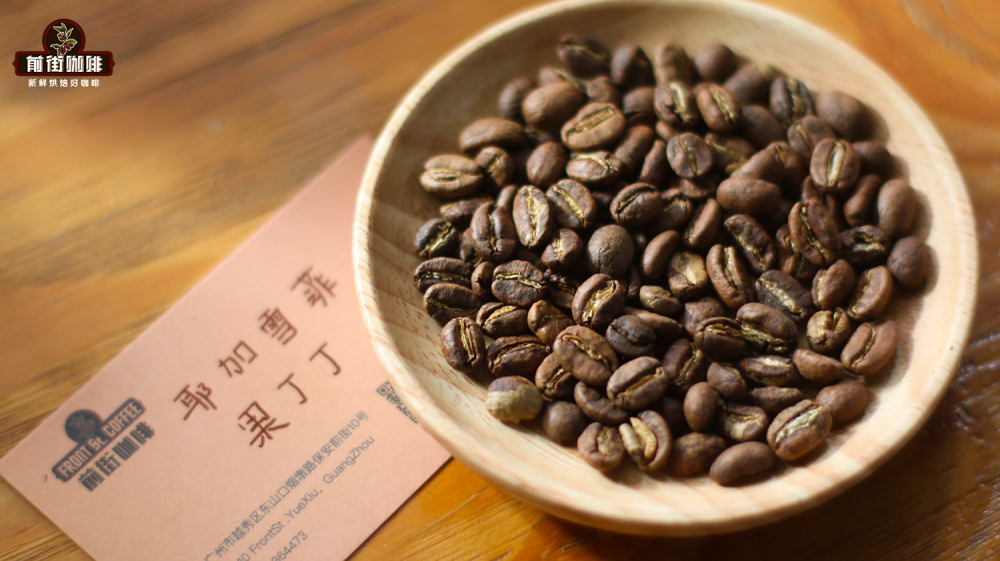
As for washed Guo Ding Ding, it is recommended to use a lower charge temperature of 175°C and a charge of 480 grams. The early-stage heat should be maintained at 120°C and gradually adjusted to 80°C, with special attention to reducing the heat at 166°C and 176°C to control the dehydration speed. First crack starts at 9 minutes and 38 seconds, with a development time of about 1 minute and 30 seconds, and the batch should be dropped at 193.5°C to highlight its bright citrus acidity and clean mouthfeel.
Cupping results show that natural Red Cherry exhibits intense fruity dry aromas, including a complex blend of strawberry, mango, and apricot jam, while the wet aroma presents a viscous syrupy texture with honey and chocolate undertones. Upon tasting, the flavor has a medium body, similar to the experience of drinking fruit-infused black tea. In contrast, washed Guo Ding Ding features dry aromas dominated by the fresh acidity of passionfruit, citrus, and berries, with the wet aroma showcasing lively citrus and berry notes. The taste is bright in acidity, paired with almond and tea-like aftertastes, along with a hint of honey sweetness, delivering an overall clean and refreshing mouthfeel.
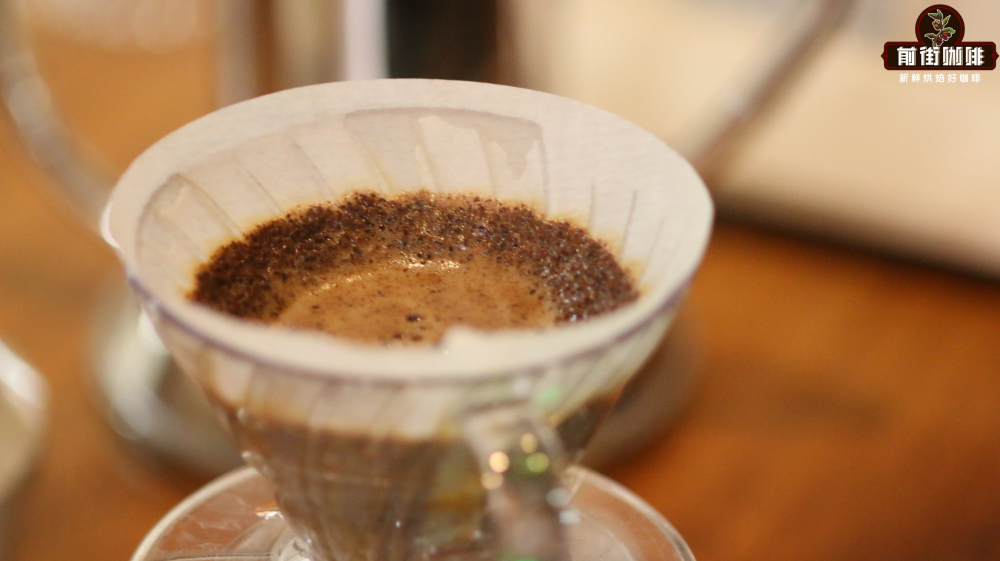
For practical pour-over applications, it is recommended to use a V60 #01 filter cone, with water temperature controlled at 90–91°C and a brew ratio of 1:15, using a grind size similar to superfine sugar with about 80% of particles passing through a #20 sieve. For washed Guo Ding Ding, the recommended brewing technique is: first pour 30 grams of water for a 30-second bloom, followed by pouring 95 grams of water (total weight around 125 grams), completed within about 1 minute. When the water level drops to two-thirds of the coffee bed, pour the remaining 100 grams of water (total weight around 225 grams), completed within about 1 minute and 35 seconds. The total dripping time should be controlled between 2 minutes and 2 minutes 10 seconds.
Such parameter settings fully showcase the citrus acidity and berry sweetness of washed Guo Ding Ding, with aftertastes featuring creamy and caramel warmth, and an overall clean, sweet mouthfeel. Natural Red Cherry, on the other hand, exhibits higher sweetness, with a flavor profile including lemon, licorice, citrus, and berries, and a lingering sweetness with caramel and creamy textures, while the aftertaste carries the aromatic qualities of black tea. It is ideal for coffee lovers who enjoy intense fruitiness and pronounced sweetness.

The above content is compiled by CoffeeHunters, a coffee news website.

