







Introduction:Dive deep into the unique flavor profile of Ethiopian Natural G1 Huacai coffee, from its citrus and berry notes to the sugary sweetness on the finish. This article details the origin of the name "Huacai," recommended roast levels, and provides expert parameters for both pour over and espresso brewing, teaching you how to extract the best flavors. Whether you're a beginner or a coffee enthusiast, this guide offers practical advice.
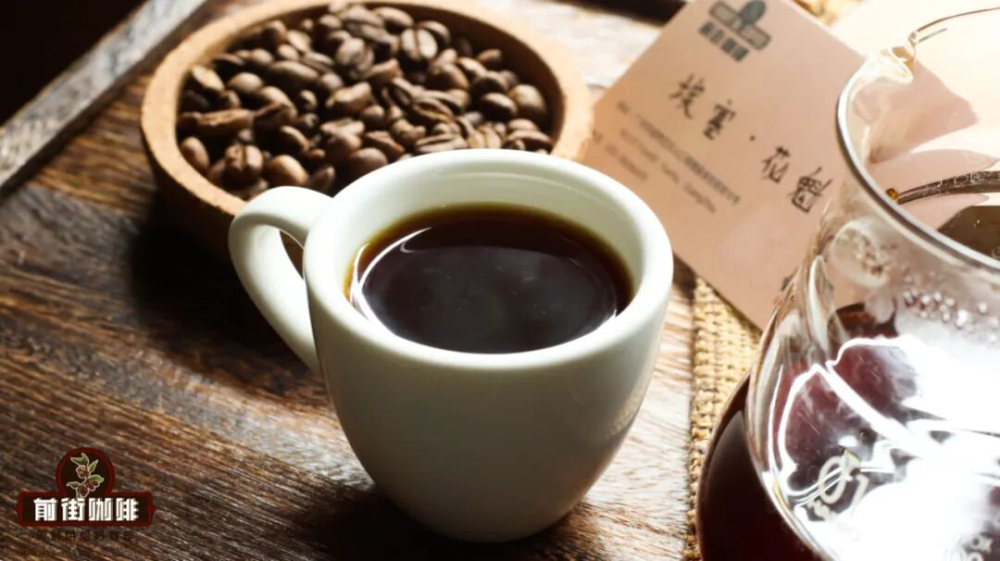
Ethiopian Natural G1 Huacai coffee is widely praised for its vibrant floral and fruity character. On the palate, it delivers bright citrus and guava acidity, with rich berry flavors reminiscent of freshly squeezed juice. The finish reveals subtle sugarcane sweetness and the tea-like notes of lemon black tea, creating a layered and long-lasting cup. This bean is suitable not only for pour over, drip bags, and cold brew, but also works well in various extraction methods such as espresso SOE and moka pot, showcasing its diverse expressions.
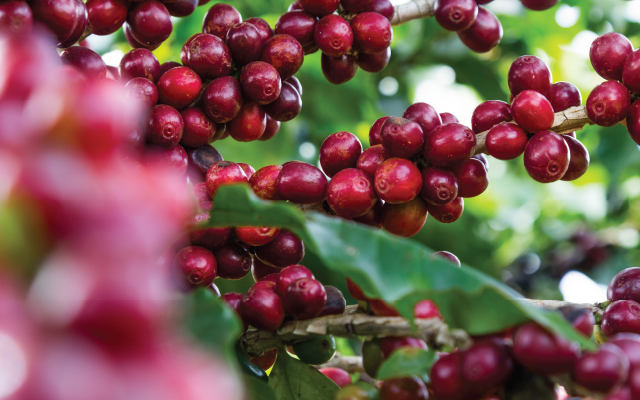
The name “Huacai” actually differs from the bean’s original English name “Hambella” (phonetically translated as Hanbella). In 2017, Ethiopian DW green coffee company submitted a natural lot from the Buku Abel washing station in the Hambella region to the TOH (Taste of Harvest) competition organized by the African Fine Coffees Association, where it won the Ethiopian regional championship. Due to its outstanding performance, the same lot went on to win other competitions, hence it became known as “Huacai,” symbolizing its champion status and premium quality.
Considering the needs of different brewing methods, the commonly available Huacai coffee on the market is typically divided into two versions, roasted to medium-light and medium levels respectively. The medium-light roast version perfectly highlights the bright fruit acidity and delicate floral notes unique to Huacai, and is recommended for brewing methods such as pour over, cold brew, and drip bags. The medium roast version, on the other hand, is better suited for moka pot and espresso extraction, enhancing the intensity and body of the flavors. If you’re a pour over enthusiast, it’s recommended to choose the medium-light roast first to experience its purest fruity expression.
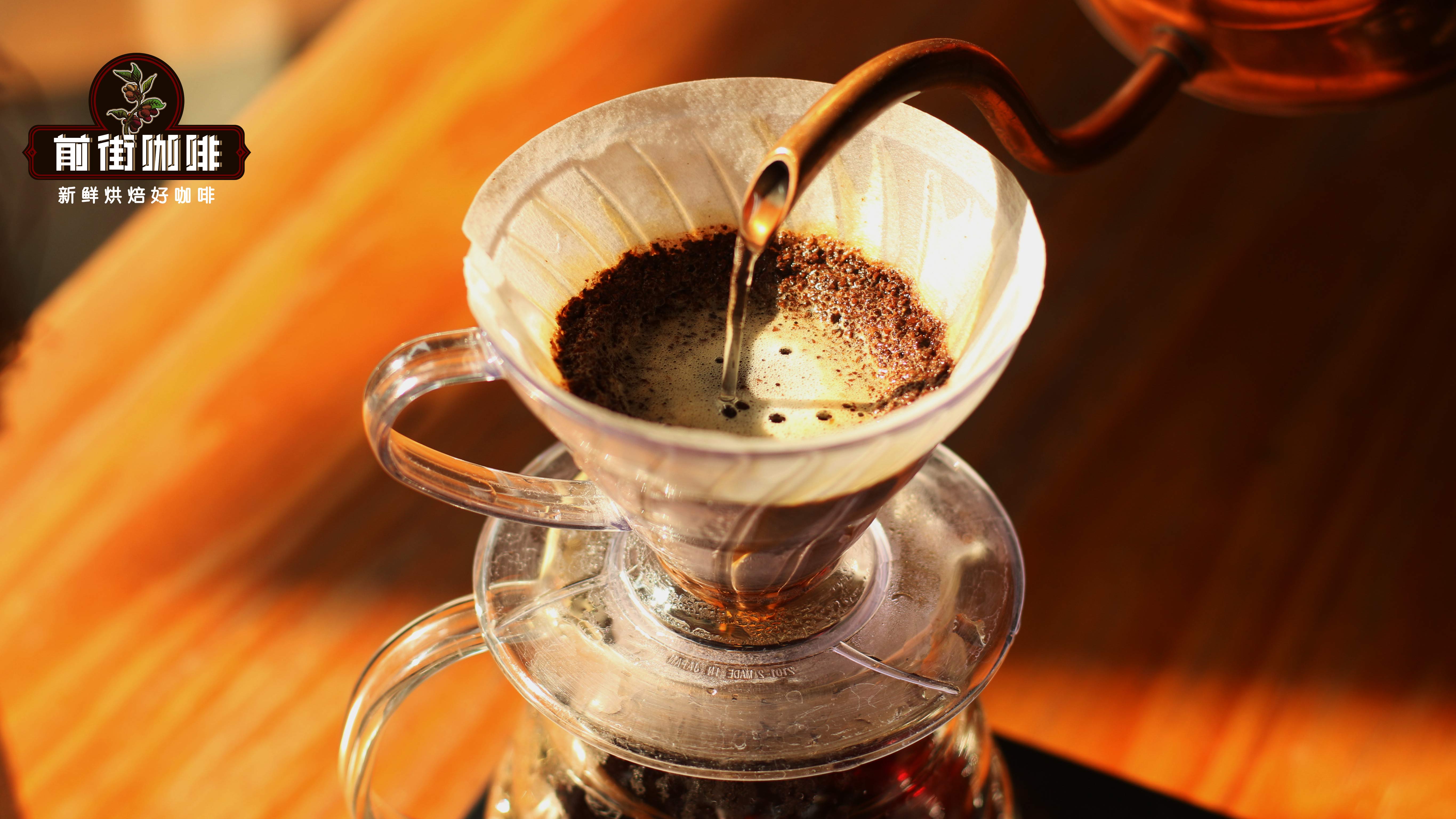
For pour over, the following standard parameters are recommended to fully showcase the nuanced layers of Huacai: use 15 grams of coffee, set the coffee-to-water ratio at 1:15, control the water temperature between 91°C and 93°C, and opt for a fine sugar-like grind size (approximately 75%–80% through a #20 sieve). It is suggested to use a V60 dripper and perform a three-pour extraction method, with a total brew time of about 2 to 2.5 minutes. First, pour double the coffee weight (about 30 grams) of water for a 30-second bloom to activate the aroma release of the coffee grounds; next, pour the second pour of 120 milliliters of hot water using moderate water flow in a wide circle; finally, complete the extraction by pouring 75 milliliters of hot water in small circles with a slow stream. Remove the dripper once the dripping finishes.
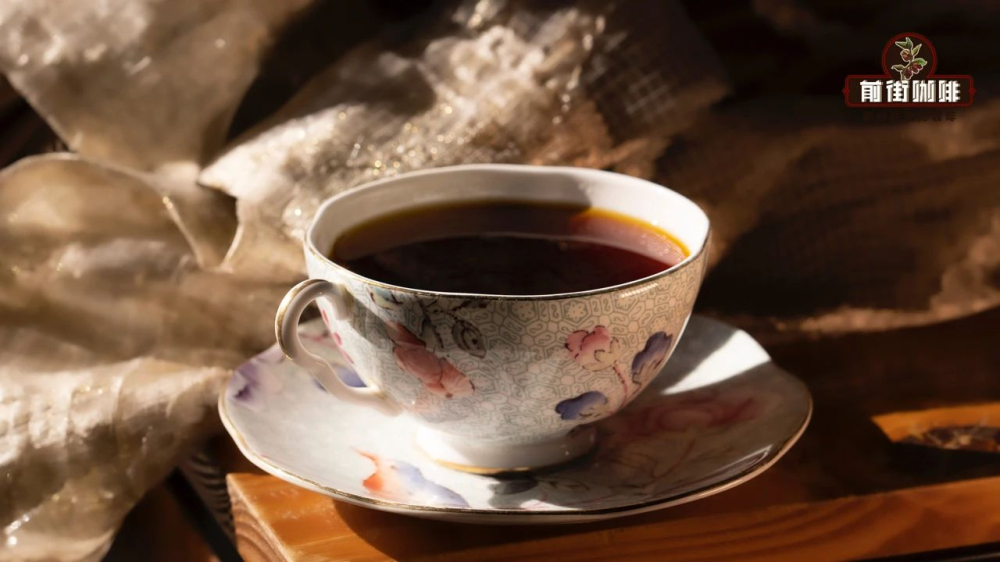
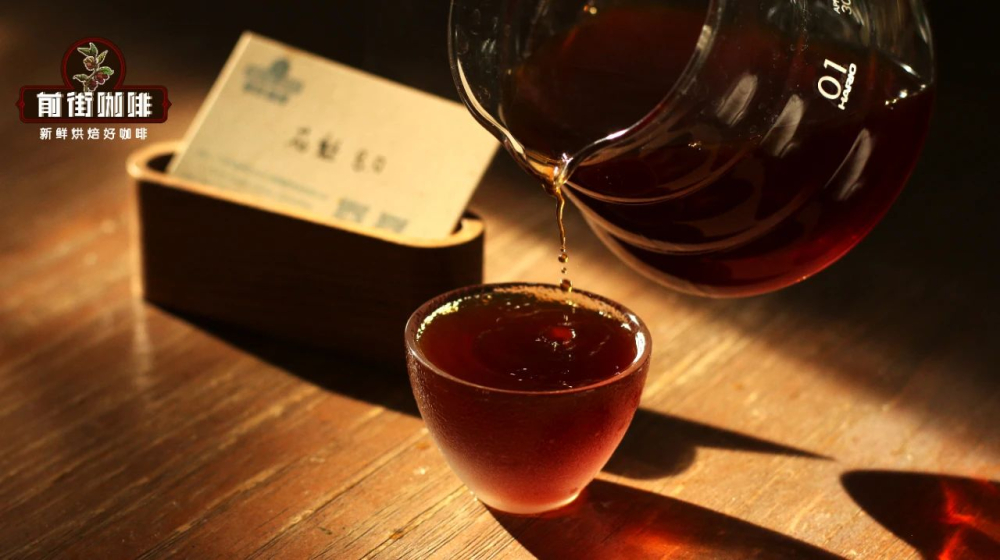
The resulting Huacai pour over coffee, when hot, emits clear floral and passion fruit aromas. On the palate, the flavors are rich, with distinct tropical fruits and citrus acidity, and the finish carries a syrupy thickness and lingering aftertaste. This multi-layered taste experience makes it a top choice for both beginners and advanced pour over enthusiasts.
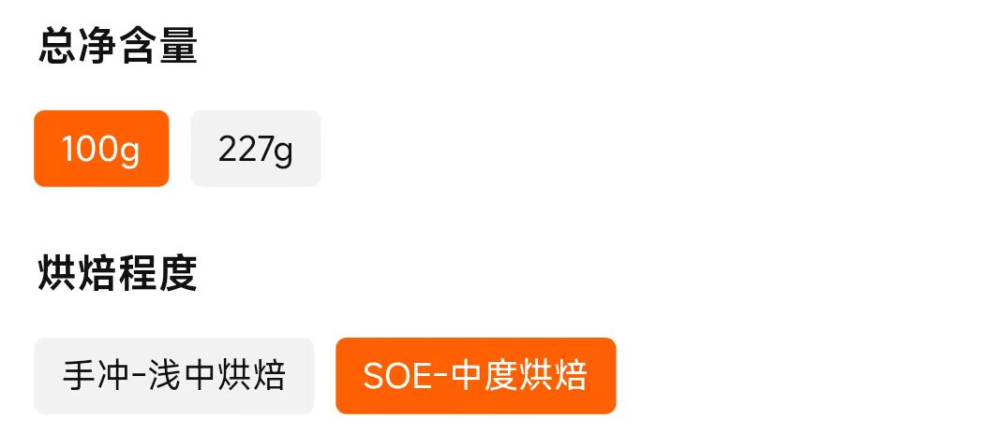
If you prefer espresso extraction, it is recommended to choose the medium-roasted Huacai SOE beans, each pack freshly roasted within 5 days and shipped promptly to ensure you receive beans at their peak flavor. This version is especially suitable for making SOE espresso with a moka pot or espresso machine, showcasing a rich and bold tropical fruit profile.
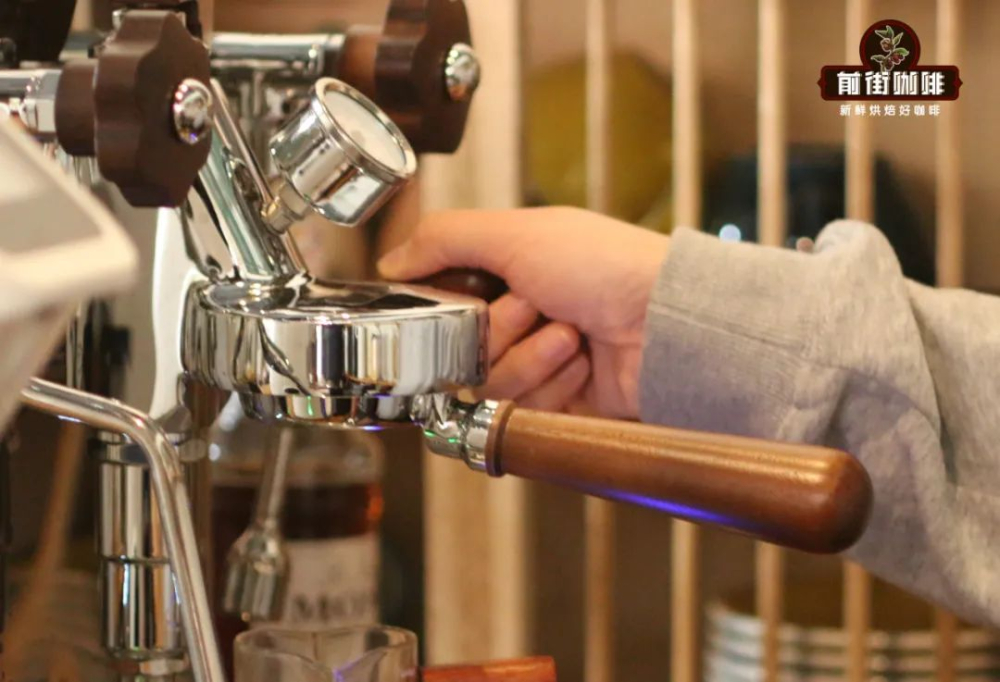
For espresso extraction parameters, it is recommended to use 20 grams of coffee grounds, aiming to extract 40 grams of espresso with a coffee-to-water ratio of 1:2, and control the extraction time between 26 and 32 seconds. This time range helps balance extraction yield and flavor expression, avoiding the burnt bitterness from over-extraction or the thinness caused by under-extraction. Using the Galileo 2.0 grind setting can stably control the flow rate, suitable for most double-shot portafilters.
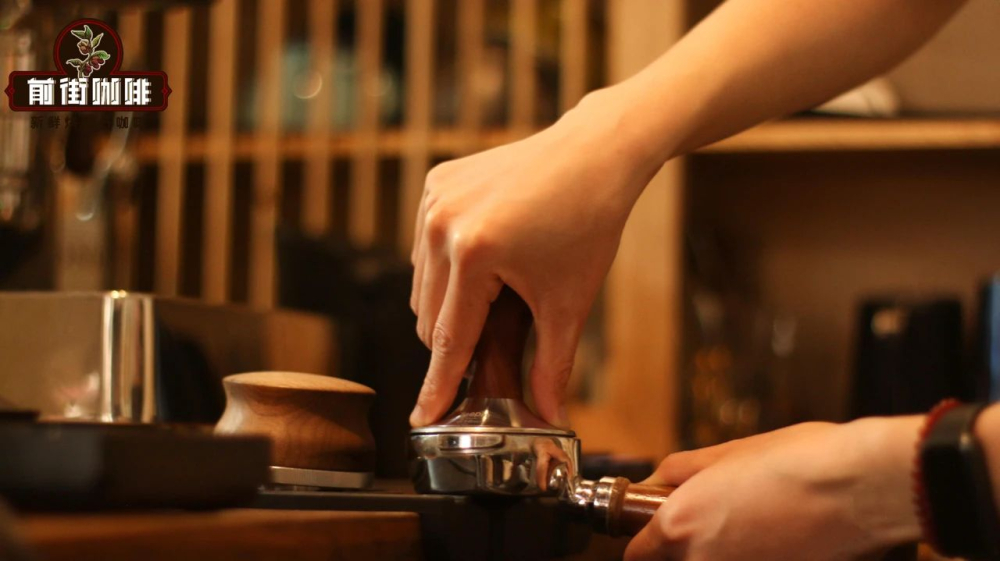
In actual operation, start by thoroughly drying the portafilter, then grind 20 grams of coffee and weigh it precisely. Use a distribution tool to evenly spread the coffee bed, then tamp it vertically with a tamper to ensure uniform density and high stability of the coffee puck. Before extraction, run water for 1 to 2 seconds to wet the group head and remove any residual coffee grounds, while resetting the scale and placing it under the cup to accurately monitor the output.
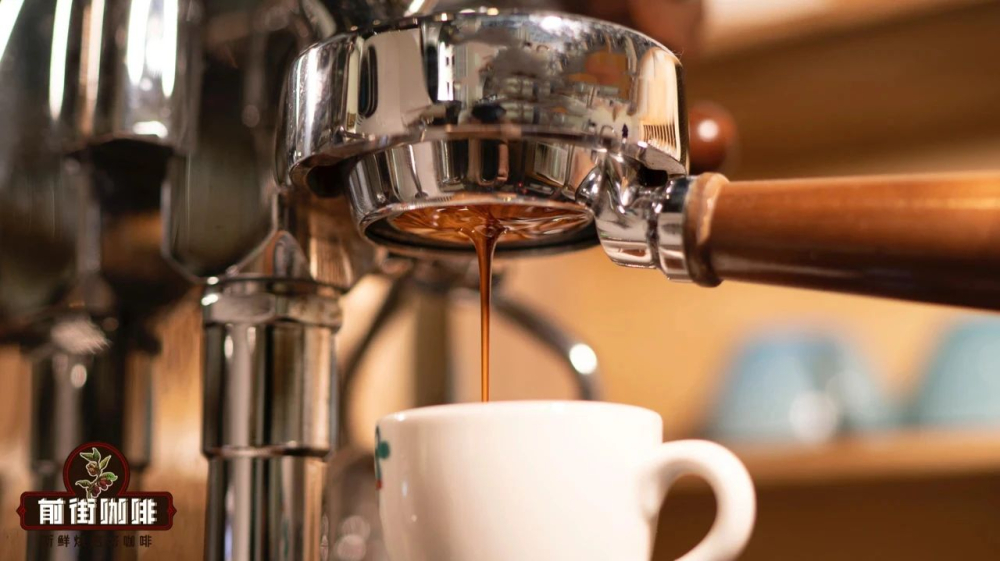
Place the portafilter gently into the group head and start extraction. Observe the flow of espresso; when a total of 40 grams has been extracted and the time falls within the 26 to 32-second range, end the extraction. Note that environmental humidity and the condition of the coffee beans may affect extraction performance, so it is advised to fine-tune the coffee amount, grind size, and output based on actual conditions to achieve the best flavor.
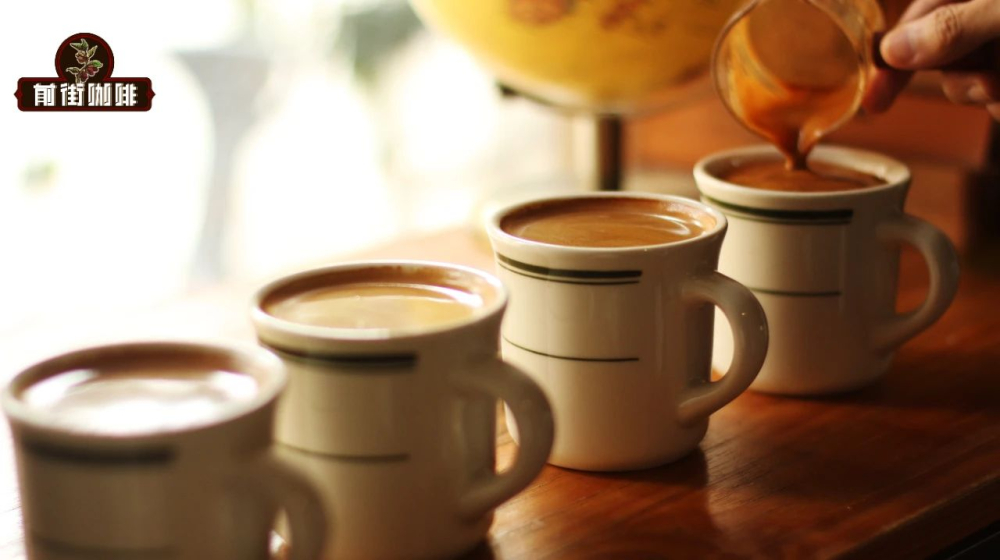
For freshly extracted SOE Huacai espresso, it is recommended to cleanse your palate with water to better appreciate the dense crema and the underlying tropical fruit aroma and rich body. If you’re not used to the intense flavor of straight espresso, you can adjust it to your preference: mix with ice water or warm water at a 1:4 ratio to create a refreshing SOE Huacai Americano; or add fresh milk at a 1:6 ratio to make a smooth latte with sweet strawberry milk notes and hints of orange blossom, perfect for those who are sensitive to bitterness.
The above content is compiled by CoffeeHunters, a coffee news website.


