








Introduction:Americano is one of the most common types of black coffee, made by mixing espresso with water. Though it may seem simple to prepare, there are many nuances involved. Do you know the differences in flavor, mouthfeel, and brewing methods between hot and iced Americanos? What about their calorie content? This article takes an in-depth look at these two common forms of Americano, helping you make choices based on your taste preferences and master key brewing techniques.
The Origin and Basic Definition of Americano
Americano (English: Americano) originated during World War II. At that time, American soldiers would dilute espresso with hot water to get more caffeine, allowing them to consume more coffee in one go—thus creating what we now know as the “Americano.” This type of coffee is typically made with one or more shots of espresso (Espresso), mixed with a large amount of hot or iced water, resulting in a mouthfeel that lies between pour over and espresso. It’s a relatively refreshing style of black coffee.
Brewing Methods: Hot Americano vs. Iced Americano
Hot Americano is usually made by diluting espresso with hot water, but it can also be prepared using a drip coffee machine to brew black coffee. Iced Americano, on the other hand, involves pouring freshly extracted espresso directly into a cup filled with ice and iced water, with the ratio of iced water adjusted according to personal taste. The main difference between these two methods lies in temperature and the way dilution is carried out, which in turn affects the overall flavor profile.
Analysis of Taste and Flavor Differences
Because of the high temperature, hot Americano can release more aromatic molecules, often delivering more pronounced notes of caramel, hazelnut, or chocolate. Its mouthfeel is relatively rich, encompassing multiple layers such as bitterness, acidity, sweetness, aroma, and astringency. In contrast, iced Americano, due to the low temperature that suppresses some of the aroma release and has less noticeable acidity, highlights the smoky notes from roasting and the sweet-tartness of berry-like flavors, resulting in an overall richer yet more restrained mouthfeel.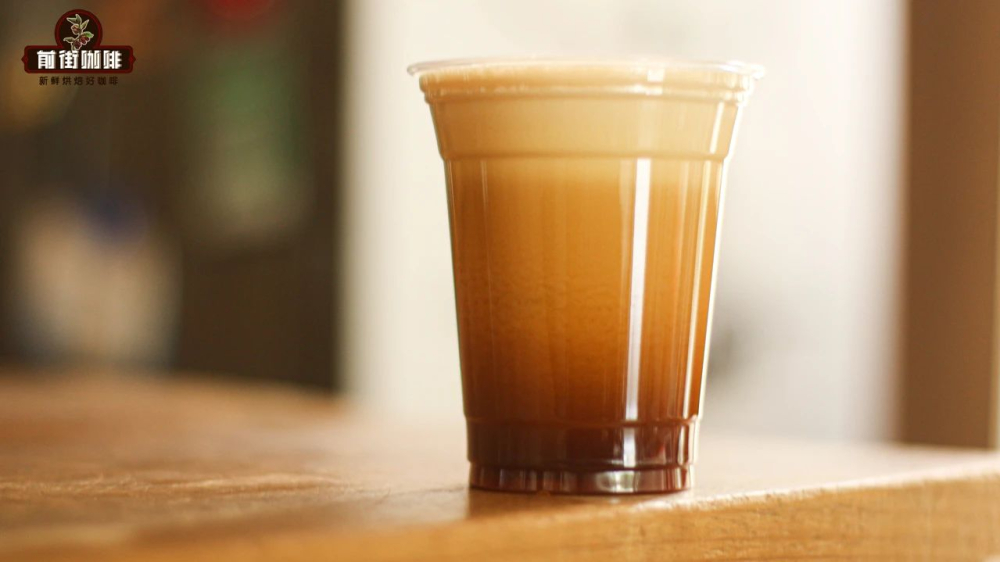
Impact of Appearance and Espresso-to-Water Ratio
Hot Americano, brewed with hot water, usually has a clearer color, sometimes even allowing you to see the coffee color at the bottom of the cup. Iced Americano, diluted with ice and iced water, tends to have a lighter overall hue. Additionally, the ratio of espresso to water greatly influences the final taste, with common ratios ranging from 1:6 to 1:8. Using a 1:6 ratio can better highlight the inherent richness and aftertaste of the coffee, such as the lingering notes of wine and dark chocolate.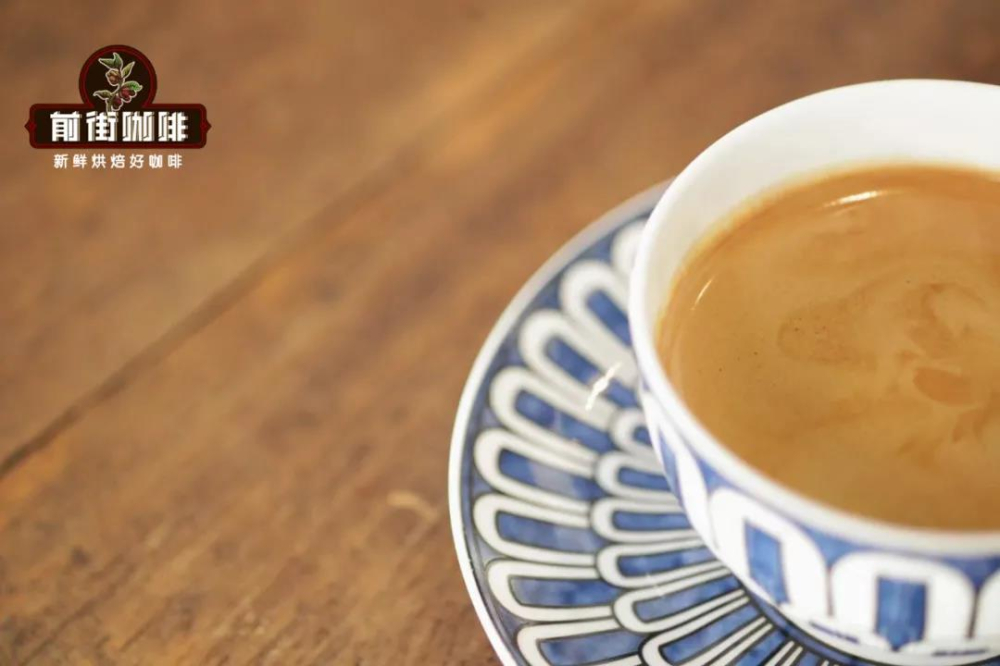
Calorie Truth: Which Has More Calories — Iced or Hot Americano?
Many people assume that iced Americano has fewer calories because it contains ice, but that’s not the case. Both hot and iced Americanos are composed of espresso and water (hot or iced), and water itself contains no calories, while the calorie content of espresso is extremely low and almost negligible. Therefore, the calorie difference between the two is minimal—the key factor is not the temperature, but whether sugar, milk, or other additives are included.
Brewing Recommendations and Parameter References
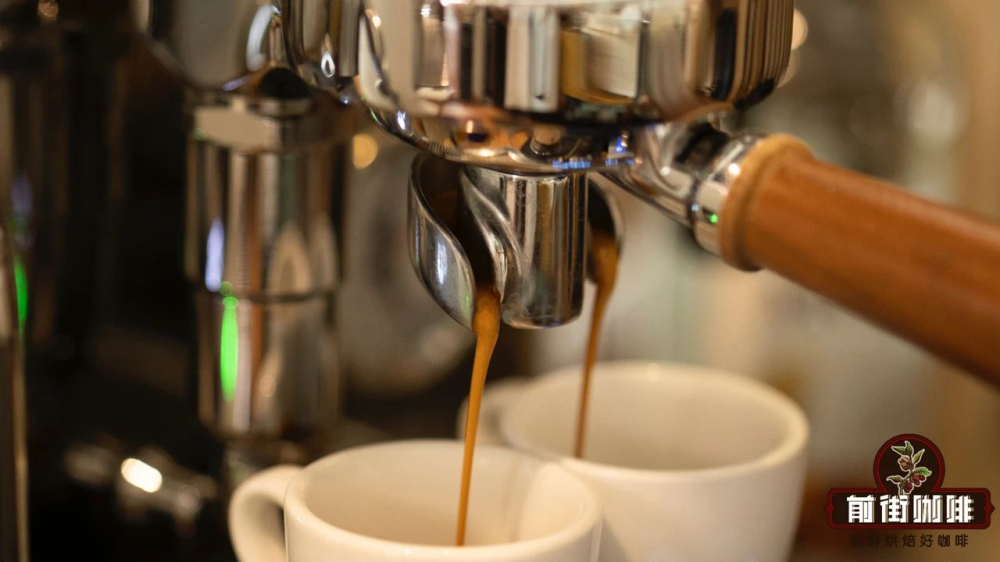
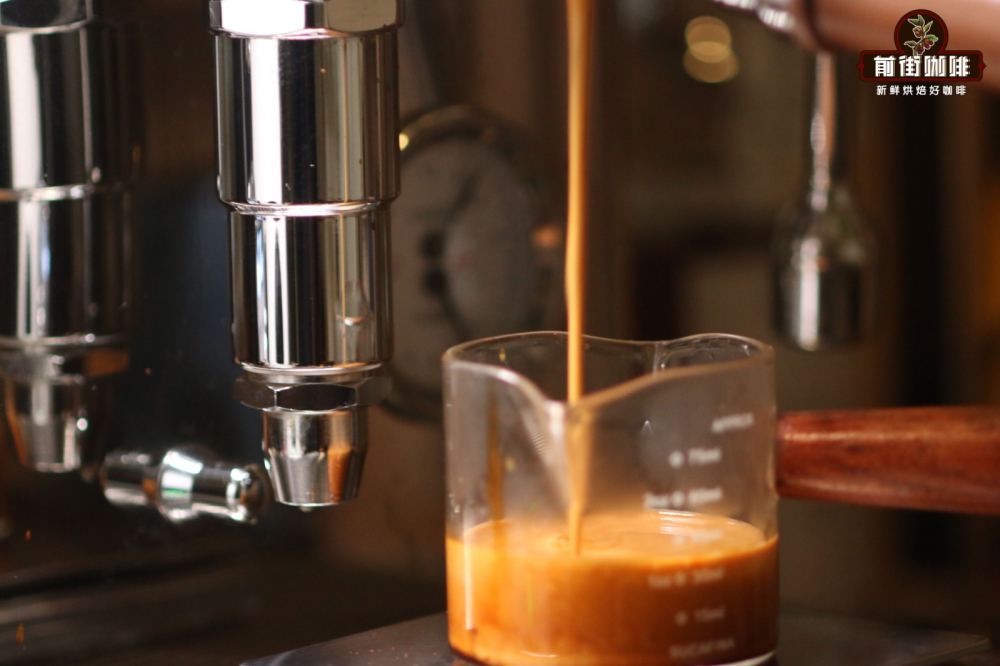
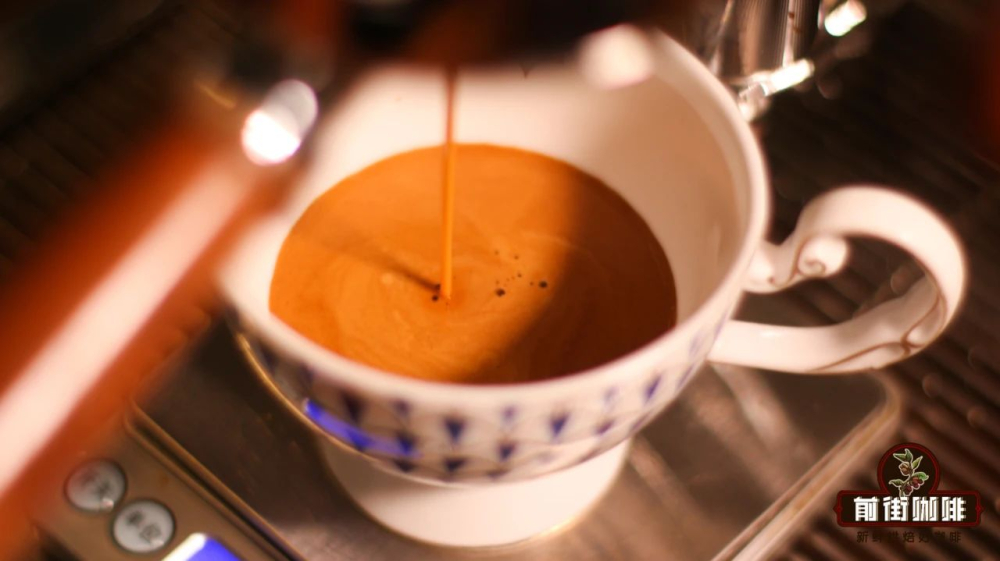
To make an ideal Americano, the first step is to master the extraction parameters for espresso. Common settings include: an extraction pressure of about 9 bar, water temperature controlled between 90.5~96°C, and a coffee-to-water ratio recommended to be between 1:1.7 and 1:2, adjustable based on bean characteristics and personal preference. If using a double shot of espresso (about 20 grams of coffee grounds, yielding 40 milliliters of coffee liquid), it is advised to add water or iced water at a 1:6 or 1:8 ratio to achieve different flavor expressions.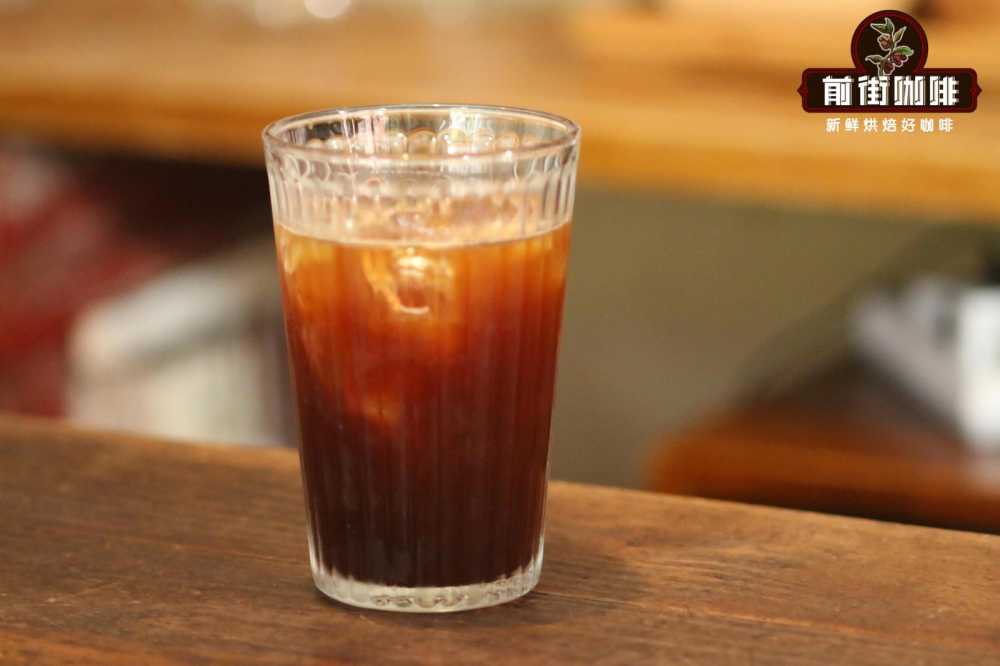
The Impact of Temperature on Taste Perception
Human taste buds perceive flavors differently at varying temperatures. At higher temperatures, bitterness and sweetness are more easily detected, while acidity is less noticeable. As the coffee cools, acidity becomes more prominent, with quinic acid converting into quinic acid lactones, resulting in a more sour coffee taste. Therefore, if you wish to savor the aroma and layered complexity of coffee, a hot Americano is recommended. For a crisper, more refreshing pick-me-up, iced Americano is the better choice.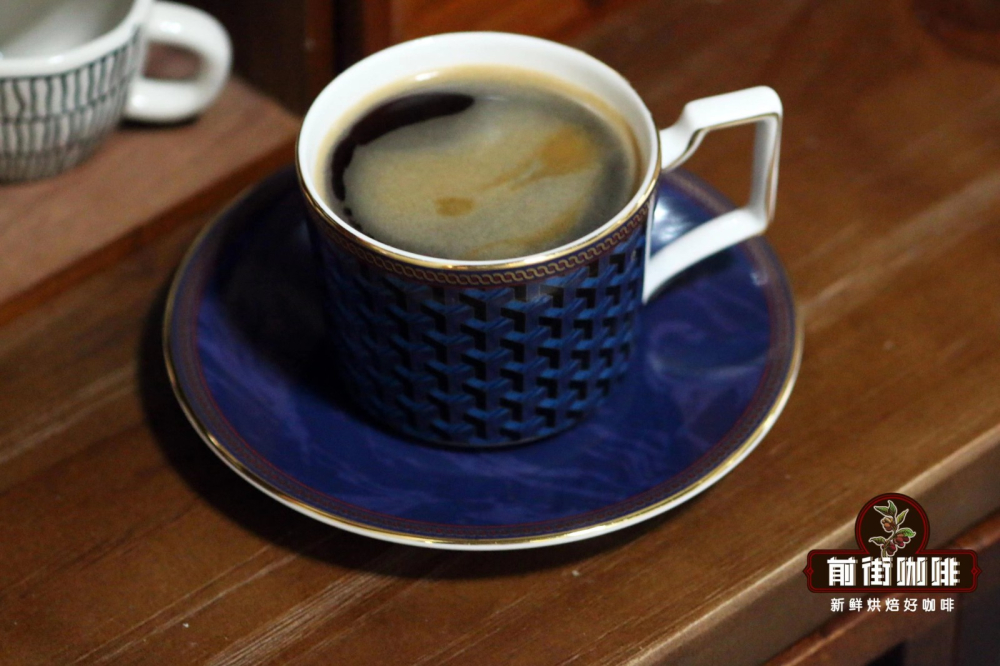
Coffee Bean Freshness and Storage Tips
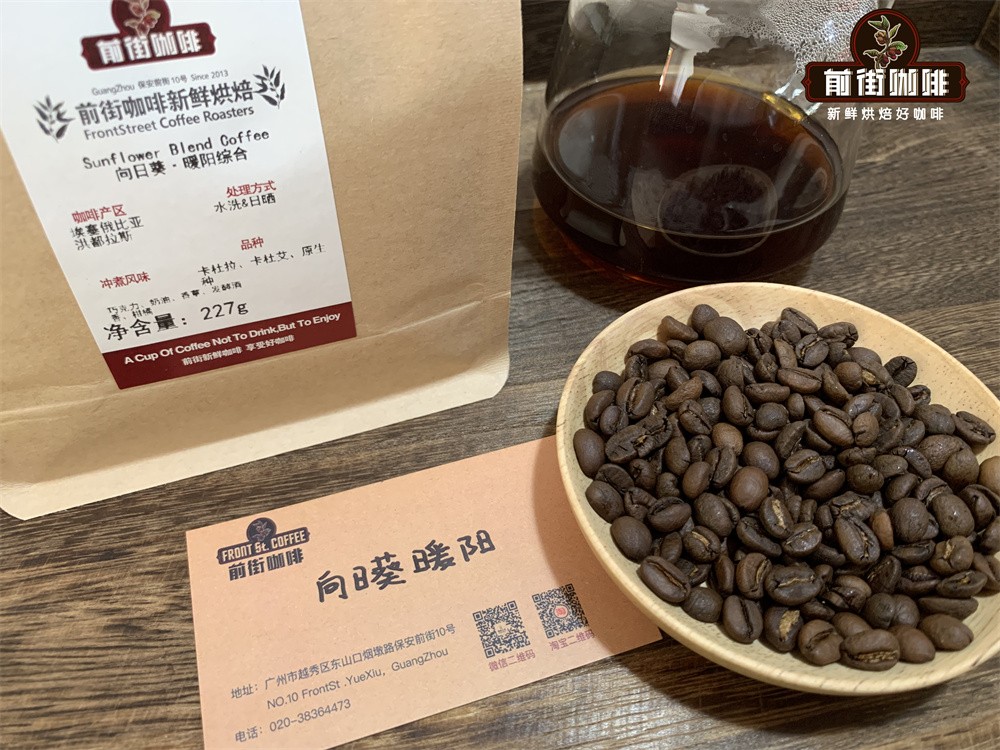
Whether making hot or iced Americano, the freshness of the coffee beans is a key factor influencing flavor. It is recommended to choose beans roasted within 5 days and allow them to rest for 4–7 days after receipt to reach optimal flavor. If purchasing pre-ground coffee, it is best to brew it as soon as possible to avoid oxidation affecting the aroma. To fully experience the unique flavors of beans from different regions, try various blends or single-origin beans—such as the fruity notes of Ethiopian beans, the nutty caramel tones of Brazilian beans, or the citrusy profiles of Panamanian beans.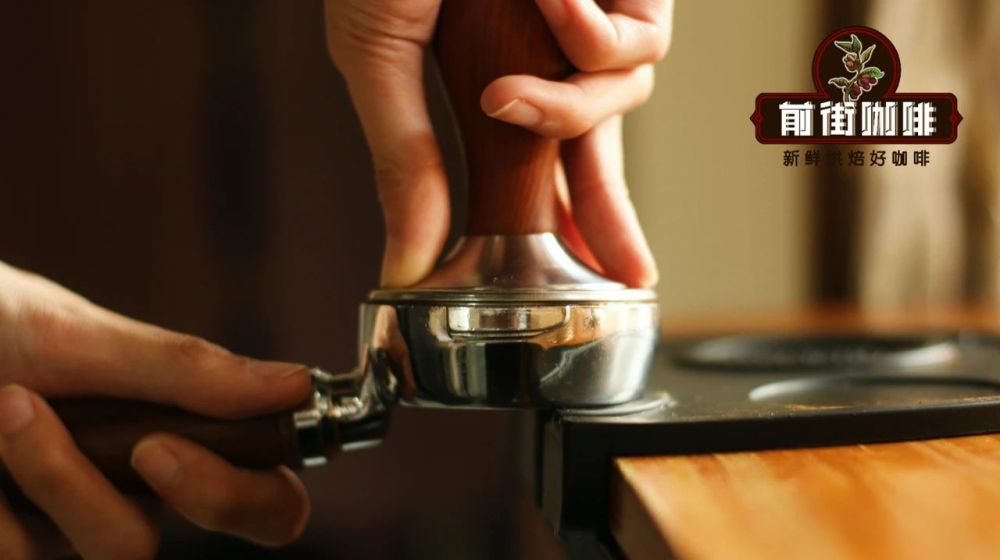
The above content is compiled by CoffeeHunters, a coffee news website.


