








Introduction:Want to brew a rich and aromatic espresso at home? This article will detail how to choose the right coffee beans for espresso, the ideal extraction ratio, practical tips, and specific recommendations based on different flavor preferences—helping beginners master the key steps and enjoy a professional-level coffee experience.
Espresso is the base for many popular coffee drinks, including well-known beverages like Americano, latte, cappuccino, flat white, and mocha. All of these originate from the preparation of a single shot of espresso. So, for those who want to make coffee at home, how do you choose the right beans and correctly extract a balanced and flavorful espresso? Let’s break it all down for you.

Because espresso is extracted under high water temperature, high pressure, and with an extremely fine grind, the various flavor compounds in the coffee are highly concentrated, resulting in a complex and intense taste. If you use a light-roast single-origin bean, its bright acidity and unique character may become overly prominent in such an extraction environment, even masking the coffee’s inherent aroma layers. Therefore, in most cases, choosing a carefully blended coffee bean can deliver a more stable and balanced performance.
Blended beans typically combine beans from different regions, achieving flavor complementarity through blending. This not only maintains stable extraction performance but also delivers a rich and full-bodied taste, making them particularly suitable for making espresso. These beans, when dark roasted, can release abundant notes of caramel, chocolate, and nuts, while also more easily forming a dense and fine coffee crema.
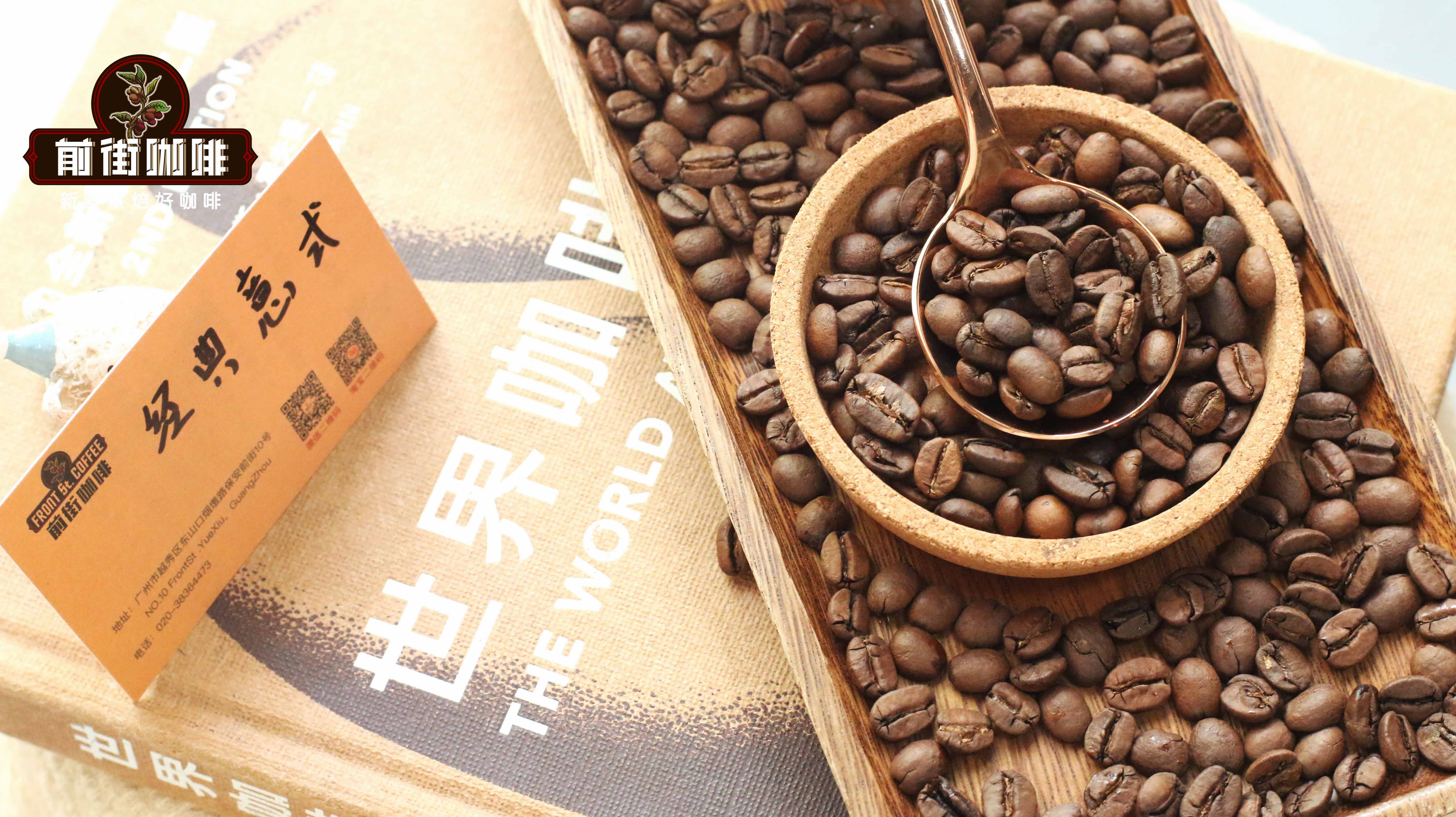
If you prefer a bold and full-bodied taste, it’s recommended to go for a blend composed of Brazilian, Indonesian, and Vietnamese beans. These beans are usually dark roasted, bringing out intense smoky flavors and a thick body, and they tend to form rich and velvety crema during extraction. Whether enjoyed straight, diluted with hot water as an Americano, or paired with milk as a latte, they perform excellently.
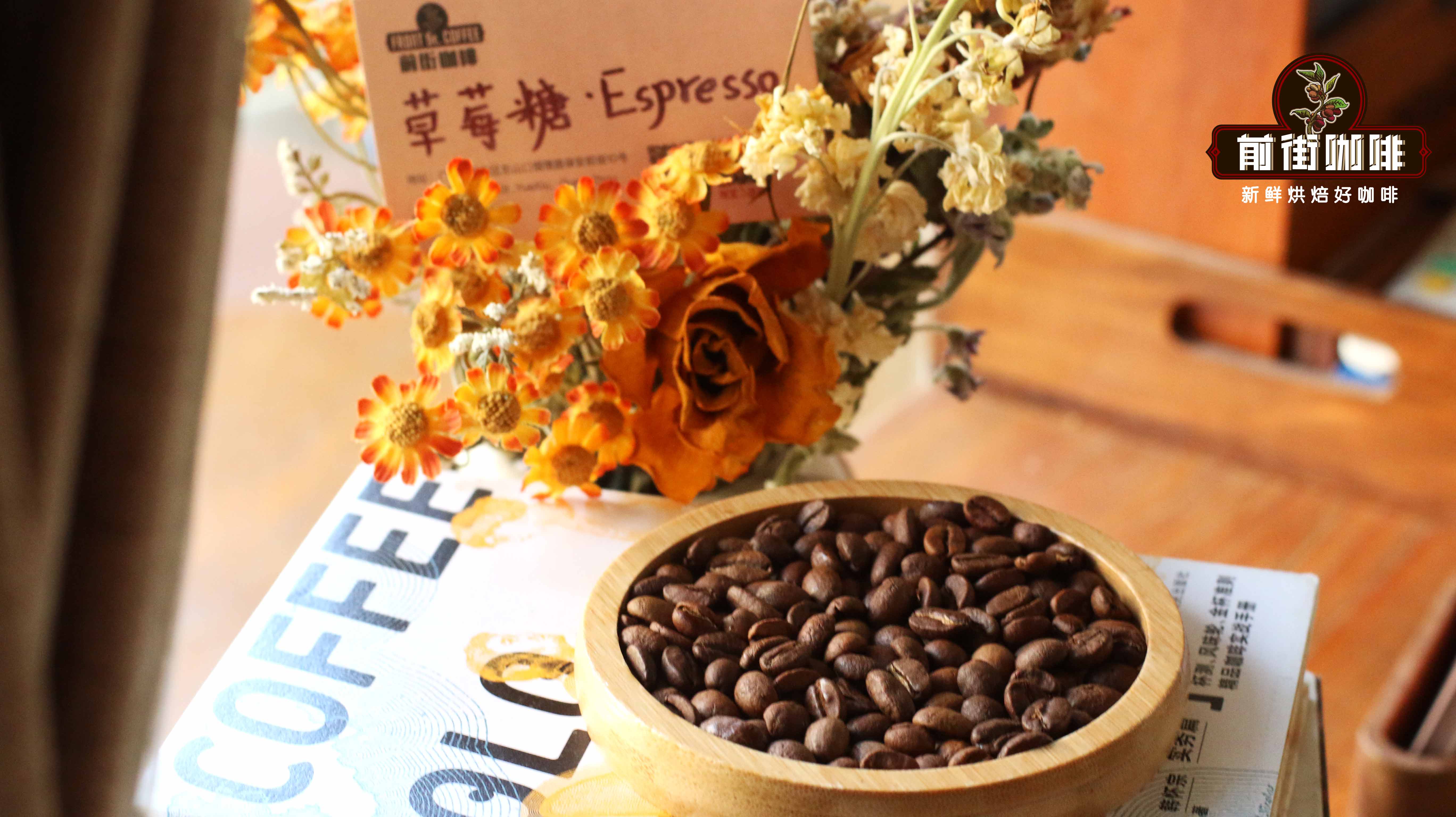
On the other hand, if you’re more drawn to fruity-toned coffee, consider blends based on honey-processed beans, commonly sourced from Central and South America or African regions like Costa Rica and Ethiopia. When blended with beans from other regions like Colombia, they retain bright fruit acidity while adding soft sweetness and rich complexity. The resulting coffee not only achieves a balanced sweet-and-sour profile but also exhibits unique flavor notes reminiscent of strawberry gummies, with fine crema and a smooth mouthfeel.

It’s worth noting that a freshly extracted espresso typically has a layer of golden, fine, and velvety foam on its surface—this is what we call crema. This foam forms when carbon dioxide released from the coffee beans interacts with the high-pressure extraction process. It not only affects the appearance but is also closely related to the coffee’s aroma expression. To ensure you enjoy the freshest coffee flavors, it’s recommended to use beans roasted within five days for the best extraction results and aroma.
Next, let’s learn how to make a standard espresso at home. First, in terms of equipment, you’ll need an espresso machine and a grinder, and make sure the grinder can be adjusted to a suitable fineness to meet the high-pressure extraction needs of espresso.
Generally speaking, when using a double-shot portafilter, it’s recommended to fill it with about 18 to 20 grams of coffee grounds, and the extraction ratio is often set to 1:2—that is, 20 grams of coffee grounds yield 40 grams of coffee liquid. The extraction time depends on the flow rate and is typically controlled between 20 to 35 seconds, with 28 to 30 seconds being the optimal range. If the extraction time is too short, the coffee may taste thin and lack complexity; if it exceeds 35 seconds, it’s prone to over-extraction, resulting in a bitter and burnt taste.
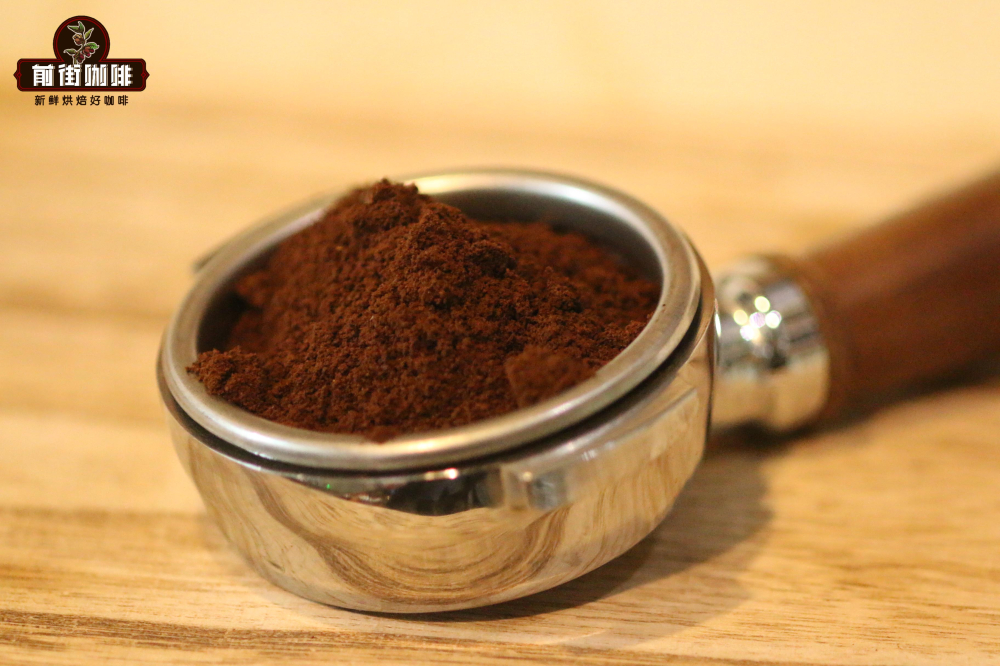
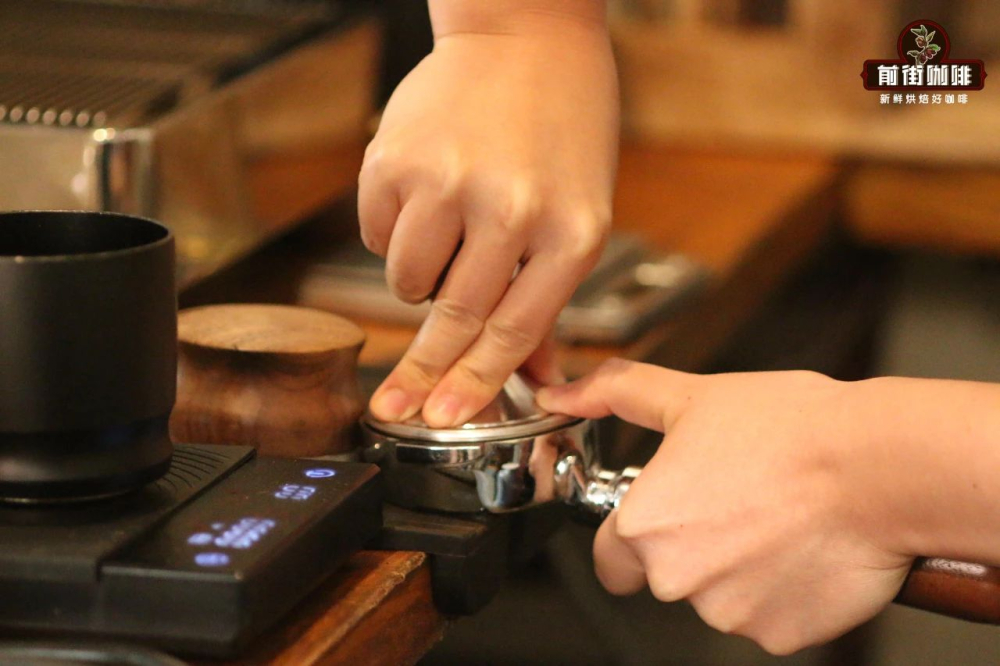
Before starting the extraction, make sure to thoroughly dry the portafilter basket, and grind an appropriate amount of coffee beans using the grinder. It’s advised to weigh the grounds first to ensure accuracy. Then, use a distribution tool to evenly spread the coffee grounds in the basket, followed by using a tamper to apply downward pressure vertically to compact the grounds. This step is crucial for maintaining stable extraction pressure and flow rate.
After tamping, you can briefly open the extraction switch to let water run for 1 to 2 seconds to wet the group head and clear any residual coffee grounds. Next, place the cup that will catch the coffee on the scale and tare it to accurately measure the extraction volume.
Once the portafilter is securely locked into the group head, begin the extraction. At this point, observe the flow of the coffee and any changes in flow rate. When the scale shows 40 grams and the time is around 30 seconds, you can stop the extraction. Note that since the condition of the coffee beans and ambient humidity may vary daily, it’s recommended to fine-tune the amount of coffee grounds, grind size, and extraction time according to actual conditions to achieve the best flavor.
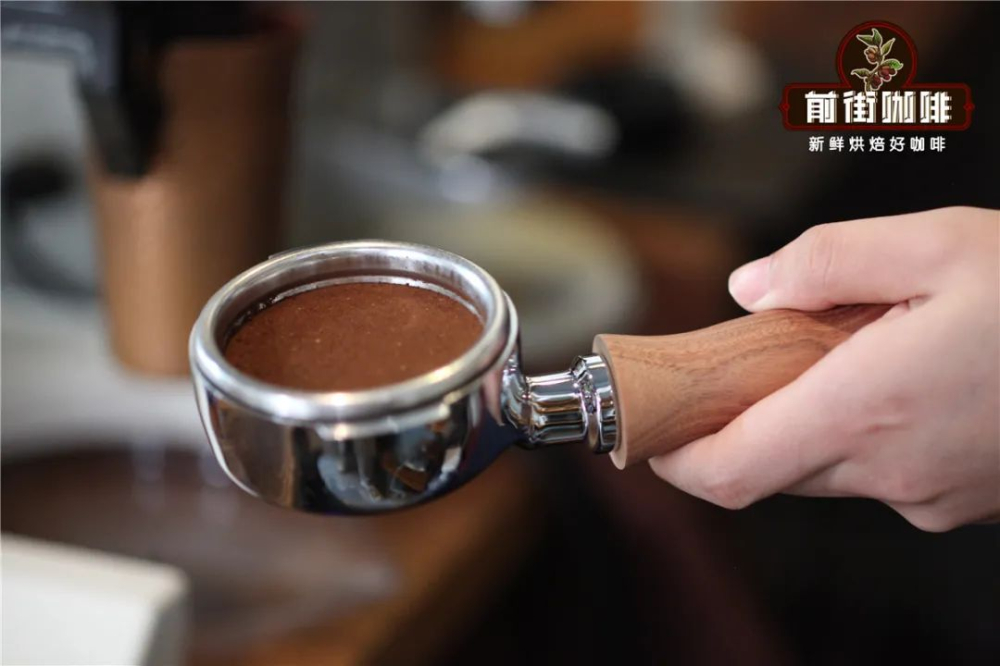
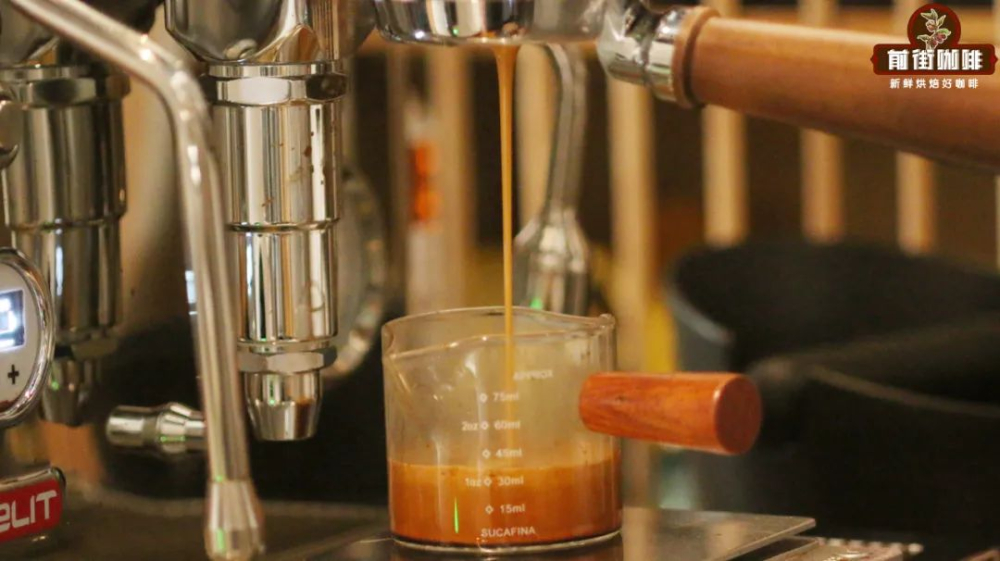
The finished espresso can be enjoyed as is. It’s recommended to pair it with a glass of water to cleanse your palate, helping you better perceive the subtle flavor details of the coffee. If you’re not used to the strong taste, you can also add hot water to make an Americano or mix it with milk to create variations like lattes, depending on your preference.
Additionally, if you prefer a cooler drink, you can try making an iced Americano: start by placing about 90 grams of ice and 180 milliliters of cold water in a cup, then add 40 milliliters of double espresso, stir gently, and enjoy. This method highlights the floral, fruity, and sweet-and-sour notes of the coffee, making it especially refreshing and pleasant to drink in the summer heat.

The above content is compiled by CoffeeHunters, a coffee news website.

