







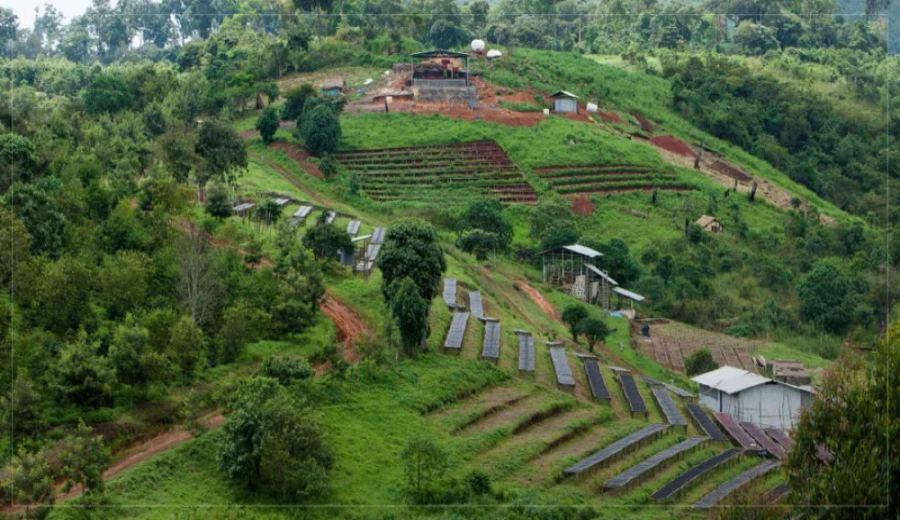
Introduction:Want to understand the captivating charm of Yirgacheffe coffee? This article provides an in-depth analysis of the differences between Ethiopian washed and natural Yirgacheffe beans, covering everything from regional background, processing methods, flavor profiles, to brewing recommendations and parameter settings. It serves as a comprehensive guide for selecting light-roast beans, helping beginners choose the right daily drinker and master optimal extraction techniques.
Yirgacheffe is a key coffee-growing region located in southern Ethiopia, blessed with exceptional geographical conditions and a long history of cultivation. In the local language, "Yirga" means tranquility, and "Cheffe" refers to wetlands, together symbolizing "let us live and work prosperously in these wetlands." Originally part of the Sidamo region, Yirgacheffe later became an independent appellation due to its distinctive floral and fruity aromas that gained immense international popularity, preventing other regions from misusing the name.
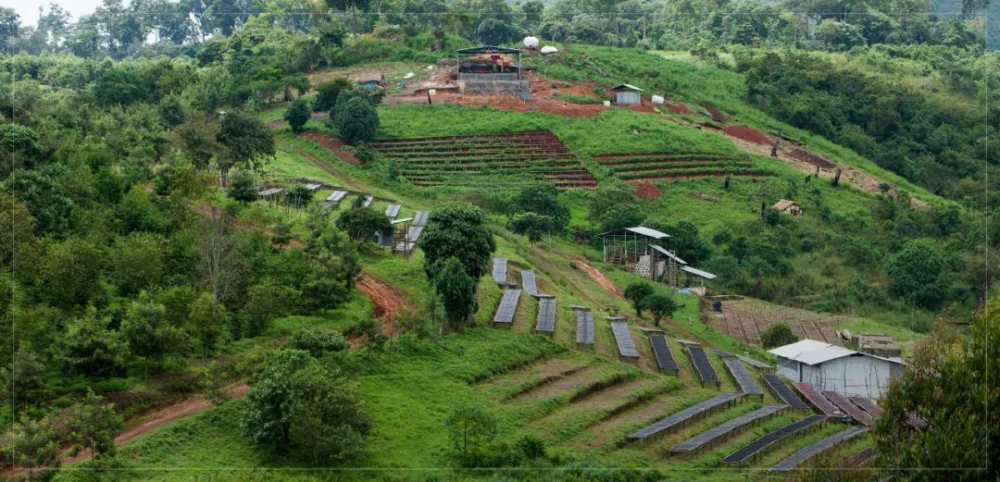
The altitude in Yirgacheffe ranges between 1,700 and 2,200 meters, making it an extremely high-elevation growing environment and one of the few regions globally that meets the Strictly High Grown (SHG/SHB) standards. This elevation slows down the ripening process of coffee cherries, allowing the beans to accumulate more sugars and complex flavors, while also helping to suppress pests and diseases. As a result, the coffee boasts a unique profile of bright, vibrant acidity and a crisp, tea-like finish. The beans produced here are renowned for their delicate floral notes, citrus tones, and tea-like aftertaste, making them a top choice among global specialty coffee enthusiasts.
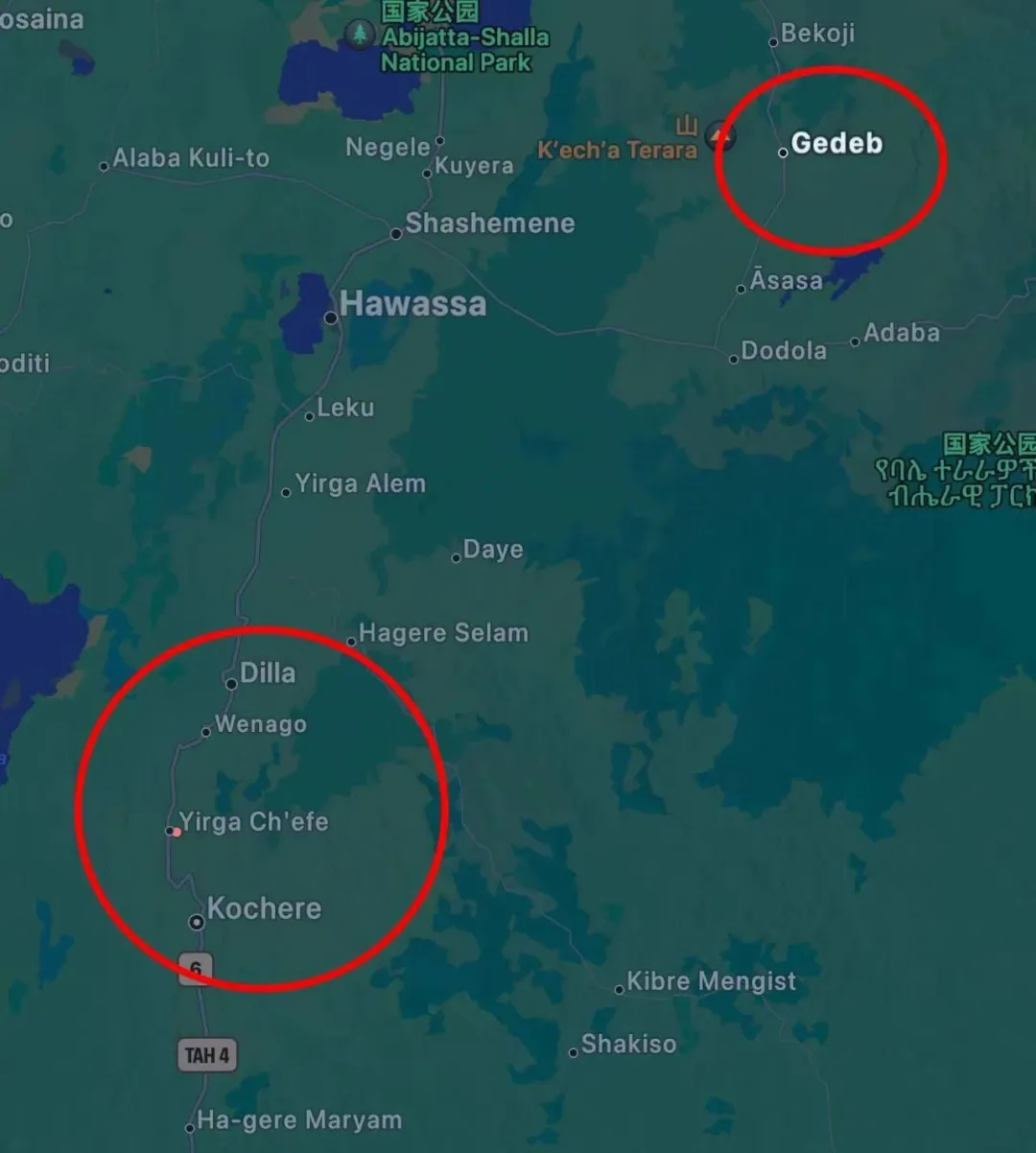
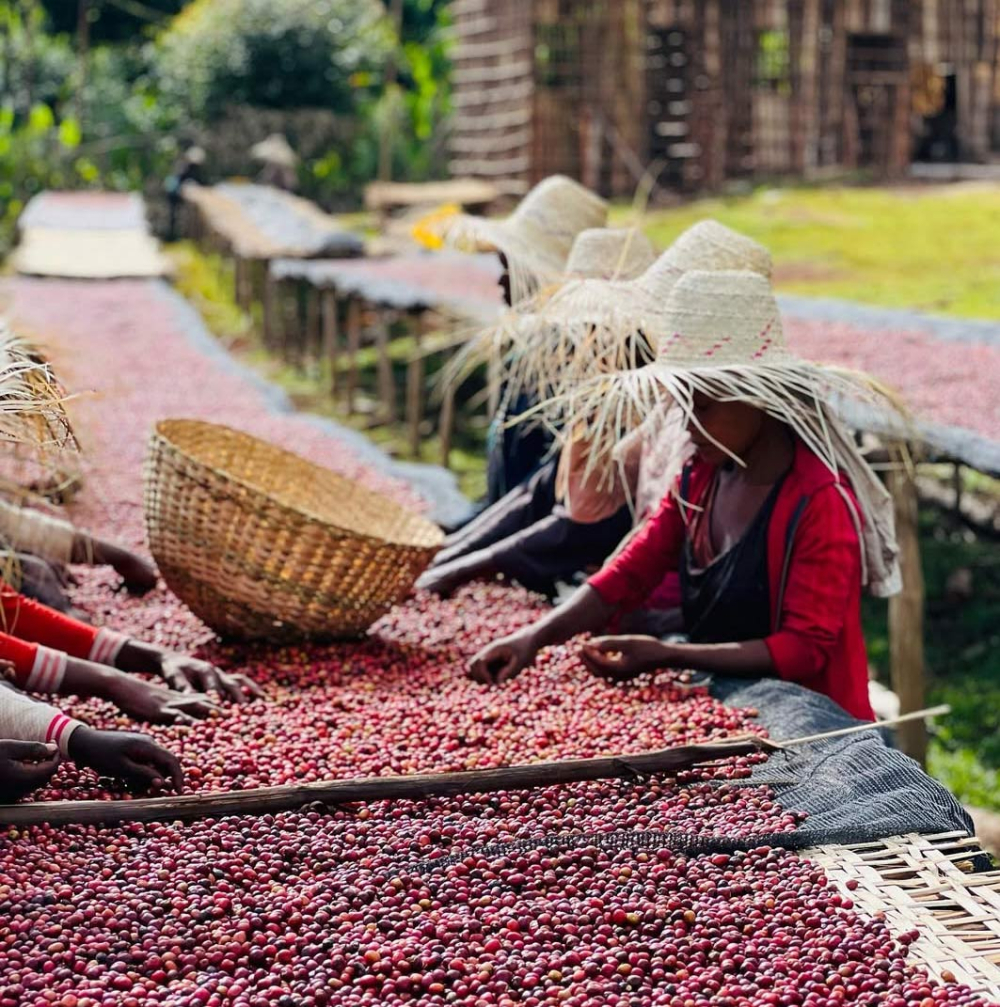
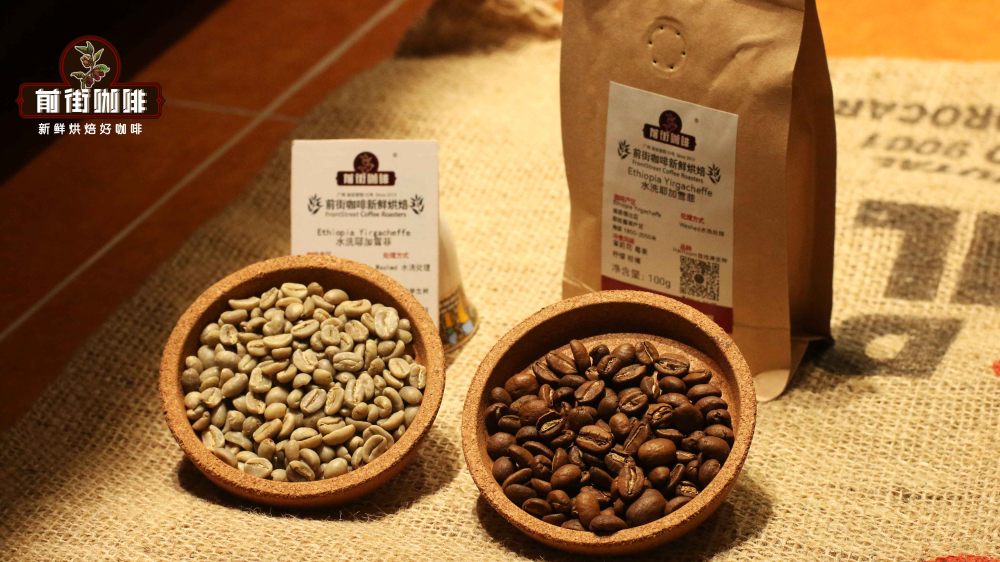
In terms of processing methods, Yirgacheffe coffee adopted the washed processing technique from Central and South America in the 1970s, gradually establishing the region’s reputation primarily for washed beans. Washed processing highlights the inherent base flavors of the region—especially the clean white floral and citrus acidity—making Yirgacheffe washed beans a favorite in many professional evaluations. However, since 2007, the traditional natural (sun-dried) processing method has regained popularity for showcasing more layered fruit sweetness and a fuller body, offering another option for consumers who prefer richer flavors.
For beginners or coffee lovers seeking a reliable everyday drinker, light-roast Yirgacheffe is an excellent starting point. Light roasting preserves the maximum amount of original flavors and emphasizes the beans’ regional characteristics, such as bright acidity, floral and fruity aromas, and a light body. These beans are typically well-suited for pour over brewing, which highlights the nuanced and multifaceted aspects of the coffee. Moreover, they are relatively affordable, making them ideal for those new to single-origin coffee.
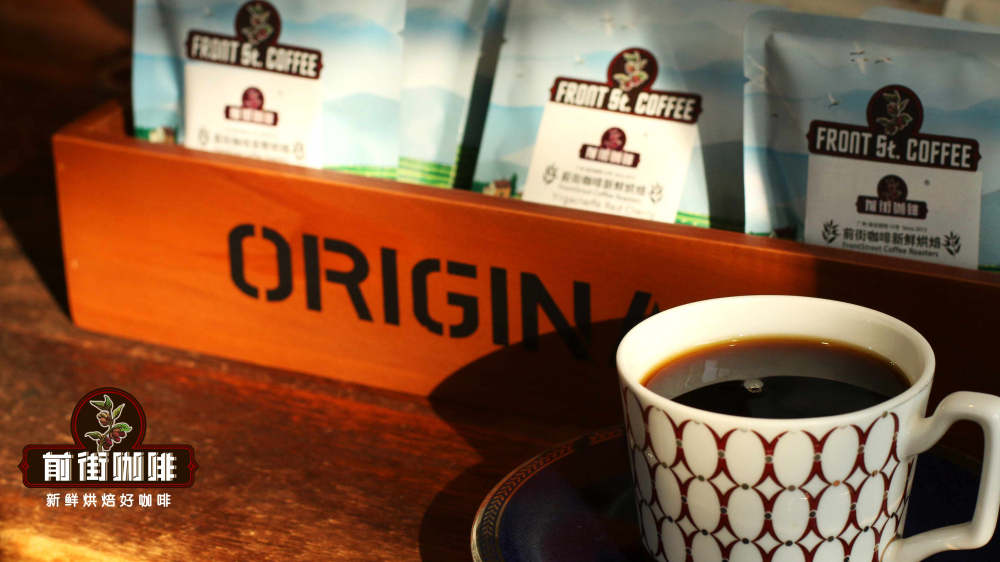
Washed Yirgacheffe beans often exhibit pronounced aromas of jasmine, berries, lemon, and citrus, with a refreshing taste and balanced acidity and sweetness. In contrast, natural Yirgacheffe tends toward a more intense fruitiness, such as honey, cream, and juice-like sensations, coupled with a hint of soft floral notes, resulting in a fuller and rounder mouthfeel. Both processing methods have their unique merits; those who prefer a fresh and bright profile may opt for the washed version, while those who enjoy sweet, fruity flavors might lean toward the natural.

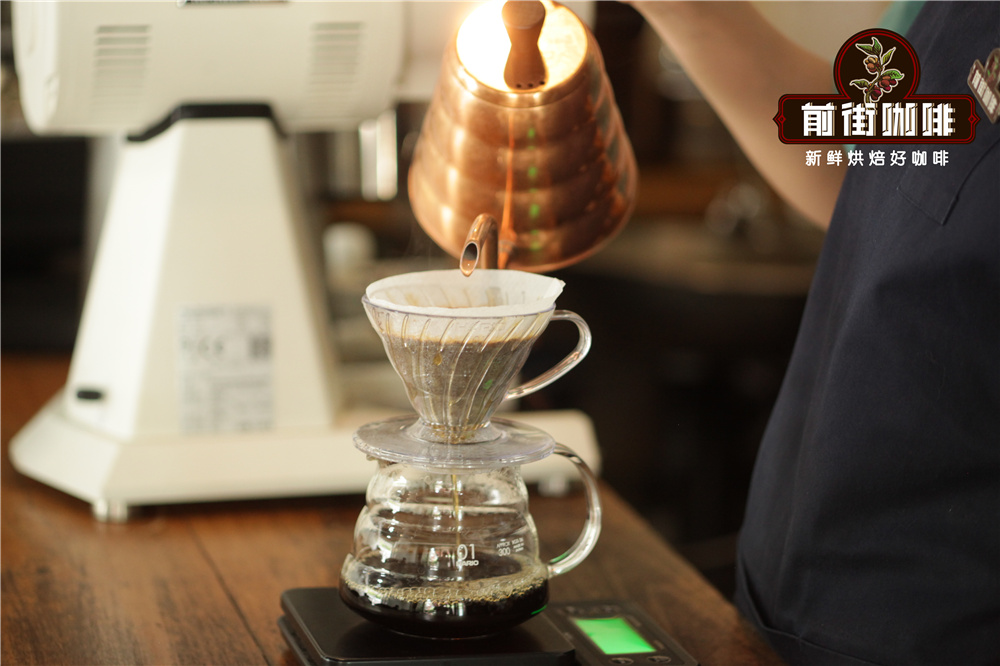
To fully showcase the elegant qualities of Yirgacheffe, medium-light roasting is recommended, along with a high water temperature of 93°C and a relatively fine grind size (approximately 80% passing through a Chinese standard No. 20 sieve). Additionally, to avoid over-extraction, it’s advisable to use a V60 dripper with a faster flow rate and employ the three-pour method: start with a 30-second bloom using 30 grams of hot water, followed by a slow pour to 125 grams in the second phase, and then continue pouring to 225 grams in the final phase. The total extraction time should be controlled around two minutes, effectively enhancing flavor complexity and overall performance.
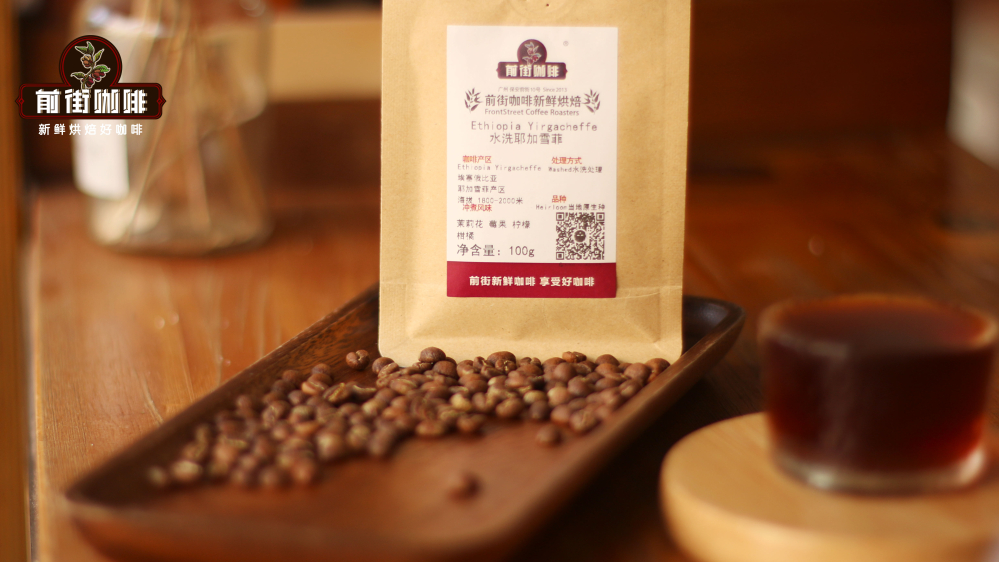
In actual tasting, washed Yirgacheffe typically offers subtle floral aromas, with distinct berry acidity and citrus notes upon entry, transitioning into a sweet orange-like mellow sweetness in the aftertaste. The overall profile is clean and bright. On the other hand, natural Yirgacheffe, especially when served hot, more readily reveals intense berry and juice flavors, intertwined with honey-like sweetness and silky, creamy textures, accompanied by soft jasmine notes, delivering a richer and more indulgent taste experience.

The above content is compiled by CoffeeHunters, a coffee news website.


