








Introduction:As a representative coffee from Ethiopia’s high-altitude regions, Yirgacheffe is renowned for its distinctive fruity acidity and floral aromas. This article delves into the flavor profiles of the sun-dried and washed processing methods, comparing their intensity in floral and fruity notes, and provides recommended brewing parameters for various methods such as pour over and cold brew to help beginners choose the Yirgacheffe beans that best suit their taste.
Yirgacheffe is a premium Arabica coffee produced in Ethiopia’s southern high-altitude areas, known for its bright and vibrant acidity along with complex floral and fruity aromas. The most captivating aspect of this coffee is its refreshing white floral notes upon entry, followed by layered citrus and berry flavors that leave a lasting impression.
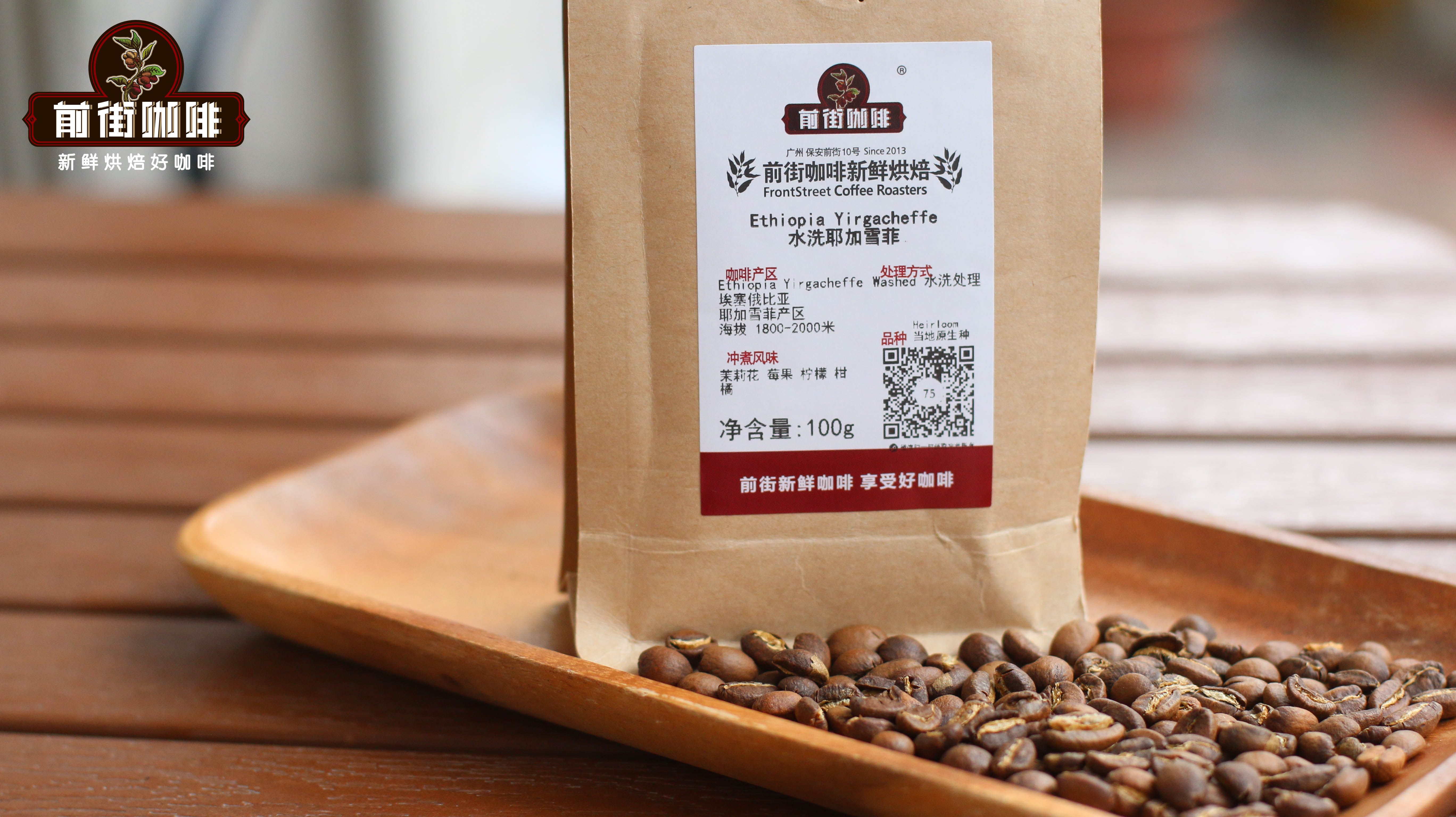
In Ethiopia’s coffee grading system, beans are primarily scored based on their defect rate, in combination with cupping performance and physical appearance. The lower the grade number, the higher the quality, with G1 being the highest and G2 following next. Commonly seen brands such as the Sun-Dried Red Cherry G1 from one brand and the Washed Gedi Coffee G1 from another belong to the top-tier quality, while the Washed Yirgacheffe G2 from a certain brand is a slightly lower-grade yet still excellent choice.
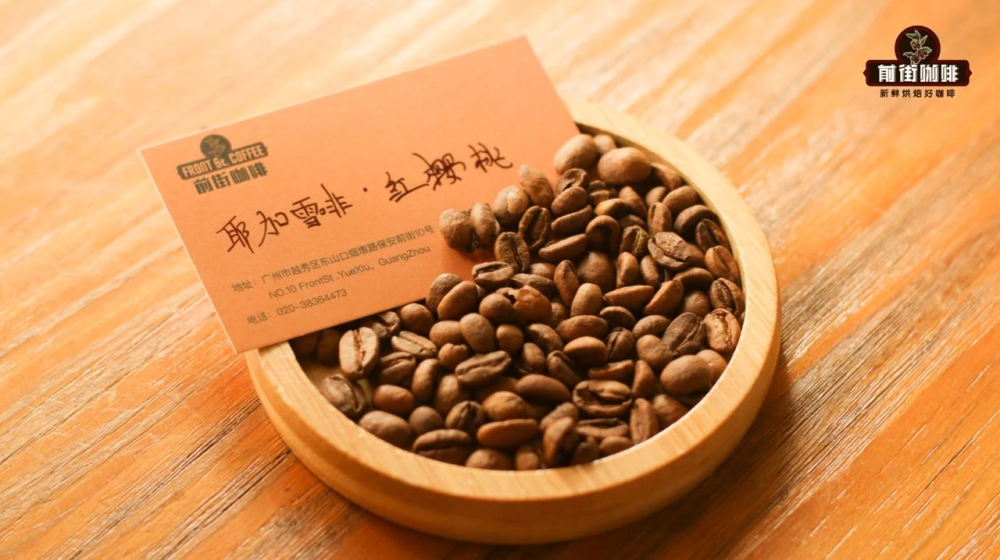
[Brand] Yirgacheffe Red Cherry Sun-Dried G1 Country: Ethiopia Region: Yirgacheffe Processing Farm: Aricha Altitude: 2300 meters Variety: Local landrace Processing Method: Sun-dried Flavor: Berries, light floral, lemon, strawberry, slight fermentation notes
This sun-dried Red Cherry bean delivers rich aromas of ripe fruit, with a round and sweet mouthfeel, featuring a unique layering of fermented notes. It’s recommended to try brewing with various methods such as pour over, cold brew, drip bags, French press, or siphon to explore its diverse flavor profiles.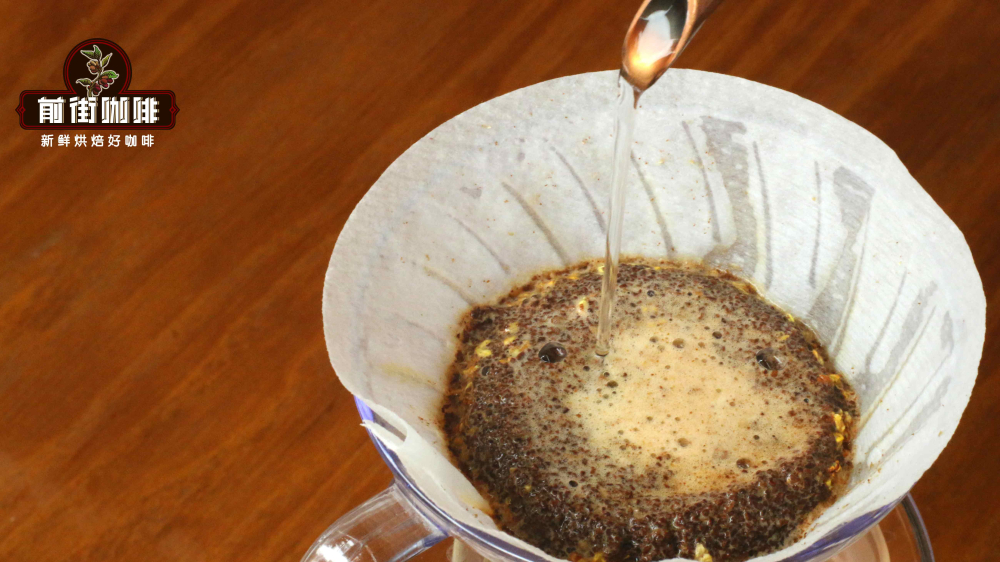
The sun-dried processing method is the most traditional way of coffee processing. These Red Cherry beans are dried on raised beds for over two weeks with the entire coffee cherry — including the pulp and skin — intact. This method strictly avoids the cherries touching the ground to prevent earthy off-flavors. After sufficient sun exposure and maturation, the beans are then separated from the fruit pulp.
The standout characteristic of this processing method is that it imparts lower acidity, pronounced sweetness, and rich body to the beans, but it generally lacks the clarity and cleanliness achieved by the washed method.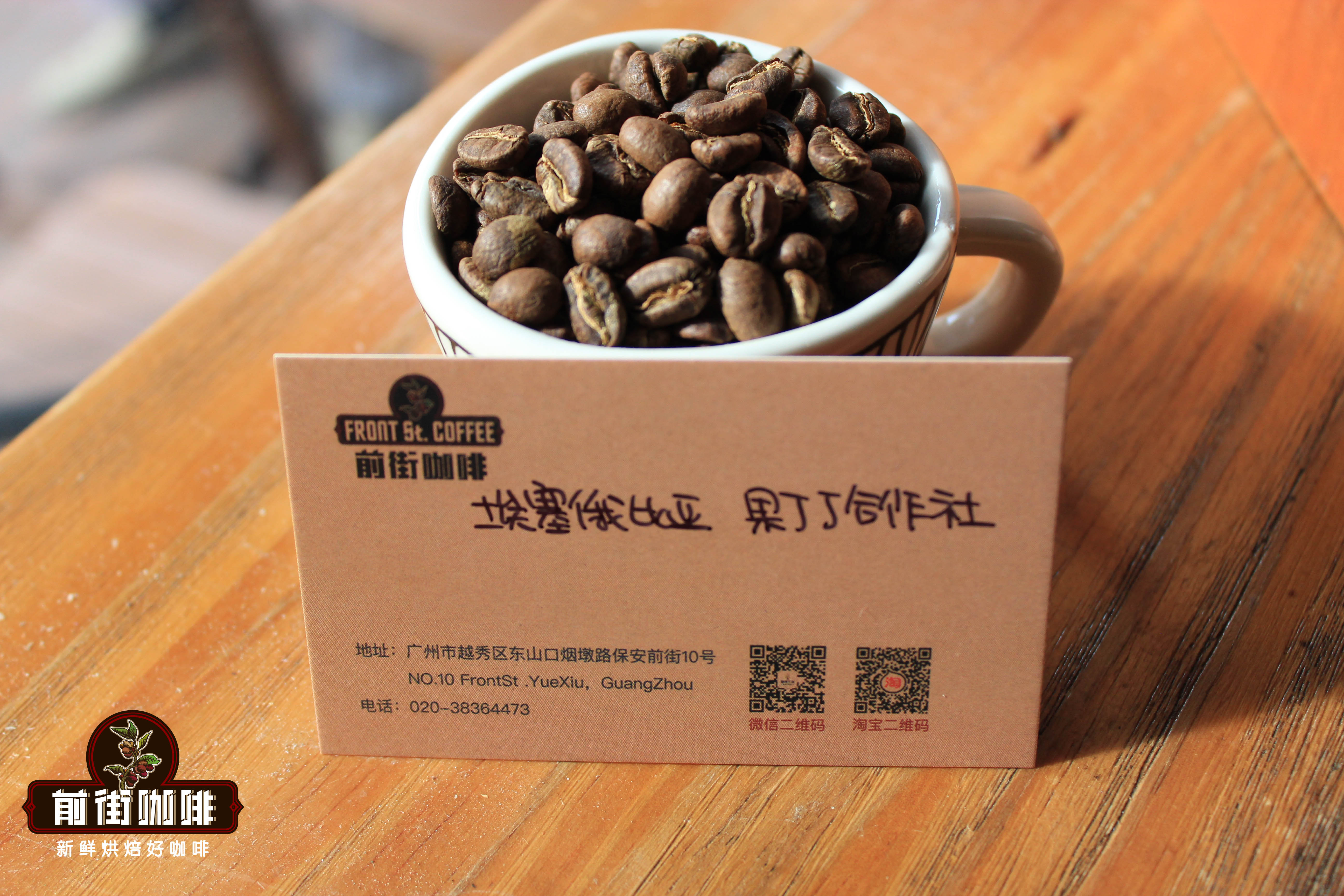
[Brand] Yirgacheffe Gedi G1 Country: Ethiopia Origin: Yirgacheffe Gedi Cooperative Altitude: 2000–2100 meters Variety: Local landrace Processing Method: Washed Flavor: Jasmine, citrus, berries, honey, tea-like
The washed Gedi beans showcase the most classic and refreshing flavor profile of Yirgacheffe, with bright citrus notes and elegant white floral aromas as its defining features. It’s highly suitable for coffee lovers who prefer a clean and crisp taste. Pour over or cold brew methods are recommended to best highlight its delicate layers.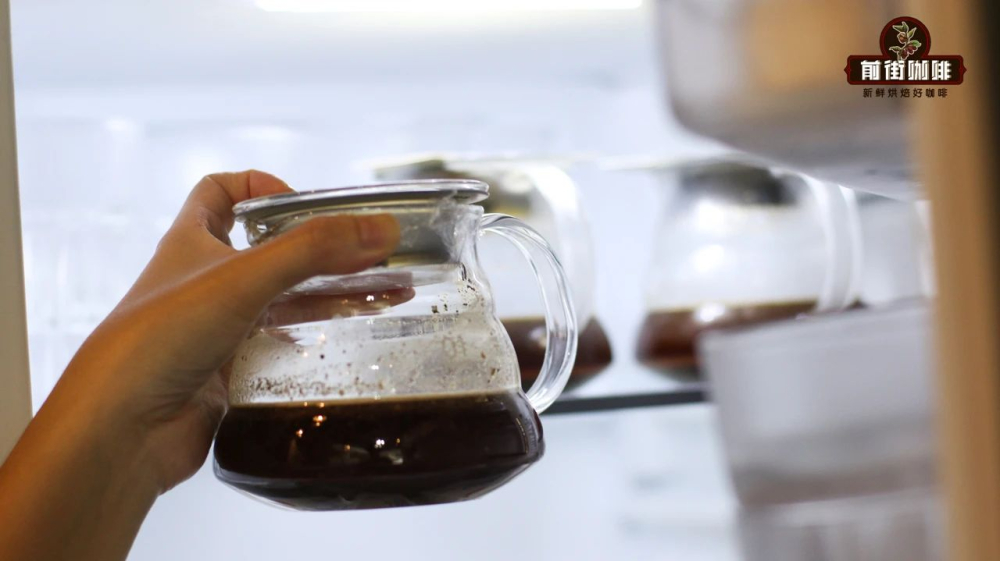
The washed processing technique was originally introduced to Ethiopia from Central and South America to address the common issue of defective flavors associated with early sun-dried methods. This meticulous process includes strict fruit selection, thorough washing, controlled fermentation, removal of pulp and mucilage, and even drying on raised beds. Precise control at each stage is key to ensuring the final coffee quality.
The washed processing method has helped Yirgacheffe coffee overcome its past issues of inconsistent quality. After roasting, it exhibits a highly distinctive, refreshing citrus tone and elegant white floral notes, with an overall bright and refined flavor profile. This revolutionary change also led to Yirgacheffe separating from the Sidamo region and becoming one of the world’s recognized top coffee origins today.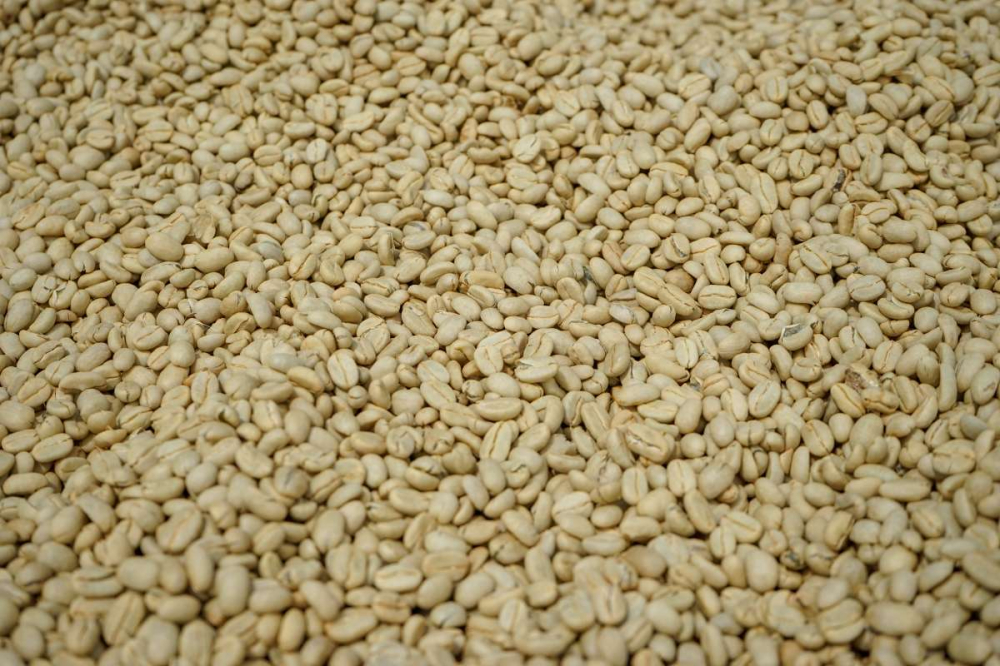
The above content is compiled by CoffeeHunters, a coffee news website.


