







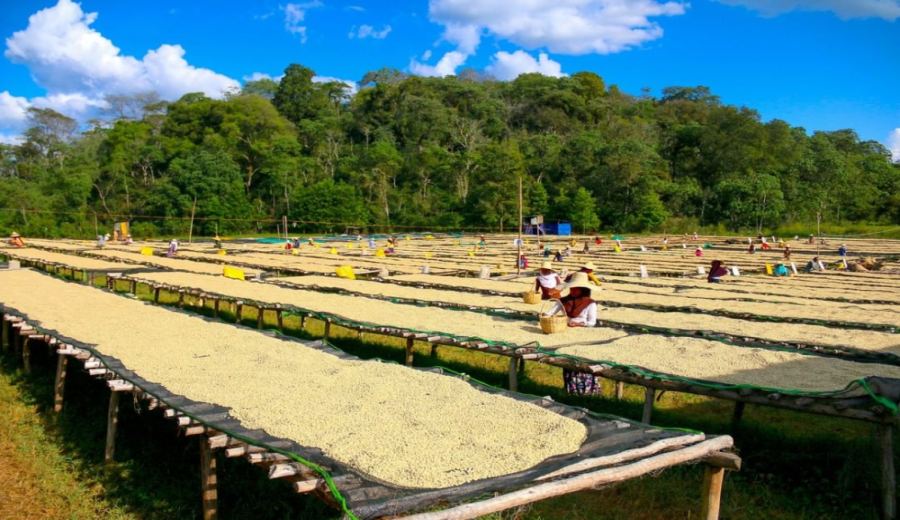
Introduction:As one of Ethiopia’s representative coffee beans, Yirgacheffe is renowned for its unique citrus and floral flavor profiles. However, many beginners often encounter issues such as excessive acidity or uneven extraction when brewing it using pour over methods. This article provides a detailed guide to brewing medium-light roasted Yirgacheffe, covering key parameters such as water temperature, grind size, and pulse pouring techniques. Practical suggestions are offered for immediate application, along with an analysis of how adjusting brewing methods can highlight bright fruit acids and a rich, mellow finish. It is ideal for coffee enthusiasts looking to deepen their understanding of African single-origin beans.
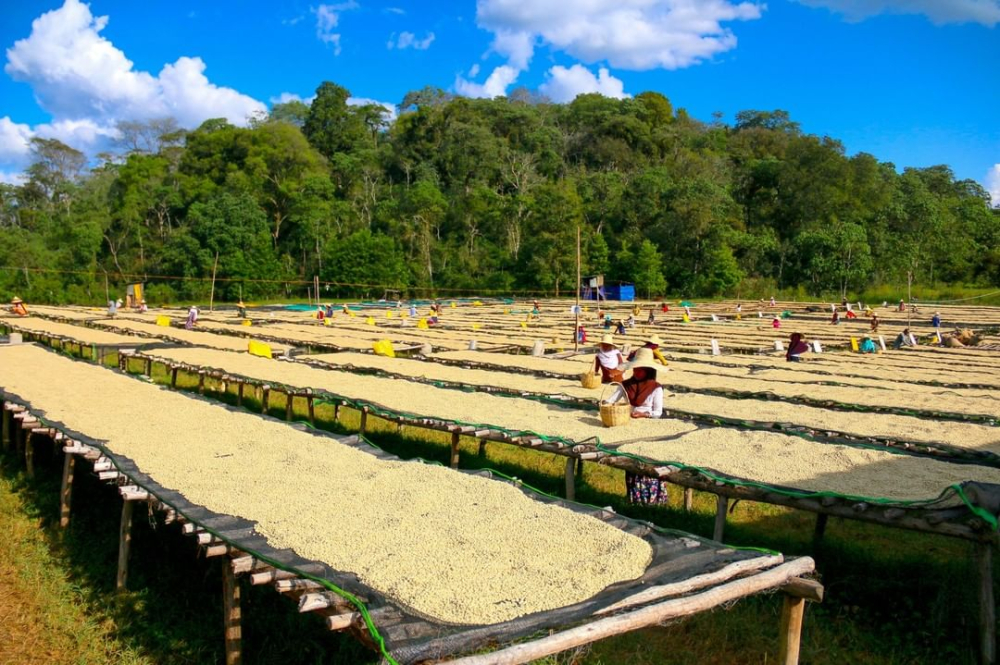
When discussing premium African coffees, Ethiopia remains an indispensable and pivotal origin. Not only is it the birthplace of coffee, but it also produces classic beans like Yirgacheffe, which are celebrated for their bright acidity, citrus notes, and honey-like aftertaste. Among the many descriptive terms, “jasmine, berries, passion fruit” and other floral and fruity aromas have become flavor signatures of Yirgacheffe, even forming the introductory impression for many people exploring specialty coffee.

For beginners, the charm of Yirgacheffe lies in its refreshing and easy-drinking profile, coupled with relatively affordable pricing, making it an excellent everyday drinking bean. If you want to experience the typical Ethiopian washed process flavor, it is recommended to prioritize beans graded as G1 — this means there are no more than 3 defective beans per 300 grams of green coffee, ensuring high flavor purity and consistency.
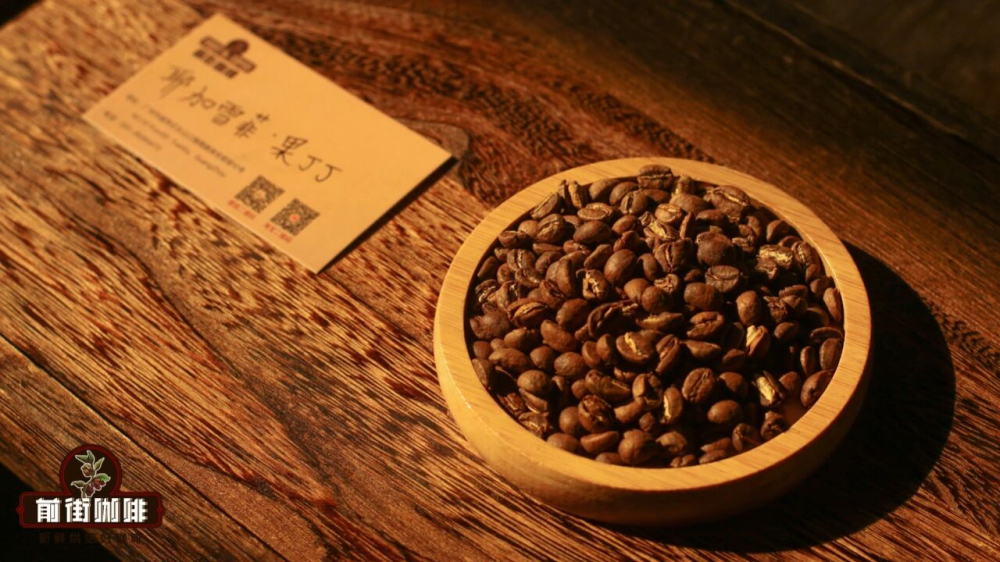
Many people, upon first trying Yirgacheffe, often comment that it is “too acidic.” This usually stems from two main factors: one is the lighter roast level, and the other is suboptimal brewing parameters. In fact, the medium-light roast is designed to highlight its delicate aromatic fragrance and vibrant acidity, while retaining a moderate sweet aftertaste. During the dry aroma stage, the fresh acidity of passion fruit, citrus, and berries can be distinctly detected; after brewing, it exhibits citrus acidity, berry sweetness, paired with an almond-like nuttiness and honey-like sweetness, resulting in a rich yet balanced flavor profile.
Below are practical brewing parameter suggestions for medium-light roasted Yirgacheffe (e.g., using 15 grams of coffee and a 1:15 coffee-to-water ratio): Use a V60 filter cone, control the water temperature at 92–93°C, and set the grind size to roughly the coarseness of fine sugar (recommended to use a #20 sieve, retaining 78% of the grounds). Employ the classic three-pour method, with a total water volume of 225 milliliters, divided into the first pour of 30 milliliters, the second pour of 95 milliliters, and the third pour of 100 milliliters, corresponding to 30 grams, 125 grams, and 225 grams as shown on the scale.
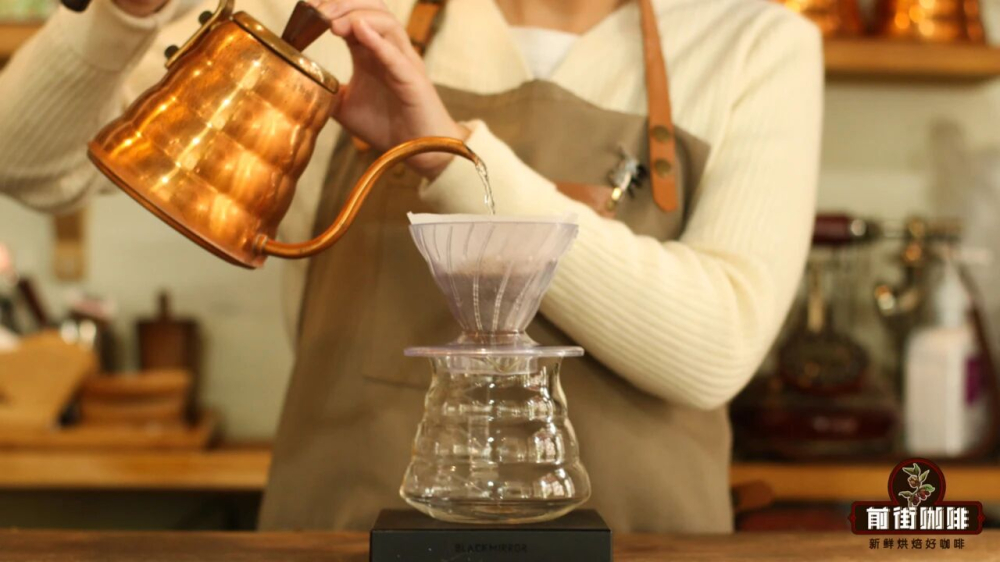
In terms of actual operation steps, start by placing the folded filter paper into the V60 cone and evenly wetting it with hot water to ensure it adheres to the walls. This step also preheats the equipment and removes any paper taste. Once the thermometer and hot water are ready, add 15 grams of ground coffee into the filter cone, reset the scale to zero, and begin the brewing process.
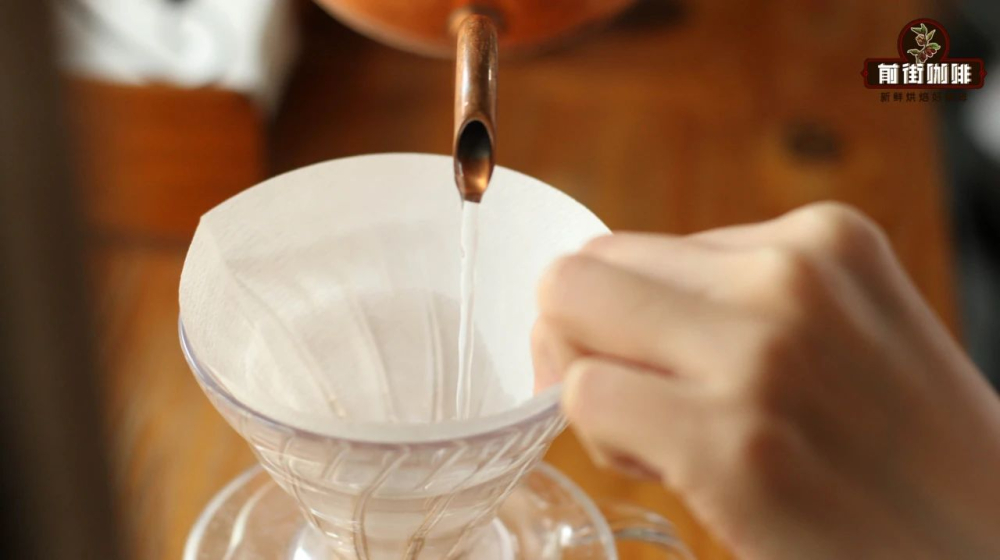
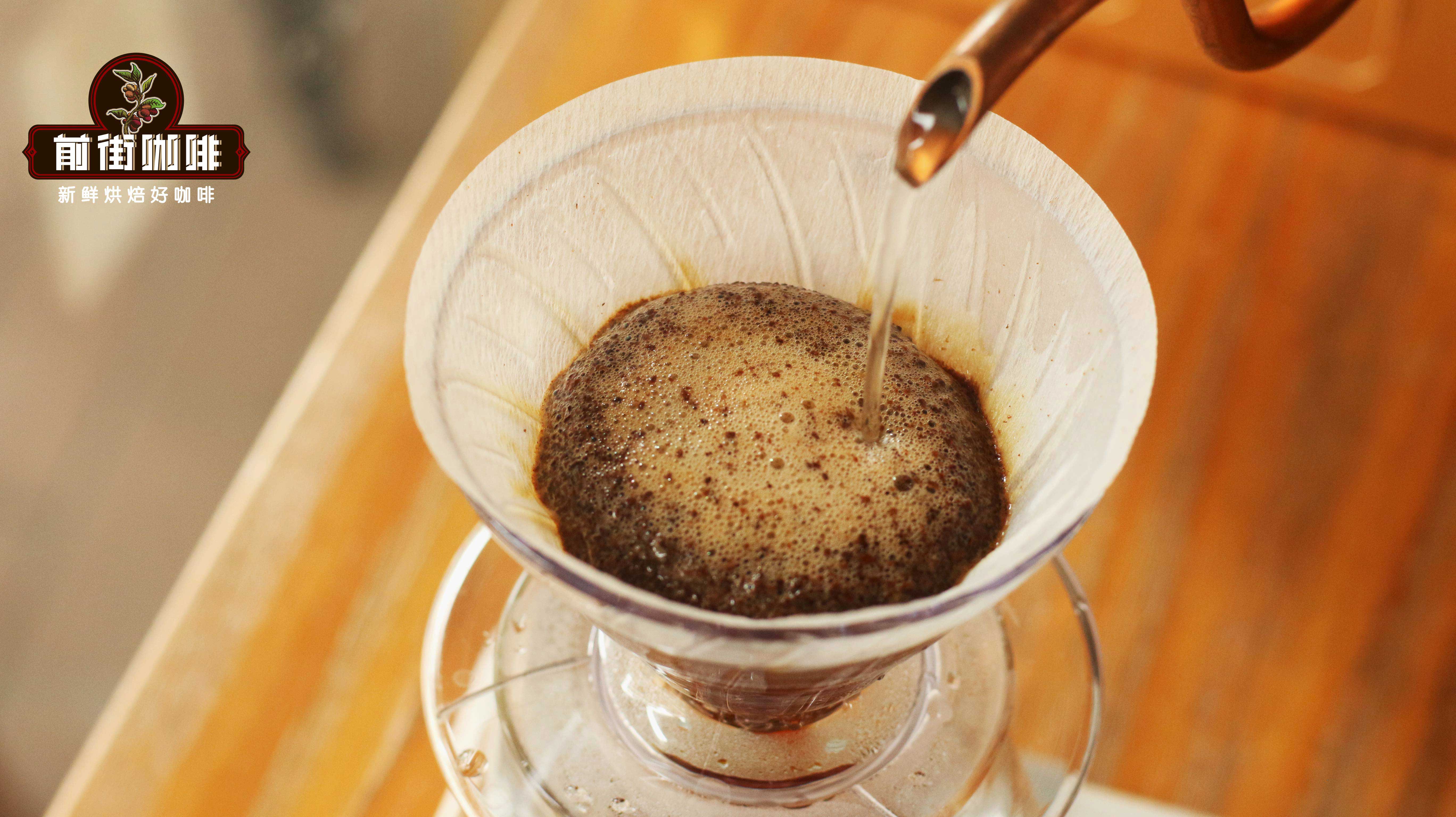
In the first stage, pour 30 grams of water and let it bloom for 30 seconds. It is recommended to use a small stream of water and slowly circle from the center outward to ensure all coffee grounds uniformly absorb water and expand. This step is crucial for flavor activation, so pay attention to whether the coffee bed is fully saturated.
After the bloom, switch to a slightly larger stream of water and steadily pour the second 95 grams. The goal is to gently agitate the coffee bed to promote even extraction. Maintain a vertical water stream and even distribution during this stage. This pour should be completed in about 55 seconds, with the scale showing a cumulative weight of 125 grams.
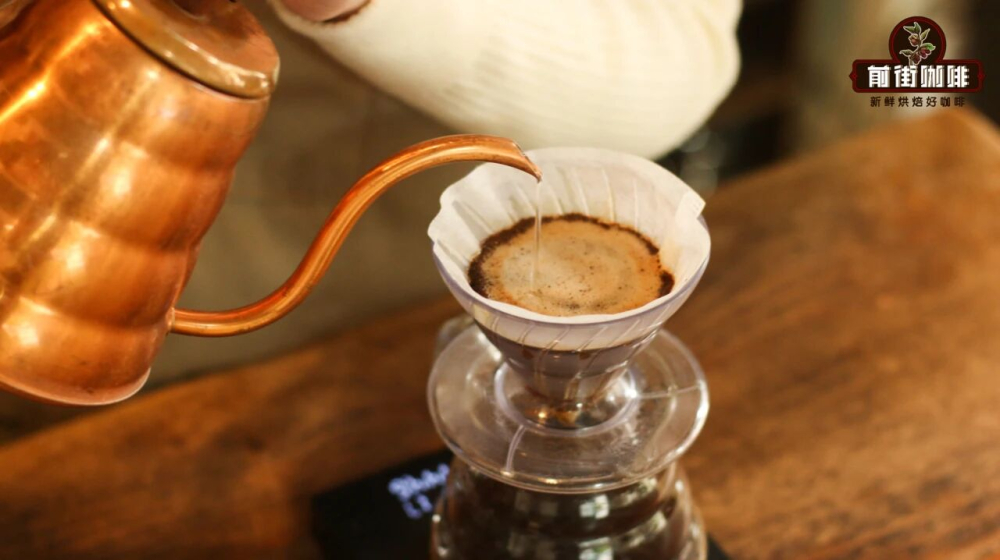
In the final stage, when the liquid level drops to about half, switch to a smaller stream and pour the remaining 100 grams in small circular motions. Be especially careful to control the water flow to avoid disrupting the coffee bed structure, which could lead to under-extraction. The total dripping time for the entire process is about 2 minutes. After brewing, it is recommended to gently swirl the server to mix the coffee evenly before enjoying a cup of Yirgacheffe pour over that balances bright fruit acidity with a rich, mellow finish.
The above content is compiled by CoffeeHunters, a coffee news website.


