







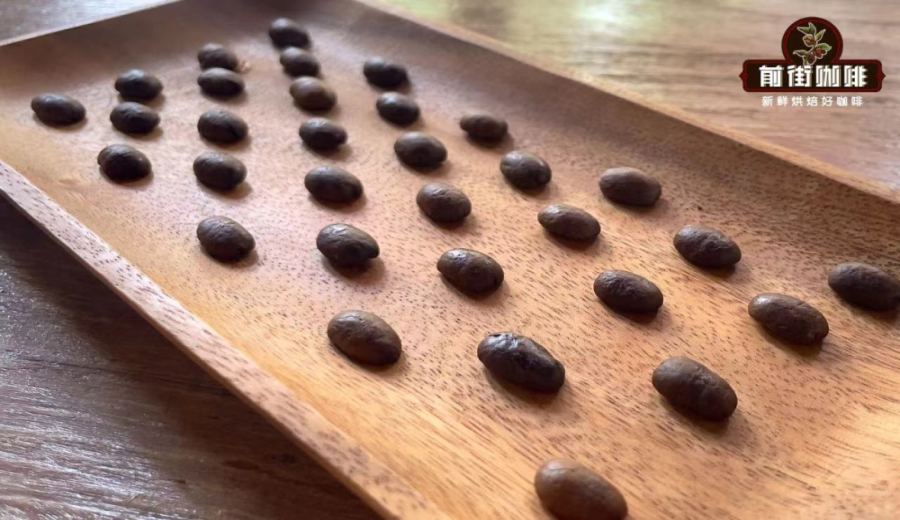
Introduction:Indonesian Sumatran Mandheling coffee is renowned for its full body and low acidity, while Golden Mandheling has garnered even more attention due to its premium grading and unique processing method. This article delves into the flavor differences between Indonesian Mandheling and Golden Mandheling, explores the impact of the wet-hulling process on flavor, and provides professional pour over parameters to help you brew a rich and sweet cup of Golden Mandheling black coffee at home.
Indonesian Sumatran CoffeeKnown for its full body, low acidity, and caramel-like aroma, it is a top choice for many coffee lovers who prefer a bold and intense cup. Among these, Mandheling coffee hails from the island of Sumatra and is often deeply roasted to bring out its rich aroma, low acidity, and slight bitterness with a sweet aftertaste — making it especially appealing to those who enjoy herbal and woody flavor profiles. Golden Mandheling, on the other hand, is a higher-grade variety of Mandheling, distinguished by stricter selection standards and superior quality.
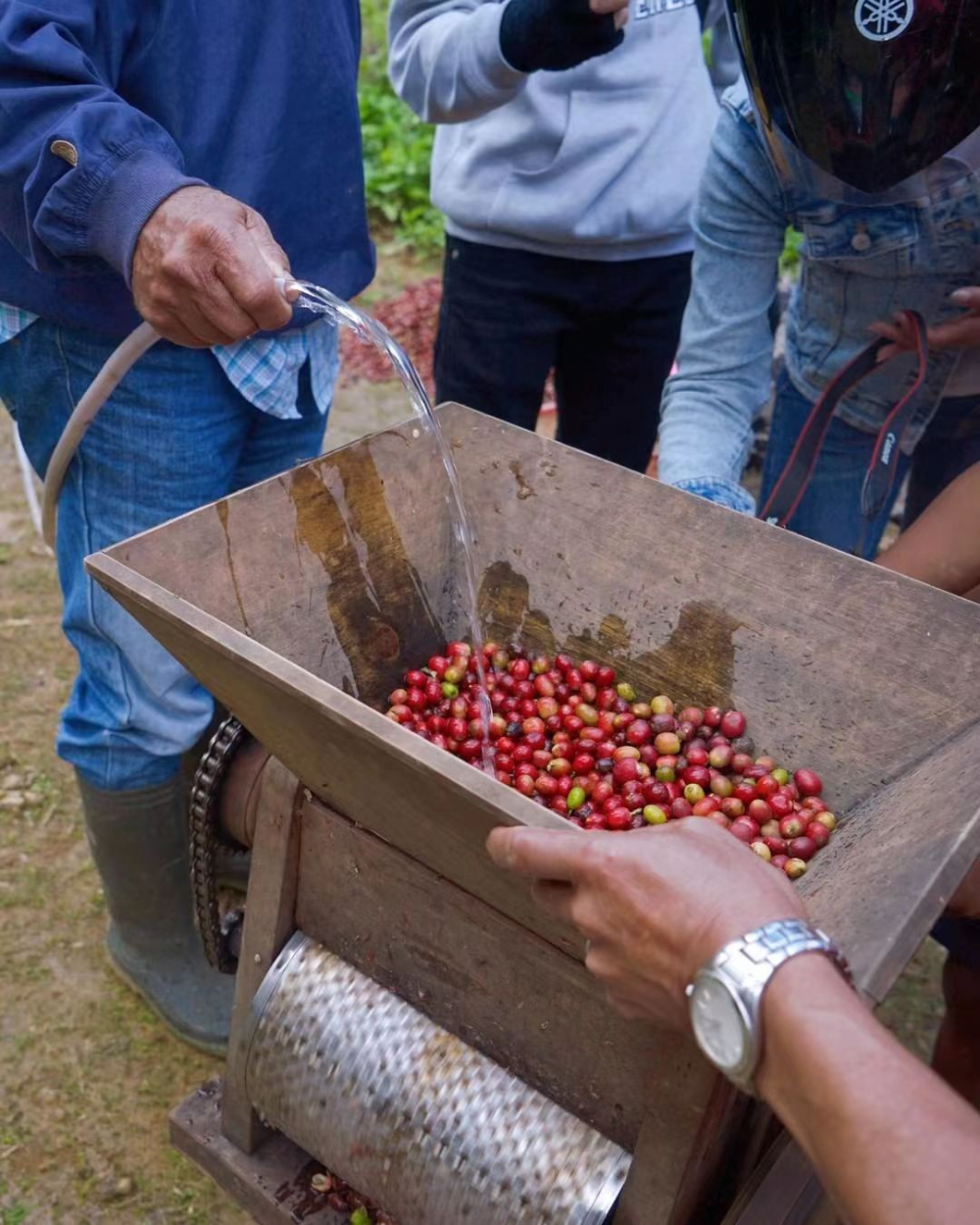
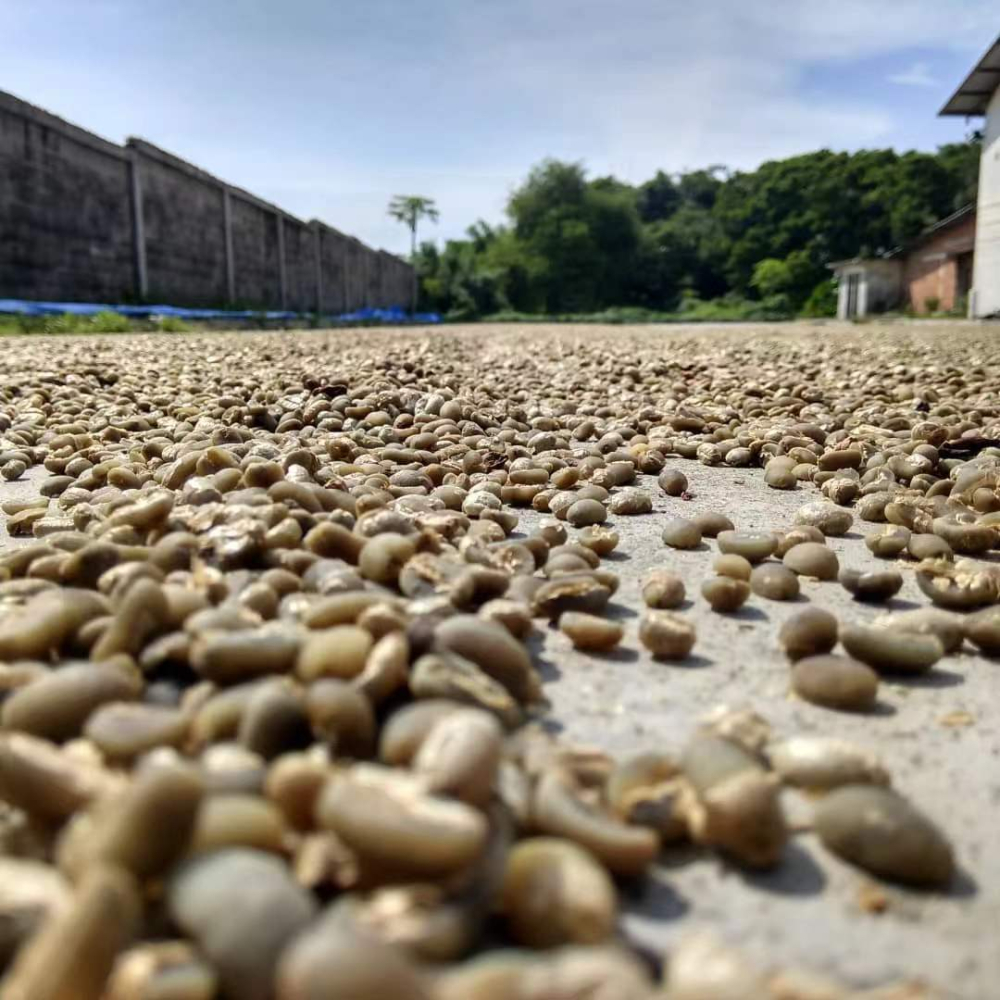
The uniquely bold and distinctive flavors of Indonesian Mandheling coffee are inseparable from the region’s uniquewet-hulling process,also known as "giling basah." This method originated in Indonesia’s high-humidity climate, where annual humidity often reaches 70%–90% and rainfall exceeds 2000 millimeters, making traditional sun-drying and washed processing methods difficult to implement. In the wet-hulling process, coffee cherries undergo brief fermentation and initial mucilage removal, after which the parchment-covered beans are dried only to a moisture content of 30–40%. The parchment layer is then removed for a second drying phase. This process makes the green beans more susceptible to microbial influence, resulting in distinctive herbal, spicy, and woody flavor notes.
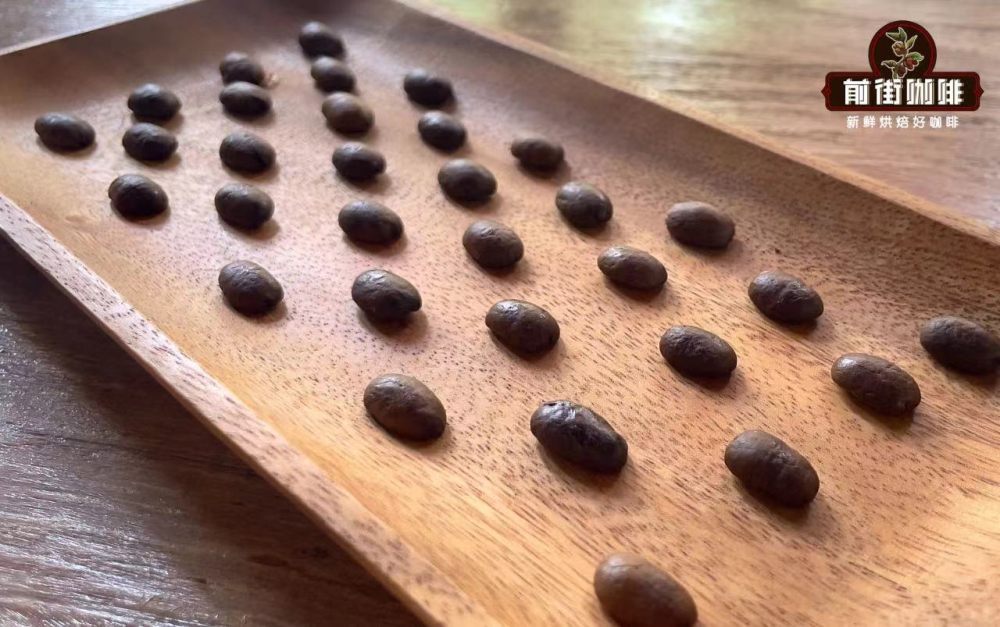
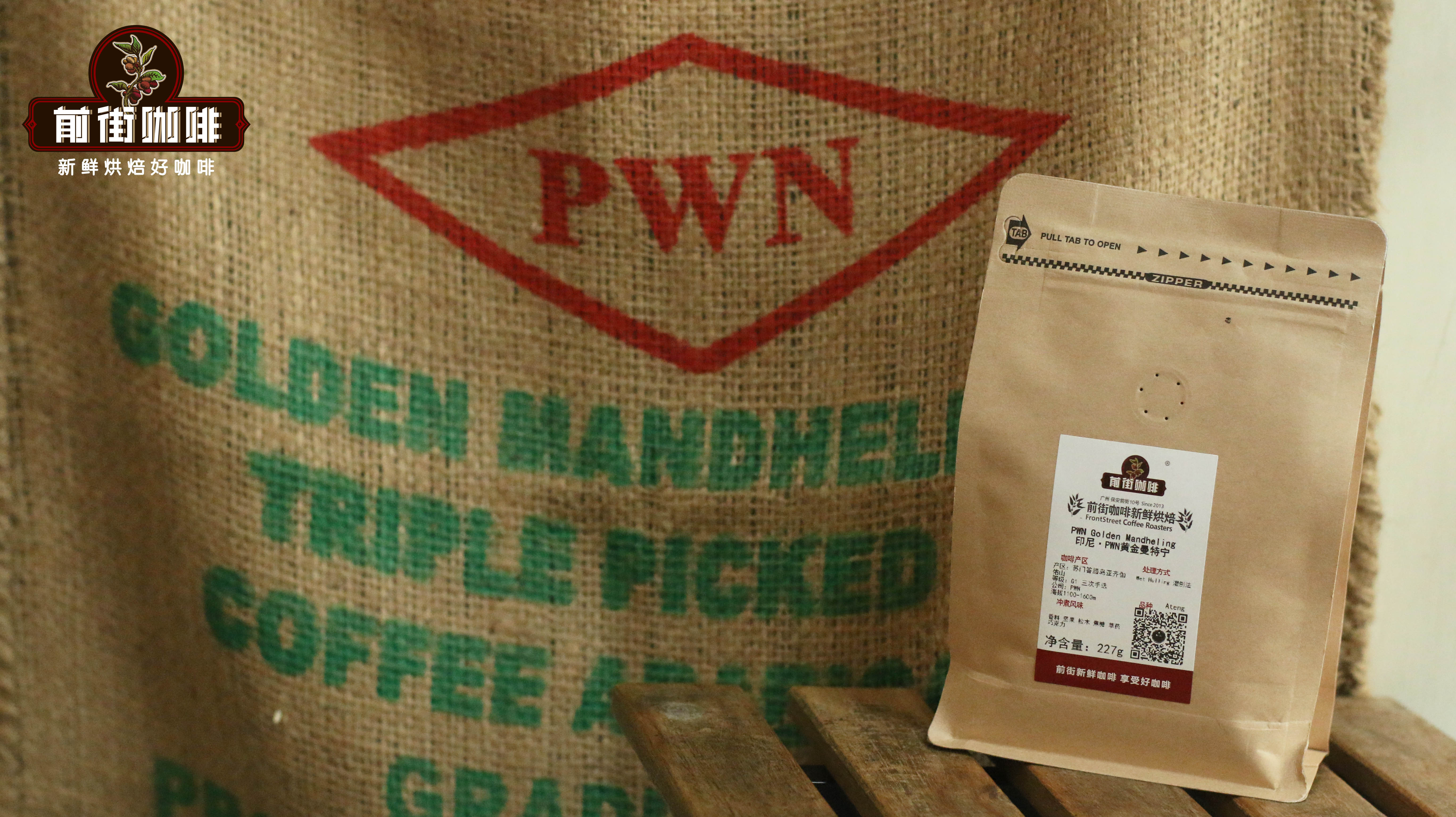
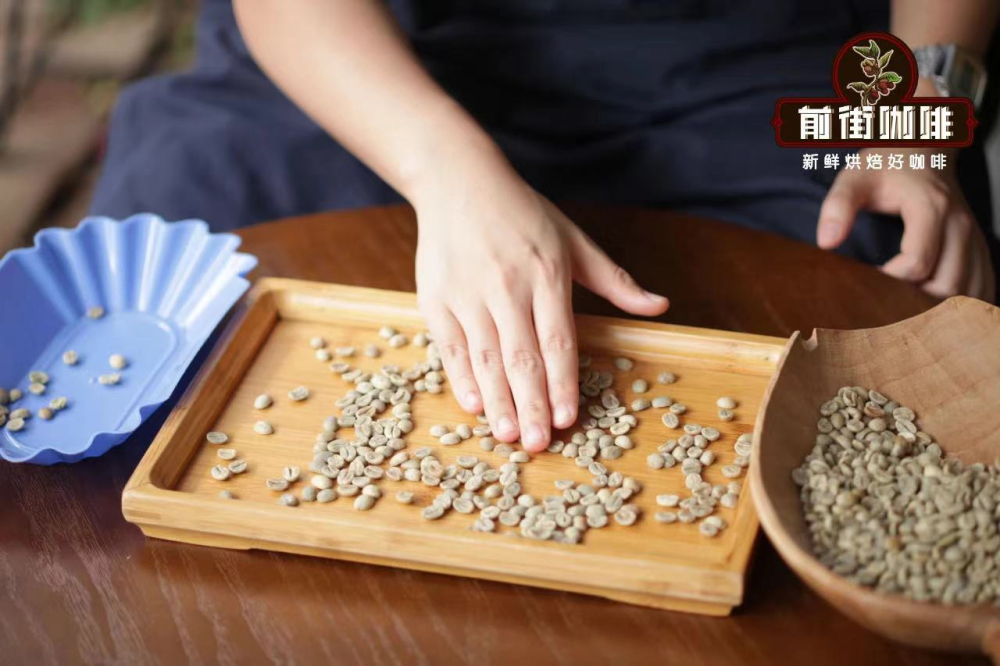
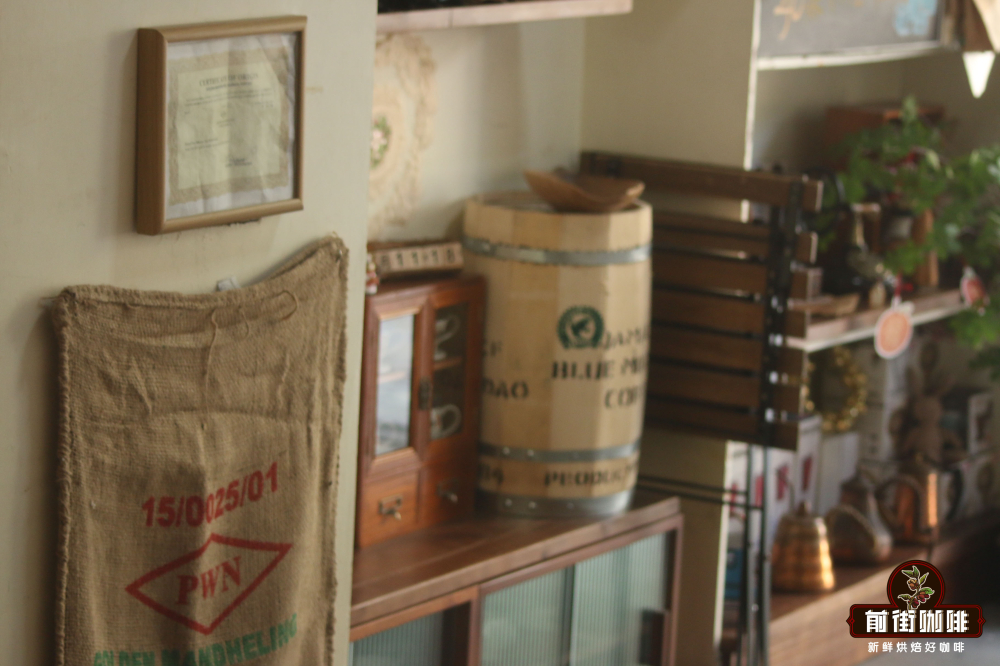
Among the commonly available Indonesian Mandheling coffees on the market,Golden Mandhelingstands out due to its more rigorous grading and selection process. This name is a trademark registered by Indonesia’s PWN (Pusat Penyangga dan Pemasaran Kopi) company, and only coffee beans produced by them can be called authentic Golden Mandheling. On the foundation of Indonesia’s highest grade, G1, PWN conducts three additional rounds of manual sorting, significantly reducing defect rates and ensuring uniform bean shape and color. This results in a cleaner taste, higher sweetness, and more consistent flavor profile.
Many consumers easily confuse the “Golden Mandheling” labels found in the market. In fact, only beans produced by PWN carry the guaranteed quality of authentic Golden Mandheling. Some merchants may select G1-grade beans larger than 18 mesh and perform three rounds of manual sorting, but the flavor profile still differs markedly from that of PWN-produced beans. Professional baristas can identify the clean and pure taste of PWN Golden Mandheling through blind tastings — a key factor that makes it difficult to replicate.
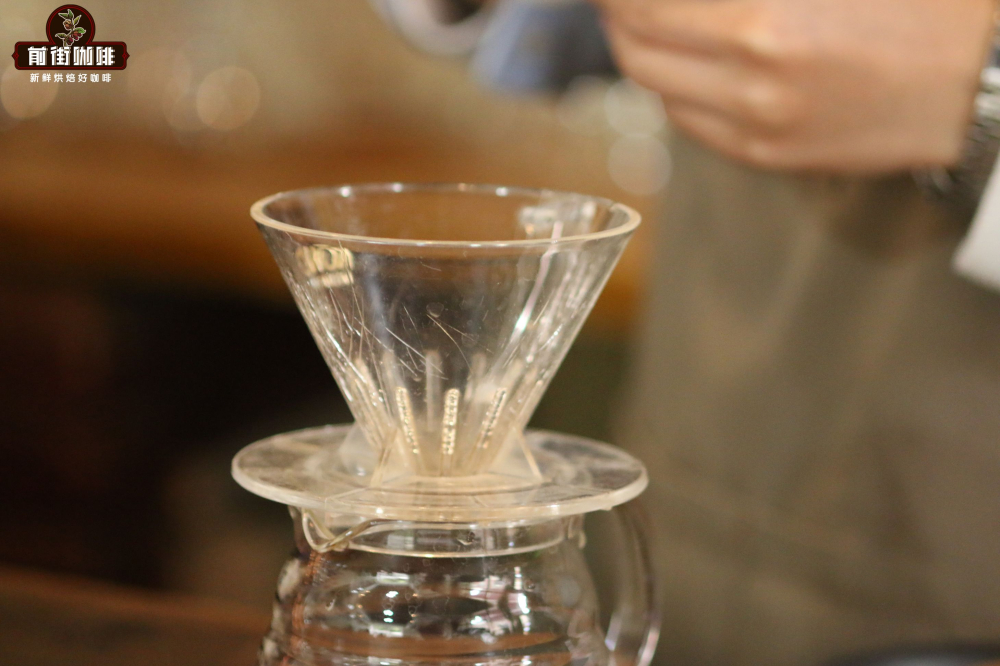
If you want to brew high-quality Golden Mandheling at home, understanding the correctpour over parametersis essential. It is recommended to use a KONO filter cone, with water temperature at 88°C, a coffee dosage of around 15 grams, a brew ratio of 1:15, and a grind size set to 70% passing through a standard Chinese No. 20 sieve. Since Golden Mandheling is typically medium to dark roasted, its flavor compounds are released more quickly. Therefore, a coarser grind and moderate water temperature are advised to balance extraction and avoid over-extraction, which can lead to bitterness.
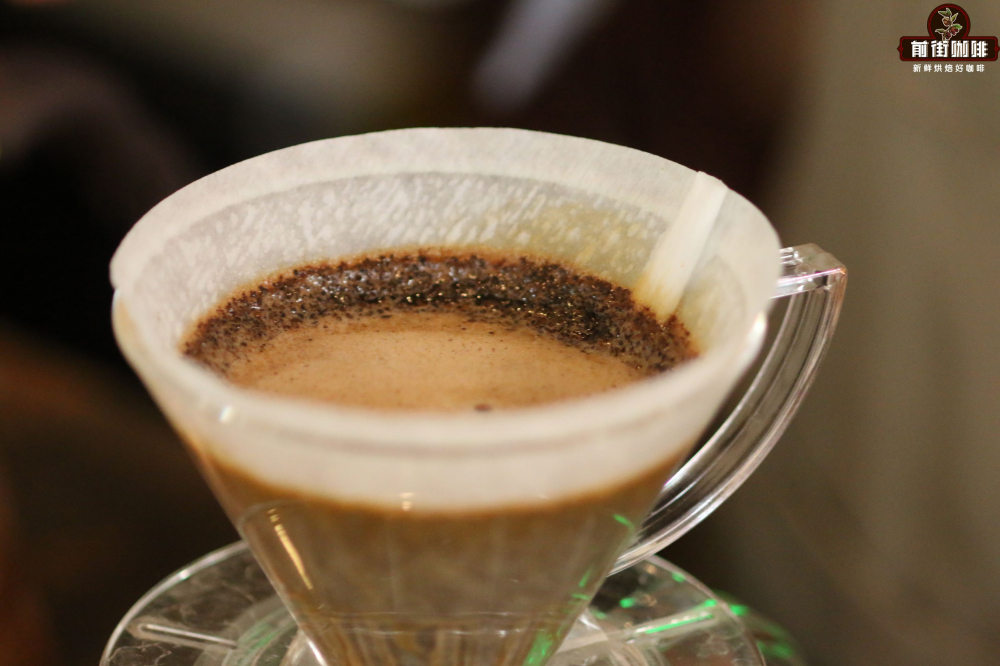
For the specific brewing steps, start by pouring 30 grams of hot water for a 30-second bloom to release carbon dioxide and stabilize subsequent extraction. Then, slowly pour in a thin stream of water in small circles from the center outward. When the total water volume reaches 125 grams, wait for the water level to drop before continuing to pour in circles until you reach 225 grams. The total brew time should be controlled at around 2 minutes. This method fully highlights Golden Mandheling’s spicy, sweet herbal, and citrusy aromas, followed by a rich melon and caramel finish as the temperature slightly cools.
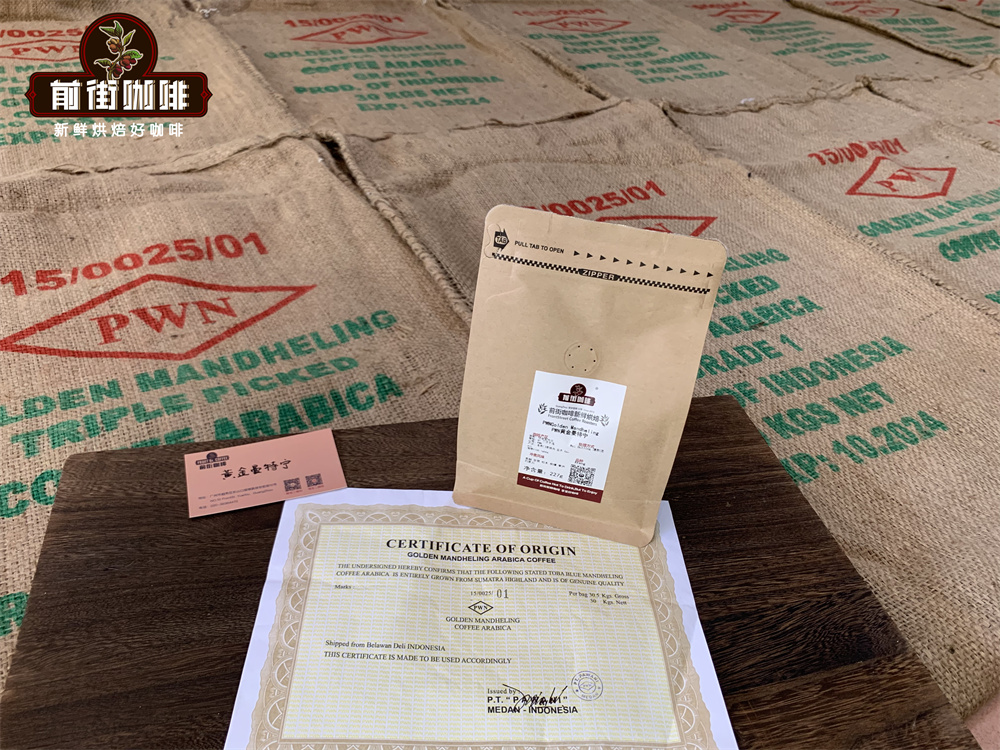
It’s important to note that once ground, the increased surface area of the coffee powder accelerates flavor loss. It is recommended that consumers buy whole beans and grind them fresh before brewing to achieve the best flavor. If you don’t have a grinder, although you can opt for grinding services, it’s still advisable to use the coffee as soon as possible to avoid aroma loss. Additionally, authentic PWN Golden Mandheling is usually packaged in sacks marked with the PWN logo and comes with a certificate of origin, which can serve as proof of authenticity when purchasing.
In summary, Indonesian Mandheling and Golden Mandheling each have their own unique characteristics in terms of flavor and processing. The former is known for its bold, full body and low acidity, appealing to those who enjoy herbal and woody notes; the latter stands out with stricter selection criteria and a purer taste, making it particularly suitable for appreciating its layers of spice, citrus, and caramel through the pour over method. Mastering the correct brewing parameters allows you to enjoy a professional-grade coffee experience in the comfort of your home.
The above content is compiled by CoffeeHunters, a coffee news website.

