







Introduction:Many first-time single-origin coffee drinkers often choose Mandheling out of a fear of acidity, yet they encounter vastly different flavor profiles at different cafés—some are sweet, bitter, and full-bodied, while others carry a hint of acidity. What exactly is the traditional flavor of Mandheling? Why does the acidity vary? This article delves into the unique flavor sources of PWN Golden Mandheling, common misconceptions, and the key factors influencing its sweet-acid balance. It takes you through variety, processing method, roasting, and extraction to fully appreciate the charm of this classic Indonesian bean.
Many consumers new to single-origin coffee who dislike acidity often walk into a café and ask the barista for a “pour over coffee that isn’t acidic.” More often than not, the barista will recommend Mandheling. However, when you’re eagerly anticipating the legendary rich and full-bodied flavor but instead get an unexpected sourness on the first sip, you can’t help but wonder: Shouldn’t Mandheling be sweet with bitterness, and have a smoky aftertaste? In reality, the flavor profile of Mandheling can vary greatly depending on the producing region, processing method, roast level, and brewing technique—this intriguing complexity is worth exploring in depth.
The Interesting Misunderstanding Behind the Name “Mandheling”
The name “Mandheling” actually stems from a series of misunderstandings. Originally, “Mandailing” refers to a tribal name in northern Sumatra, Indonesia. During World War II, a Japanese soldier drank an astonishingly good cup of coffee at a local café and asked the owner for the name of the coffee. The owner, thinking the soldier was asking about his origin, replied “Mandailing.” After the war, the soldier had 15 tons of coffee beans shipped from Indonesia through a friend, but mistakenly referred to them as “Mandehling,” which later became the well-known “Mandheling.” This misunderstanding helped popularize the term, and the merchant who assisted in shipping the beans was none other than the now-renowned company.
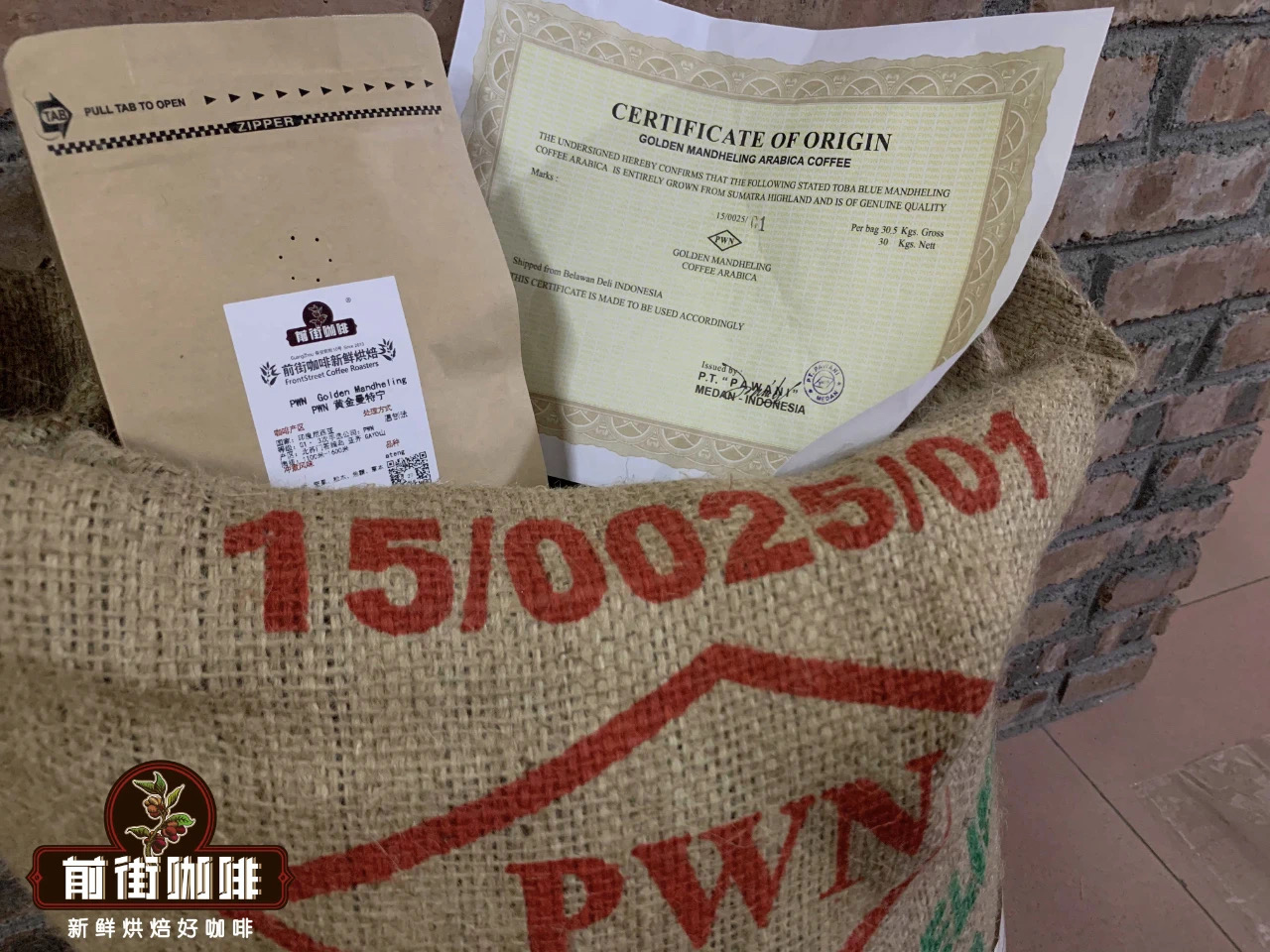
PWN Golden Mandheling: A Premium Representation of Indonesian Mandheling
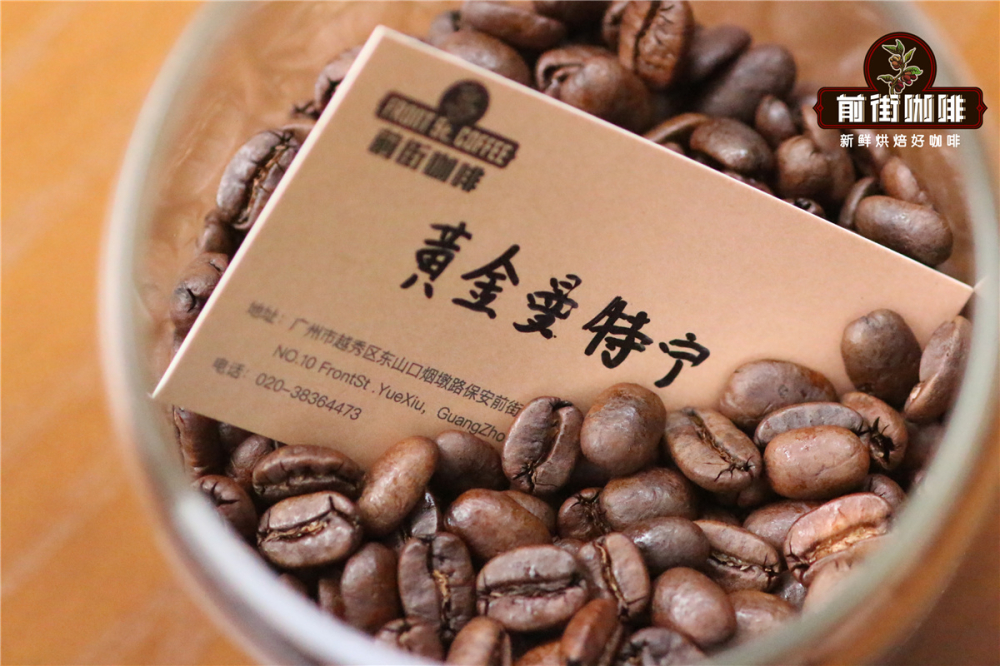
When it comes to Mandheling, many people first think of “PWN Golden Mandheling.” PWN is a well-known Indonesian coffee purchasing company that primarily selects high-quality Mandheling beans from high-altitude regions in Sumatra. They meticulously handpick plump and flawless beans, and only those top-grade beans that pass multiple screenings are given the title “Golden Mandheling.” It’s worth mentioning that PWN has registered this name as a trademark, so theoretically, products labeled “PWN Golden Mandheling” can only be produced by PWN. Currently, most PWN Golden Mandheling on the market comes from the Aceh region of Sumatra and is made from the Ateng variety, also known as Catimor—a hybrid of Robusta and Arabica.
Characteristics and Adaptability of the Ateng Variety
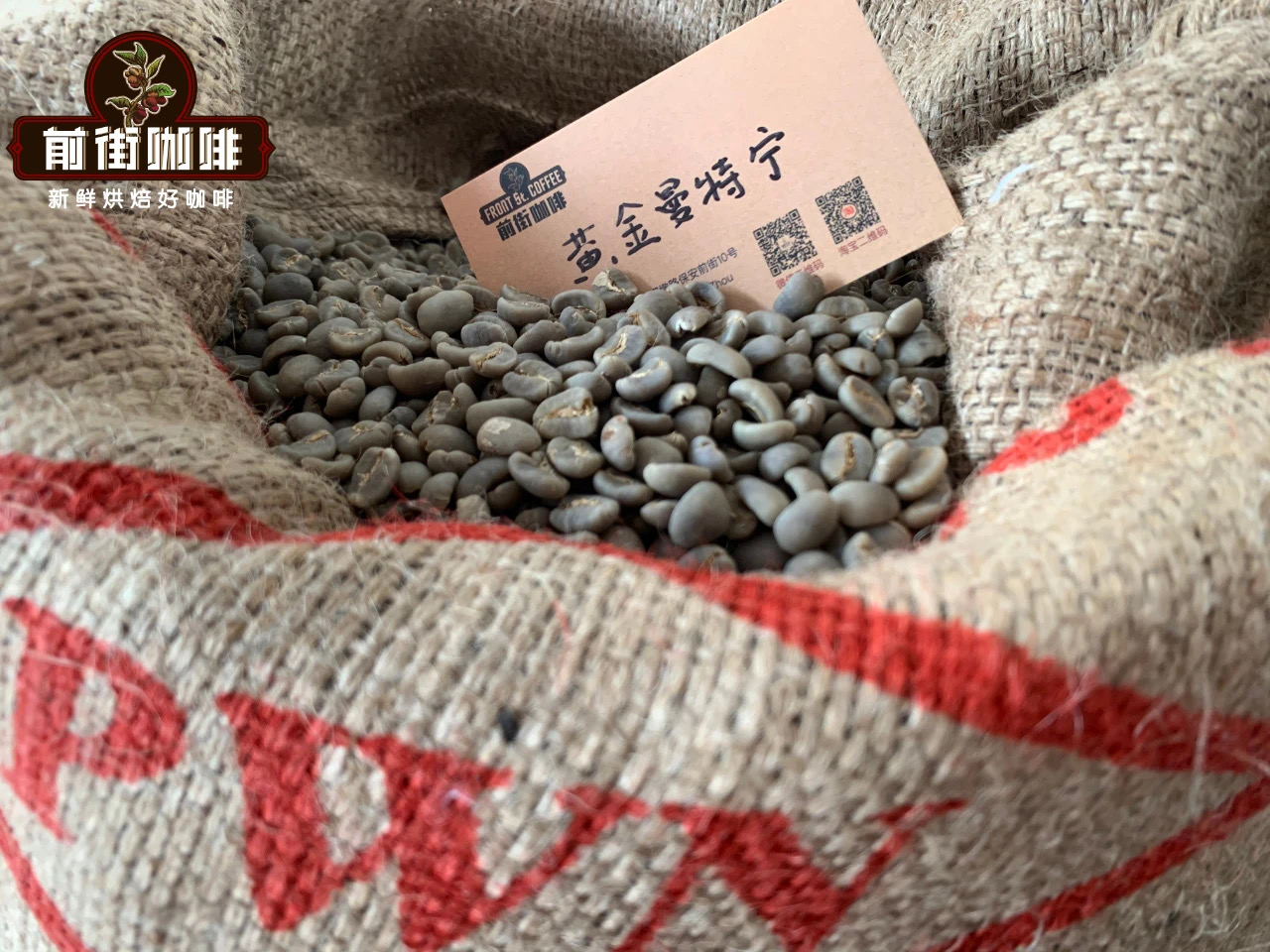
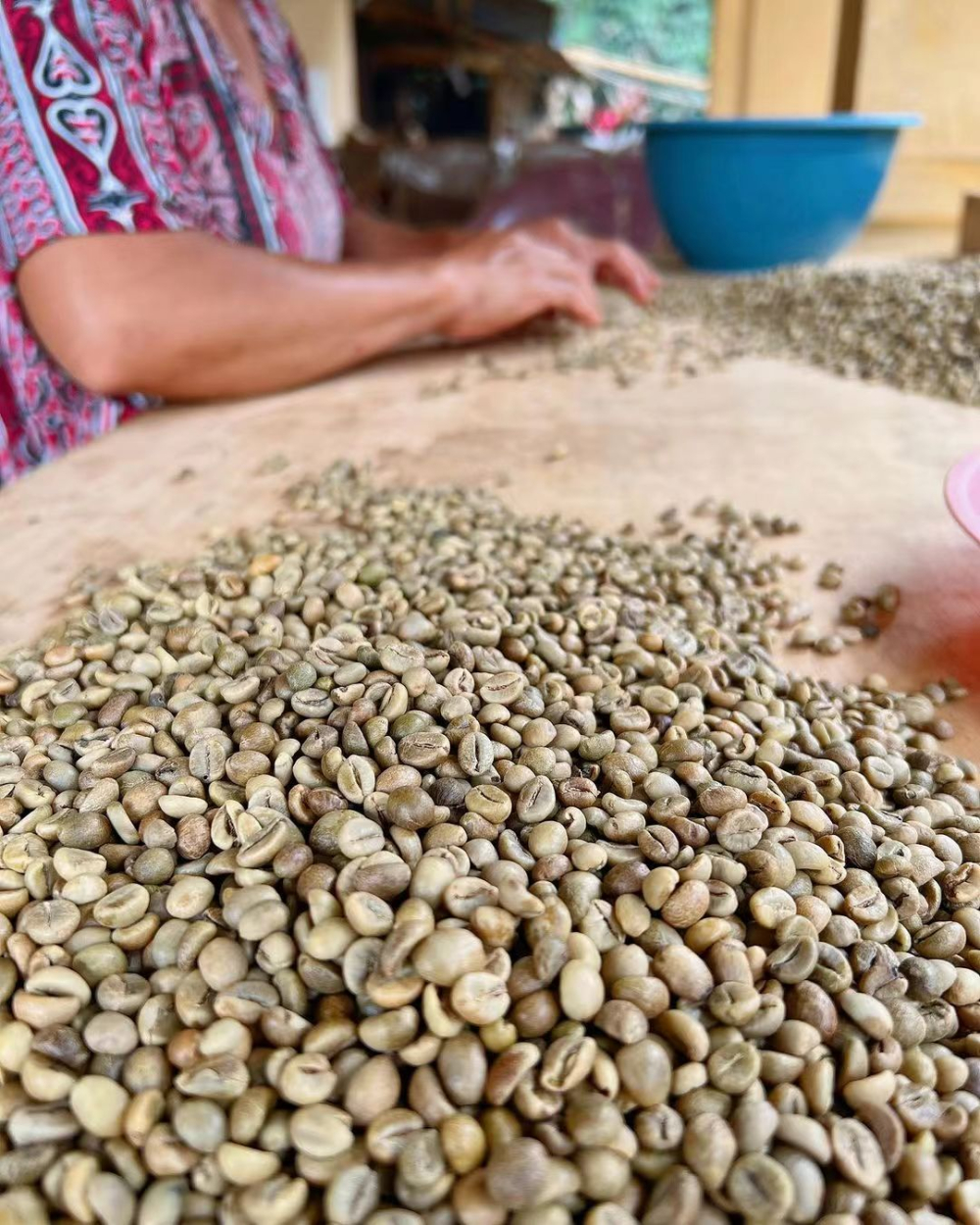
The Ateng variety commonly used in the Mandheling industry, scientifically named Catimor, is a hybrid of Timor (a Robusta variety) and Catuaí (a Bourbon mutation). This variety was developed in 1959 and widely planted in Central and South America during the 1970s and 80s due to its strong disease resistance and high yield, especially suited for regions prone to leaf rust. Ateng plants are shorter, suitable for dense planting, with reddish-brown young leaves, but they have a short growth cycle and a lifespan of only about ten years. They require ample fertilizer and shade management; otherwise, their flavor performance may be compromised.
Wet-Hulling: The Key to Shaping Mandheling’s Unique Flavor
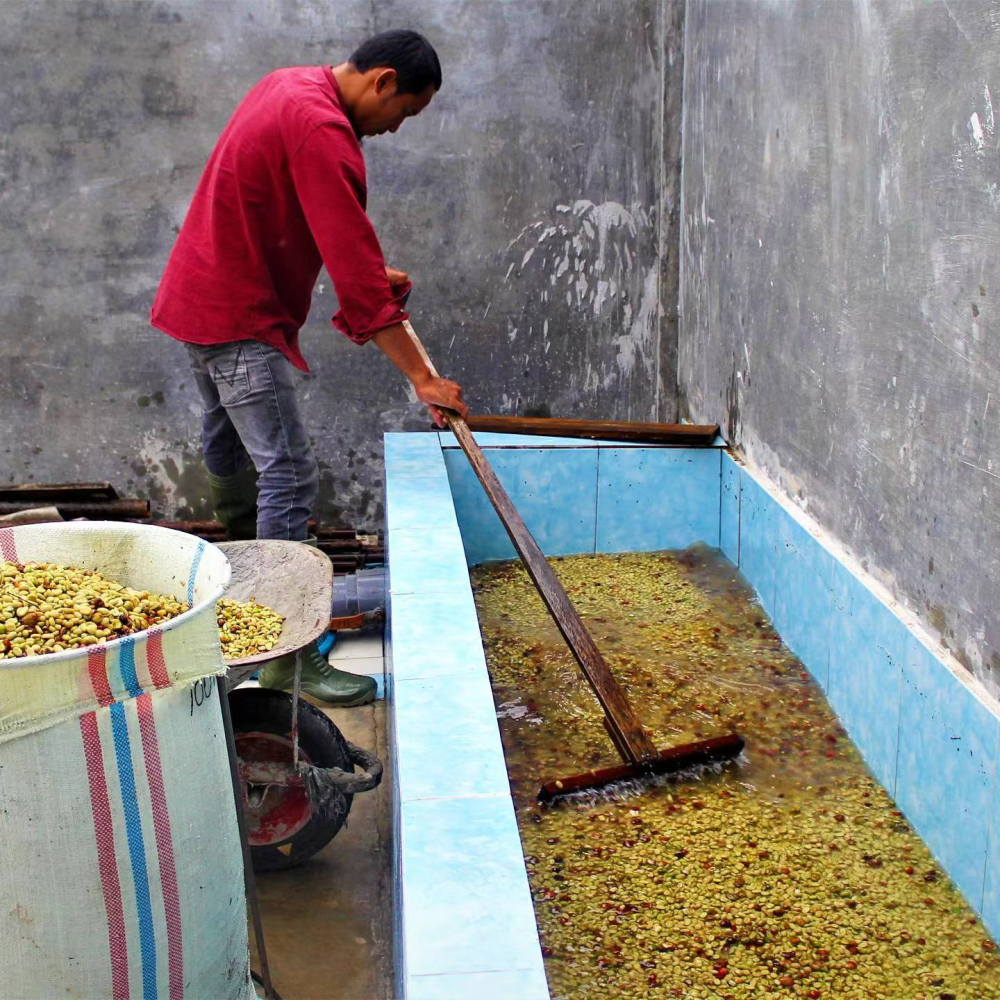
The reason why Indonesian Mandheling often carries complex flavors such as intense cocoa, herbs, and earthiness lies in the unique “wet-hulling” processing method. Compared to Kenya’s commonly used K72 or Costa Rica’s popular honey process, wet-hulling is a distinctive technique developed in Indonesia to adapt to the rainy climate and water resource limitations. This method involves partially removing the bean husk to accelerate the drying process, but because the beans are more directly exposed to air, it increases the risk of defects—yet it also creates Mandheling’s signature smoky and herbal characteristics.
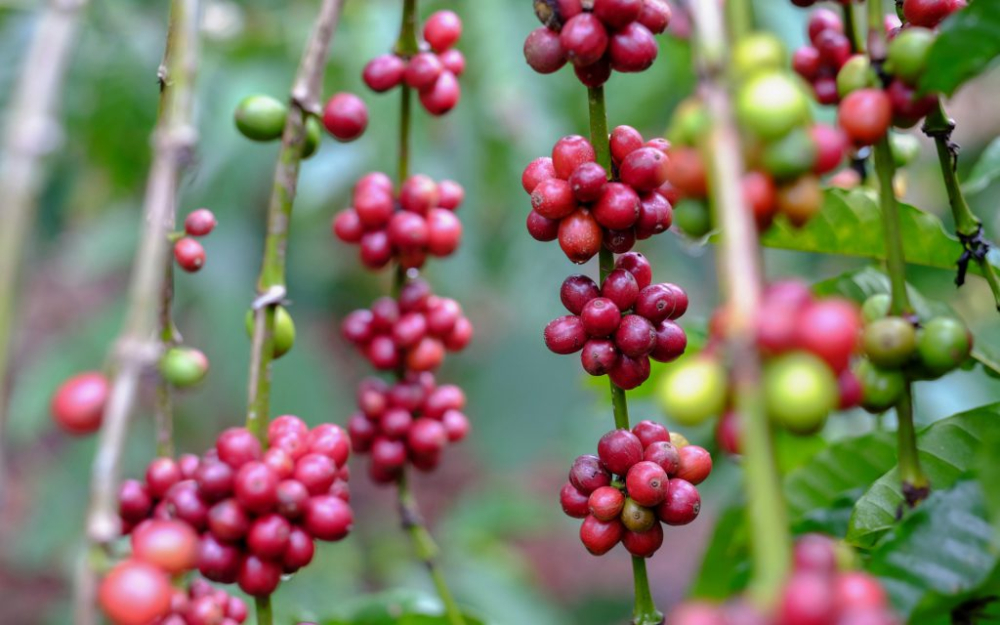
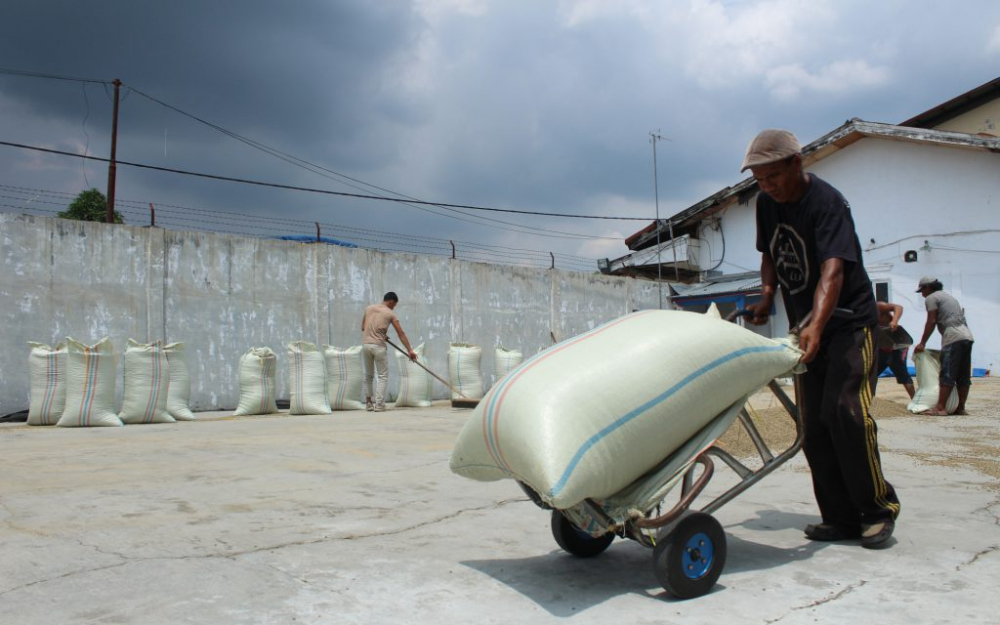
The basic steps of wet-hulling include: briefly fermenting the parchment coffee after removing the fruit pulp, initial sun-drying to reach a moisture content of 30%-50%, removing part of the husk, then continuing to dry down to 12%-13%, and finally hulling and sorting. This process takes about four days. Although it’s relatively efficient, it requires strict control of temperature and humidity to avoid issues like mold.
Where Does the Acidity in Mandheling Come From? The Impact of Roasting and Brewing
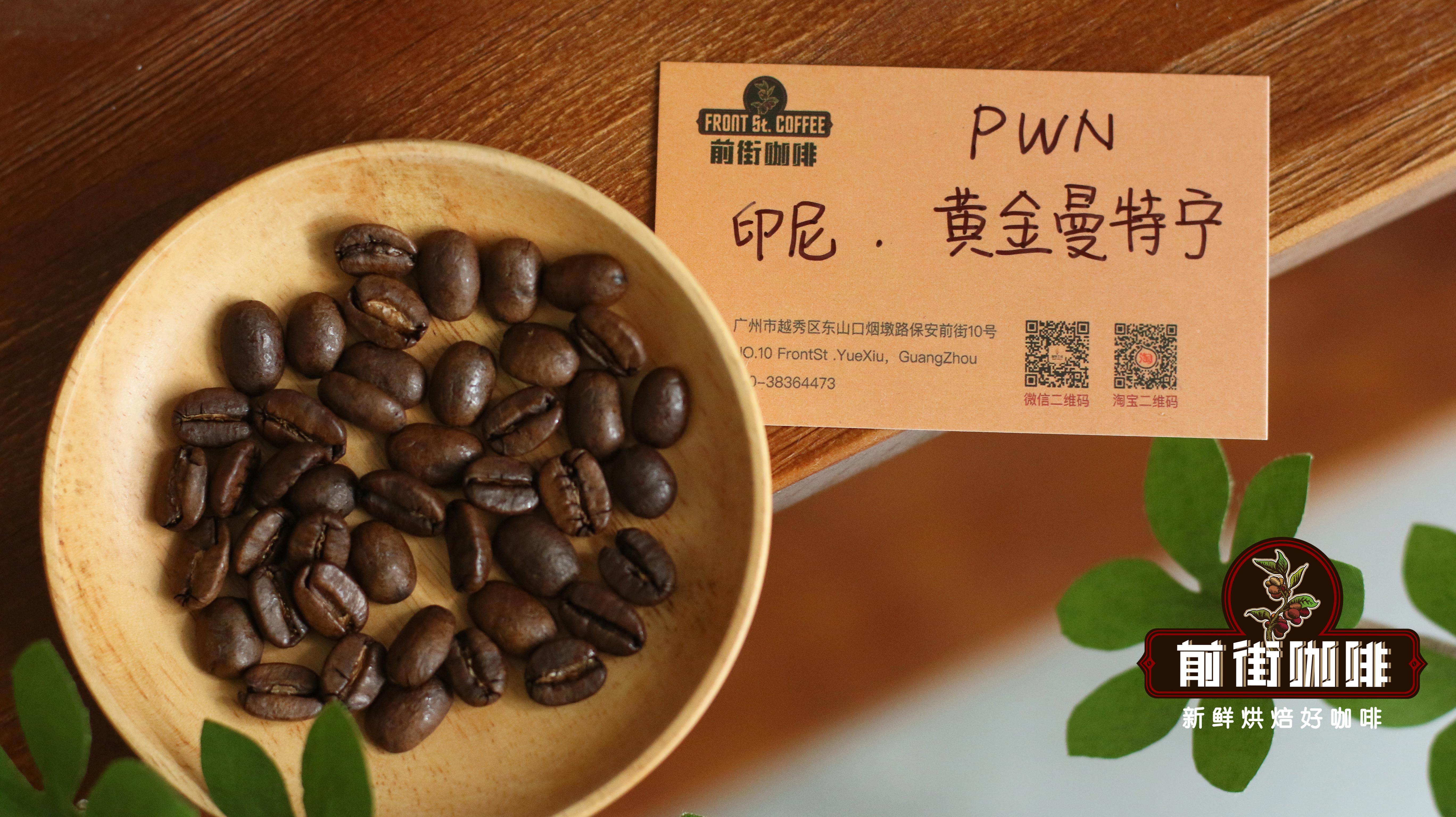
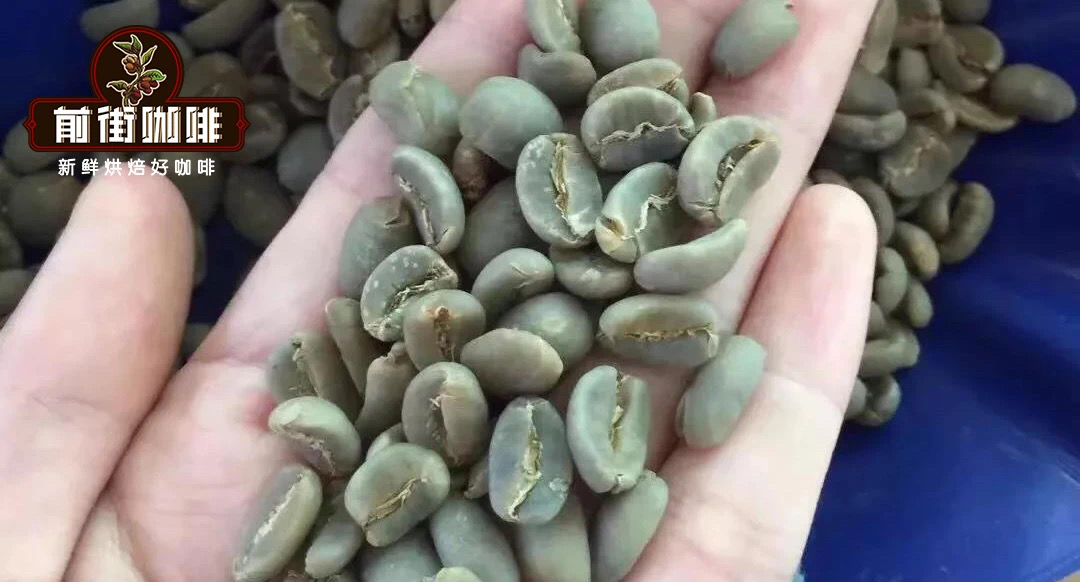
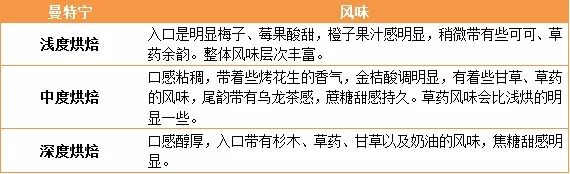
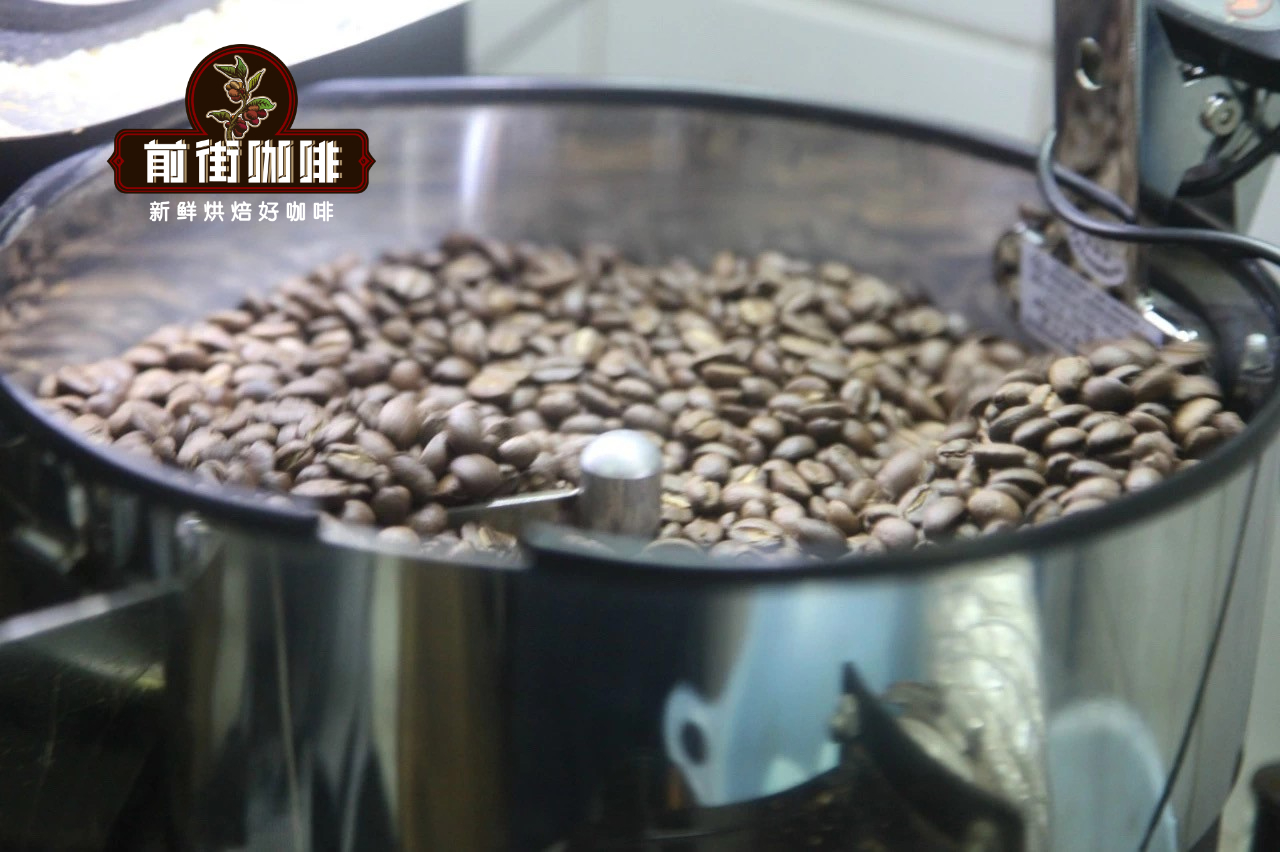
Many people assume that Mandheling should only have sweet bitterness and a rich smoky feel, but in fact, the green beans themselves have a fairly high acidity. Under light to medium roasting, the acidity gradually shifts from prominent fruity notes to softer tones, even becoming almost imperceptible. Practical testing shows that the same Golden Mandheling processed at light, medium, and dark roast levels each has its own distinctive flavor characteristics, but dark roasting better suppresses acidity and highlights fullness and caramel notes—this is one reason why many Japanese markets prefer dark-roasted Mandheling.
The acidity in coffee is greatly influenced by roast depth and brewing method. If you dislike acidity, it’s recommended to choose medium-dark or dark roasted Mandheling and adjust the grind size and water temperature accordingly to further reduce sharp acidity and enhance sweetness and body.
Practical Brewing Reference: How to Brew a Balanced Mandheling
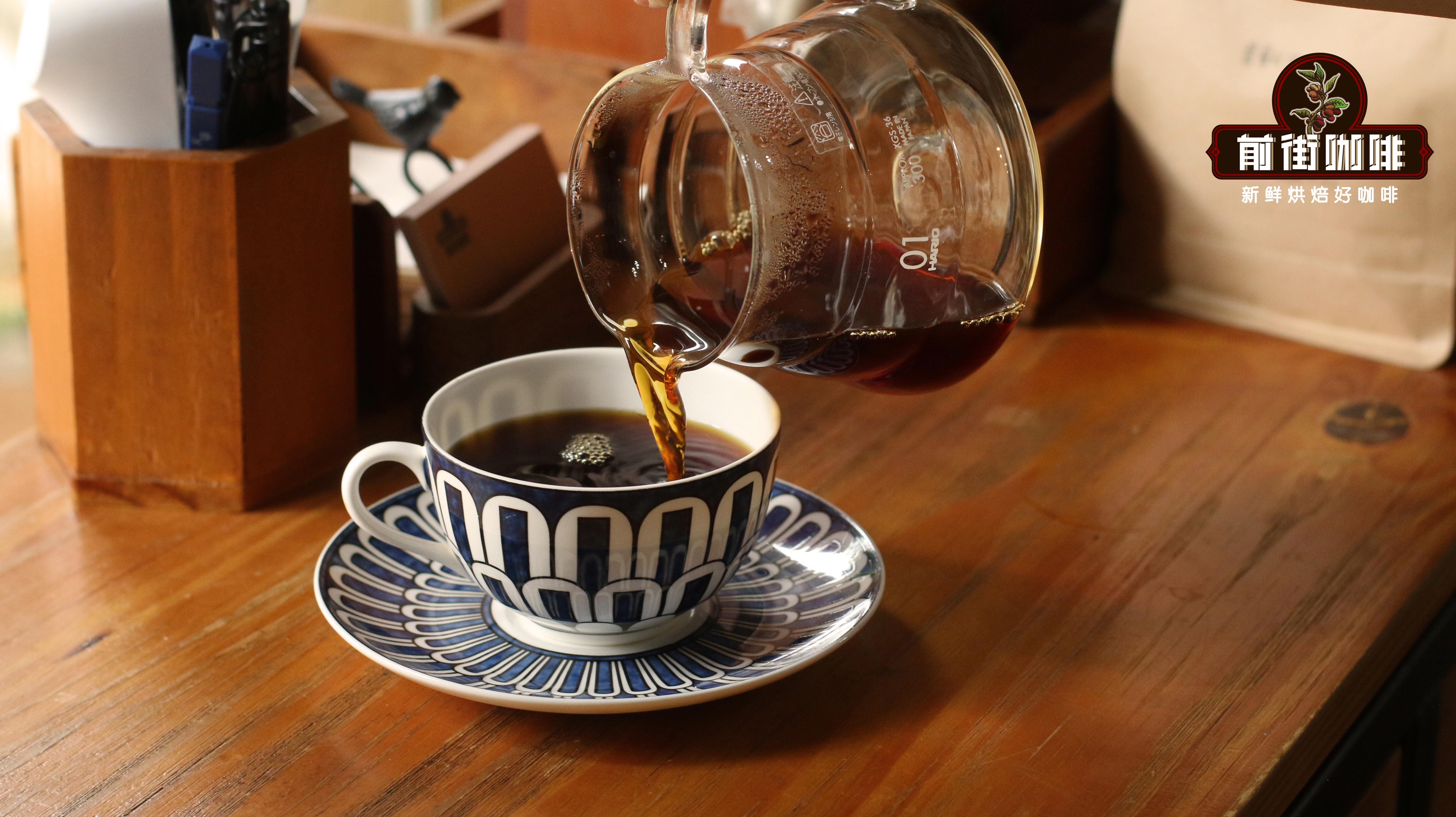
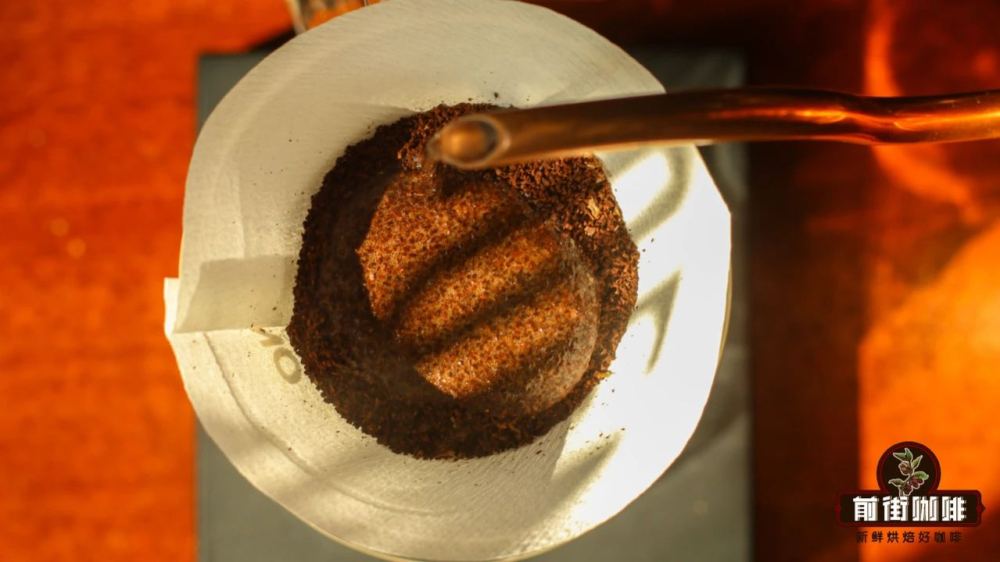
Taking PWN Golden Mandheling as an example, it’s recommended to use a medium-dark roast, paired with a Kono filter and 88°C water, at a coffee-to-water ratio of 1:15, and a grind size around medium-fine (e.g., EK43s setting 11). The Kono filter design extends the contact time between water and coffee grounds, enhancing a full-bodied mouthfeel. When brewing, you can adopt a staged approach: start with 30 grams of water for a 30-second bloom, then pour up to 125 grams in stages, and finish pouring up to 225 grams, with a total brew time of about two minutes. These parameters help balance Mandheling’s spicy, nutty, and chocolatey notes while highlighting the layered aftertaste.
In summary, Mandheling is not a single variety but rather a classic flavor type closely related to region, processing method, roasting, and brewing. From sweet-acid balance to rich fullness, by mastering the key variables, you too can uncover your own Mandheling flavor story in every brew.
The above content is compiled by CoffeeHunters, a coffee news website.

