








Introduction:To craft a balanced and rich espresso, selecting the right blend is key. This article delves into the blending principles and roasting techniques of commercial espresso beans, and provides reference blends with different flavor profiles to help cafe owners and roasters find beans that suit their shop’s positioning. From the differences between green blending and roasted blending, to common pitfalls and practical advice, get it all in one go.
An outstanding espresso requires an exquisite balance of acidity, body, and sweetness, often achieved through a thoughtfully selected blend. Unlike pour over coffee, which favors single-origin beans, espresso emphasizes layering and compatibility with milk foam, typically combining beans from multiple countries to present a richer flavor profile through scientific proportioning.

Traditionally, roasters used blending primarily to mask flaws in lower-quality beans, but the modern specialty coffee scene has shifted toward creating unique and consistent signature flavors. Especially for cafes requiring year-round consistency, blending skills are an indispensable core competency.
Espresso blends refer to composite beans made by mixing two or more beans from different origins or processing methods in specific proportions. These beans generally offer a rich mouthfeel, a full body, and excellent emulsification, making them perfect for pairing with milk in drinks like lattes or cappuccinos. Common blending methods on the market fall into two main categories: “green blending” and “roasted blending”:Green BlendingThis involves mixing beans before roasting, which helps maintain consistent roasting but requires selecting beans of similar size;Roasted BlendingThis means roasting each single-origin bean separately first, then blending them according to needs, allowing each bean’s optimal flavor characteristics to shine.
When designing a blend, it’s recommended to first clarify the taste preferences of your target customers. For example, those who prefer bright fruity acidity can increase the proportion of Central and South American beans, while those seeking intense chocolate notes may add more African or Southeast Asian beans. Also, pay attention to roast level selection—medium-dark roasts usually highlight body and crema, making them ideal for milk-based drinks; if targeting black coffee drinkers, a medium roast can preserve more delicate flavor layers.
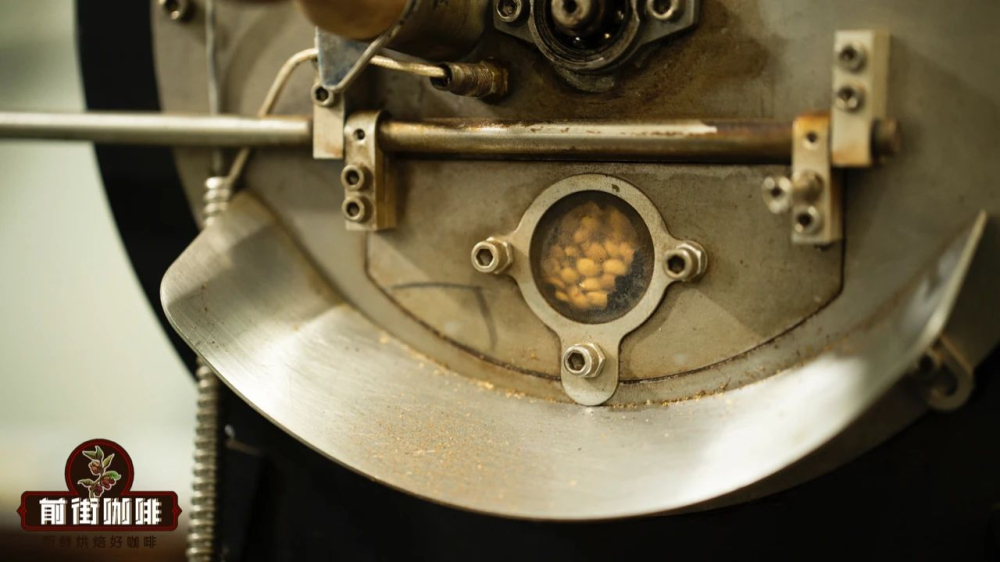
Below are four practical espresso blend solutions for common commercial scenarios, for business reference:
The first is a “berry-toned blend,” composed of Costa Rican, Colombian, and Ethiopian beans, with proportions adjusted as needed. A medium roast brings out pronounced fruity acidity and berry aromas, suitable for independent cafes focusing on fresh flavors.Notes: This type of blend is sensitive to grind size and extraction time. It is recommended to use a grinder setting with less than 12% fine particle content.
The second is a “classic balanced bitter-sweet blend,” using a 3:7 ratio of Brazilian to Colombian beans roasted together. It’s suitable for daily use in most specialty cafes. Its characteristics include a smooth entry with a hint of grassy aroma and a clean, non-astringent aftertaste, meeting the general consumer expectation of “tasty without being heavy.”
The third is a “commercial universal blend,” combining Colombian, Brazilian, and a small amount of Robusta beans (ratio 3:6:1), integrated via green blending to leverage each bean’s strengths. The addition of Robusta significantly boosts crema content, making it suitable for high-volume chains or tea beverage stalls, ensuring stable espresso performance even during busy hours.
The fourth is a “mild chocolate-toned blend,” roasted together at a 3:7 ratio of Yunnan AA and Brazilian beans. Its flavor leans toward soft fruity acidity paired with intense dark chocolate, suitable for small cafes or casual spaces paired with baked goods. This blend has medium crema performance, and it’s recommended to pair it with a semi-automatic machine featuring stable pressure for optimal extraction.

The above content is compiled by CoffeeHunters, a coffee news website.

