







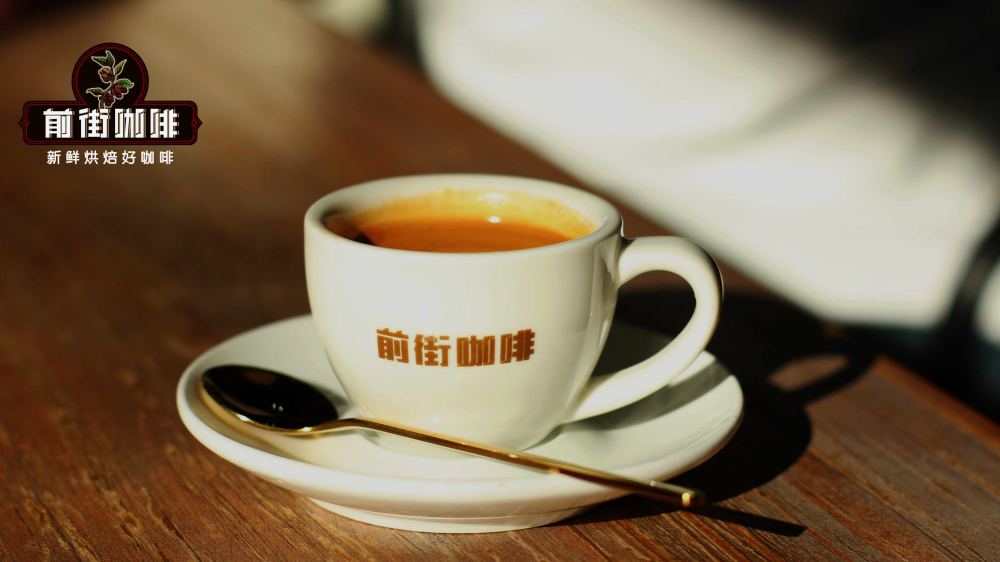
Introduction:To extract a balanced and richly bodied espresso with a semi-automatic espresso machine, choosing the right beans is key. This article delves into the differences between Italian-style espresso blends and single-origin espresso (SOE), helping you understand why most professional cafés prefer blend recipes. It also details the flavor profiles and ideal usage scenarios of four classic blends, assisting you in making the best choice based on your extraction equipment and drinking preferences.
The quality of a good shot of espresso—whether used as a base or enjoyed on its own—is determined by the type of coffee beans used, in terms of its balance of acidity, sweetness, and bitterness, body richness, and aftertaste. To achieve a stable and layered flavor profile, many professional roasters choose to blend beans from different origins in specific proportions. This is what is known as an “Italian espresso blend.”
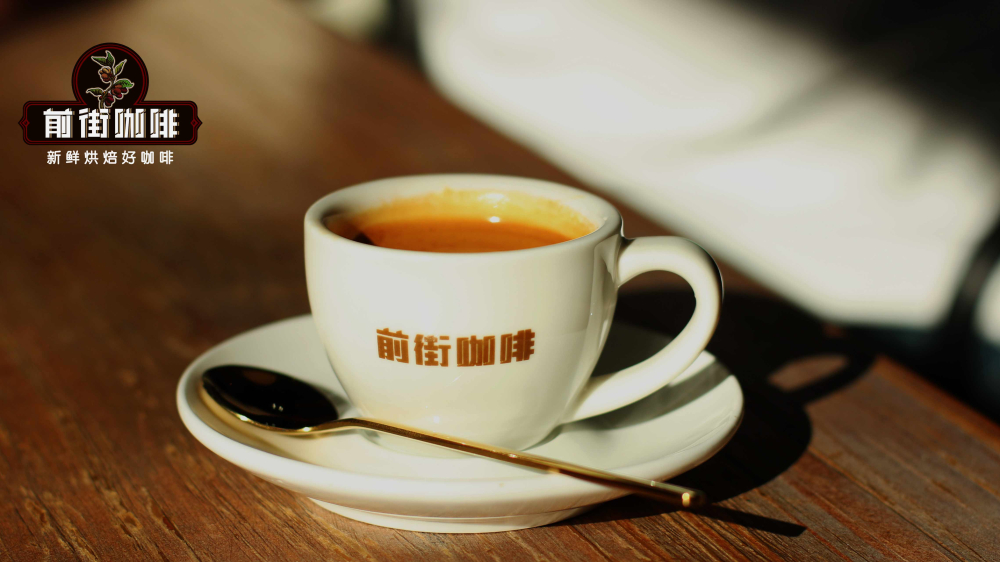
Commonly, Italian espresso beans can be broadly divided into two main types: SOE (Single Origin Espresso), which emphasizes the unique flavor characteristics of a single origin, and blends, which focus on overall flavor balance. For cafés that serve large quantities of beverages daily, blends ensure consistent flavor year-round and help avoid fluctuations in extraction performance caused by seasonal changes in a single origin, making them the preferred choice for coffee shops.
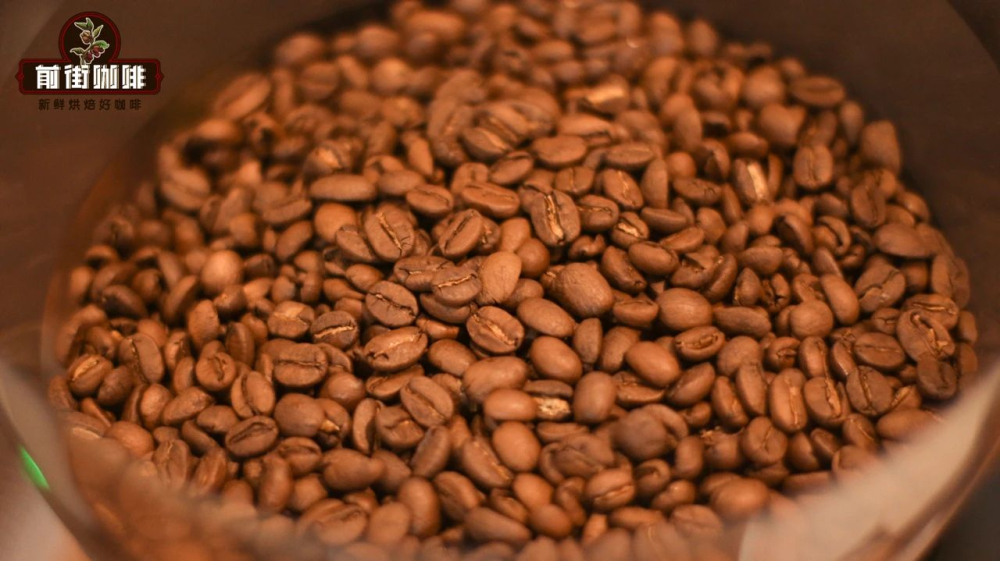
In the early days, blending techniques were sometimes used to mask uneven roasting or low-quality beans. However, modern roasters have transformed blending into a tool for creating unique flavors. By precisely combining green beans from different origins, roasters can enhance certain desirable traits—such as intense chocolate notes, a full body, and excellent milk compatibility. This blending not only elevates the overall performance of the espresso but also ensures a consistent sensory experience in every cup.
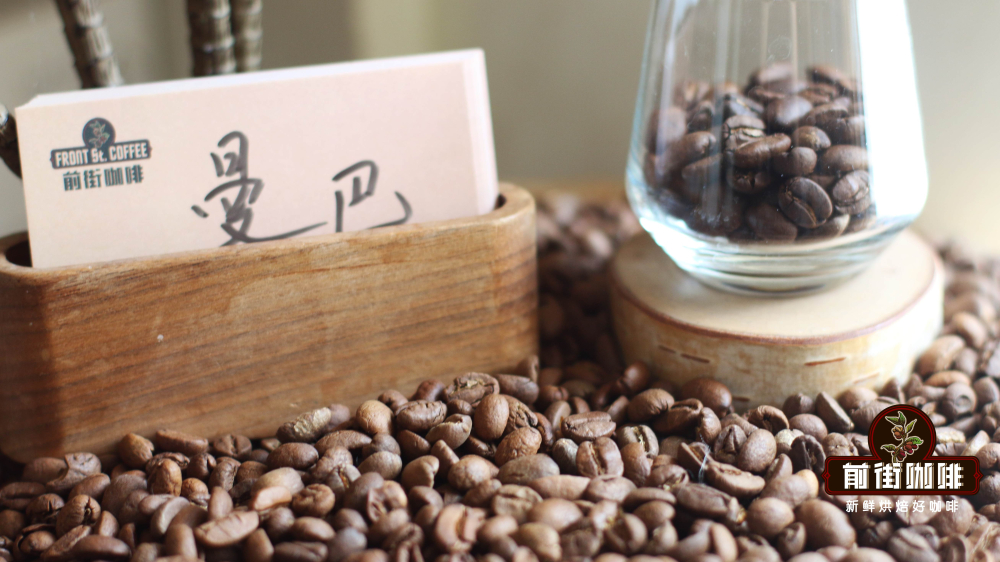
In practical roasting operations, there are mainly two methods for handling blends: “pre-blend” and “post-blend.” The former involves mixing green beans from various origins in proportion before roasting them together. Its advantage is ensuring consistent roast levels across the batch, but it requires using beans of similar size to avoid uneven heat exposure. The latter method involves roasting each single-origin bean individually according to its optimal roast profile, then blending them according to the recipe. This approach better highlights the unique flavor characteristics of each bean, making it suitable for roasters who pursue fine details.
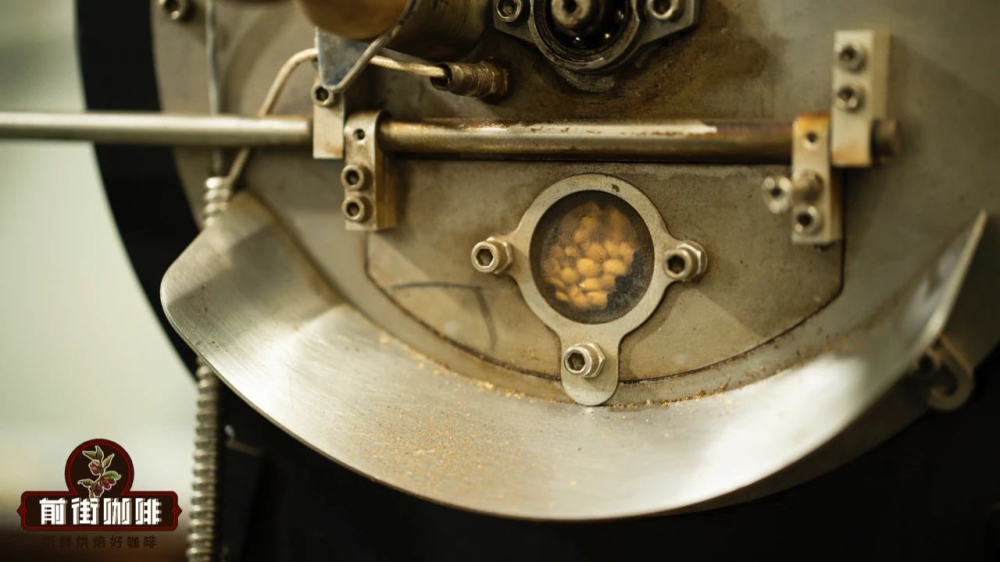
It’s worth noting that while a uniform roast level is generally recommended, if certain beans respond poorly, it may be worth adjusting the roast parameters for specific origins. Especially when using drum roasters, appropriately tweaking heat intensity and time can effectively improve extraction results. Beginners are advised to record the temperature curves and timing parameters of each roast as a reference for future optimization.
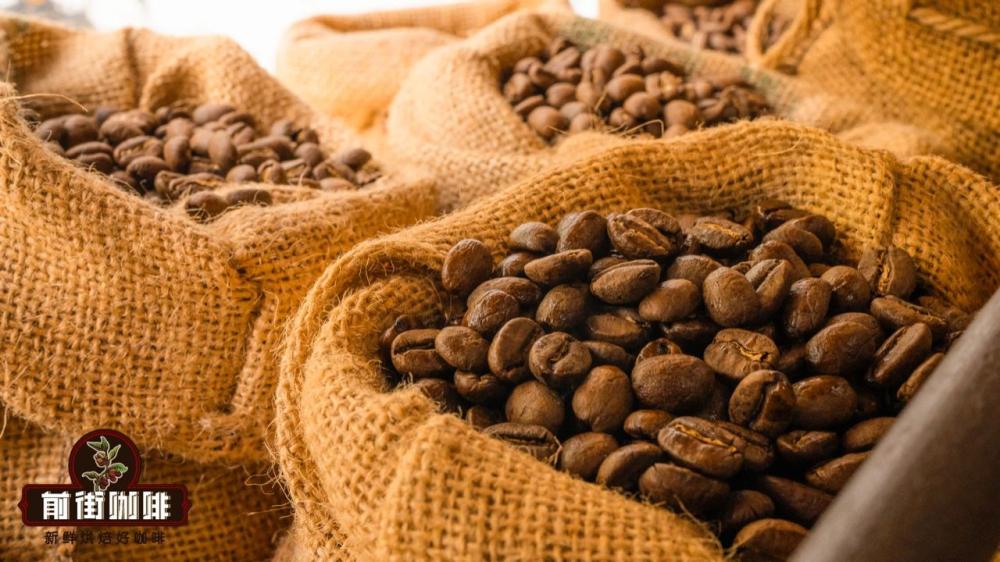
Below is an analysis of the practical application of four classic Italian espresso blends: First is the Sunflower Warm Sun blend, combining Honduran and sun-dried Red Cherry beans, featuring pronounced fruity acidity and berry aromas, with rich wine-like and chocolate notes. It’s suitable for small-batch production and cafés pursuing distinctive flavors. Then there’s the blend based on Colombian and Brazilian beans, offering a comfortable balance of sweetness and bitterness along with a smooth mouthfeel. The grassy notes and mild bitterness create an easily approachable overall profile, making it suitable for everyday use in most specialty coffee shops.
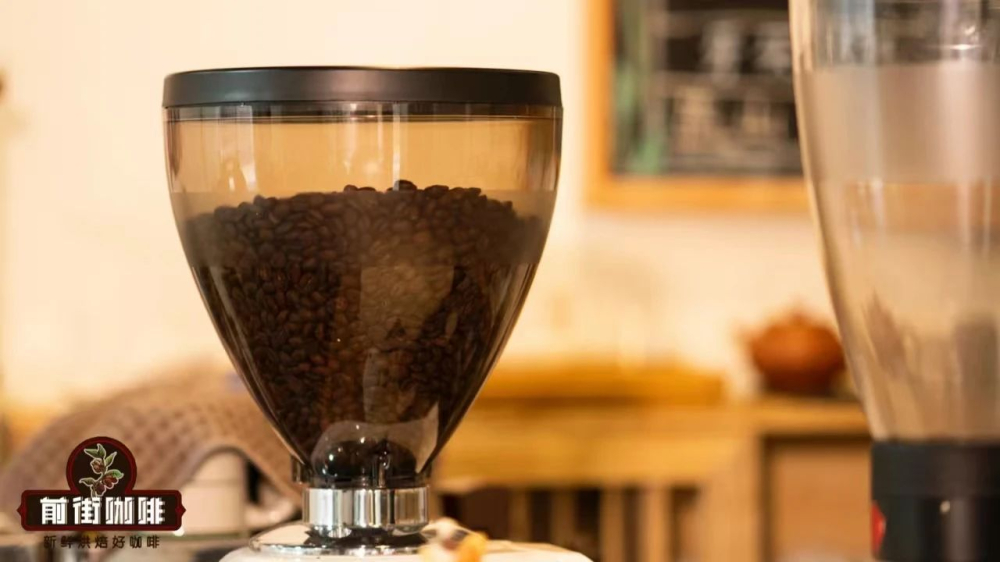
The hallmark of a commercial-grade blend lies in the inclusion of Robusta beans to enhance the rich crema and thick body required for espresso. By combining the strengths of Colombian, Brazilian, and Robusta beans, it delivers a classic caramel sweetness and nutty character, with balanced sweetness and acidity and a long-lasting aftertaste. It’s particularly suitable for high-volume beverage shops and chain coffee outlets. The Dark Cocoa blend primarily uses Yunnan AA and Brazilian beans, offering a relatively mild flavor profile with soft fruit acidity and dark chocolate traits. It’s suitable for small coffee shops or hybrid venues that also sell baked goods, providing a gentle and smooth drinking experience.
The above content is compiled by CoffeeHunters, a coffee news website.

