







Introduction:To brew an ideal shot of espresso, selecting the right coffee beans and mastering extraction parameters are both crucial. This article delves into how to choose espresso beans and provides practical reference values for extraction, including key elements such as dose, extraction time, coffee-to-water ratio, and grind size. It helps you adjust your brew to achieve the flavor profile you desire, offering valuable insights for both beginners and coffee enthusiasts.
Espressoextraction results are closely related to the coffee beans used, the dose, and the performance of the machine. Taking common extraction conditions as an example, making a single shot (1 shot) typically uses about 10 to 11 grams of coffee grounds to extract 20 to 25 grams of coffee liquid, with an extraction time controlled at around 22 seconds; a double shot uses 19 to 20 grams of coffee grounds, extracting 35 to 40 grams of coffee liquid, with an extraction time of about 29 seconds. However, these figures are only for reference, and actual operations still need fine-tuning based on the grinder, espresso machine, and the condition of the coffee beans.
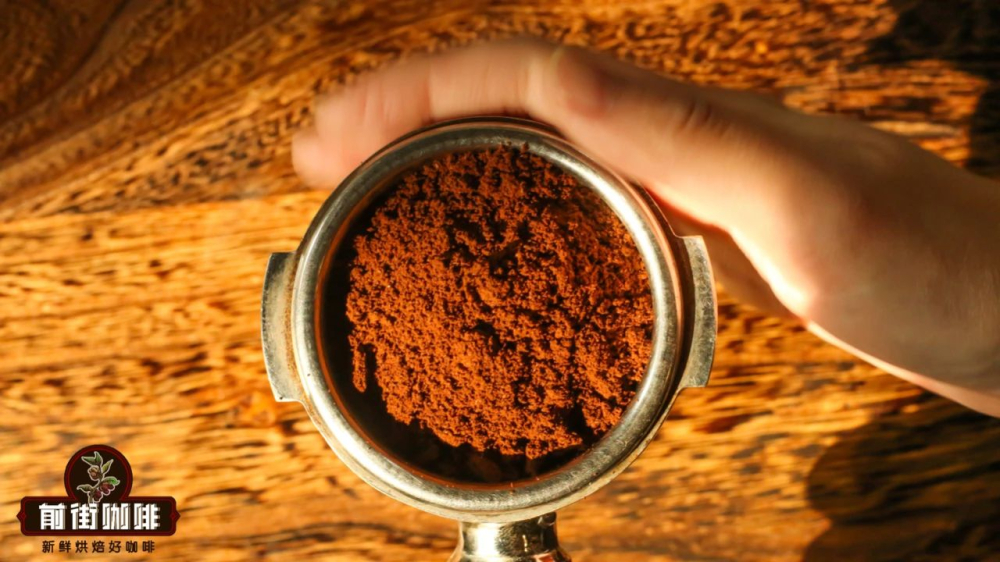
Each espresso machine and grinder has unique characteristics, and factors such as the origin, roast level, and freshness of the coffee beans also affect extraction results. Therefore, the above parameters are not universally applicable. Beginners are advised to start with these basic values and gradually adjust to find their own optimal combination. During extraction, under a pressure of 9 to 10 bar and a water temperature of around 94°C, extremely finely ground coffee allows water to quickly pass through the grounds, ultimately producing a rich and full-bodied taste while forming a delicate crema on the surface.
When brewingespresso,there are several key factors that directly influence the final flavor, including dose, coffee-to-water ratio, extraction time, grind size, water temperature, and pressure. Among these, water temperature and pressure are usually preset on most machines and don’t require frequent adjustments. Therefore, the focus should be on adjustingdose, ratio, time, and grind size.adjustment.
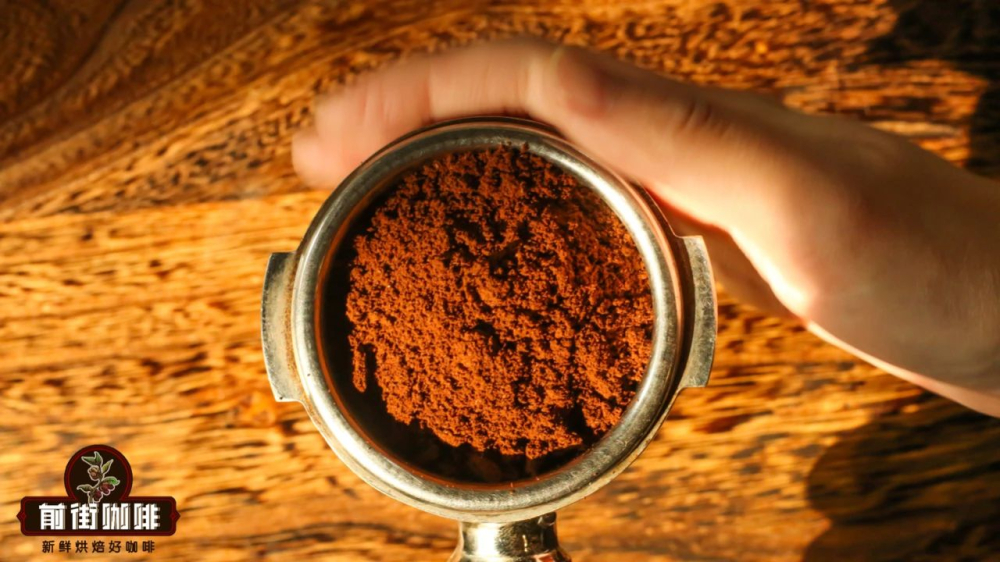
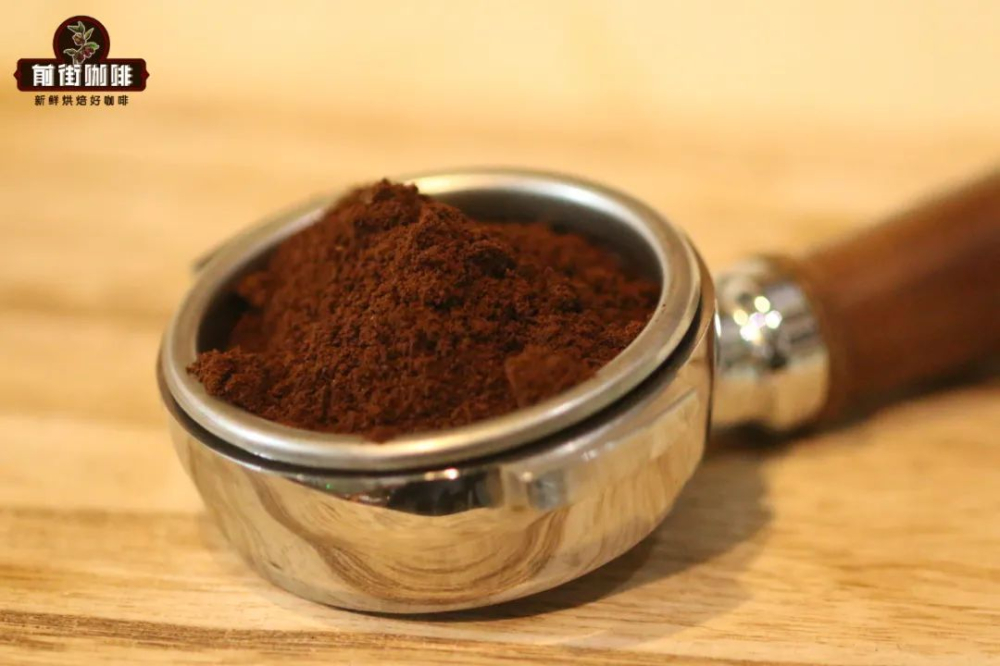
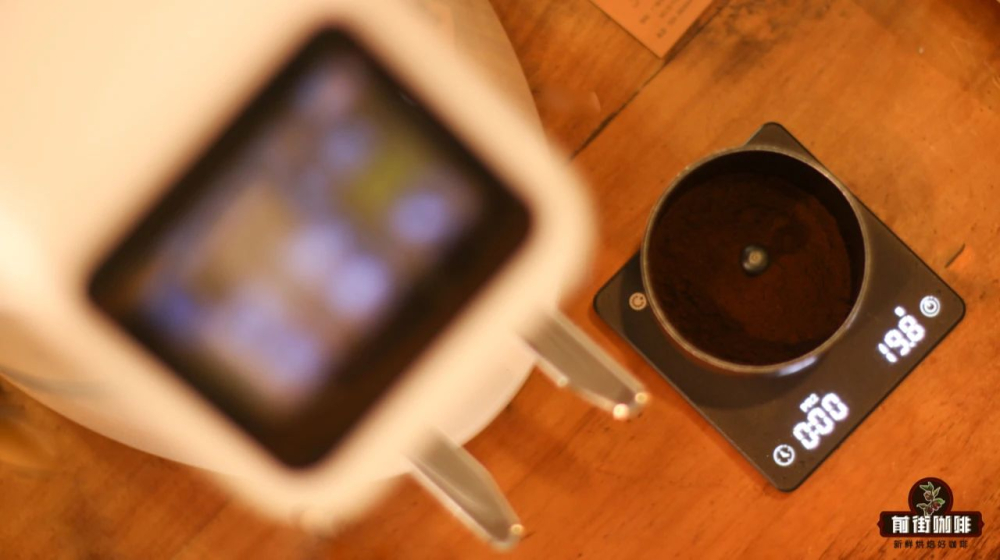
First is thedose.A single shot generally uses 10 to 11 grams of coffee grounds, while a double shot uses 19 to 20 grams, with the specific values adjusted according to the size of the portafilter basket. Next is thecoffee-to-water ratio,where it’s recommended to start with a 1:2 ratio—for example, extracting 40 grams of coffee liquid from 20 grams of coffee grounds. This ratio range typically falls between 1:1.5 and 1:2.5 and can be fine-tuned according to personal taste.
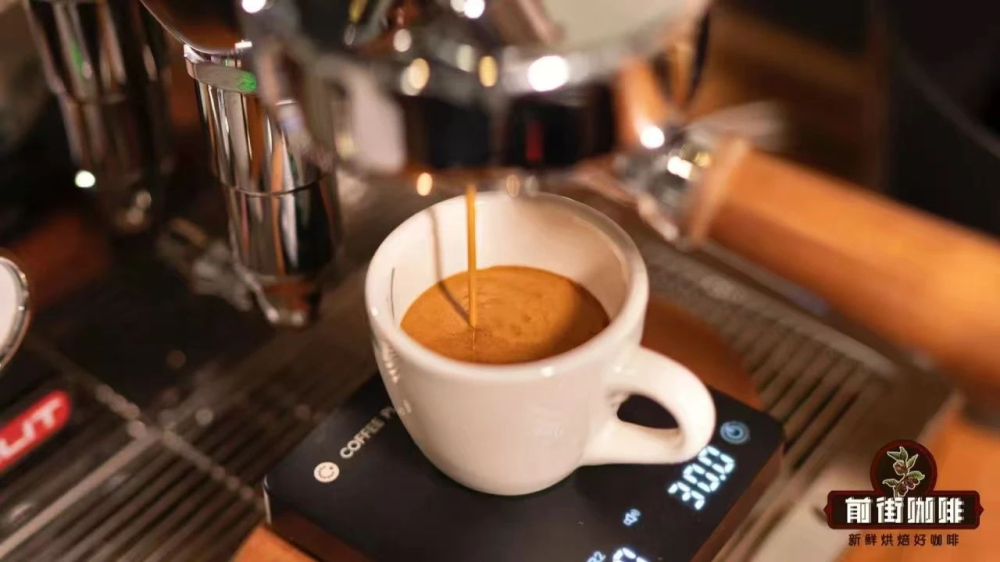
Extraction timeis an important variable affecting the taste of espresso and is recommended to be controlled between 20 to 30 seconds. If the extraction time is too short (below 20 seconds), the coffee may taste thin and watery; if it’s too long (over 30 seconds), it can easily develop a burnt or bitter flavor. Many shops aim for a double shot extraction time of 28 to 30 seconds, which is an ideal range derived from repeated practice.
As forgrind size,each grinder’s settings vary slightly. It’s recommended to find the most suitable fineness through repeated extractions and tastings. Too coarse a grind will result in fast flow, shortening the extraction time and making the coffee taste thin; conversely, too fine a grind may cause slow flow, extending extraction time and leading to burnt or bitter flavors. Observing the flow rate and color changes of the coffee during extraction is an important way to judge whether the grind size is appropriate.
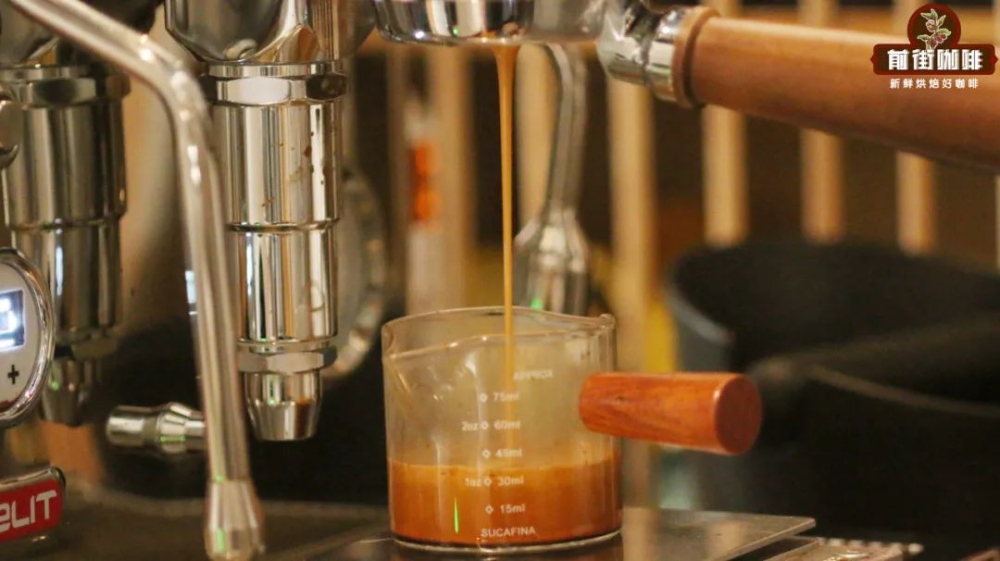
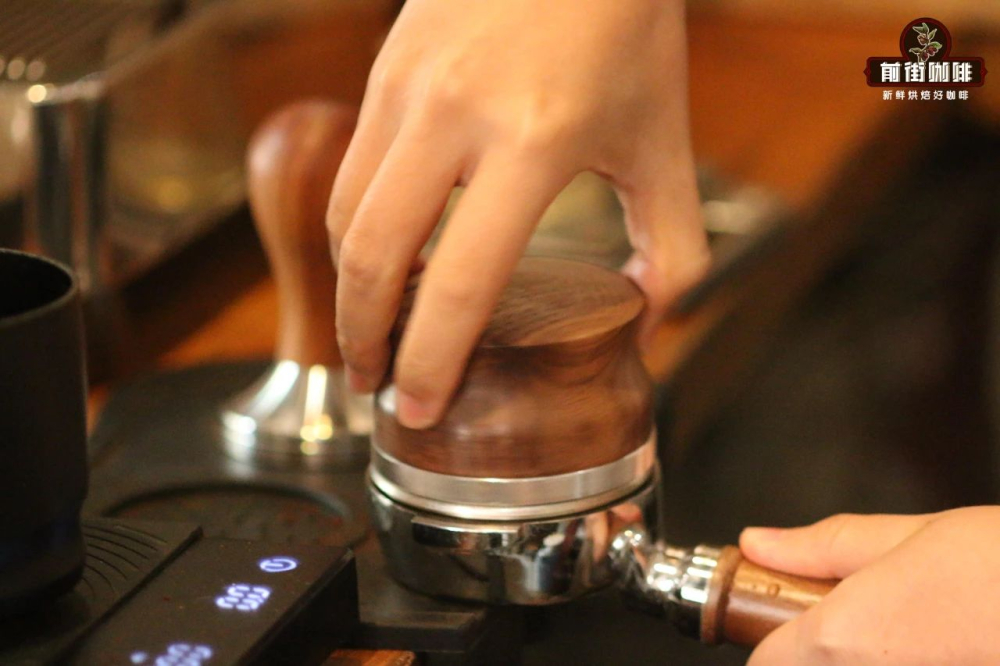
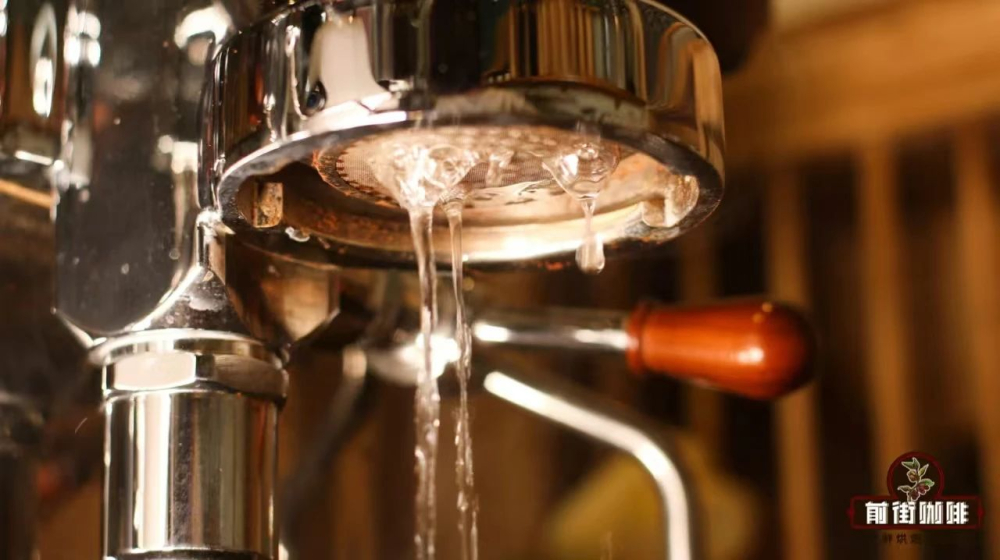
When actually brewing espresso, you can follow these basic steps: first, ensure the portafilter basket is dry, then pour the ground coffee into the basket; next, use a distribution tool or your fingers to evenly distribute the grounds, ensuring consistent density, and then apply appropriate tamping; before locking the portafilter into the group head, check that the tamp is level and there’s no leftover coffee around the basket. Then wet the group head and securely lock the portafilter to prevent leaks. Once extraction begins, observe whether the coffee flows out smoothly like honey, with colors transitioning from reddish-brown to golden yellow, and a fine golden crema forms on the surface upon completion.
In summary, making an ideal shot of espresso requires continuous experimentation and adjustment. From selecting the right coffee beans to precisely controlling dose, ratio, time, and grind size, each step affects the final flavor outcome. Whether you’re a professional barista or a hobbyist, mastering these basic principles will help you gradually adjust your brew to best suit your taste preferences.
The above content is compiled by CoffeeHunters, a coffee news website.

