








Introduction:Want to understand the difference between single-origin pour over coffee beans and espresso blend beans? How do you choose the right bean varieties for making espresso and master the blending ratios? This article will delve into the characteristic differences, roasting essentials, and flavor profiles of the two types of coffee beans, guiding you to develop a stable and well-balanced espresso blend. Whether you're a coffee beginner or looking to refine your blending skills, you'll find practical advice here.
Many coffee enthusiasts often ask: are all coffee beans suitable for making espresso? The answer is no. Especially lightly roasted beans, which under high-pressure extraction can easily amplify acidity, resulting in flavors that may be overly sharp or even astringent. So, what kind of coffee beans are suitable for making a smooth and layered espresso?
Generally speaking, blends specifically designed for espresso machines are the more ideal choice. These beans are usually roasted to a darker degree, which not only helps stabilize the overall flavor of the coffee but also ensures a certain level of consistency with each extraction — crucial for both commercial use and daily drinking.
Single-origin pour over beans, commonly used for hand brewing, vary in flavor due to differences in origin, climate, processing methods, and even daily bean conditions. They are even less suitable for espresso-making, which demands high consistency. In contrast, blend beans, by combining beans from different regions and with different processing methods in specific proportions, can balance each other’s strengths and weaknesses, compensate for the shortcomings of a single origin, and ensure that every shot of espresso delivers stable aroma and taste.
SOE (Single-Origin Espresso), though also extracted using single-origin beans, is typically roasted to a darker degree than regular pour over or immersion coffee beans. This is because lightly roasted beans tend to have pronounced acidity, which might present rich layers under the gentle extraction of drip or immersion methods, but in the high-pressure, high-temperature environment of an espresso machine, the acidity can become overly prominent, even leading to unpleasant sharpness or sour astringency.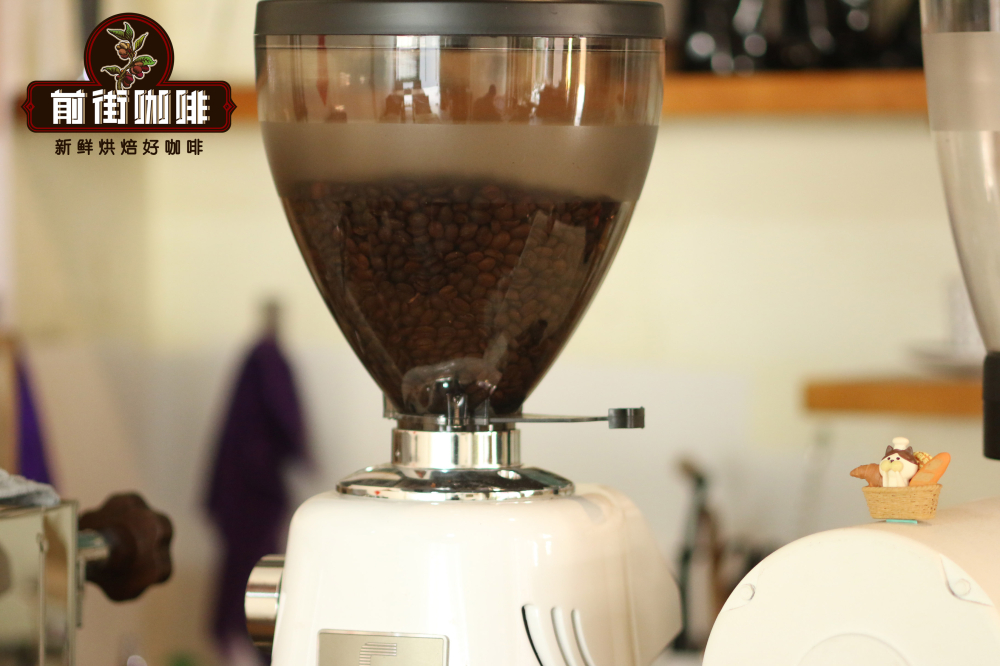
Espresso machines use over 9 bars of pressure to force near-boiling water through the coffee puck, with a brew ratio of about 1:2 — much higher than the 1:13 ratio of pour over. This extraction method significantly highlights acidity. If the beans are too hard in texture or lack sufficient soluble substances, the resulting coffee often turns out weak and insipid, lacking the desired richness and body. Therefore, dark roasting becomes the preferred choice for most espresso blends, not only reducing the interference of acidity but also releasing more soluble compounds to enhance the body.
The emergence of blend beans was originally aimed at overcoming the issue of flavor inconsistency among single-origin beans across different seasons, origins, and even harvest years. By thoughtfully combining beans with different characteristics, it not only maintains balanced espresso flavors but also reduces discrepancies caused by variations in barista extraction techniques. Additionally, blending strategies are often used to control costs while flexibly crafting formulas that balance flavor and value.
Most espresso blend beans are dark roasted, which not only helps suppress acidity and enhance body but also contributes to producing richer Crema (coffee foam). The golden layer of foam on top of espresso is not purely coffee oils, but rather the result of carbon dioxide from the beans forming a supersaturated state under high-pressure extraction, unable to escape and instead emulsifying with the coffee oils, ultimately creating a dense layer of foam that floats on the surface. This layer not only affects appearance but also plays a key role in the overall mouthfeel and aroma release of the coffee.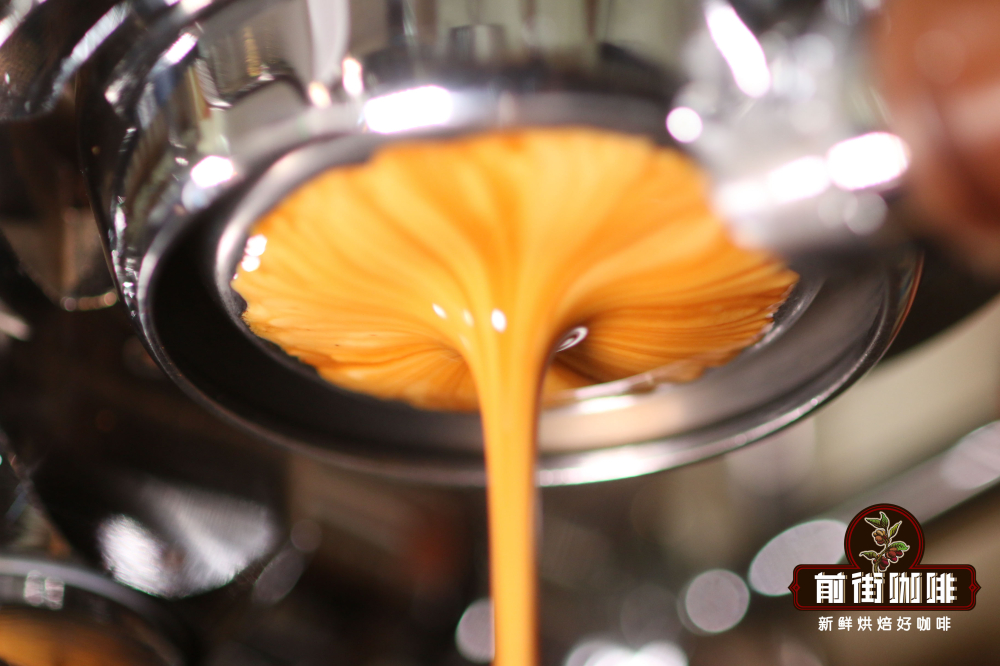
So, what are some common espresso blend combinations? Below are four classic recipe directions: First, a blend of Ethiopian natural red cherry beans and Honduran beans, offering intense fermentation notes, vanilla cream, berry sweetness, with a touch of roasted nut character — suitable for coffee lovers who enjoy complex layers; second, Colombian washed beans paired with Brazilian semi-washed beans, dominated by nutty, dark chocolate, and caramel flavors, with a full and mellow profile, ideal for those who prefer gentle and rounded tastes; third, blends that include Robusta beans, usually combined with Colombian and Brazilian beans, delivering stronger nutty, cocoa, and caramel notes, with excellent cost-performance; fourth, a mix of Yunnan washed small-bean beans and Brazilian semi-washed beans, with soft acidity and a balanced profile of caramel and nut aromas, suitable for everyday drinking or as a daily brew bean.



Finally, a reminder: freshly roasted coffee beans contain a lot of carbon dioxide. Using them immediately for extraction may lead to uneven extraction, longer brew times, and undesirable flavors such as bitterness or astringency. It is recommended to let the beans rest for at least 5 days after roasting to allow the carbon dioxide to dissipate adequately before use. Especially when making milk-based espresso drinks like lattes, an overly thick crema layer may hinder the integration of milk foam and coffee, affecting latte art and overall mouthfeel. Properly managing the post-roast resting time is key to fully enjoying the best flavors of blend beans.
The above content is compiled by CoffeeHunters, a coffee news website.

