







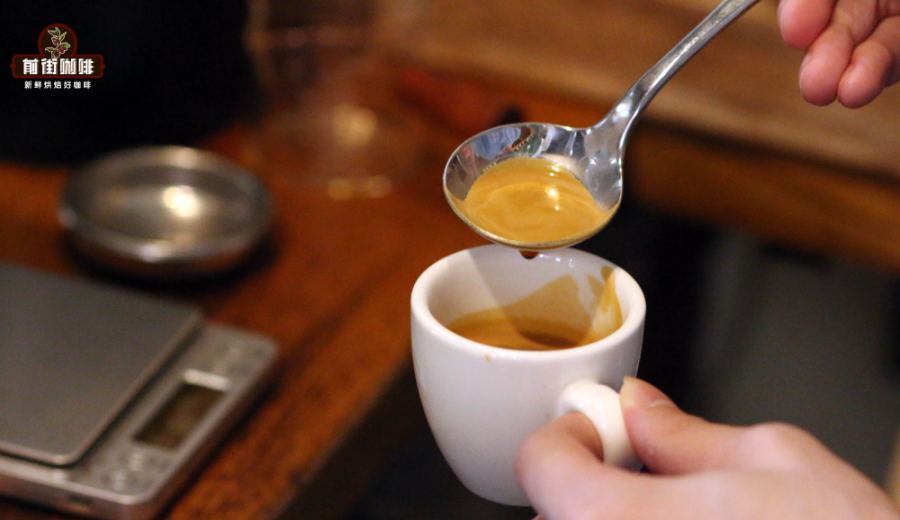
Introduction:Espresso is not just a quickly brewed strong black coffee, but also the base for many classic coffee beverages. This article delves into the unique flavor profile of espresso, the science behind its signature crema, as well as professional extraction parameters and steps. Readers will learn how to properly taste espresso, grasp the layered changes from bitterness and acidity to aftertaste, and master practical techniques for fine-tuning grind size and coffee-to-water ratio based on bean characteristics.
Espresso originated in Italy, and its name comes from the Italian word "Expresso," meaning "to press out quickly." This type of coffee is made by forcing finely ground coffee under high pressure—about 9–10 bar—with water heated to 90–96°C to quickly extract a concentrated liquid of 25–35 milliliters. This process not only fully extracts the essence of the coffee but also preserves the coffee oils, resulting in its rich, balanced flavor of acidity and bitterness, and is hailed as a work of art in the coffee world.
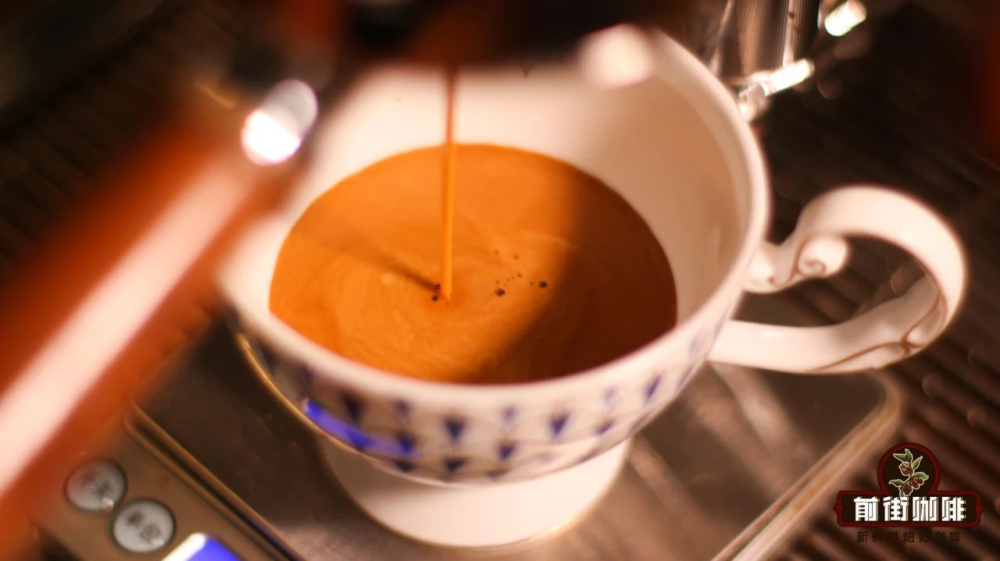
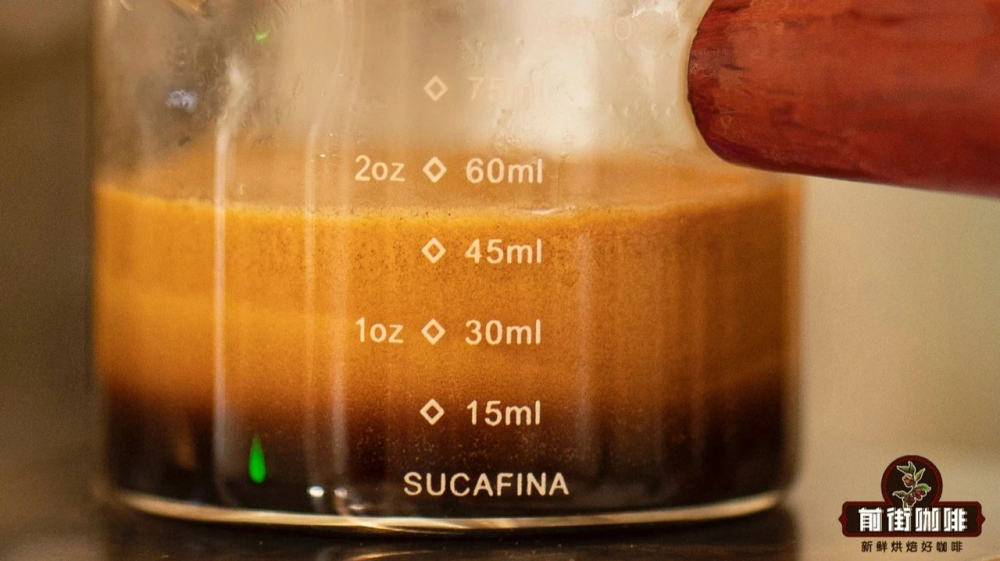
The quality of a good espresso can be initially judged by its appearance, particularly the crema (the coffee oils layer). Ideal crema should exhibit a glossy color ranging from golden to reddish-brown, with a thickness of about 3 millimeters and a fine bubble structure. It feels smooth without any grittiness, and leaves a distinct aftertaste that brings a natural sweetness to the back of the throat.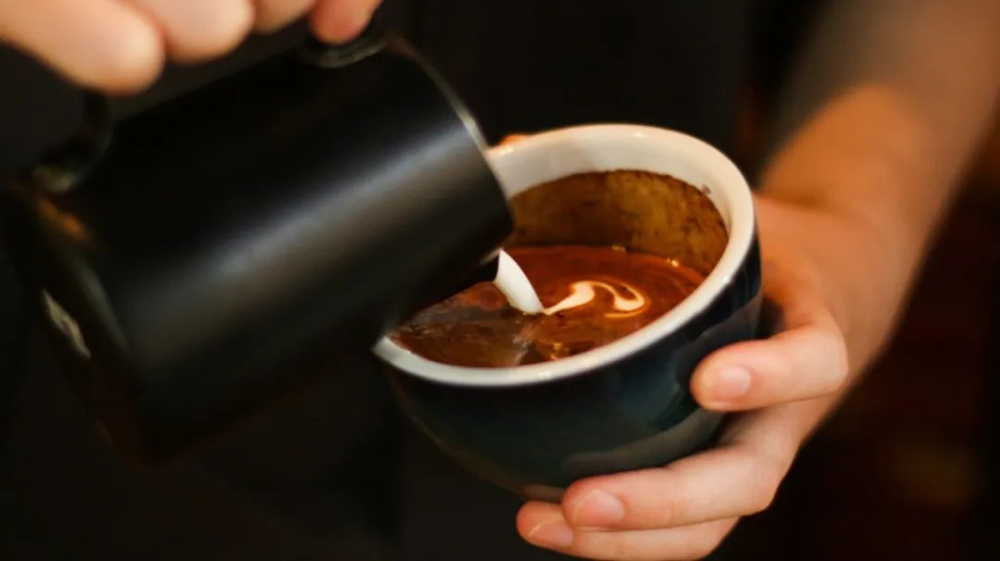 In addition, the standard serving size of espresso is typically only 25–35 milliliters, originally designed so that busy Italian workers could quickly drink it for a quick energy boost. Although there’s no need to drink it so hastily nowadays, it is still recommended to enjoy it shortly after extraction to experience the optimal flavor.
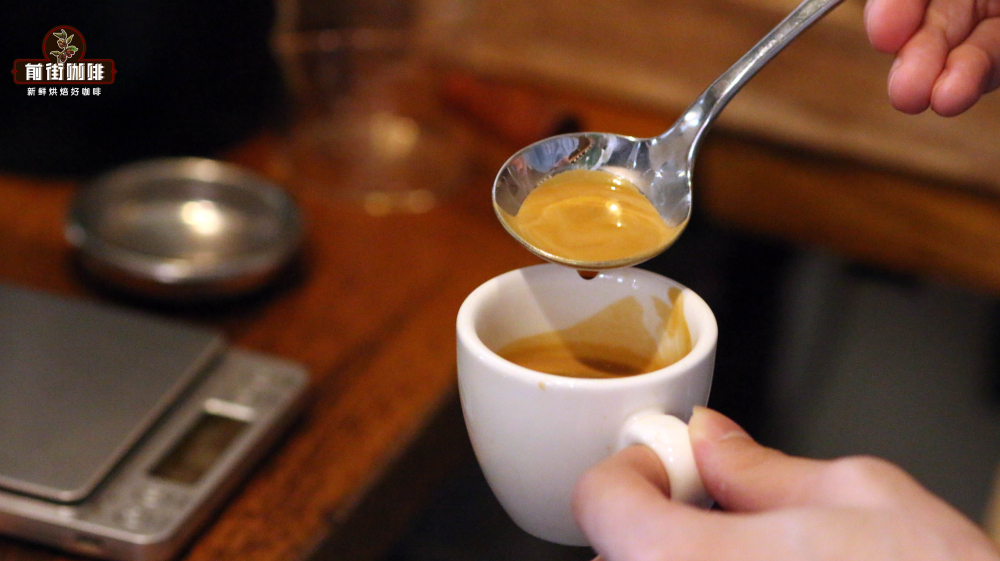
The flavor of espresso can be divided into three distinct layers: the top layer (crema), the middle layer (body), and the bottom layer (heart). Crema is a dense foam formed by the coffee oils and carbon dioxide released under high pressure, primarily showing a golden to reddish-brown hue. The body represents the main flavor profile of the espresso, showcasing its roundness, smoothness, and aromatic intensity. The bottom heart layer is darker in color, with a pronounced bitterness that balances the sweetness of the upper layers, completing the overall flavor profile.
With the rise of specialty coffee culture, both the selection of coffee beans for espresso and extraction techniques have significantly improved. Modern baristas adjust grind size, water temperature, and pressure according to the characteristics of the beans, allowing espresso to go beyond mere bitterness and instead express fruity top notes, caramel-like sweetness in the mid-palate, and nutty or chocolatey undertones in the finish. For example, blends combining Ethiopian and Honduran beans often bring out multi-layered flavors of berry tartness and sweetness, vanilla creaminess, and roasted nuts.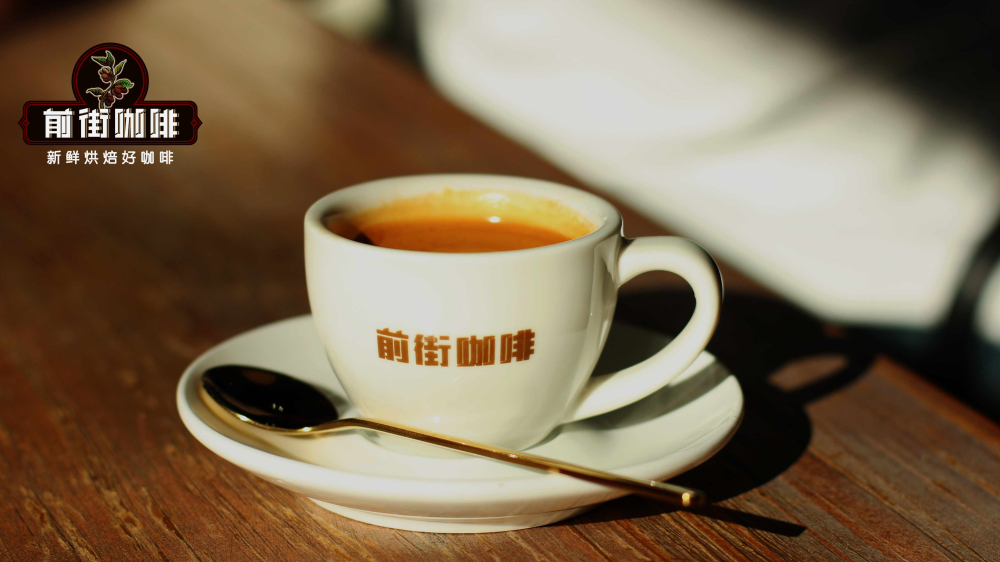
When tasting espresso, it’s recommended to first rinse your mouth with cold water to enhance taste sensitivity.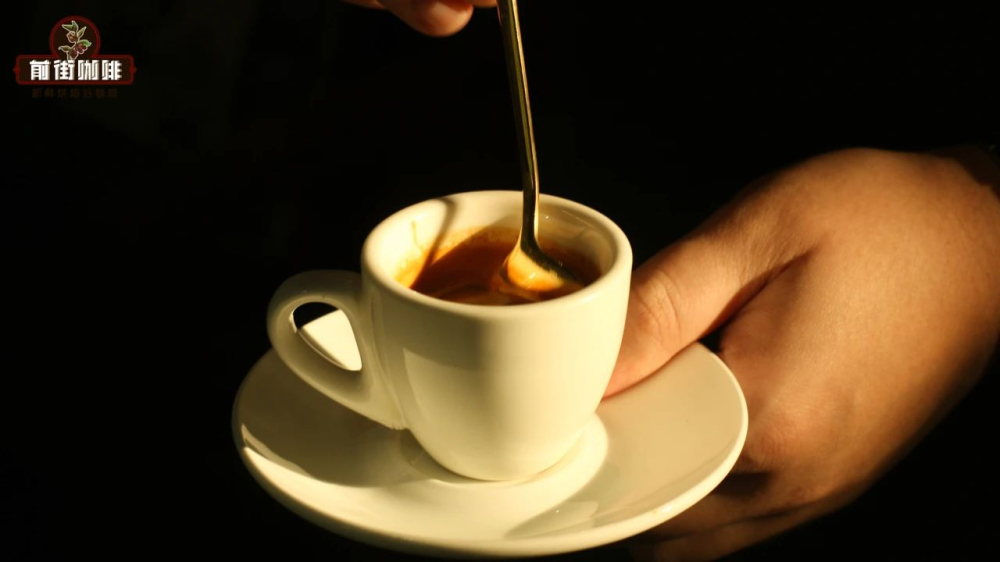 After the barista serves the espresso, you can gently stir it with the provided spoon to evenly mix the crema with the underlying coffee liquid. Then take three sips: the first to perceive the primary flavors, the second to appreciate the rich body, and the third to focus on the aftertaste and lingering notes. For example, with the Sunflower Warm Sun blend, the first sip can capture the fruity tartness and fermented wine notes, the second lets you enjoy the smoothness akin to vanilla cream, and the final sip leaves a caramel sweetness and hazelnut aftertaste.
Professional espresso extraction requires strict control of parameters: a single shot (1 shot) uses 7–9 grams of coffee grounds, a double shot (2 shots) requires 14–18 grams, with an extraction time of about 20–30 seconds, aiming to produce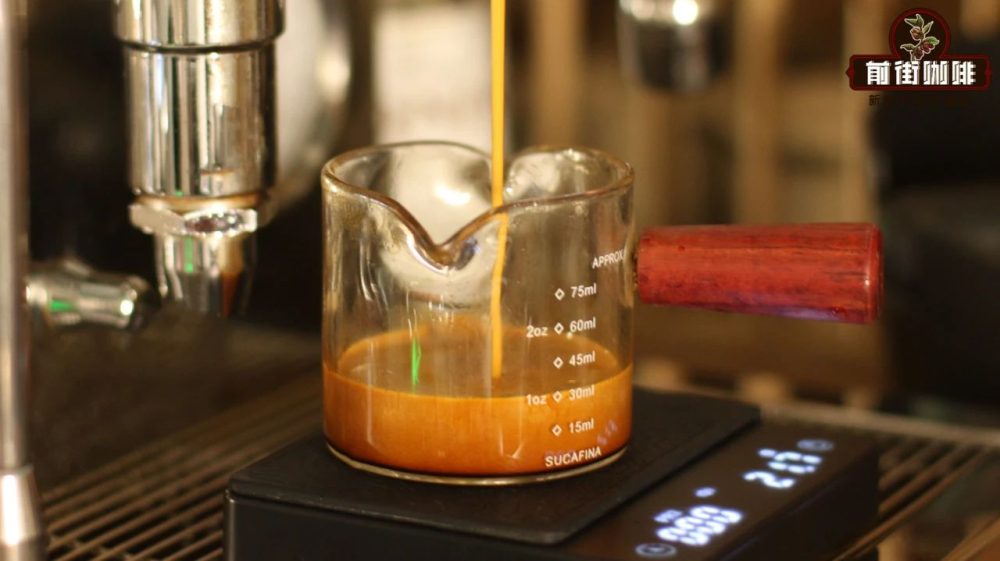 The water temperature is recommended to be maintained at 90-96°C, with pressure kept at 9-10 bar. In practical operation, baristas need to fine-tune the coffee-to-water ratio and grind size according to the roast level of the beans, origin characteristics, and equipment conditions. For example, the shop's single shot of espresso uses 10-11 grams of coffee, extracting 20-25 grams of liquid in about 22 seconds; the double shot uses 19-20 grams of coffee to produce 35-40 grams of espresso, with an extraction time of about 29 seconds. These subtle adjustments ensure that each shot of espresso delivers the best possible flavor expression."
The above content is compiled by CoffeeHunters, a coffee news website.


