







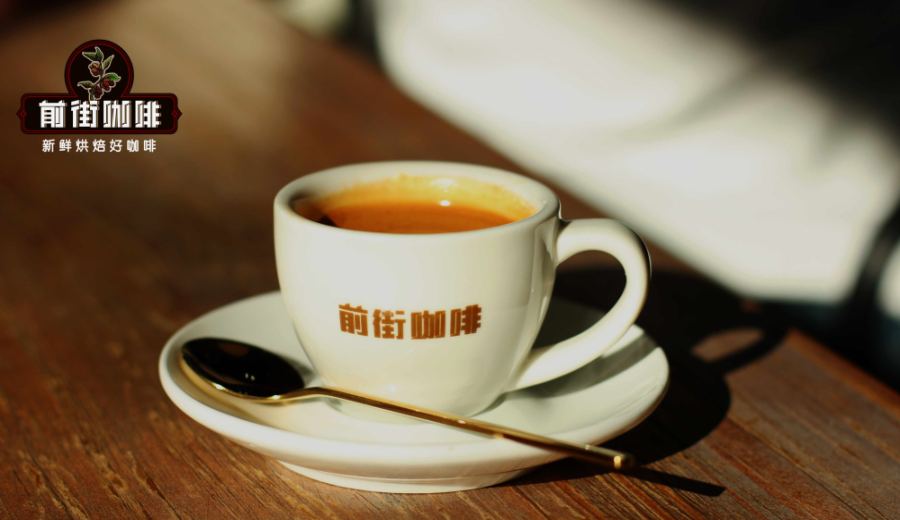
Introduction:To make a balanced and rich espresso, choosing the right coffee beans is key. This article delves into the differences between espresso blends and SOEs (Single Origin Espressos), and explains how professional roasters achieve flavor consistency through scientific blending. We’ve also selected five high-value blends with distinct flavor profiles—from sweet and smooth to berry and wine notes—to suit both home and commercial use, complete with roast methods and extraction tips.
Brewing an espresso that’s sweet, acidic, and full-bodied starts with selecting the right beans. Whether you’re enjoying it straight or using it as a latte base, a stable and layered shot often comes from a well-designed blend. The espresso beans on the market mainly fall into two categories: SOEs (Single Origin Espresso) that highlight the characteristics of a single origin, and blends that focus on consistent flavor year-round. Most cafés opt for the latter, and the reasons behind this choice are worth exploring.
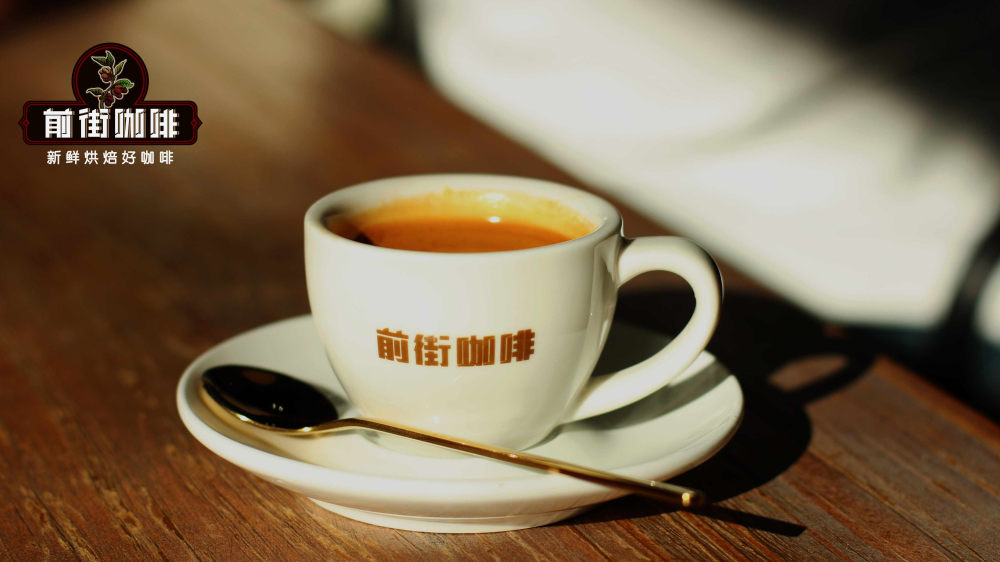
An espresso blend is created by combining beans from different regions in specific proportions, then adjusting the roast to craft an ideal flavor profile. In the past, blends were often used to mask defective beans, but modern roasting techniques have transformed them into a tool for highlighting synergistic flavors. Especially when dealing with seasonal variations in raw materials, blends ensure each batch maintains consistent taste and body—crucial for commercial operations.
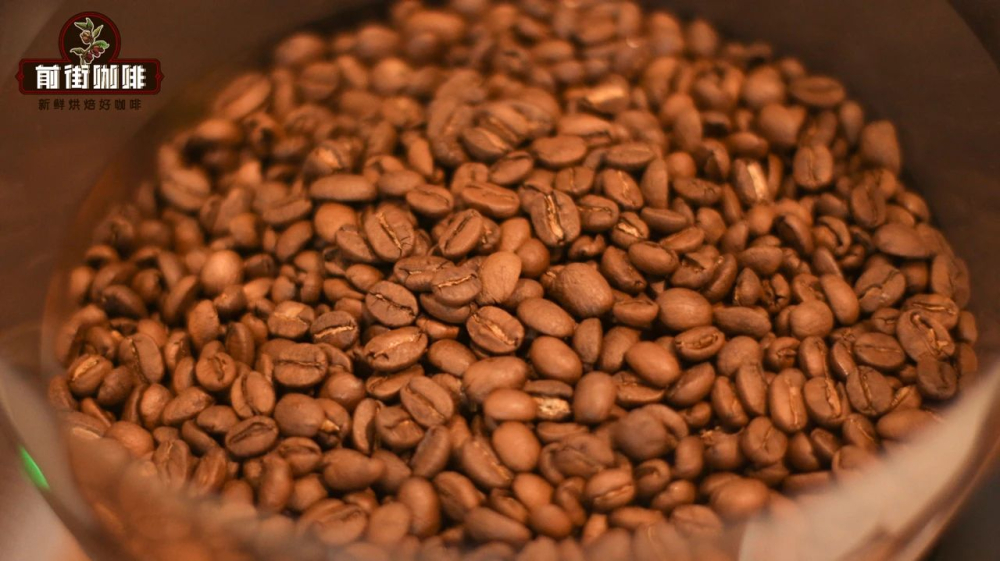
High-quality espresso blends typically have three key traits: a rich and full body, moderate sweetness with balanced acidity, and good compatibility with milk. These qualities come from the roaster’s precise control over bean variety, origin, and roast level. It’s worth noting that blends are divided into two methods: “green blending” (mixing green beans before roasting, which helps harmonize flavors but requires similar bean sizes) and “roast blending” (roasting beans separately before mixing, to bring out each variety’s best traits). For home users, choosing a pre-blended coffee suited to their machine’s extraction characteristics is often the more practical option.
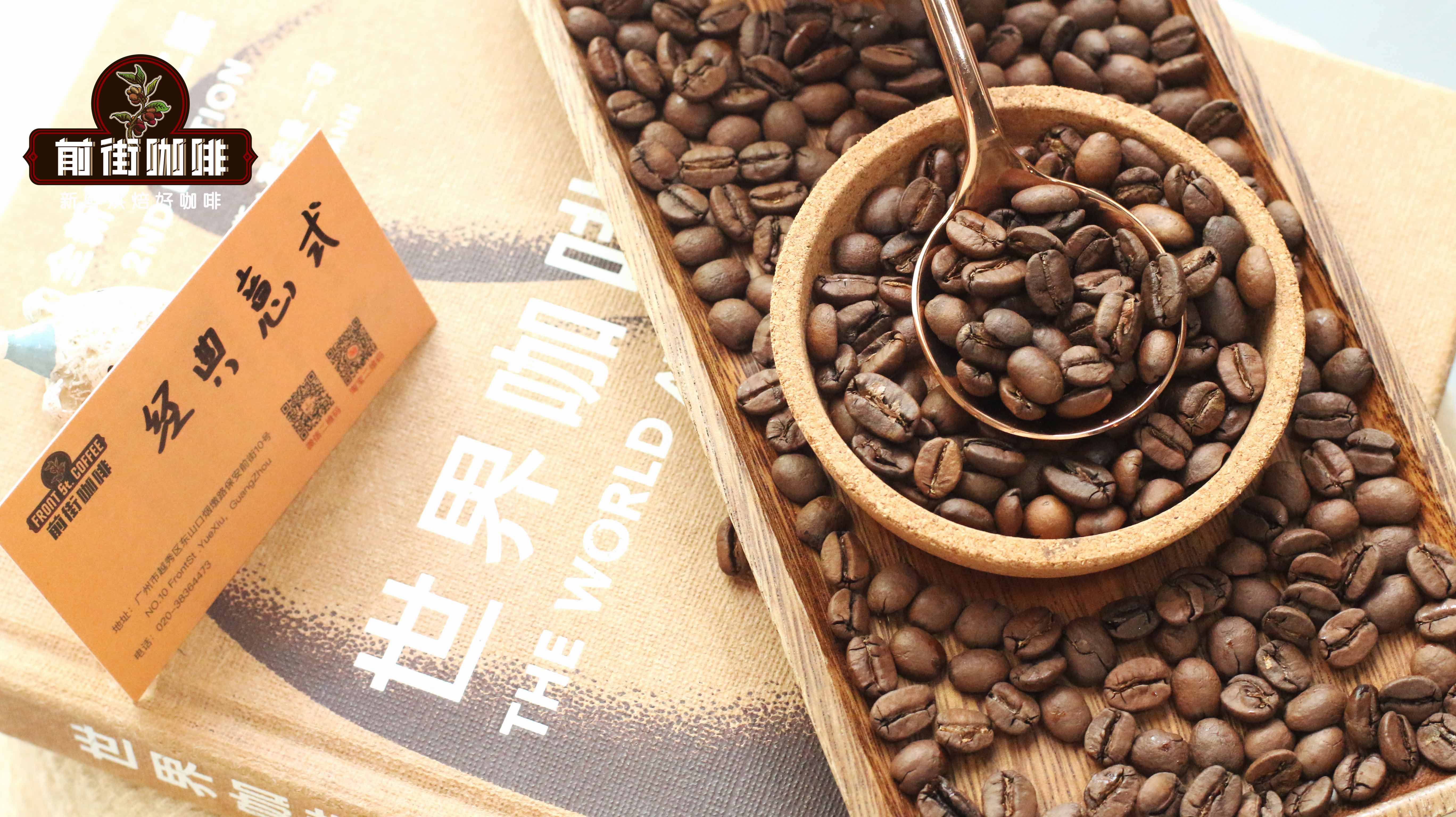
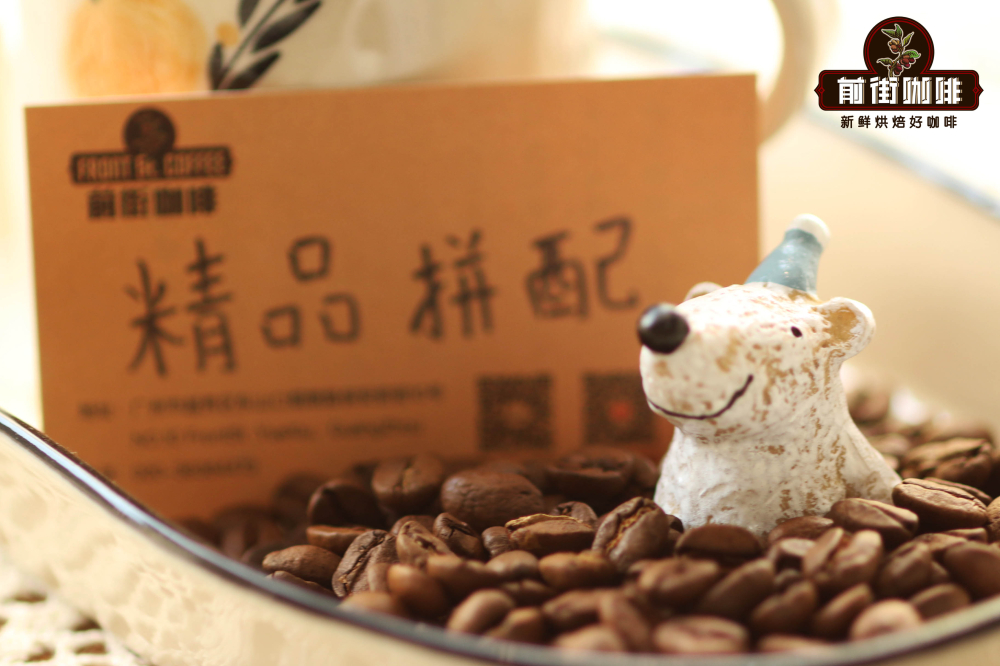
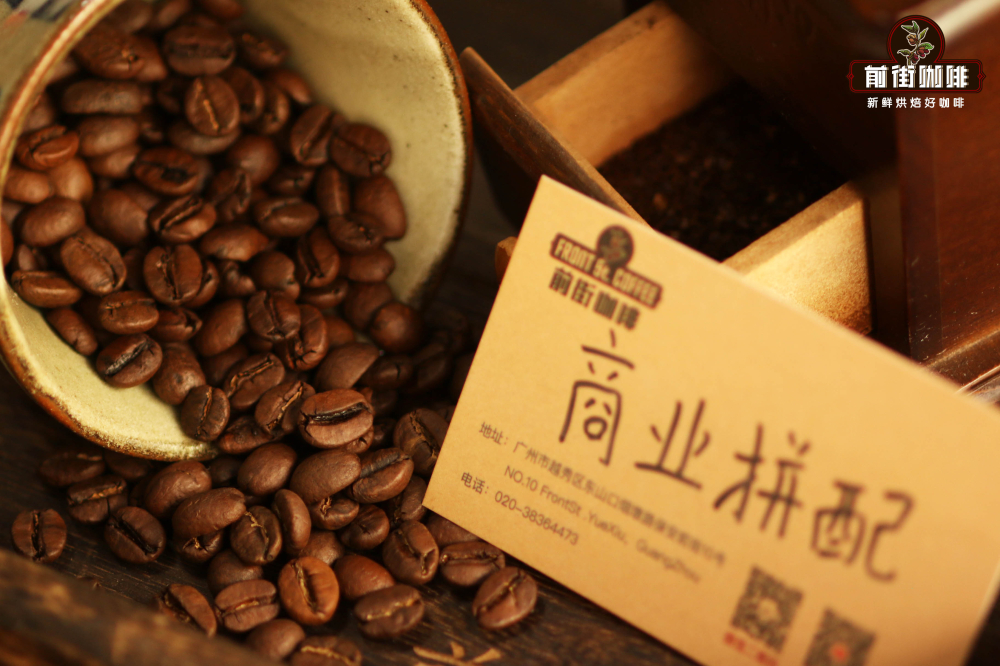
Here are five top-performing blends we’ve tested, covering different flavor preferences and budgets:The first combines Colombian Huila and Brazilian Cerrado, offering a smooth, sweet-and-bitter taste with grassy notes, ideal for specialty cafés seeking balance;A commercial formula with Vietnamese Robustaboosts the shot’s body with high oil content, delivering caramel and dark chocolate tones at a great value.The “Dark Cocoa” blend, a mix of Yunnan AA and Brazilian beans, stands out with its soft fruit acidity and rich texture, perfect for low-dose brewing. For those who prefer bold fruitiness,the “Sunflower Sunshine” blend with Honduran and sun-dried Yirgacheffefeatures berry fermentation notes and a wine-chocolate finish, with a half-pound pack for small-batch needs.Finally, the “Strawberry Candy” blendcombines Costa Rican honey-processed beans, Colombian nutty notes, and Ethiopian citrus acidity, extracting a gummy-like, vibrant flavor with a smooth crema and low bitterness.
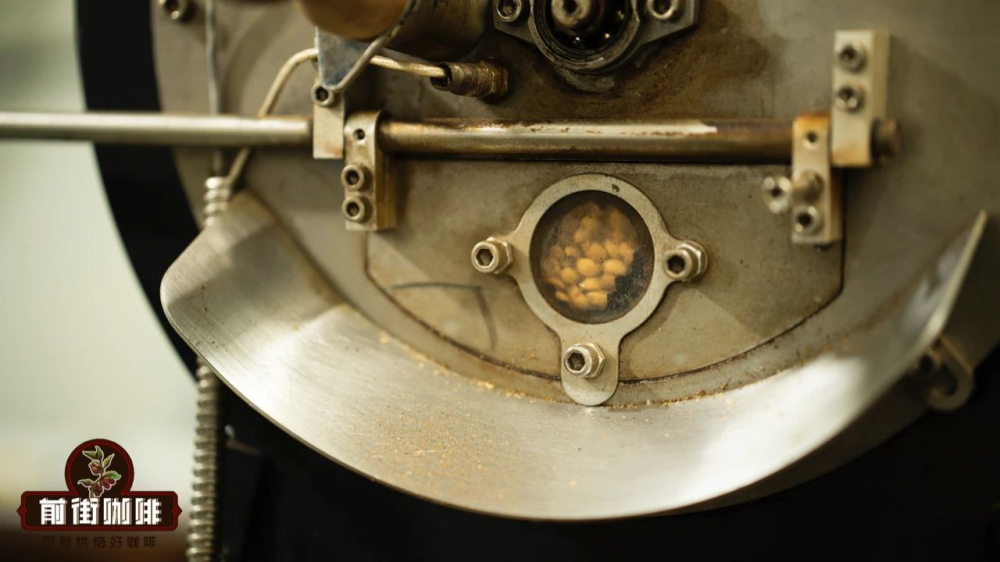
Compared to the harmonious complexity of blends, SOEs (Single Origin Espressos) usually showcase brighter acidity and floral-fruity notes, appealing to those who prefer light to medium roasts. The article highlights Ethiopia’s Guji-Hambela region’s Hua Kui SOE, whose natural process highlights layers of red berries, cream, and citrus. Though not a traditional espresso blend, it offers an alternative for those who enjoy fruity acidity. When extracting, adjust grind size and tamping pressure to suit the bean’s characteristics.
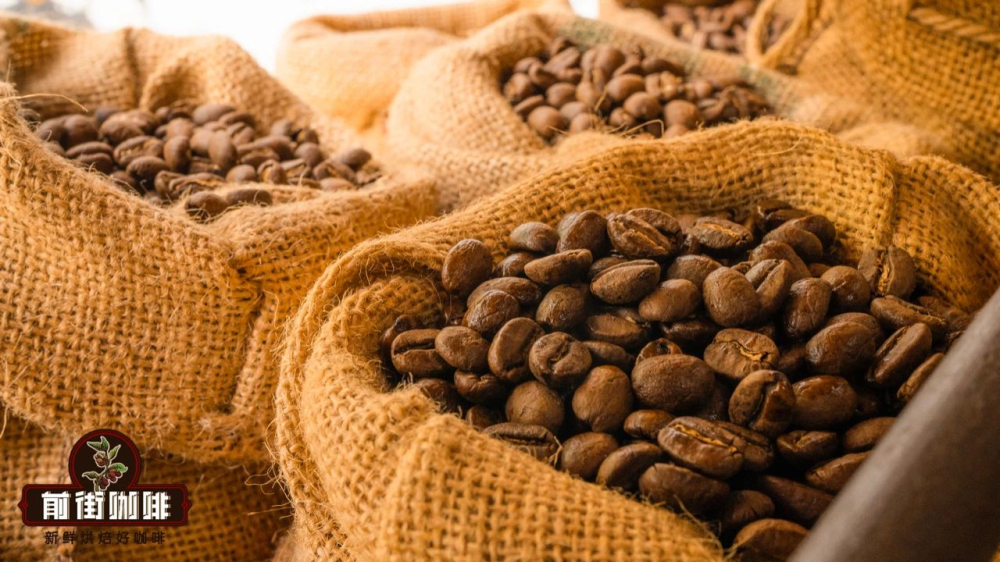
In practice, pay attention to the roast date and rest period of your blend—freshly roasted beans typically need 3–7 days to degas for optimal flavor. For home semi-automatic machines, use a medium-fine grind (about 70–75% through a #20 sieve), preheat the portafilter and server to above 90°C, and pull a double shot for 25–30 seconds with 18–20g of coffee for ideal concentration and crema thickness. Regularly clean the group head and shower screen to prevent old coffee grounds from affecting future extractions.
No matter which blend you choose, understanding the origin ratio and roast level (usually medium-dark to dark) on the bag, and fine-tuning parameters based on your machine, will help you gradually find the perfect flavor balance. From commercial use to home enjoyment, the right blend selection can greatly enhance your espresso experience.
The above content is compiled by CoffeeHunters, a coffee news website.

