








Introduction:Latte is the starting point for many people’s journey into espresso-based coffee, but crafting a latte with balanced flavors and delicate microfoam is no easy feat. This article delves into the origins and evolution of the latte, explains the golden ratio between espresso and milk, explores how different roast levels affect flavor, and details the complete process from espresso extraction to steaming milk and pouring latte art—helping you master professional-level latte-making techniques.
The History and Basic Composition of Latte
The word “latte” comes from the Italian word for “milk,” and originally referred simply to coffee with milk added. It wasn’t until the advent of the espresso machine that the combination of steam-heated milk and latte art transformed it into the familiar drink we know today. A traditional latte consists mostly of steamed milk with a small amount of espresso, typically in a ratio ranging from 1:6 to 1:7, balancing coffee aroma with the smooth texture of milk.
Key Considerations in Coffee Bean Selection: Roast Level and Blend Flavor
For making lattes, it’s best to use medium to medium-dark roasted beans suitable for espresso extraction. Too light a roast can result in overly sour or astringent notes, while too dark a roast may suppress the natural sweetness of the milk.A recommended roast level is between medium and medium-dark.This range highlights the rich foundation of the coffee while complementing the milk well. Common high-quality blends combine the balanced acidity of Central and South American beans with the fruity notes of African beans, yielding flavors

Golden Ratio and Espresso Extraction Parameters
The classic latte recipe usesa 1:6.5 ratio,for example: 40 grams of espresso paired with 260 grams of steamed milk. For espresso extraction, it is recommended to use 20 grams of coffee grounds and extract 40 grams of espresso within 27 seconds, with a grind size close to that of fine sugar, and water temperature controlled at 90–93°C. This parameter balances concentration and body, laying the flavor foundation for the latte.

Complete Guide to Milk Frothing: Tools and Techniques
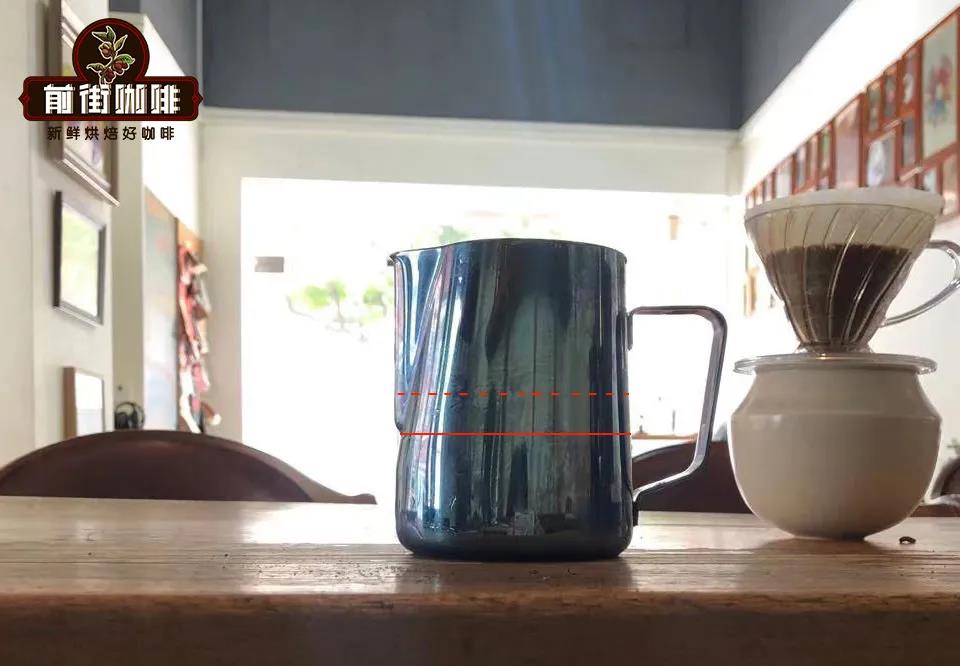
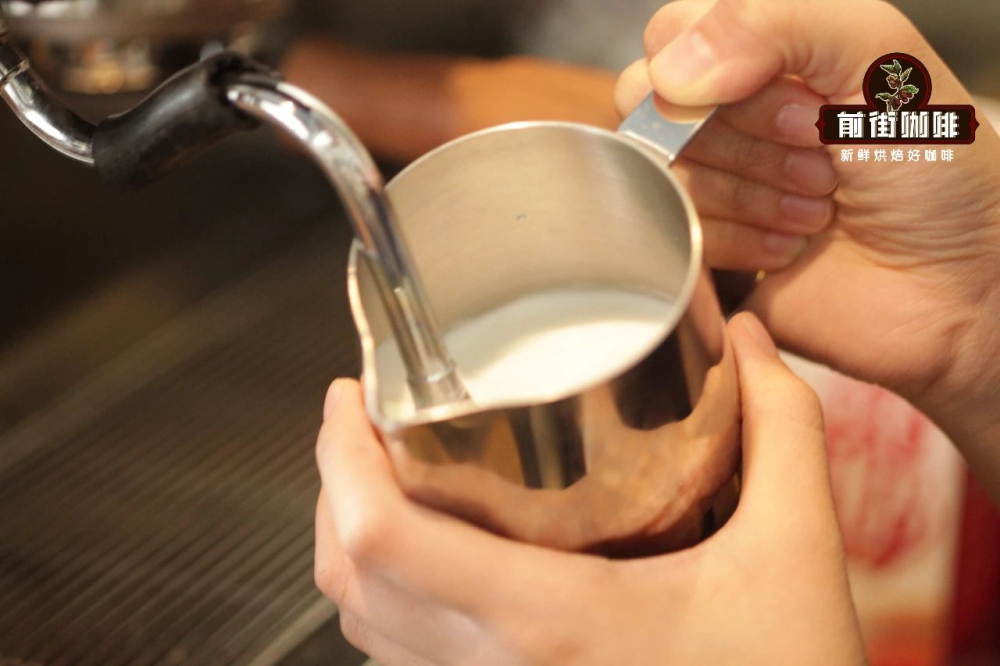
Choose whole fresh milk chilled at low temperature (around 4°C) for optimal frothing results. It is recommended to use 40–60% of the pitcher’s capacity (e.g., 250 ml of milk in a 550 ml pitcher). Frothing is done in two stages:Frothing StageMaintain the steam wand at a 45-degree angle, and when you hear a hissing sound, rotate the pitcher to create a counterclockwise whirlpool, expanding the volume to about 1.6 times its original size in approximately 3 seconds;Stretching StageFully submerge the steam wand and heat until the temperature reaches 55–65°C, being careful not to exceed 60°C to avoid protein denaturation which can ruin the milk foam structure.

Key Points and Common Mistakes in Steam Wand Operation
Before use, release any condensation from the steam wand. Insert the steam wand diagonally into the center-right of the milk surface, at a depth of about 1–2 cm. Beginners often make the mistake of lowering the pitcher too early or using an incorrect angle, resulting in large bubbles. The correct technique is to maintain a steady whirlpool, adjusting the position by observing the milk texture and sound changes.

Fusion Technique and Preparations Before Latte Art
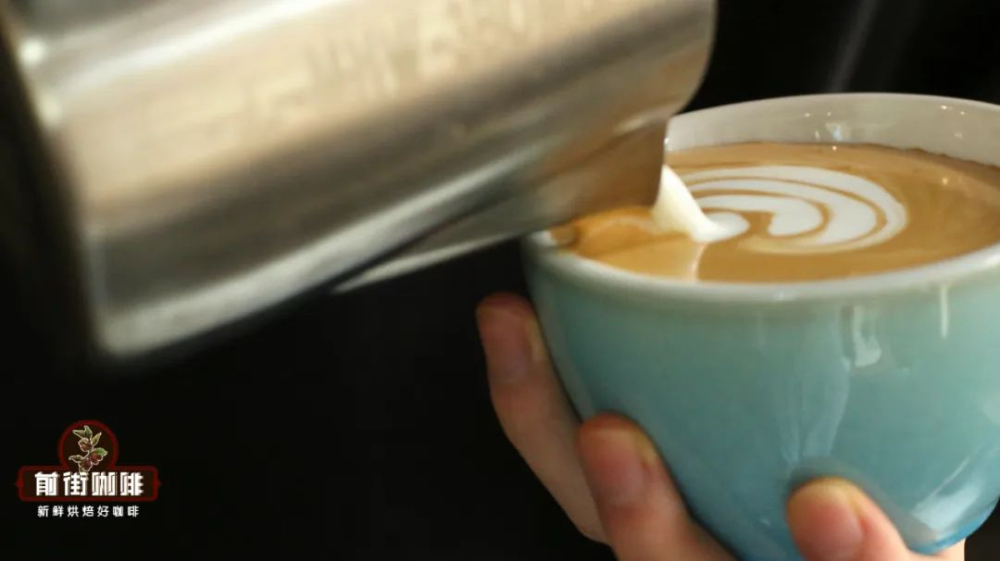
When pouring the espresso into the milk, keep the pitcher spout close to the liquid surface and slowly blend. First, pour most of the milk to reduce flow rate, then raise the height to create patterns. During fusion, pay attention to whether the color transition on the liquid surface is even, avoiding obvious layering or white patches, as this is a key step affecting the smoothness of the taste.

Overview of Parameters at Each Stage and Flavor Characteristics
An ideal latte should havevelvety milk foam(about 3–5 mm thick),a balanced sweet-and-salty profile,and a long-lasting aromatic finish. The entire process from extraction to completion needs to control timing at each stage: espresso extraction in 27 seconds → milk frothing in 45–60 seconds → fusion and latte art completed within 90 seconds, ensuring the best possible flavor presentation.

Extended Applications and Adjustment Suggestions
Depending on the season or personal taste, the ratio can be slightly adjusted. In summer, reducing the amount of milk can enhance coffee intensity (e.g., 1:6), while in winter, increasing the milk volume creates a warmer feel (e.g., 1:7). Experiment with different bean combinations, such as adding a small amount of beans with citrus notes to enhance freshness, or using a slightly lighter roasted blend to intensify the contrast with the milk's sweetness.



The above content is compiled by CoffeeHunters, a coffee news website.


