







Introduction:To replicate the silky lattes and delicate latte art found in cafés at home, the key lies in mastering milk frothing techniques and espresso extraction parameters. This article provides a comprehensive guide to the entire process—from bean selection and extraction to milk foam preparation—including how to control the texture and temperature of latte-ready milk foam, as well as an analysis of common mistakes, helping you gradually improve your pour over and milk coffee brewing skills.
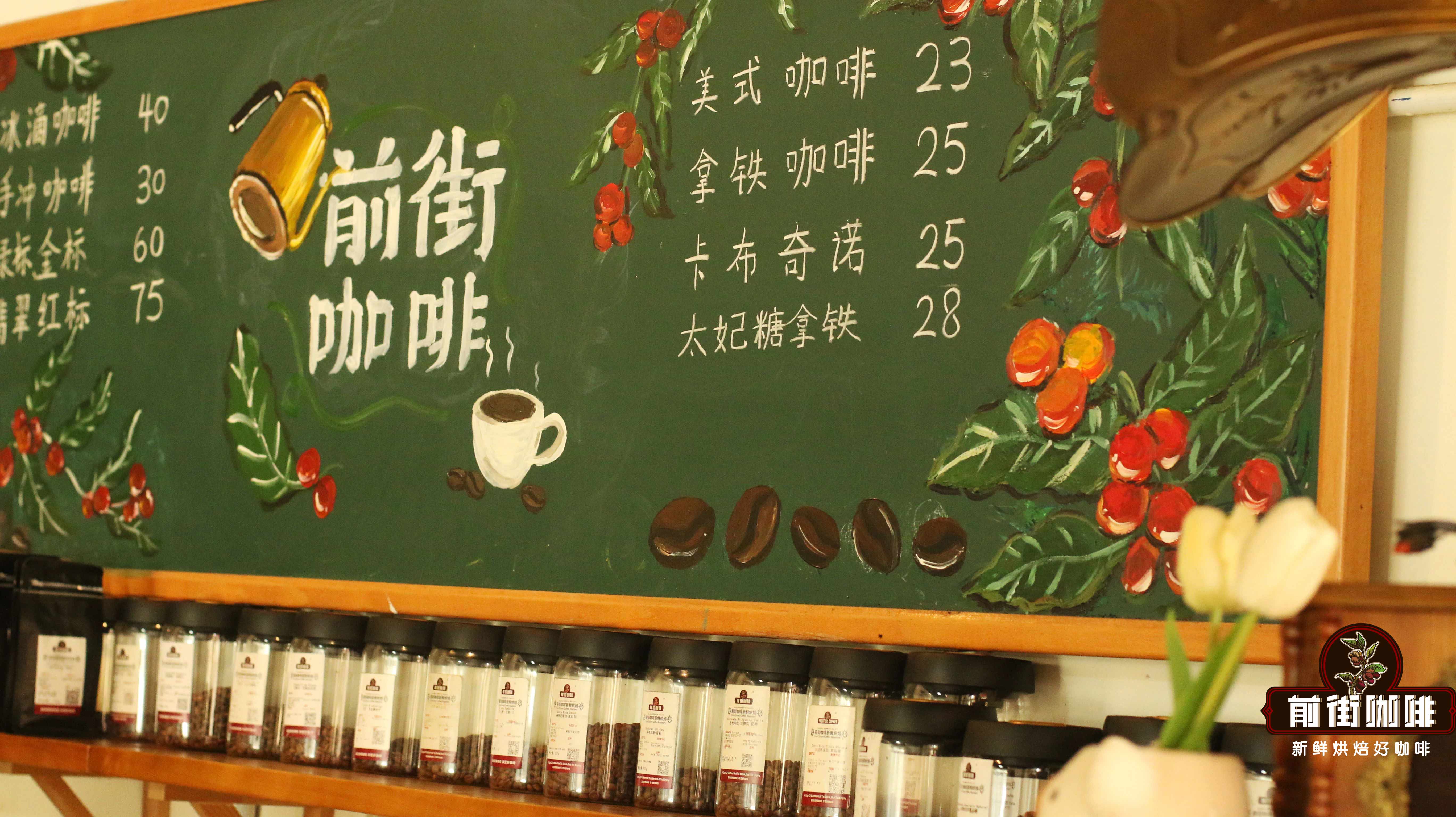
When walking into a café, many customers opt for classic espresso-based drinks such as lattes, cappuccinos, or Americanos. Each of these drinks has its own unique characteristics: lattes focus on the perfect balance between coffee and milk, cappuccinos feature a thick layer of foam, while flat whites offer a lighter, more refreshing taste, all beloved by coffee enthusiasts.

To make a rich and aromatic specialty coffee, you need two essential elements: high-quality espresso and finely textured milk. By adjusting the ratio and blending method of the two, you can create coffee drinks with vastly different flavors. Take the popular latte as an example—it typically features a relatively thin layer of foam, with the emphasis placed on the integration between coffee and milk.

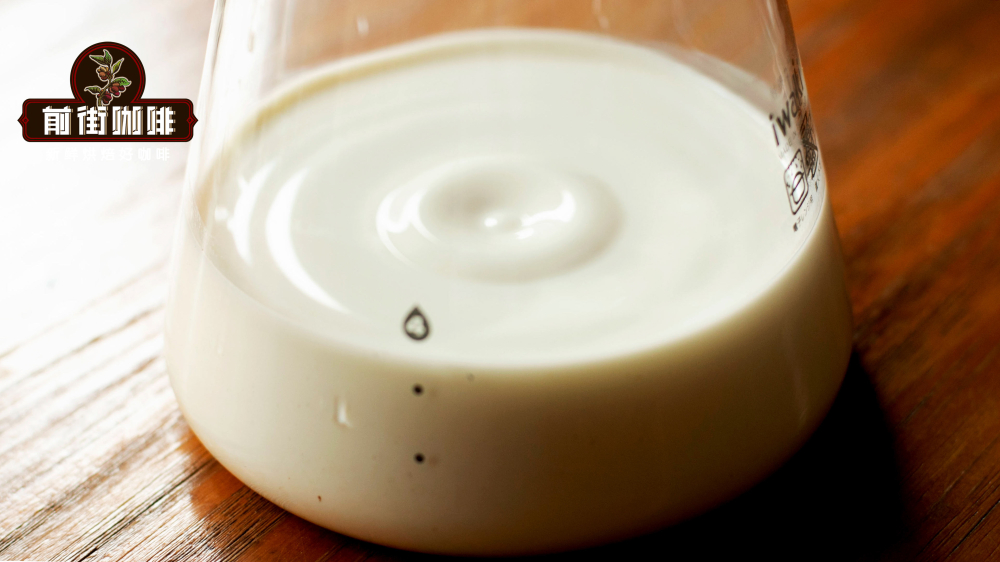
Milk plays a pivotal role in coffee. Its texture not only affects mouthfeel but also directly determines the stability and smoothness of the foam. Professionals recommend using whole milk, as its rich fat and protein content not only enhances flavor complexity but also ensures a firm foam structure that resists collapsing. Additionally, the freshness of the milk is crucial—even if aged milk looks and smells fine, its internal proteins may have started to break down, potentially compromising the final foam quality.
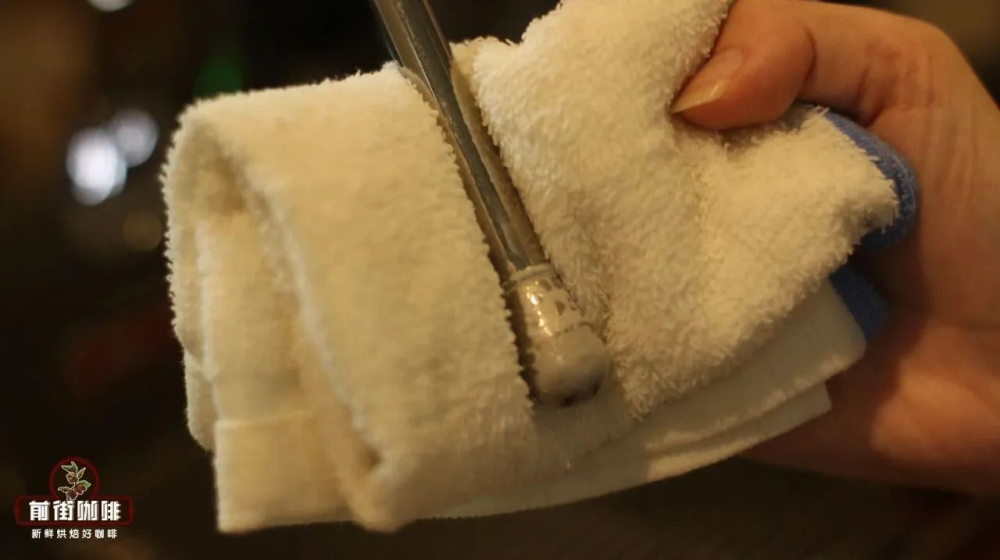
Creating ideal milk foam requires mastering two core steps: frothing and texturing. First, pour the milk into the pitcher, keeping the liquid level between one-third and two-thirds below the spout to ensure the steam wand can work effectively. Be sure to clean the steam wand beforehand to avoid residual substances affecting the foam’s texture. Then tilt the pitcher slightly, inserting the steam wand just beneath the surface—not touching the center. When you turn on the steam, you’ll hear a distinct hissing sound, which primarily creates fine bubbles during this stage.
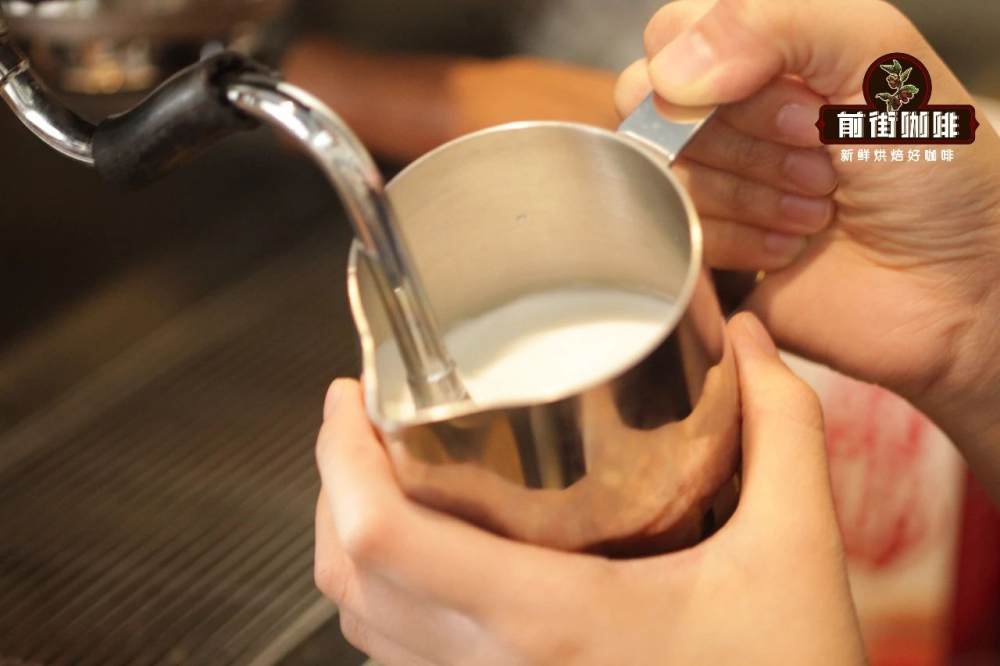
Once the foam reaches the desired fineness, control the temperature so it does not exceed body temperature; aim for about 60°C, and never exceed 70°C to avoid damaging the milk’s protein structure. During the texturing stage, adjust the angle of the pitcher so the steam wand is submerged deeper into the center of the milk to create a whirlpool effect. When the outside of the pitcher becomes 60–65°C (approximately too hot to hold for more than 3 seconds), the texturing is complete. Before turning off the steam, purge the wand to clean the line, then tap the side of the pitcher lightly to break up any large bubbles, and swirl gently to blend the foam and milk—completing the process of crafting professional-grade milk foam.
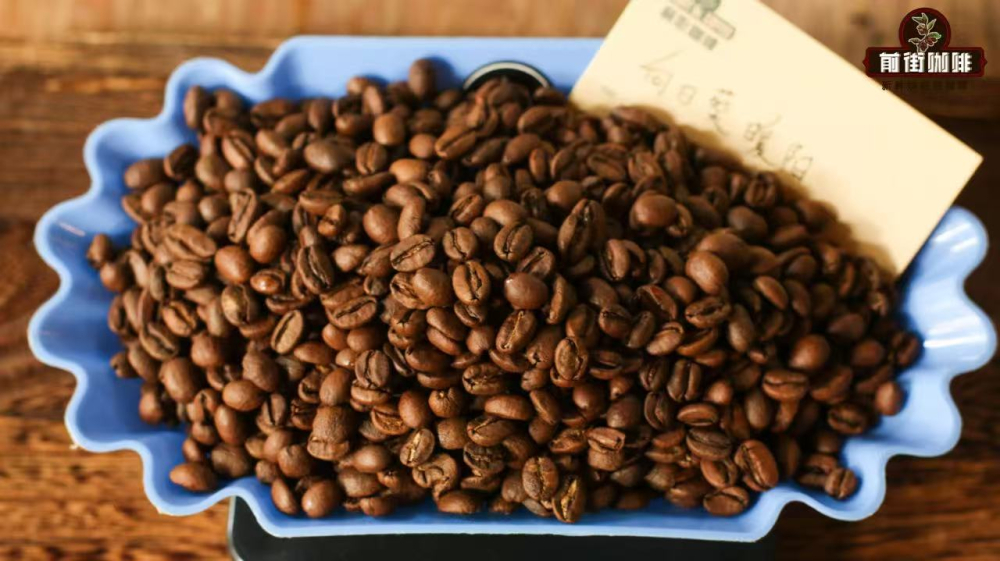
The quality of the espresso is equally critical. For beans, we recommend trying a 6:4 blend of Honduran and Ethiopian Yirgacheffe—this combination delivers notable fruity acidity, berry aromas, and a wine-like finish with elegant aftertaste. If you prefer a milder flavor profile, a base blend of 3:7 Yunnan and Brazilian beans can be chosen, offering soft fruit acidity, caramel sweetness, and nutty tones. For extraction parameters, it is advised to use a Galileo Q18 grinder, set to a grind size of 1.6, with a pressure of 9 bar, water temperature maintained at 90.5–96°C, extraction time of 20–30 seconds, coffee dose of 20g (for a double shot), aiming for an extraction yield of 40ml.
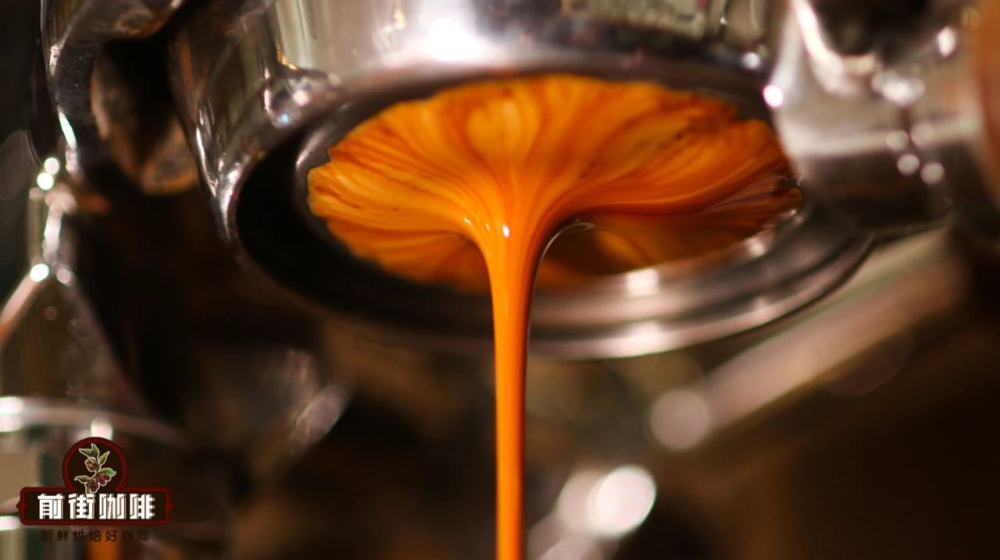
The ideal espresso should exhibit a uniform and fine flow. If the flow varies inconsistently in thickness, it may be due to the grind being too fine or the tamper being pressed too hard, leading to over-extraction and bitterness. Conversely, a grind that’s too coarse or insufficient tamping will result in under-extraction, producing a thin, watery taste. A successfully extracted espresso should have a smooth mouthfeel and medium body, with noticeable fruit acidity, berry aromas, whiskey-like notes, and a rich chocolate profile, all followed by a long-lasting, sweet aftertaste.

The above content is compiled by CoffeeHunters, a coffee news website.


