







Introduction:The drip coffee maker is a staple in the homes of many coffee enthusiasts. It’s easy to operate, delivers consistent extractions, and is perfect for everyday enjoyment. This article will delve into how to brew great-tasting American-style coffee using a drip machine — covering everything from equipment selection and coffee bean recommendations to standard coffee-to-water ratios and brewing steps. We’ll also offer professional tips to help you elevate your home coffee quality and recommend five single-origin beans with distinct flavor profiles that are well-suited for drip machines.
Basic Understanding of Drip Coffee Makers
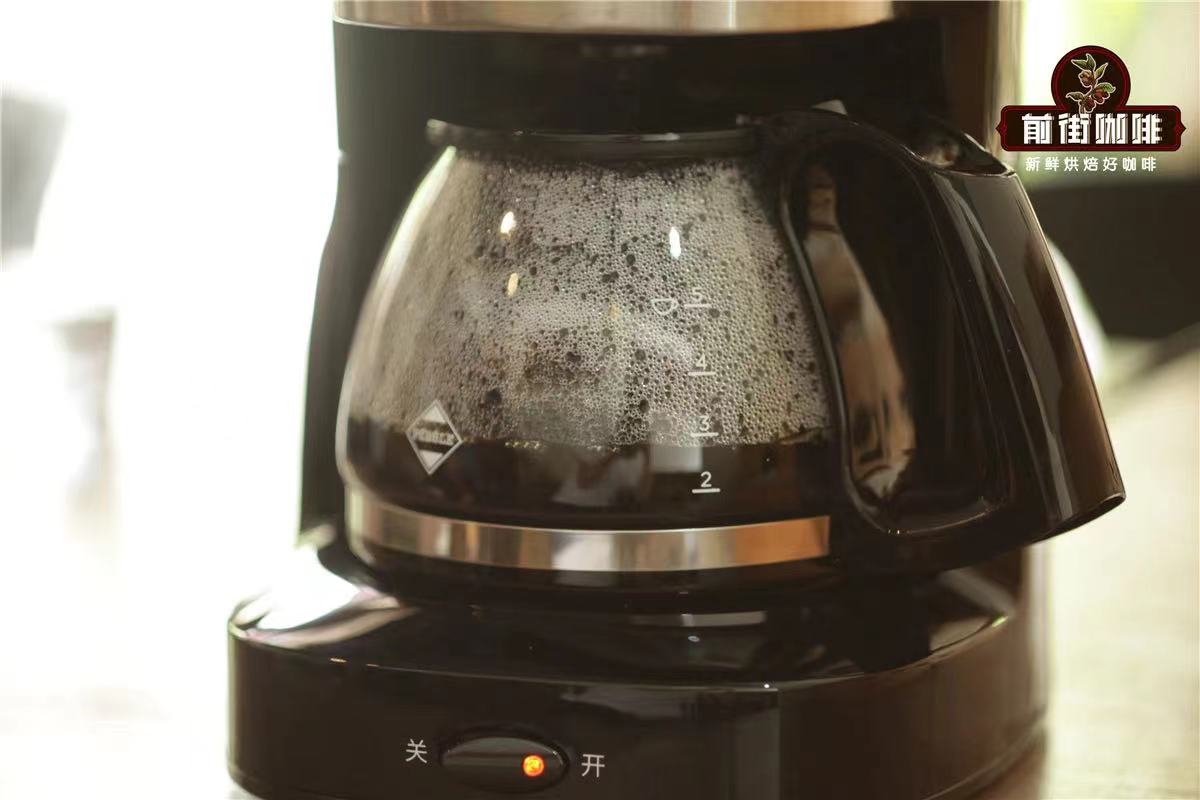
A drip coffee maker (Drip Coffee Maker) is one of the most common coffee brewing tools found in households. It’s intuitive to use, with a typical brewing time of about 5 to 8 minutes, making it a favorite among busy yet convenience-seeking coffee drinkers. Its operation involves heating water and evenly dripping it through a bed of coffee grounds, extracting flavors via gravity. It's a normal-pressure drip system, similar to pour over but more automated.
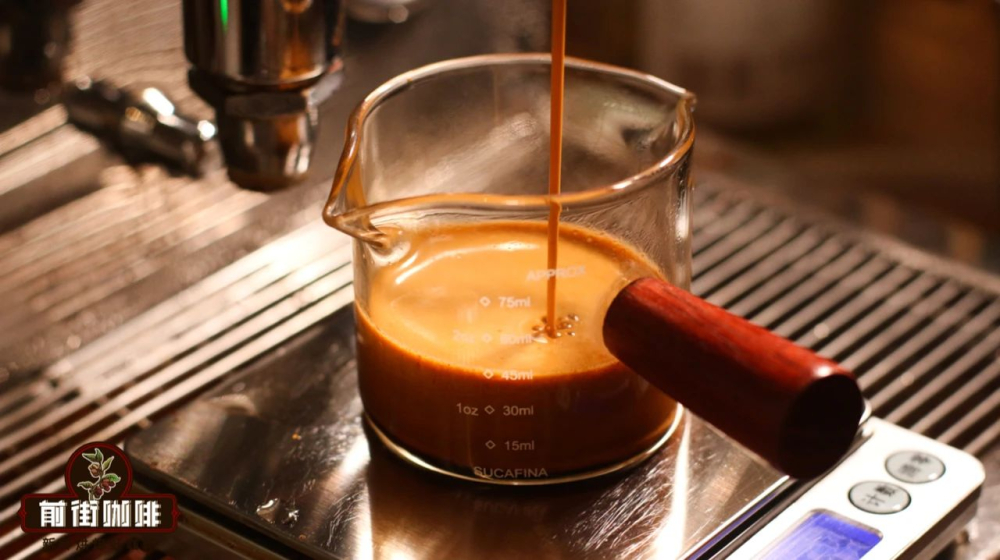
Before diving into specific operations and bean selection, let’s distinguish between the two main types of coffee makers: drip and espresso machines. The former primarily makes American coffee, emphasizing the expression of the bean’s original regional characteristics and processing flavors; the latter uses high-pressure extraction to produce concentrated coffee, which is then diluted with water as needed to make American coffee. During World War II, American soldiers, unaccustomed to the intense flavor of espresso, diluted it with water, giving rise to the prototype of what we now call “American coffee.”
Coffee Bean Selection Recommendations for Drip Machines
Since drip machines employ normal-pressure extraction, they faithfully reflect the regional characteristics and processing-method flavors of the coffee beans themselves. It’s recommended to choose single-origin beans with medium-light to medium roasts to highlight delicate notes such as fruity, nutty, or floral aromas. Below are five highly acclaimed single-origin coffee beans that work well with drip machines, each offering a unique flavor profile:
1. Huākuí Coffee Beans: Sourced from Guji-Hambela in Ethiopia, grown at high altitudes, these beans deliver bright notes of berries, strawberry jam, and citrus, with the natural (sun-dried) processing adding sweet tropical fruit aromas.
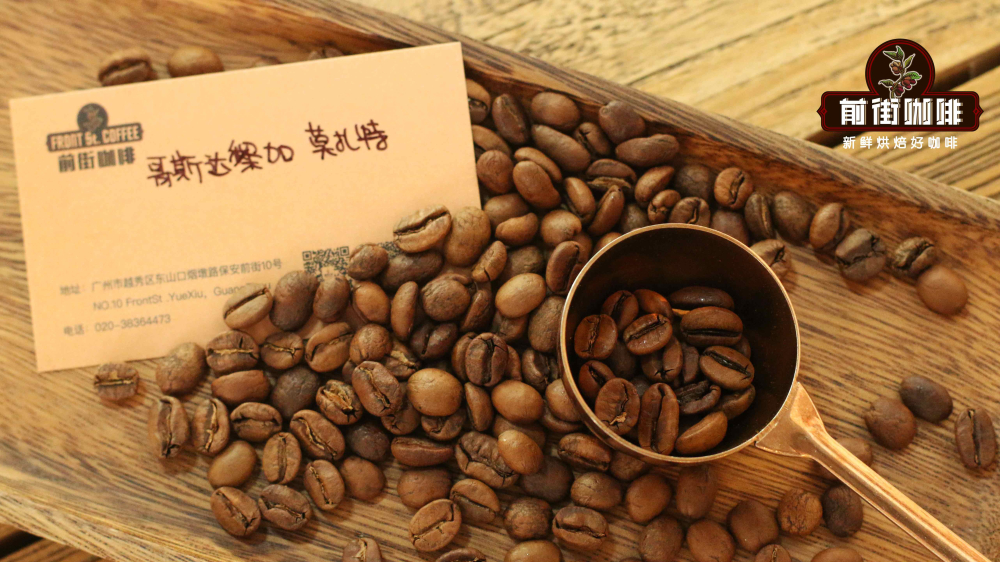
2. Mòzàtè Coffee Beans: From Costa Rica, these beans are processed using the raisin honey method, also known as double fermentation, resulting in rich notes of osmanthus, berries, and fermented wine, along with a full and layered mouthfeel.
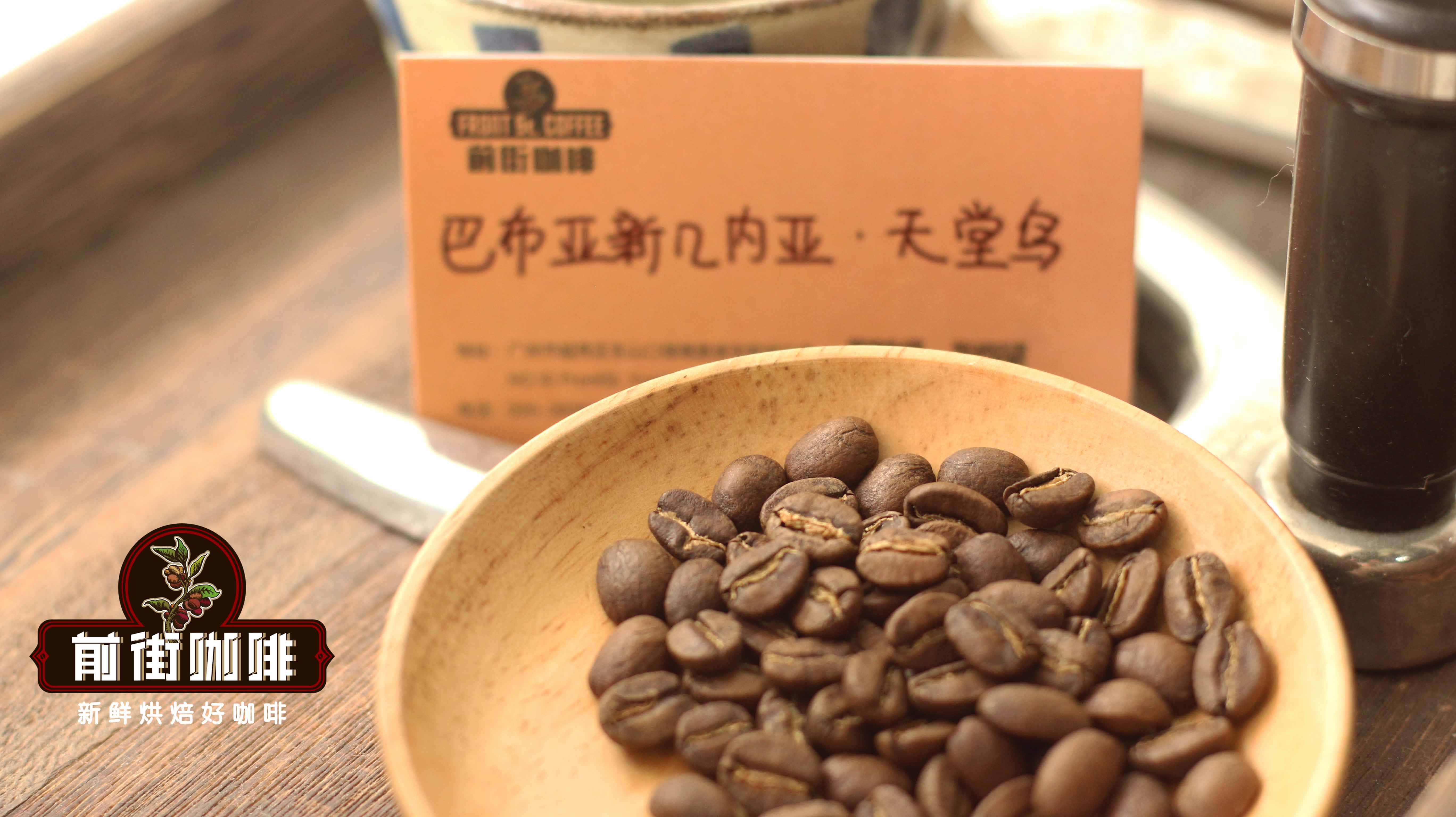
3. Tiāntángniǎo Coffee Beans: Produced in Papua New Guinea and hailed as the “Little Blue Mountain,” this Typica variety, combined with island climate conditions, offers flavors of nuts, cocoa, and subtle berry sweetness, with a rich yet balanced profile.
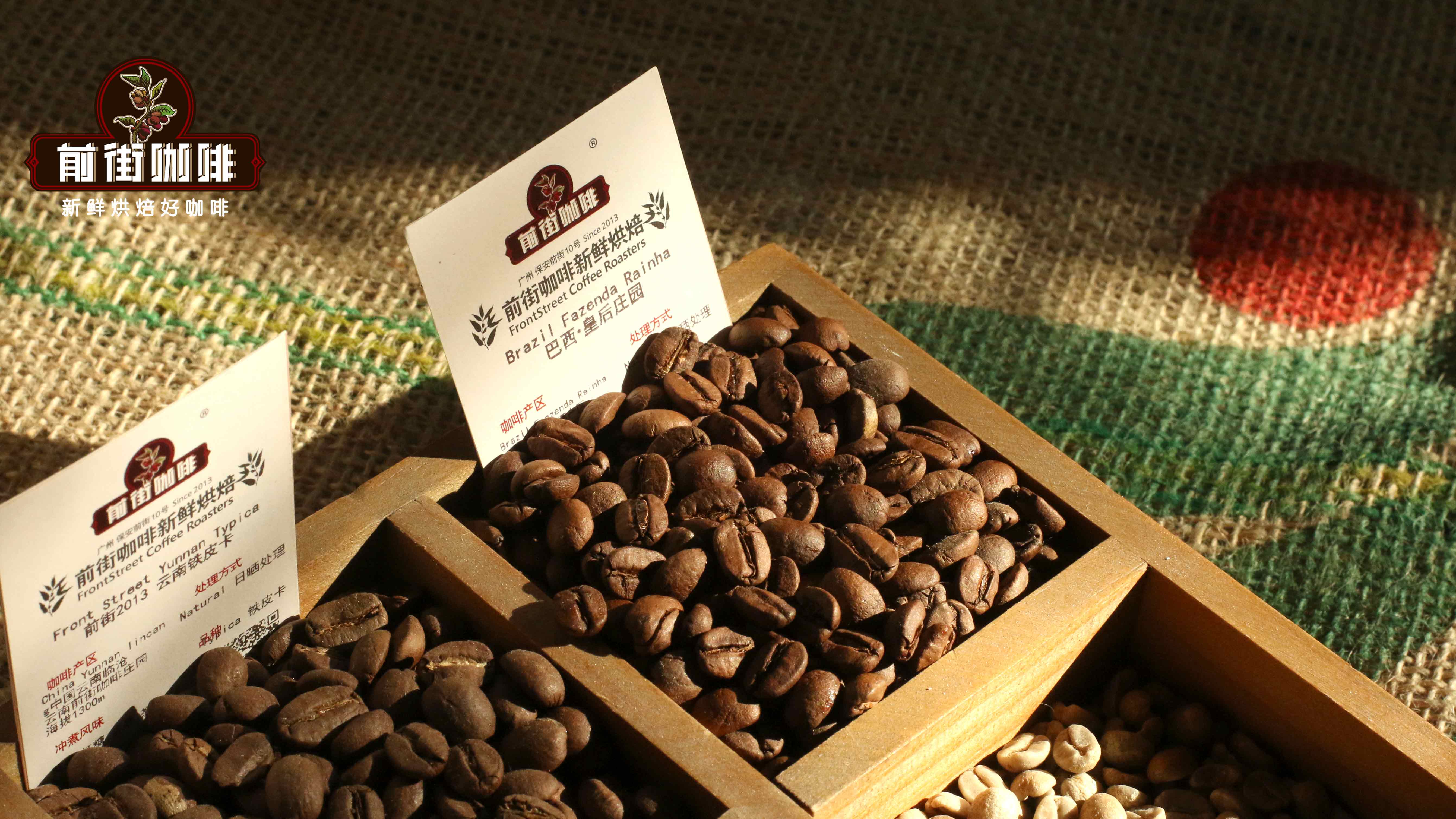
4. Huánghòu Estate Coffee Beans: A yellow Bourbon variety from Brazil, grown at high altitudes, it features caramel sweetness, black tea aroma, and soft fruit acidity, with clear notes of nuts and chocolate, delivering a smooth and clean cup.
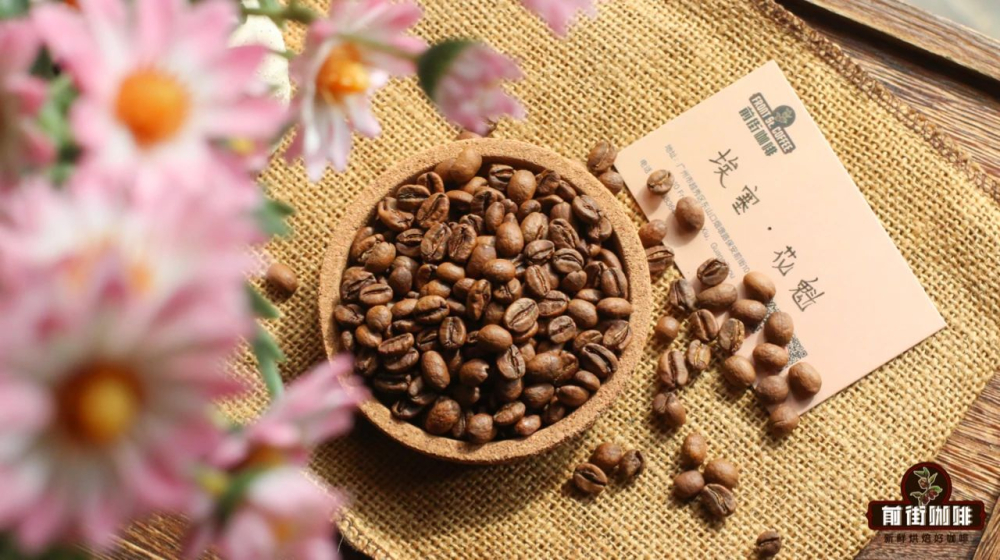
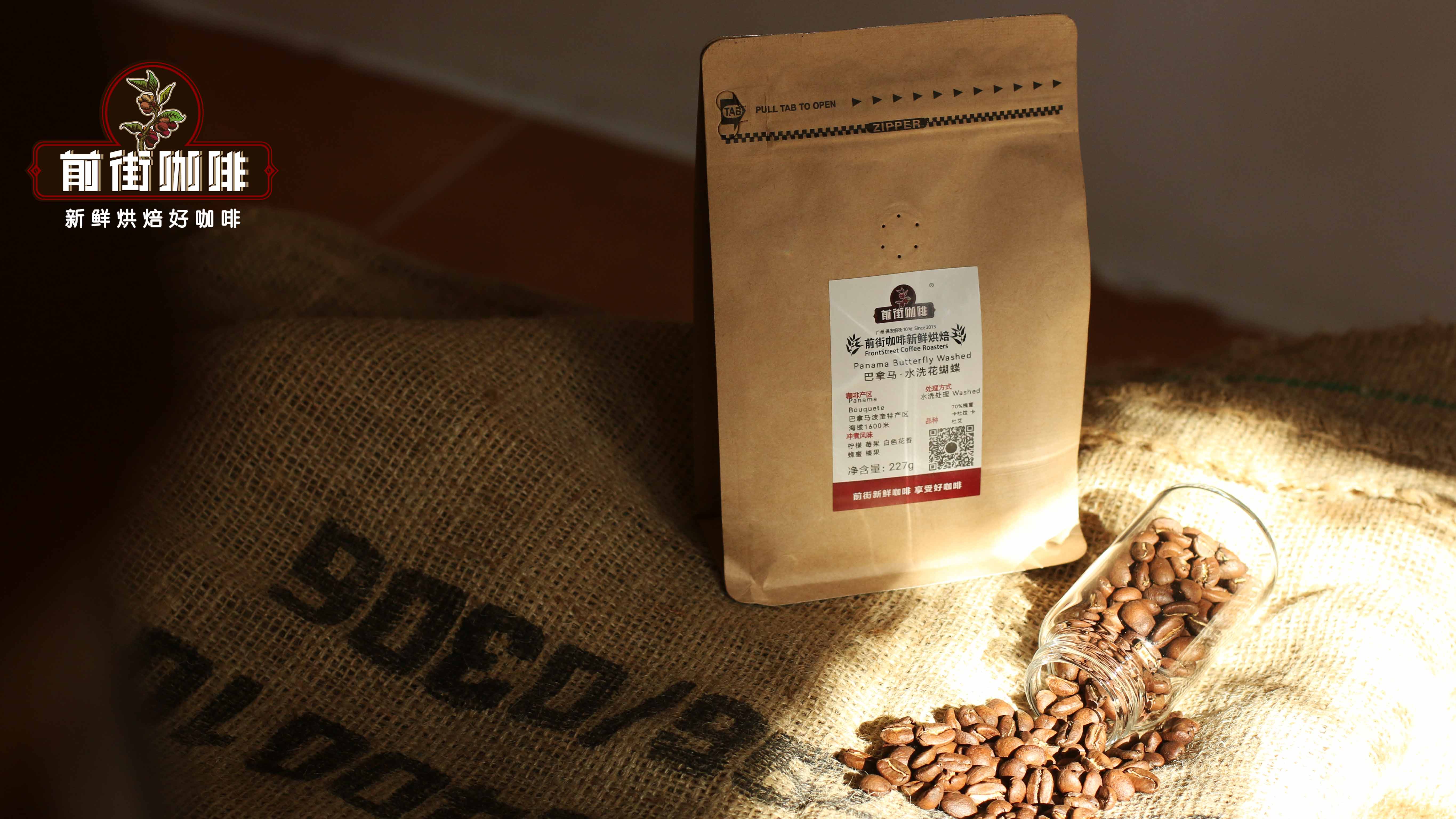
5. Huāhúdié Coffee Beans: From the Boquete region of Panama, a blend of 70% Geisha and other varieties, the volcanic soil and significant day-night temperature variation result in prominent floral notes, a full body, and excellent acidity — a specialty bean that still showcases intricate details when brewed with a drip machine.
Coffee Machine Capacity and Coffee-to-Water Parameter Settings
Common drip coffee makers on the market come in 5-cup and 12-cup models. A 5-cup machine typically has a glass carafe and water reservoir capacity of about 550 to 650 milliliters, while a 12-cup machine holds around 1.2 to 1.3 liters. A standard cup size is recommended to be 100 to 120 milliliters, and it’s best to brew at least 2 cups or more at a time to achieve optimal extraction efficiency.
For coffee-to-water ratio, it’s suggested to use 5 to 7 grams of coffee grounds per 100 to 120 milliliters of water — roughly equivalent to one level spoon (usually 6 grams) per cup. You can slightly adjust the amount of coffee to suit personal taste, but maintaining a stable ratio helps better control the extraction flavor.
Step-by-Step Brewing Guide
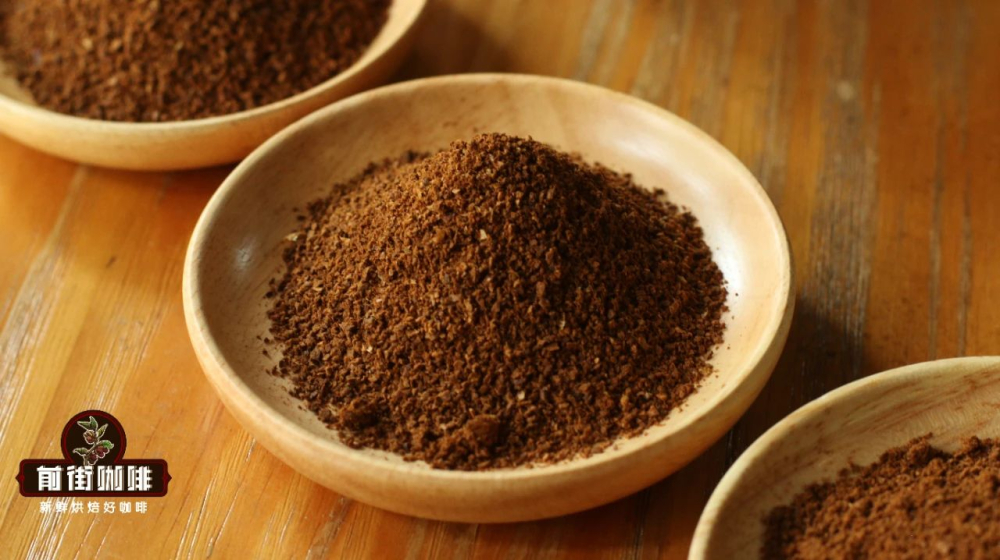
The basic steps for using a drip coffee maker are as follows: first, grind the coffee beans to a medium-coarse consistency (similar to pour over, around 80 to 100 microns). If you already have pre-ground coffee, you can skip this step. Place a filter paper in the filter basket (if required), then add the coffee grounds — about 5 to 7 grams per cup, corresponding to 100 to 120 milliliters of water per cup.
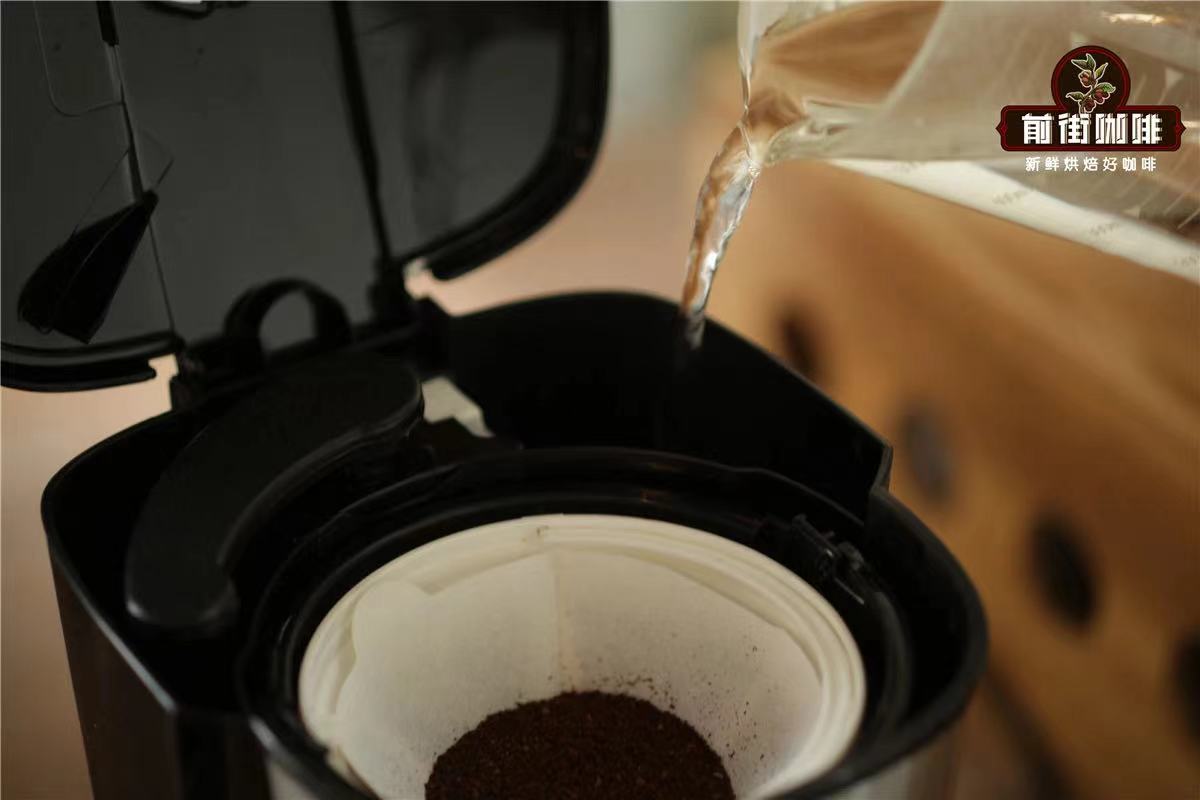
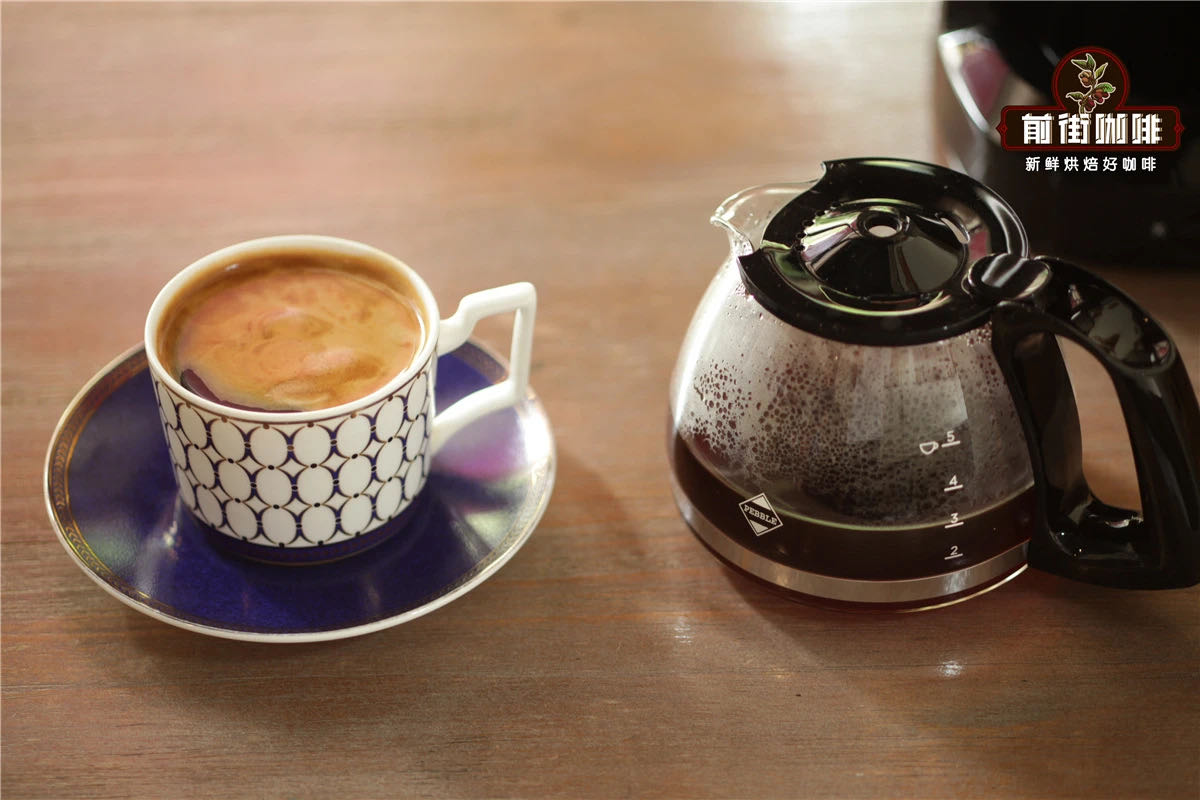
Next, pour the appropriate amount of water into the water reservoir, paying attention to the water level markings on the machine or glass carafe. Once done, place the filter basket and water reservoir in position, plug in the machine, and turn it on. Wait for 5 to 8 minutes until the dripping stops, then pour and enjoy.
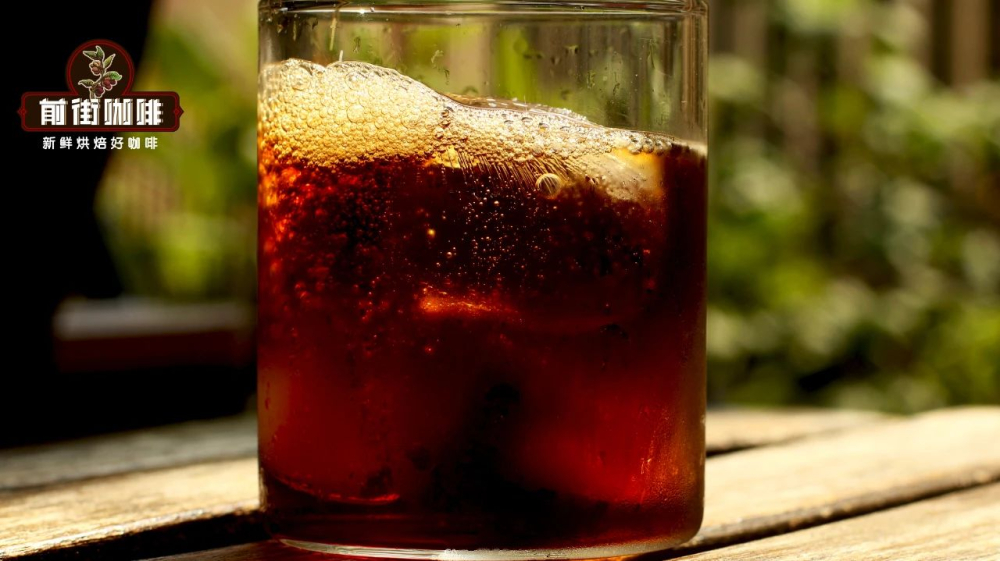
If you prefer iced Americano, reduce the hot water proportion and add ice cubes, or mix the brewed hot coffee with an equal amount of cold water. If you don’t have a grinder at home, ask the coffee shop to pre-grind medium-coarse grounds suitable for drip brewing to avoid overly fine grinds that may affect flow rate and lead to over-extraction.
Grind Size and Common Mistakes to Avoid
The grind size for drip coffee makers differs significantly from that of espresso machines. Drip machines require a medium-coarse grind, similar to pour over, to ensure smooth water flow and avoid over-extraction, which can lead to bitterness. If you don’t have a grinder at home, specify your intended use when purchasing beans and ask the seller to adjust the grind to one suitable for drip brewing.
Additionally, remember to regularly clean the filter, glass carafe, and water reservoir to prevent residue from affecting the taste of your coffee. Using freshly roasted beans (ideally within 2 to 4 weeks post-roast) will better highlight aroma and complexity.
In summary, by mastering the correct coffee-to-water ratio, selecting suitable single-origin beans, and following the basic brewing process, even the most entry-level drip coffee maker can help you easily produce a flavorful and aromatic cup of American coffee at home.
The above content is compiled by CoffeeHunters, a coffee news website.

