








Introduction:Want to brew rich, full-bodied espresso-style coffee with a moka pot but can’t quite master the technique? This article provides a detailed breakdown of the correct steps for using a moka pot — from selecting coffee beans and determining grind size, to whether an induction cooker is suitable — along with practical brewing tips and answers to common questions to help you easily make a professional-grade moka pot coffee.
Using a moka pot isn’t actually complicated. Just master a few key points — choosing the right coffee beans, controlling the appropriate grind size, and turning off the heat at the right time — and you can easily brew a cup of flavorful moka pot coffee. Next, we’ll guide you step-by-step through the tips and tricks of using a moka pot.
What type of coffee beans is suitable for a moka pot?
Since the moka pot uses pressurized extraction, similar in principle to an espresso machine, the resulting coffee is usually high in concentration and has a rich body, making it particularly suitable formedium-dark to dark roastedcoffee beans. Dark roasted beans, due to longer heating times, have a higher degree of caramelization of flavor compounds inside the bean, bringing out intense roasted aromas and sweetness. Whether enjoyed straight or with milk as a latte, they can display rich layers of flavor.
In addition,the freshness of the coffee beansis also an important factor affecting extraction quality. Freshly roasted coffee beans not only have fuller aroma, but also make the extraction process with a moka pot more stable. It is recommended to choose coffee beans roasted within 5–14 days for optimal flavor performance.

How should the grind size of moka pot coffee be determined?
The grind size of a moka pot is one of the keys to successful extraction. If the grind is too coarse, water will pass through too quickly, leading tounder-extraction,resulting in a weak and flat-tasting coffee lacking complexity. On the other hand, if the grind is too fine, the resistance will be too great—not only may the water fail to flow smoothly, but excessive pressure could even cause the moka pot to explode, which is very dangerous!
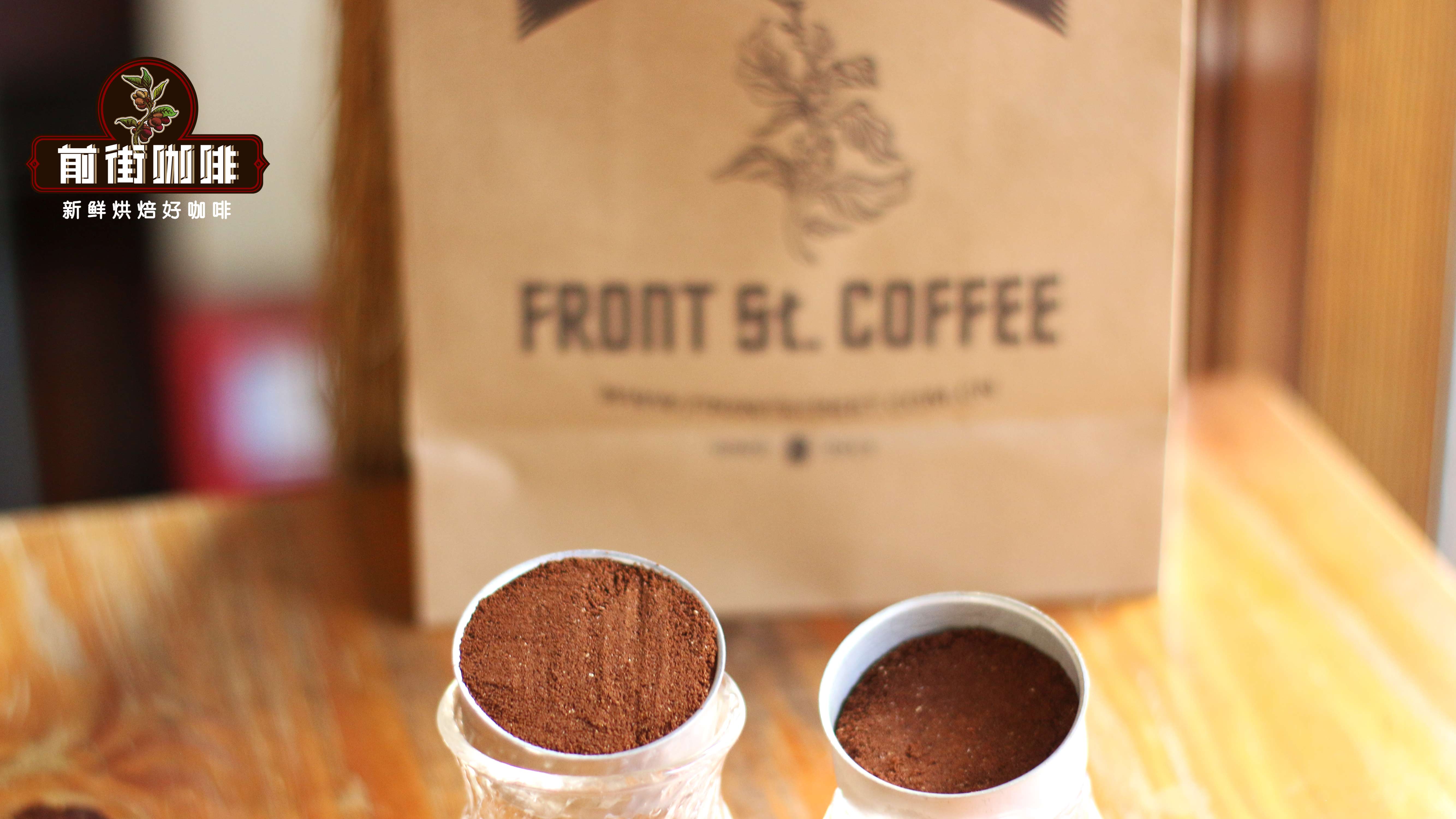
Generally speaking, the grind size for a moka pot should be slightlycoarserthan that for espresso, similar in texture to fine salt. You can gently rub the coffee grounds between two fingers to feel the coarseness; if it feels similar to fine salt, that’s a fairly suitable state.
If you find that after heating for a long time, no coffee liquid is coming out, it is recommended to immediately turn off the heat, check whether the grind is too fine, readjust, and try again — safety first.
Can a moka pot be used on an induction cooker?
Whether a moka pot can be heated on an induction cooker is a common question among many users. The answer is:Yes, but not all induction cookers are suitable. Since moka pots are usually made of aluminum or stainless steel, if your induction cooker is compatible with these materials, it can be used normally. However, it is recommended to prioritize using a stable and evenly heating stove-top gas or electric ceramic cooker, which allows better control of the flame and avoids over-extraction or loss of pressure control due to excessively high heat.
Moka Pot Usage Step-by-Step Illustrated Guide
Here is a practical operating procedure for the moka pot, made easier to understand with illustrations:
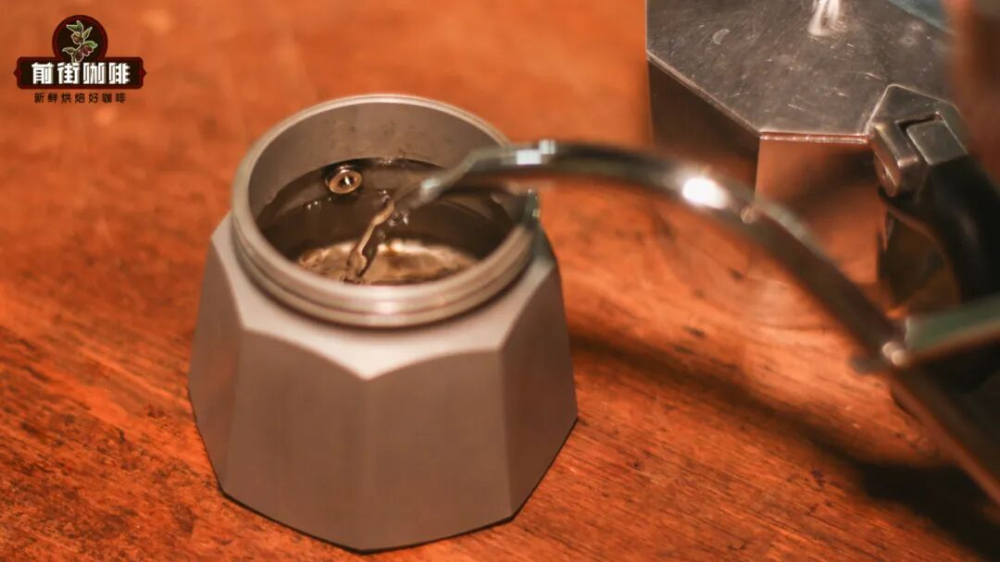
1. Add Water: It is recommended to use hot water to shorten the heating time. A standard double-chamber single-valve moka pot can take about 130ml of hot water.
2. Fill Coffee Grounds: Add about 18–20g of coffee grounds into the filter basket, gently level the surface without tamping unless you’re using a coarser grind. Tamping finely ground coffee increases resistance and can affect extraction.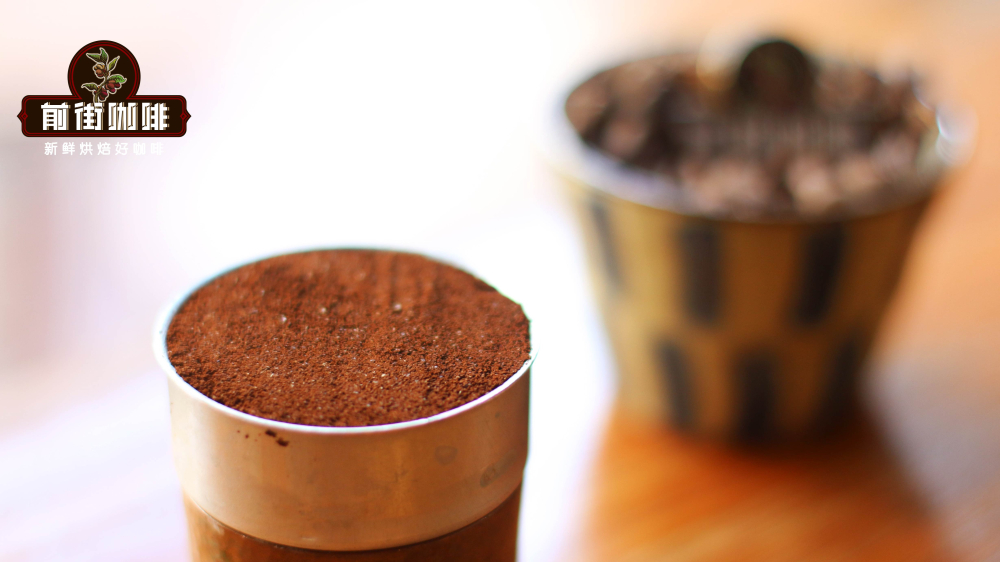
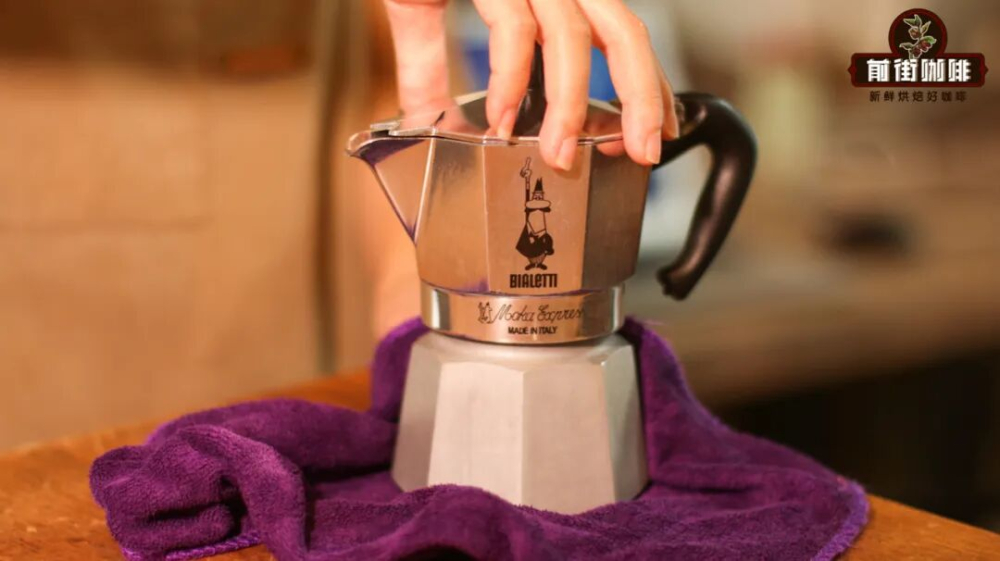
3. Assemble the Moka Pot: Screw the upper and lower chambers together tightly. If using hot water, it is advised to use a damp cloth for insulation to avoid burns.
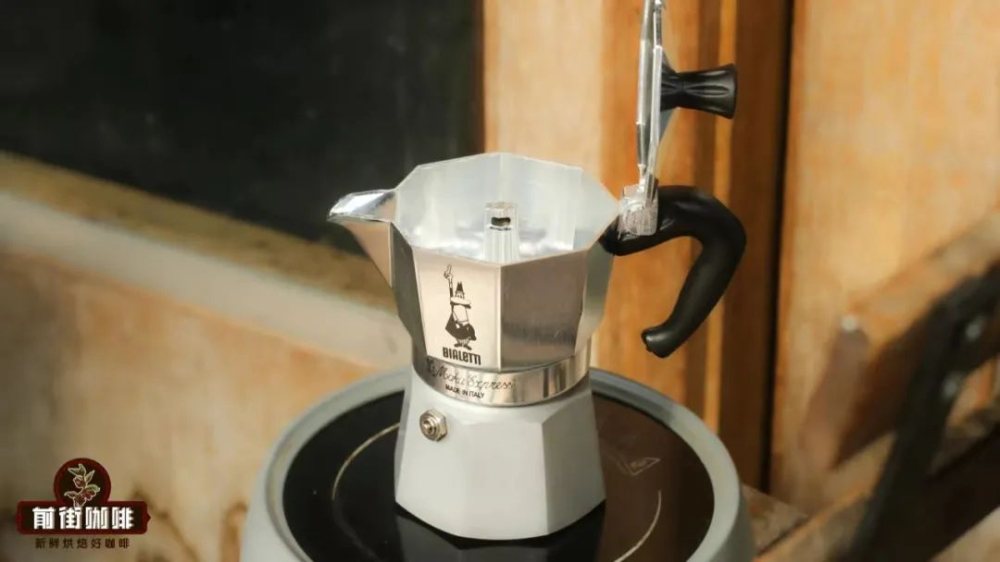
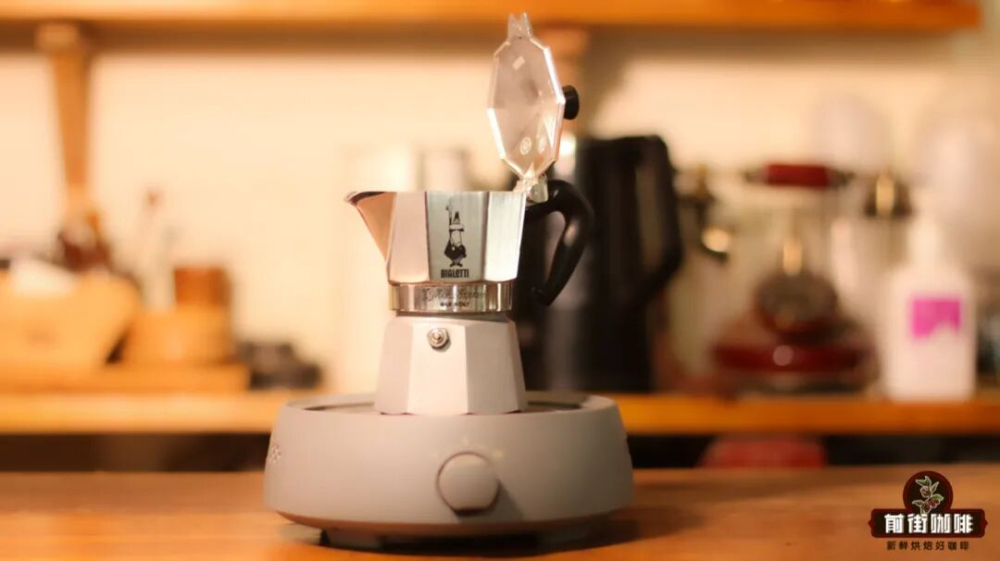
4. Start Heating: Place the moka pot on the heat source (e.g., electric ceramic stove) and begin heating.
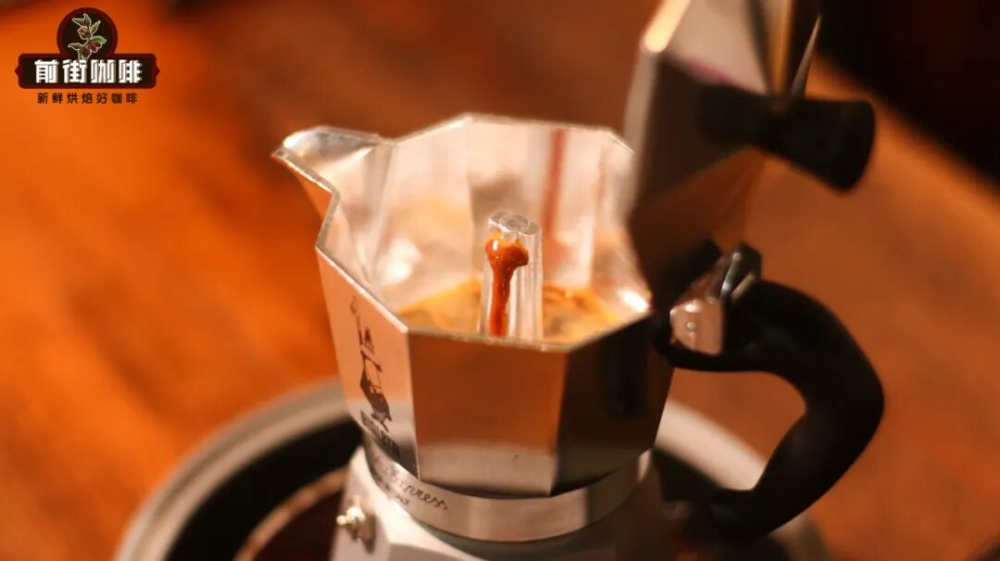
5. Adjust Flame: When you hear a distinct hissing sound, it means the water has started turning into steam and pushing the coffee liquid upward. At this point, reduce to a low flame to avoid the coffee flowing out too quickly, which could lead to under-extraction.
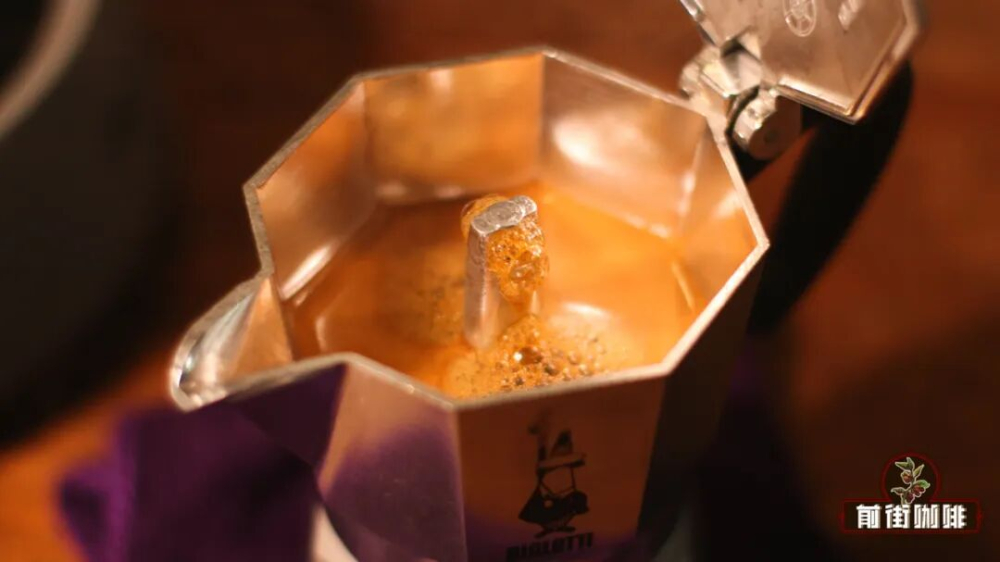
6. When to Turn Off the Heat: When about half of the coffee liquid has flowed out, you can turn off the heat and let the residual heat finish the extraction.
7. Enjoy Your Coffee: Pour out the coffee liquid, and depending on your preference, you can add water to make an Americano, or add milk to turn it into a latte.

Post-Brew Suggestions for Moka Pot Coffee
The espresso brewed with a moka pot can be adjusted to your preferred drinking style. The simplest way is to directly add water to make an Americano, ideal for those who prefer a lighter taste. If you want a latte, it is recommended to heat the milk to 60–65°C, with a coffee-to-milk ratio of about 1:3 to 1:5, achieving a perfect blend of creamy foam and aromatic coffee.
Those who enjoy stronger flavors can also try adding condensed milk and ice cubes to create an iced drink similar to Vietnamese coffee, offering a unique twist.
If you find a certain brew overly bitter or burnt-tasting, it may be due to too long an extraction time or too high a flame — next time, turn off the heat earlier. If the taste is too sour or the coffee has noticeable off-flavors, it might be due to a grind that’s too coarse or under-extraction. You can slightly adjust the grind size or extend the extraction time. Through multiple trials, you’ll be able to find your own optimal brewing parameters.


The above content is compiled by CoffeeHunters, a coffee news website.


