








Introduction:Many coffee beginners enjoy using a moka pot to brew espresso at home and then prepare their own Americano or latte. However, many complain that the flavor is watery and lacks aroma. The key actually lies in the espresso extraction parameters and the coffee-to-water ratio. This article dives deep into how to use a moka pot to brew rich black coffee, and teaches you how to prepare an Americano and latte with flavors close to those of traditional Italian styles. It also provides practical coffee-to-water ratios, grind sizes, and extraction techniques to help you easily improve the quality of your home-brewed coffee.
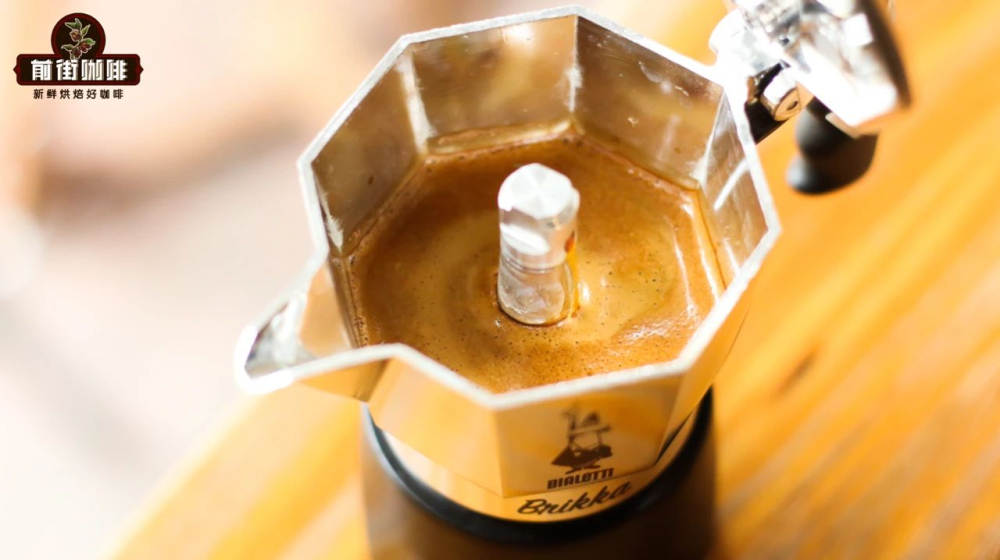
Moka Potis the entry-level favorite for many coffee enthusiasts. It has a compact design, is easy to use, and is much more affordable than professional espresso machines. Thanks to its pressurized extraction principle—which is similar to that of an espresso machine—it can brew black coffee with a concentration close to that of espresso, making it the foundation for many people to create various coffee beverages.
However, many users find that Americanos or lattes made with a moka pot often have a light flavor and watery mouthfeel, with the coffee aroma not being very pronounced. This is actually related to the extraction pressure of the moka pot itself. Although it uses pressurized extraction, the pressure is far less than that of professional machines, so the resulting espresso concentration usually only approaches the standard but cannot fully match it.
< >
If you want to use a moka pot to brew better Americanos or lattes, the primary task is to adjust the concentration of the coffee itself. It is recommended to reduce the coffee-to-water ratio and improve extraction efficiency, so that the coffee solids in the liquid make up a higher proportion, fundamentally improving the performance of the final beverage.
Why increasethe coffee-to-water ratio? Simply put, coffee concentration refers to the proportion of coffee solubles in the overall liquid. When the amount of flavor compounds released by the coffee grounds is fixed, the less water you use, the higher the coffee concentration will naturally be. Therefore, if you want the coffee brewed from a moka pot to be richer, you should moderately reduce the amount of hot water used, rather than just adjusting afterward by adding water or milk.
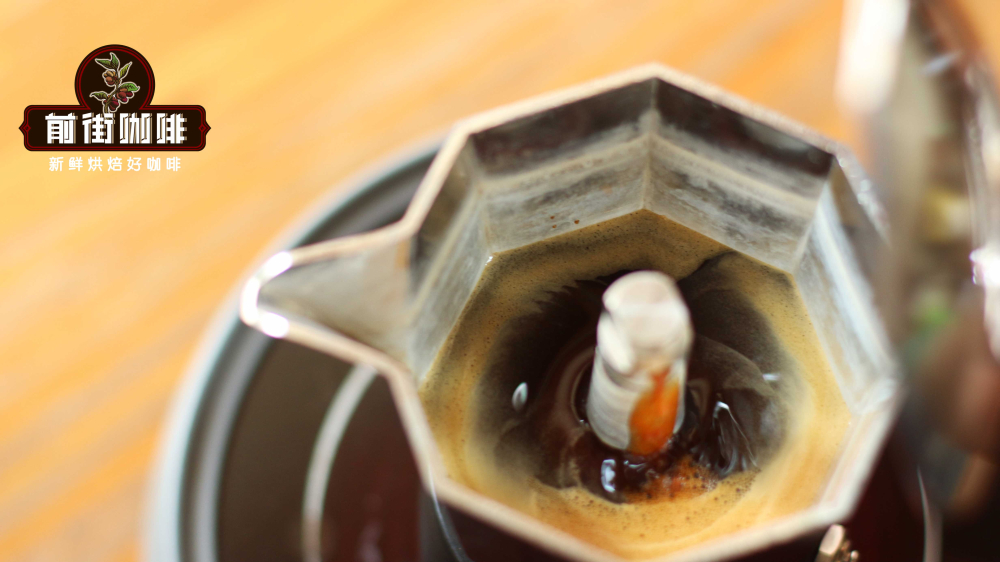
At the same time,improving extraction efficiencyis also key. When you reduce the amount of hot water, the overall extraction yield may decrease. To maintain a rich flavor, you can enhance extraction performance by adjusting the grind size to be finer, increasing the amount of coffee grounds, or reducing the heat to extend the extraction time when the coffee starts flowing out. These techniques can effectively compensate for the moka pot’s lack of sufficient pressure.
< >
As for the choice of coffee beans, it also greatly affects the final flavor profile. If you prefer a rich, aromatic, and low-acidity milk coffee, it is recommended to choose medium to dark roasted Italian-style blends, such as the classic Golden Mandheling, Sumatra coffee, or options with chocolate and spice notes, all of which pair perfectly with milk. If you enjoy a bright acidity with floral and fruity aromas, you can opt for medium to light roasted beans, such as those with citrus or berry profiles, giving your latte or Americano more layers of flavor.
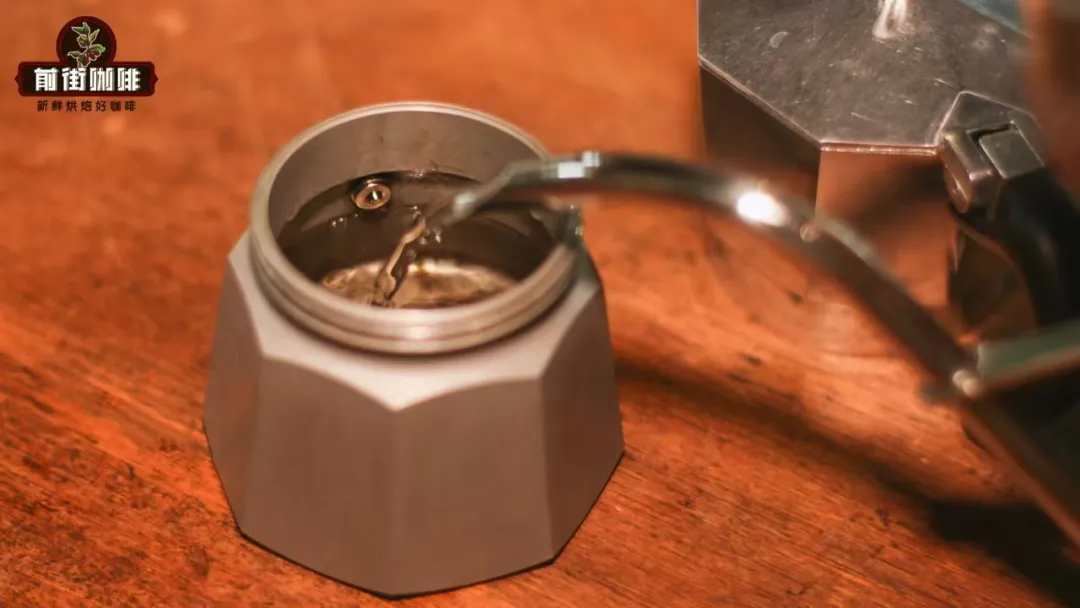
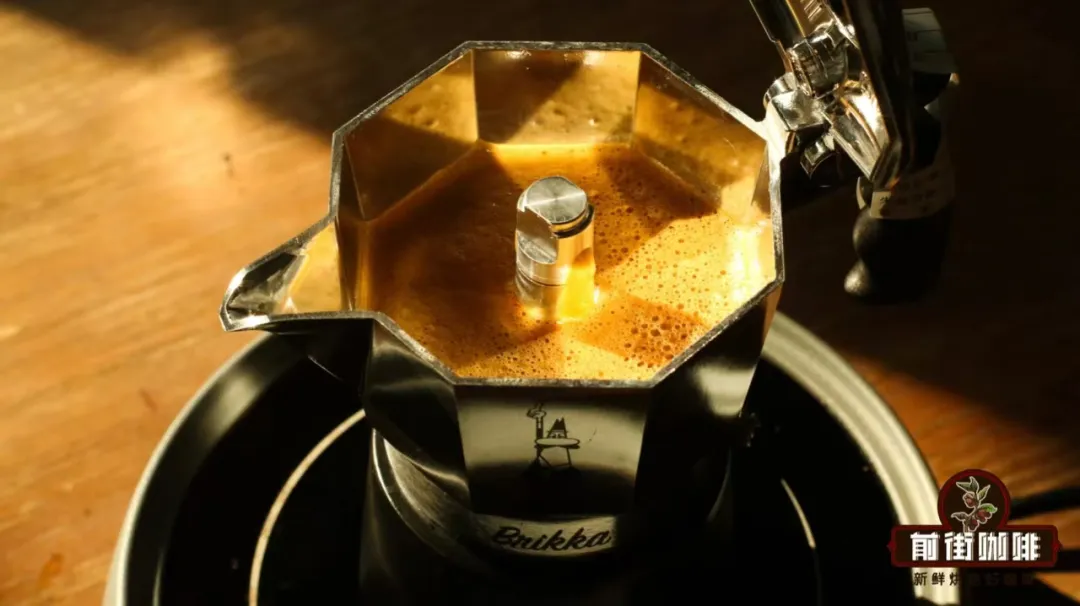
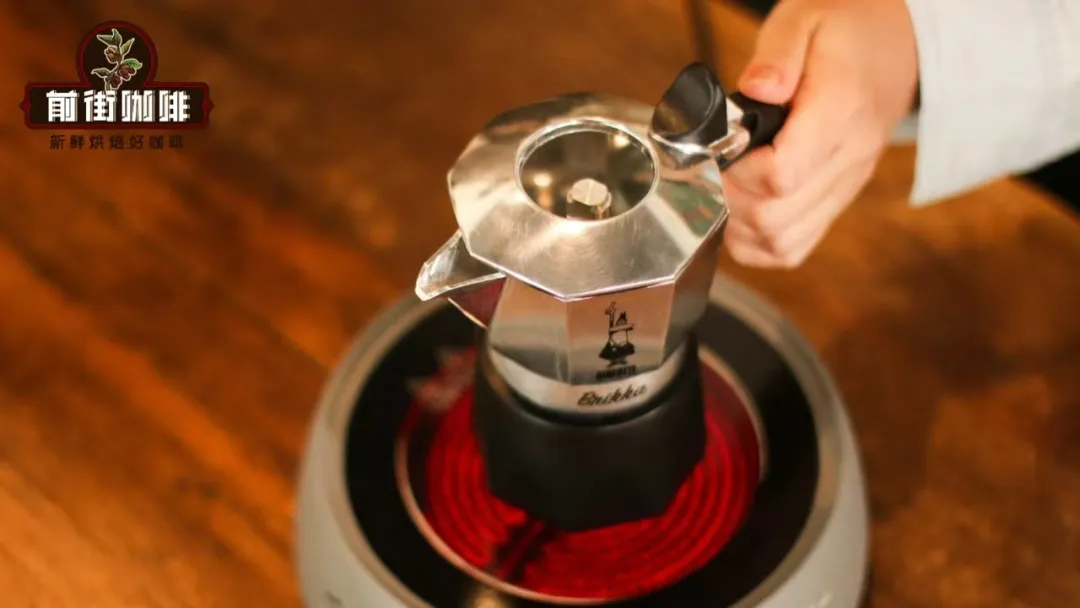
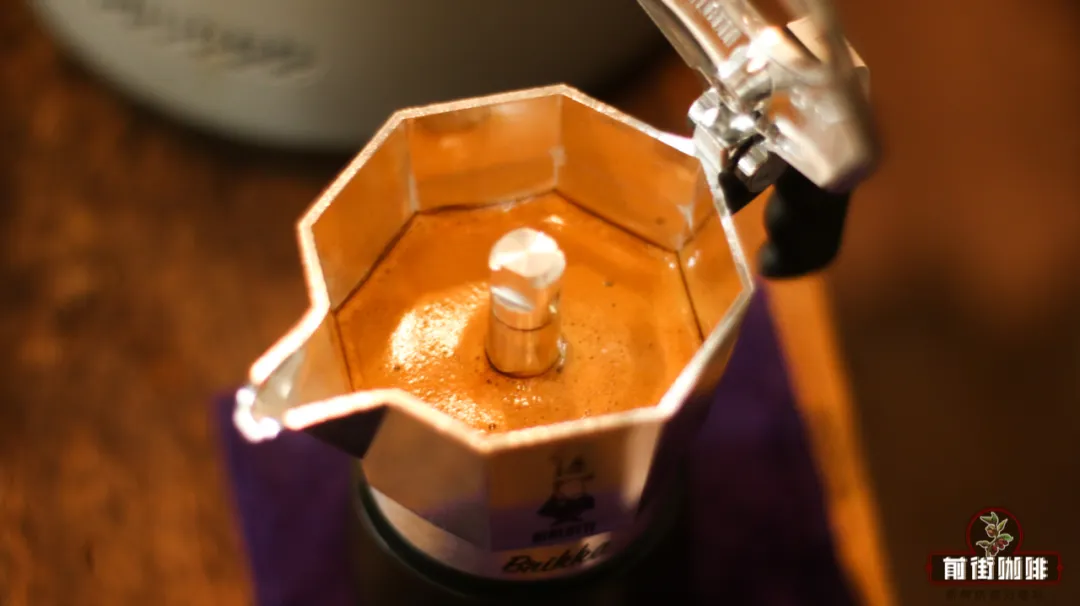
In practical operation, if you want to use a moka pot to produce an espresso base, you can refer to the following parameters: use 20 grams of dark roasted coffee grounds, ground to a flour-like fineness, with a water temperature of about 80°C, and set the coffee-to-water ratio to 1:4 (i.e., 20 grams of grounds to 80 milliliters of water). After filling, start heating. When you hear a hissing sound from inside the pot—indicating that the coffee is about to flow—immediately turn off the heat and let the residual heat complete the extraction, ensuring a stable and thorough process.
< >
Once the extraction is complete, you can prepare an Americano or latte according to your preference. For a hot Americano, pour 180–220 milliliters of warm or mixed cold water into a 200–250 milliliter cup, then slowly pour the espresso on top. For an iced Americano, add ice cubes and cold water. As for the latte, for a hot version, pour the espresso first, then add 180 milliliters of fresh milk steamed to around 65°C. For an iced latte, place ice cubes and fresh milk first, then pour the coffee on top for a more refreshing flavor.
By adjusting these details, you’ll find that you can also brew Americanos and lattes with flavors close to traditional Italian styles using a moka pot—not only with improved richness, but also a smoother mouthfeel and more pronounced aroma, taking your home coffee experience to the next level.
< ><
 ><
 ><
 ><
 ><
 >
The above content is compiled by CoffeeHunters, a coffee news website.


