







Introduction:Want to easily brew rich coffee at home? The moka pot is a classic and practical choice. But do you know how to use it correctly to extract the best flavor? This article explains the structure and principle of the moka pot, the suitable coffee beans and grind size, the coffee-to-water ratio, heating methods, and even teaches you when to turn off the heat—helping you go from a beginner to an expert.
Many coffee enthusiasts enjoy using the moka pot to brew strong coffee at home, especially when savoring a bold cup in the morning. However, many users still have questions about the correct operation of the moka pot, such as whether it's suitable for use with an open flame, or what precautions to take. Below, we’ll dive into the usage and related techniques of the moka pot to help you brew better coffee.
What is a moka pot? Basic structure and brewing principle
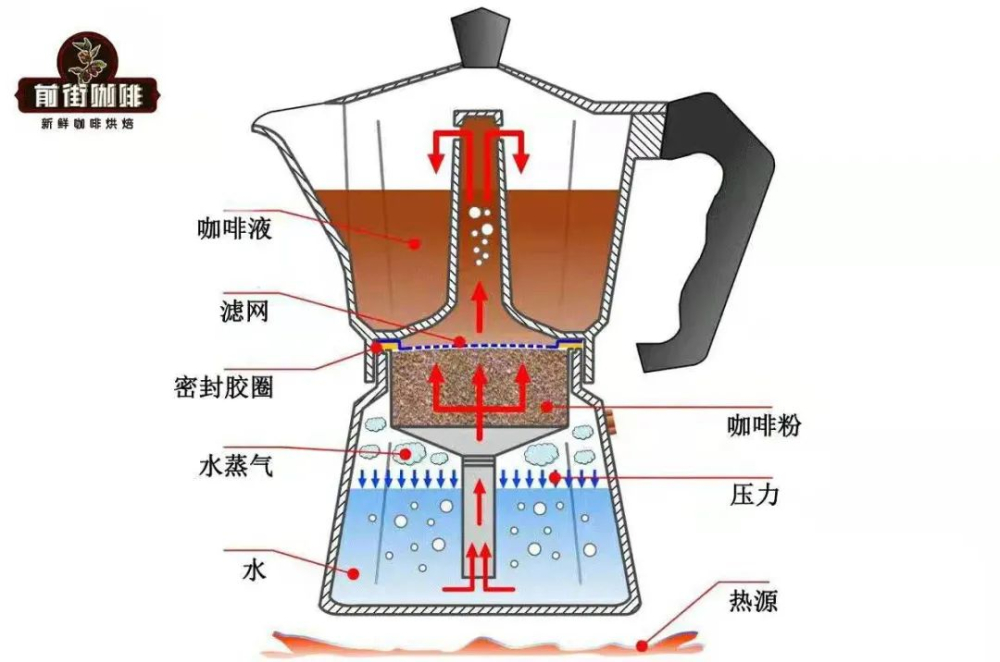
The moka pot mainly consists of three parts: the lower chamber, the filter basket, and the upper chamber. The lower chamber holds water, the filter basket contains finely ground coffee, and the upper chamber collects the brewed coffee. Its operating principle utilizes the steam pressure generated by heating the lower chamber. When the pressure builds up enough to penetrate the coffee layer, it pushes the hot water up into the upper chamber, completing the extraction.
Although the pressure of a moka pot is only about 1.5 to 2 bar, which is much lower than that of a professional espresso machine, 9 bar, it’s still sufficient to extract coffee oils and deliver a rich taste. The image below clearly illustrates its internal structure and how it works.
What’s the difference between single-valve and double-valve moka pots?
Moka pots on the market come in two types: single-valve and double-valve. In the single-valve design, the brewed coffee flows directly out of a small hole at the top of the hollow tube. The double-valve type adds a pressure-release valve to the base of the hollow tube; this valve opens only when the steam pressure reaches a certain level, allowing the coffee to be ejected.
This design allows the double-valve moka pot to typically extract more coffee oils, resulting in a richer flavor. In comparison, the single-valve version usually has lower coffee concentration and oil content, yielding a lighter-tasting brew.
Recommended moka pot capacity choices
Moka pot capacities are usually indicated in “servings” or “cups,” with common sizes including 1, 2, 3, 6, 9, 12, and 18 servings. For one or two people, it’s recommended to choose the smallest size of 1 to 2 servings; for sharing with friends, a 3-servingpot is suitable; for family use, consider larger capacities such as 6 servings or more, though the price will also be higher.
How to choose coffee beans? Recommended flavors and roast levels
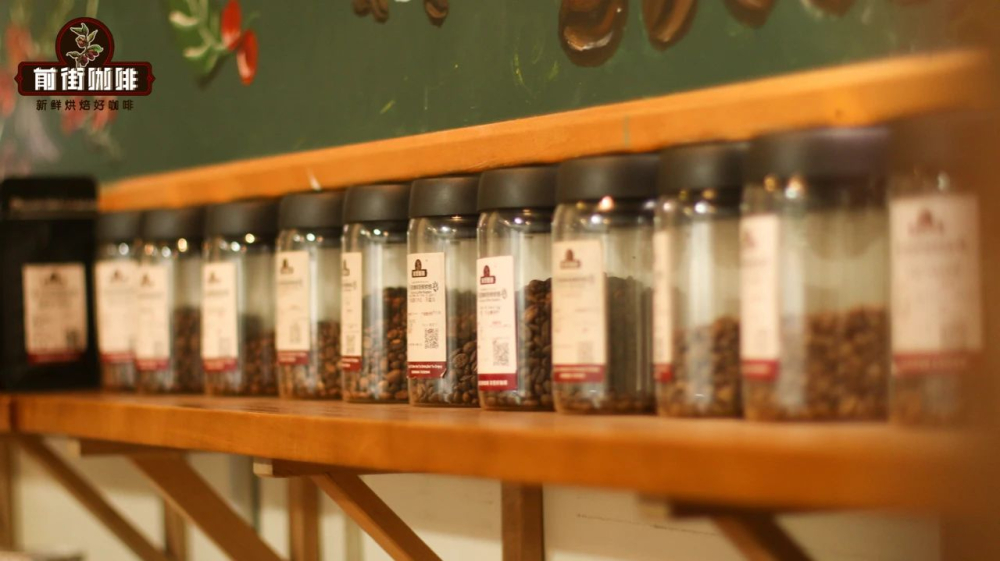
The final flavor of your coffee is closely related to the beans you choose. It’s recommended to usemedium roast or darkerbeans, as too light a roast can result in excessive acidity and affect the overall taste. Here are some coffee bean recommendations suitable for use with a moka pot:
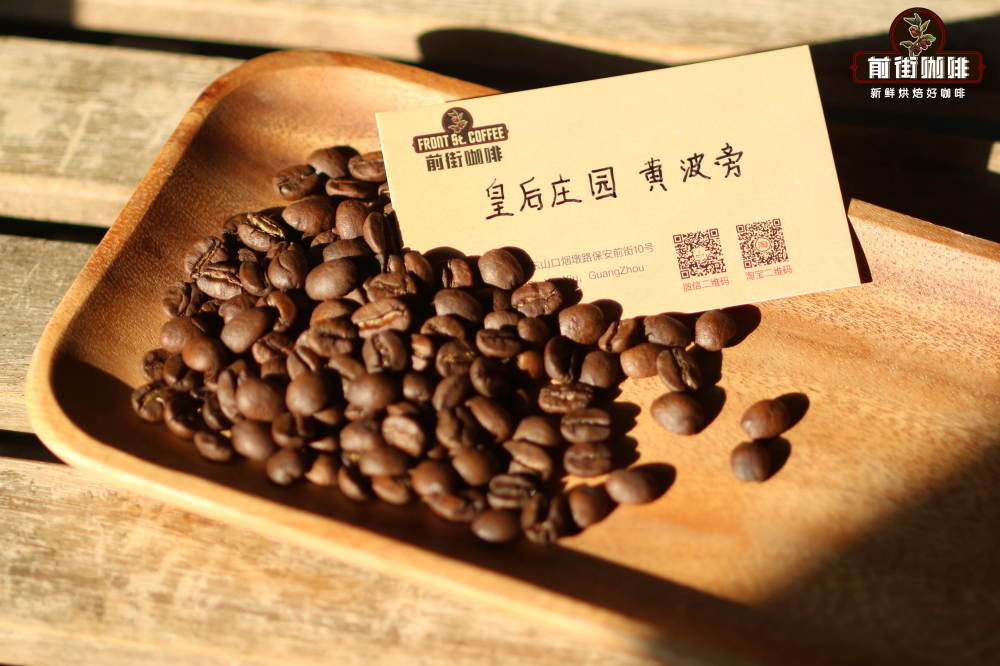
• Specialty blend coffee beans: A mix of Brazilian pulped natural and Colombian washed beans, offering notes of nuts, roasted peanuts, cocoa, cream, and caramel.• Queen Estate Yellow Bourbon: Medium roast, showcasing a distinct sugarcane sweetness, ideal for drinking black or making milk coffee.
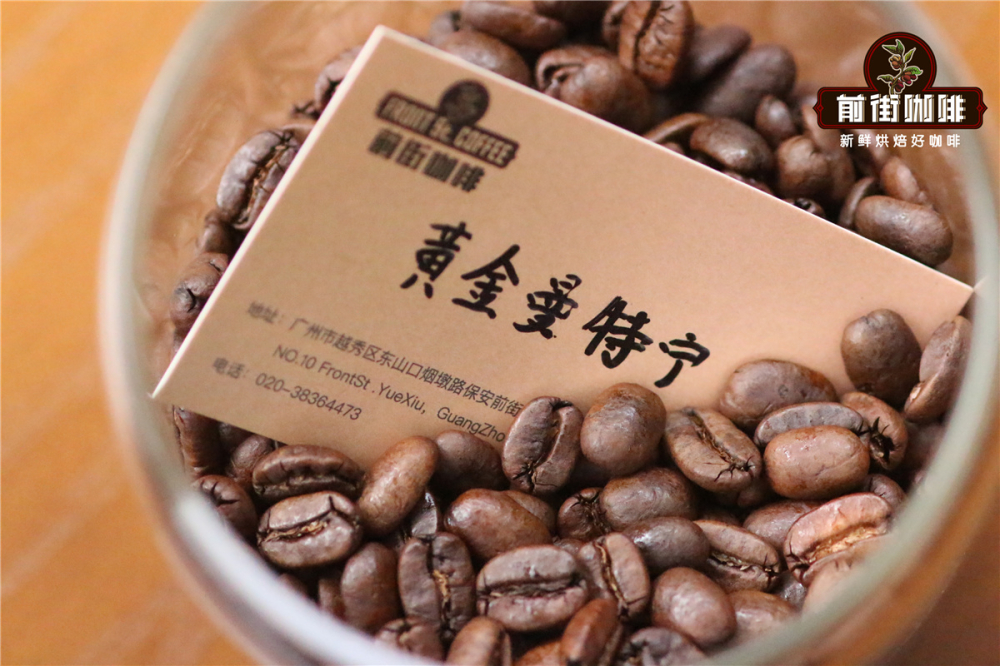
• PWN Golden Mandheling: A high-quality bean variety from Indonesia, known for its rich, full-bodied flavor and excellent cleanliness, suitable for those who prefer strong, bitter-sweet profiles.
 ,
 ,
 ,
What grind size should you use for a moka pot? Grind fineness makes a big difference
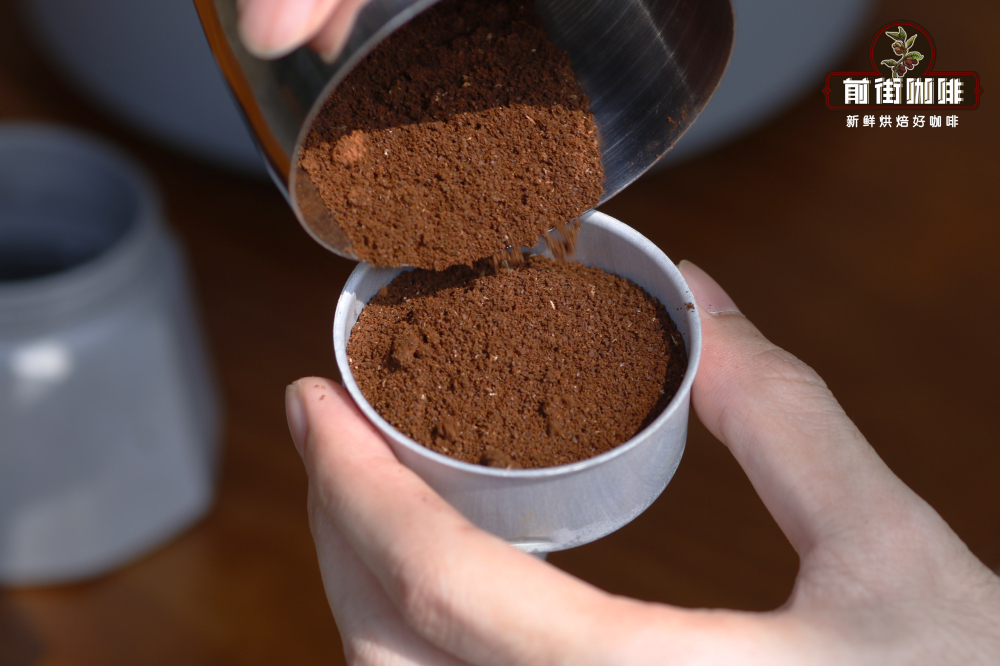
The moka pot has very specific requirements for coffee grind size. The ideal particle size is about 0.3 to 0.55 mm, similar to but slightly coarser than that used for espresso machines. If ground too coarse, the water flows too quickly, leading to under-extraction; if too fine, water flow is restricted, causing over-extraction, resulting in burnt, bitter flavors—or even coffee spraying out due to excessive pressure.
It’s recommended to use a fine grind but avoid over-tamping, keeping the coffee bed evenly loose to allow smooth water flow and balanced flavor extraction.
Coffee-to-water ratio and filling tips
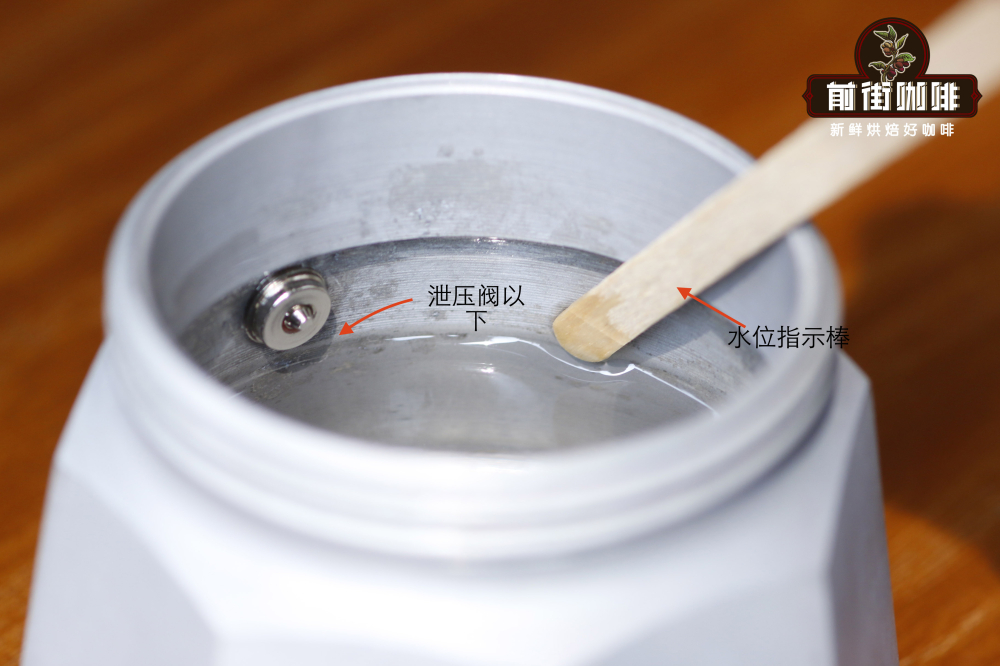
There is no strict standard coffee-to-water ratio for moka pots. It’s recommended to fill the water up to just below thesafety valvein the lower chamber, based on the design of the pot, to avoid exceeding safety limits. The coffee grounds should fill the filter basket, but there’s no need to tamp forcefully—just ensure a naturally even surface. Though not as pressurized as with espresso machines, attention should still be paid to the consistency of the coffee bed to prevent channeling.
What kind of heat source should you use? Is an open flame okay?
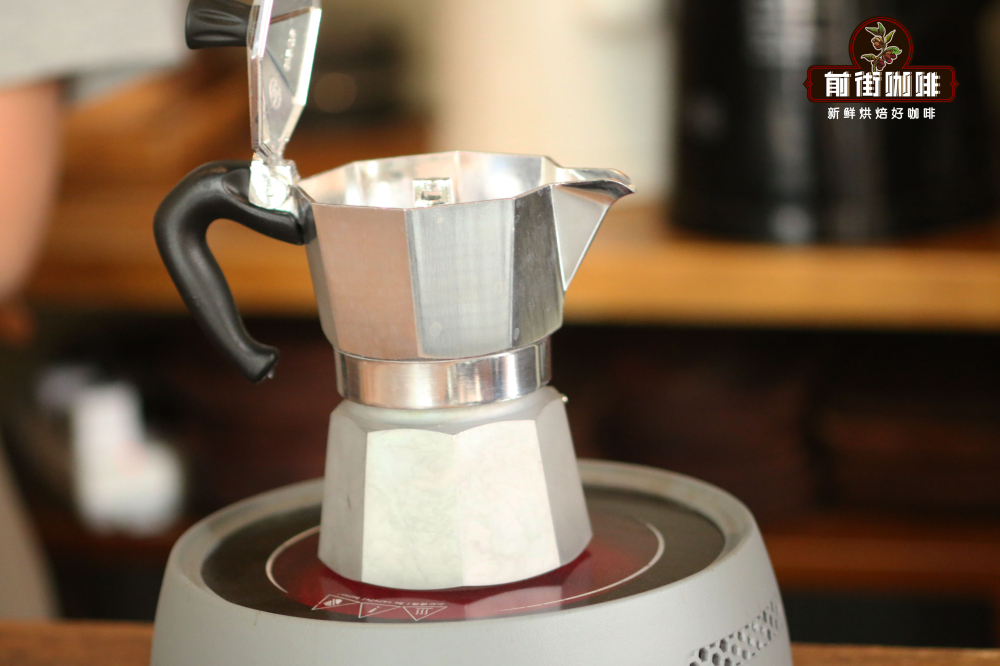
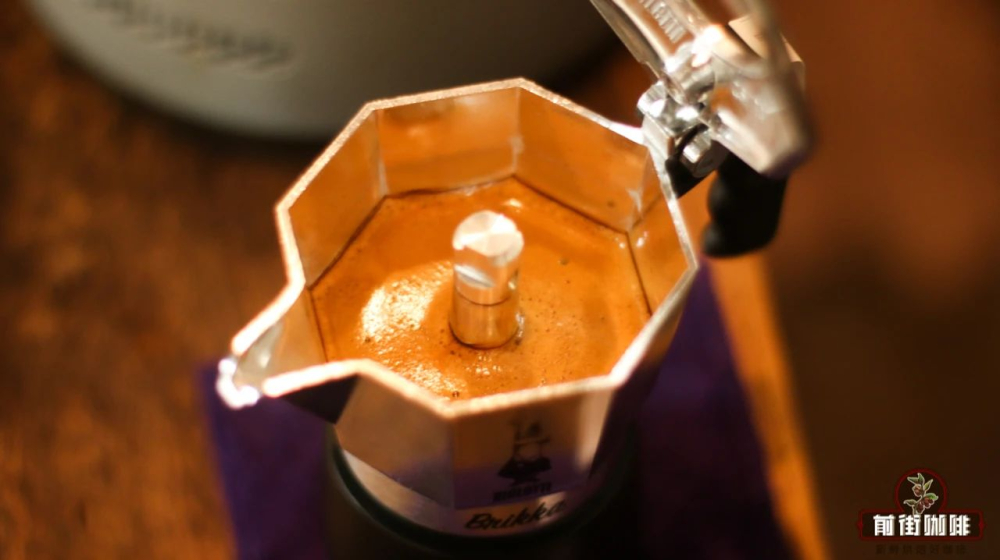
A moka pot can be heated using an electric stove, induction cooker, or an open flame. If choosing an open flame, be sure to uselowormedium heat, and turn off the heat as soon as the coffee starts flowing to avoid over-extraction or burnt flavors. Stay attentive throughout the process to prevent overheating or coffee splashing that could cause burns.
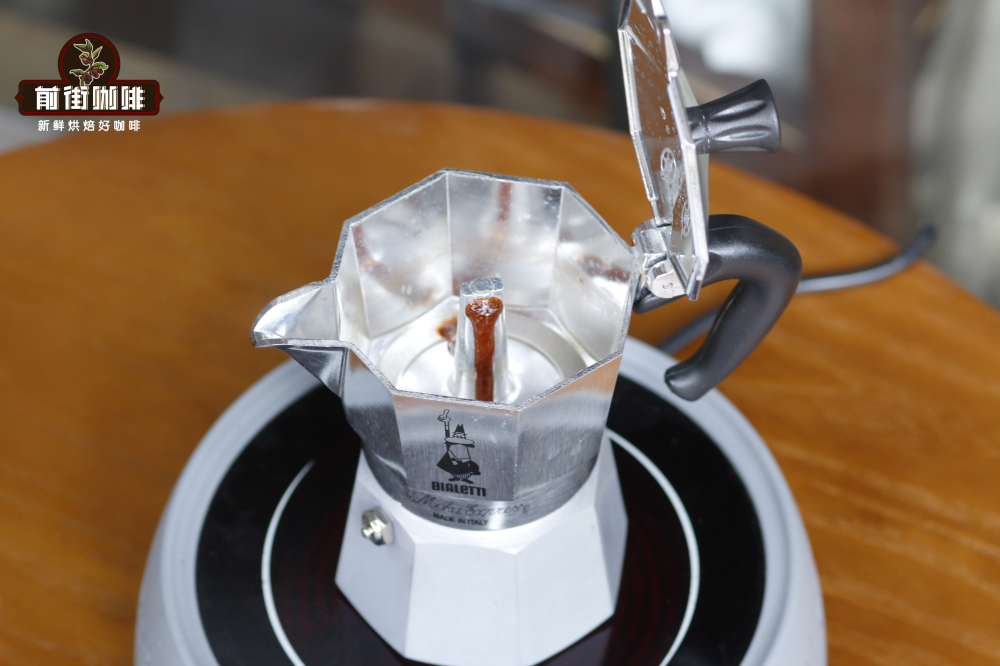
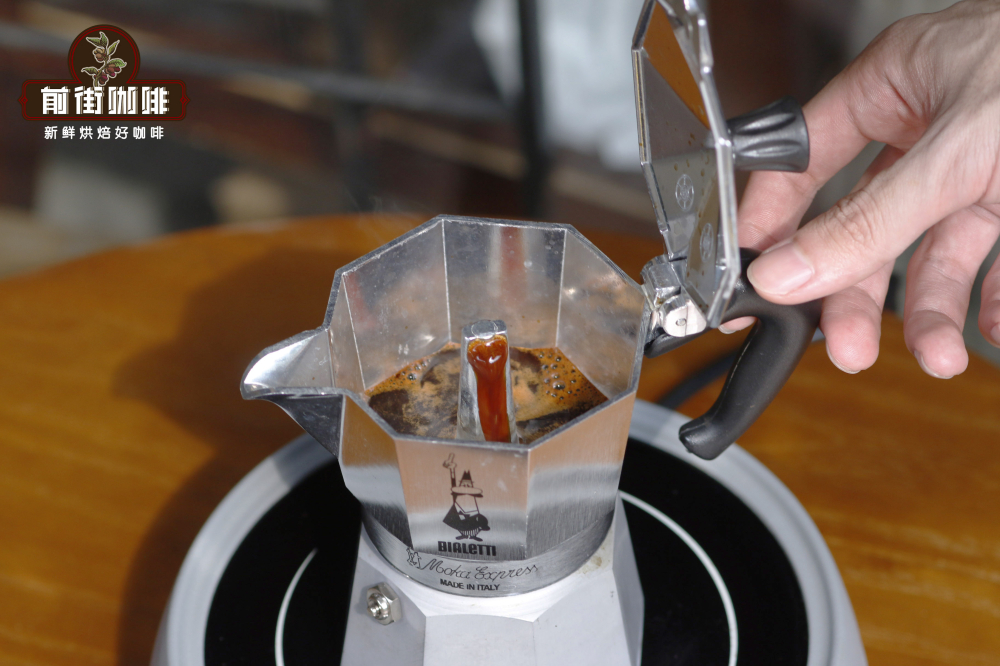
When you hear a “hissing” sound from inside the pot, it means pressure is building up—you can open the lid to observe. Once you see the first drop of coffee being ejected, that’s the best time to turn off the heat.
Should you keep the moka pot lid open or closed while brewing?
Many tutorial videos open the lid to show the brewing process, but in daily use,you don’t need to keep it open. If you want to check the brewing status, you can briefly open the lid to observe—but be cautious of hot steam and splashing coffee to avoid burns. Once you’re familiar with the process, brewing with the lid closed helps maintain stable extraction and temperature.
The above content is compiled by CoffeeHunters, a coffee news website.


