







Introduction:Want to brew great-tasting coffee with a moka pot? Choosing the right beans is key! This article dives deep into the brewing principles of the moka pot and the ideal roast levels, explains why medium-dark roasts work best, and recommends 5 high-value, well-balanced specialty coffee beans so you can easily brew rich, crema-like espresso-style coffee at home.
Many beginners ask: "What kind of coffee is suitable for a moka pot? Which beans should I choose?" The answer lies in how the moka pot works. A classic stovetop espresso maker, the moka pot uses heat to generate steam pressure that pushes hot water through finely ground coffee, extracting bold, flavorful coffee. Though not reaching the 9 bar pressure of commercial machines, it’s enough to bring out rich taste and aroma.
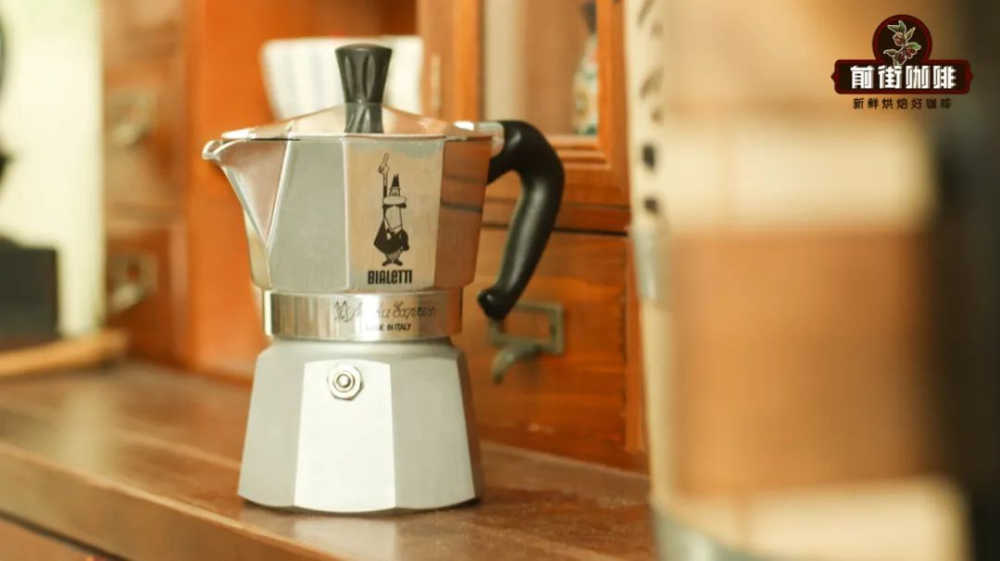
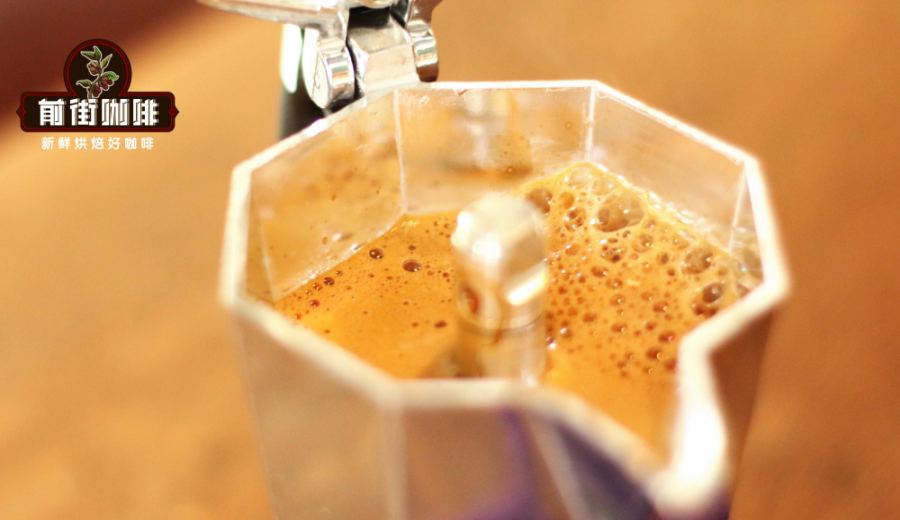
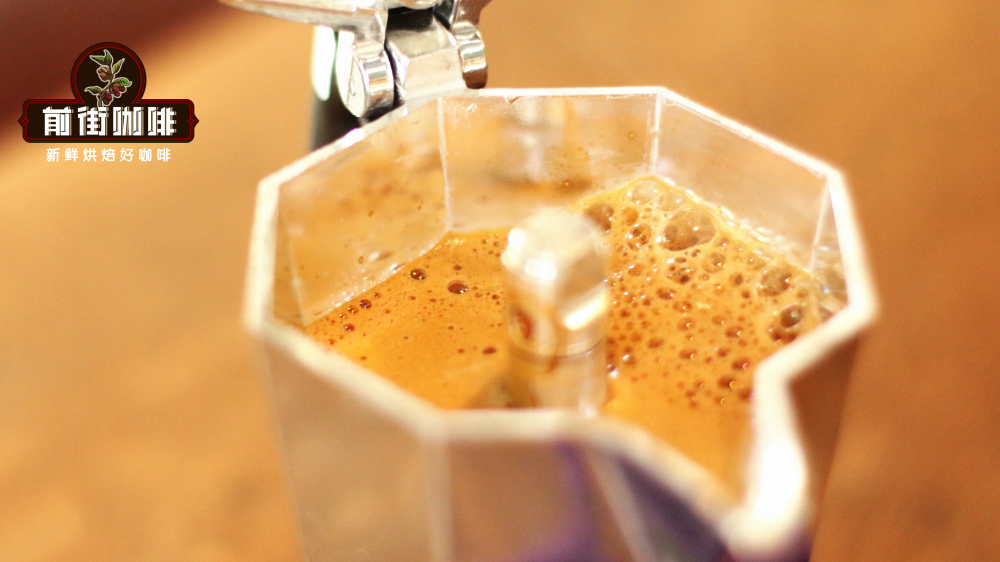
The moka pot has three main parts: the bottom chamber holds water, the middle funnel contains ground coffee, and the top chamber collects the brewed coffee. When heated, steam pressure in the bottom chamber forces hot water up through the coffee grounds, dripping into the top chamber. When the flow becomes steady and nearly fills the top, it’s time to turn off the heat. This low-pressure extraction yields higher concentration than pour over, though not as intense as professional espresso.
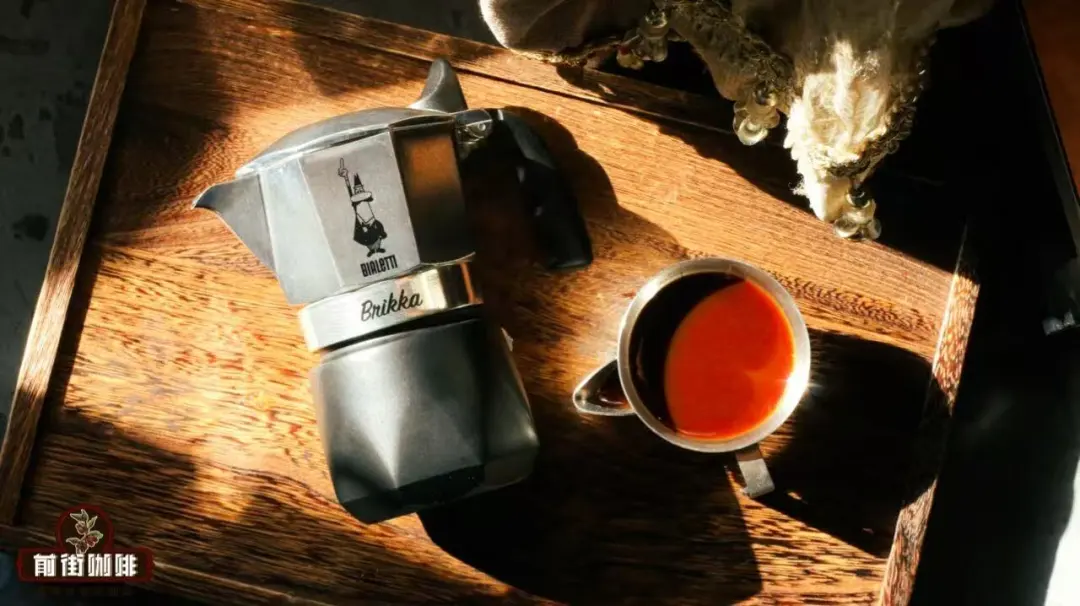
Moka pot coffee tends to be bold and thick— drinking it straight may feel heavy, so common ways include diluting it with water for Americano, or adding milk for lattes and cappuccinos. While it can’t match the crema of professional machines, the moka pot offers an affordable way to enjoy espresso-like flavor at home.
Note that moka pot extraction happens at relatively high temperatures— near boiling—and with fine grind, resulting in strong extraction intensity. This highlights the coffee bean’s intrinsic characteristics. Poor-quality beans will amplify flaws and ruin taste. Thus, bean selection is crucial for flavor.
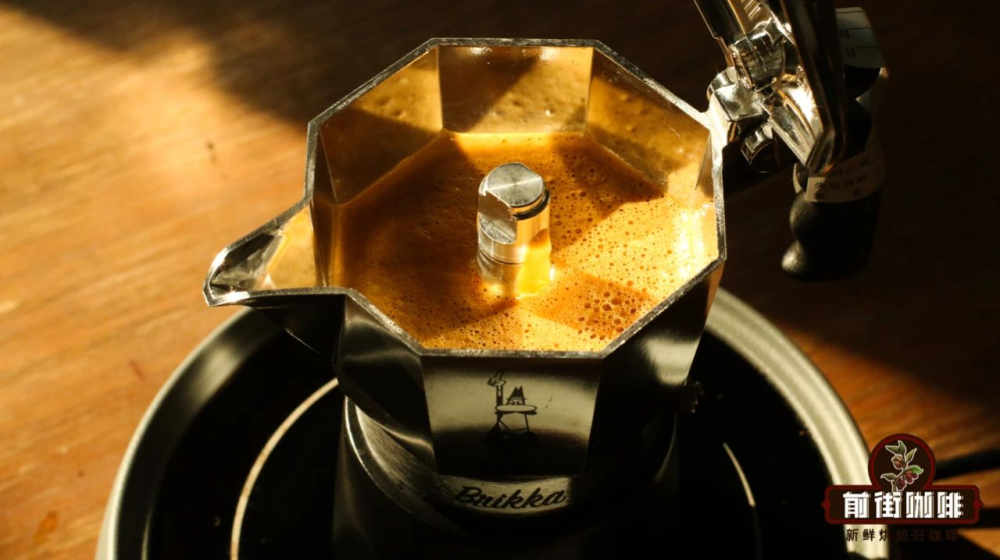
Generally, light roasts under high heat and pressure tend to release excessive acidity, resulting in sharp or even astringent taste. Dark roasts may become overly bitter and heavy due to over-roasting. For best results, opt for medium to medium-dark Italian-style blends— these offer balanced flavor and full body, and maintain stable aroma with moderate acid-bitter ratio under moka pot conditions.

Also, bean freshness matters greatly. Freshly roasted beans go through a degassing period before reaching peak flavor. After 50 days, aroma fades, often leaving thin crema, weak fragrance, and flat bitterness. Ideally, choose beans roasted within 7–30 days for optimal richness. Beans from boutique roasters ensure freshness and highlight unique regional and blend profiles.

Here are some recommended medium-dark roast beans— high-value, stable in flavor, perfect for moka pot brewing:
① Black Cocoa Espresso Blend: Balanced flavor with prominent notes of nuts and chocolate, great for beginners and compatible with home semi-auto machines.
② Classic Espresso Blend: Dominated by caramel and dark chocolate, with clean aftertaste, low acidity, and velvety crema— ideal for those who prefer bold taste.
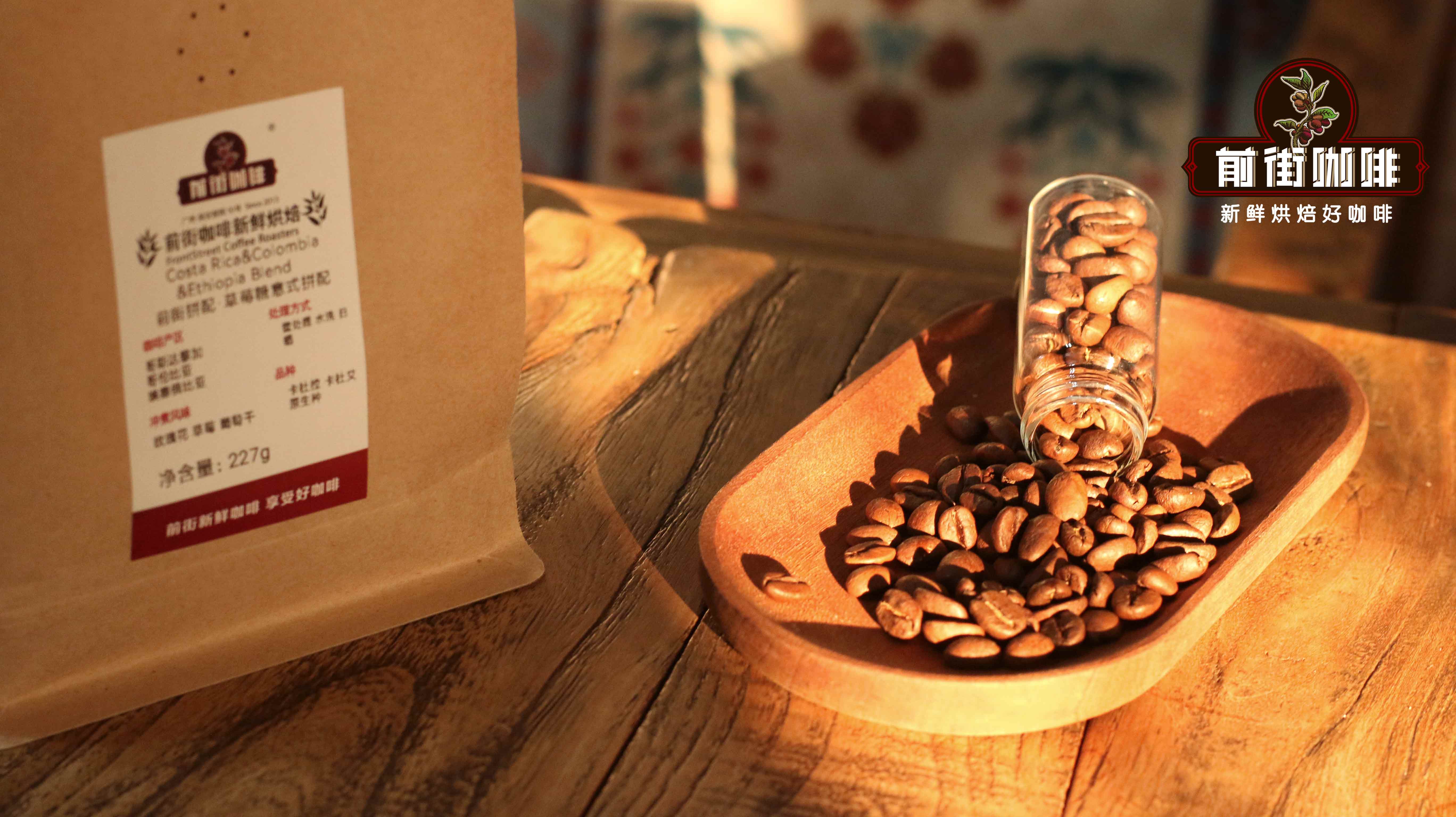
③ Strawberry Candy Espresso Blend: Features floral, strawberry taffy, blueberry, and almond notes, highlighting sweetness without bitterness or astringency, offering layered complexity.
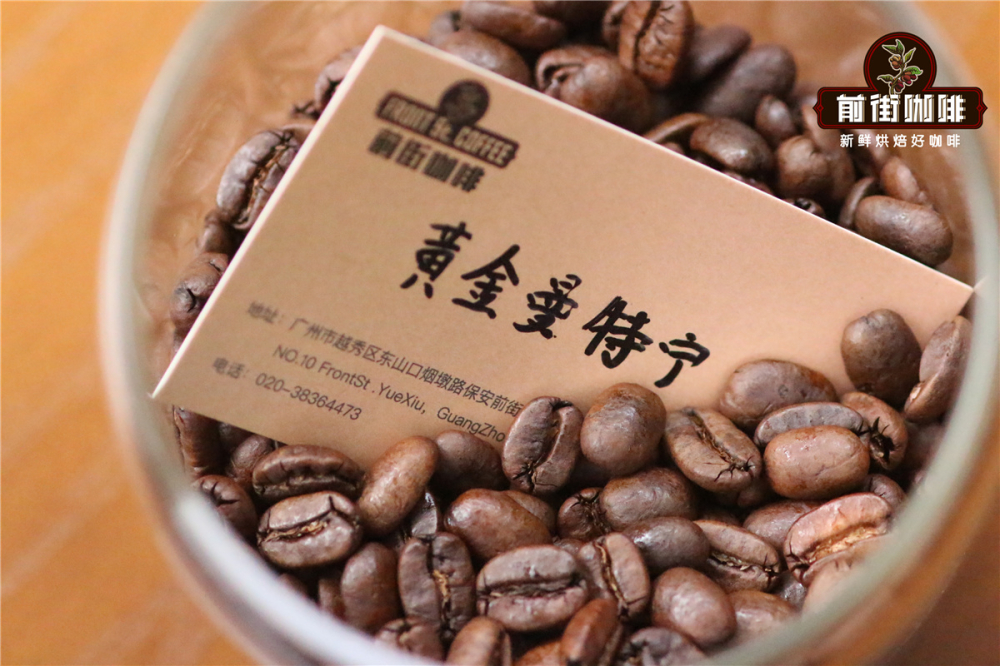
④ PWN Golden Mandheling: Delivers pine, dark chocolate, and herbal aromas, with smooth, low-acid body— suited for fans of deep, rich flavors.
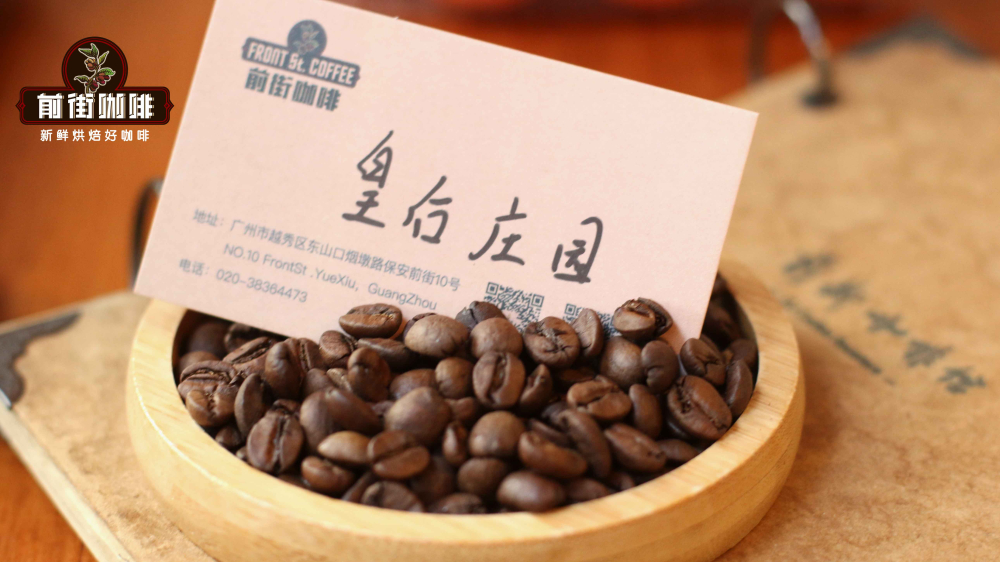
⑤ Brazilian Queen Estate Coffee: Based on roasted nuts, cream, and chocolate, with sugarcane sweetness, balanced and clean— an excellent everyday single-origin bean.
The above content is compiled by CoffeeHunters, a coffee news website.

