








Introduction:Many people buy a moka pot hoping to replicate the high-concentration coffee made by an espresso machine at home, which can then be paired with milk to make a rich latte. However, without mastering the correct parameters, it’s easy to end up with a diluted beverage that tastes more like coffee-flavored milk. This article will guide you on how to adjust the grind size, water amount, and heat of the moka pot to extract a strong coffee base, and pair it with the right proportion of milk to create a delicious latte that rivals those from coffee shops. We’ll also provide safety tips and common mistakes to avoid during extraction.
[Why does your moka pot latte always taste “watery”?]

Many coffee enthusiasts choose the moka pot because, like an espresso machine, it uses pressure to brew, producing a stronger coffee than drip methods. However, the pressure in a moka pot is far lower than that of professional machines and cannot fully replicate the concentration and crema of espresso. As a result, when moka pot coffee is directly mixed with milk, the flavor often turns out weak, the texture thin, or even like coffee-flavored milk. This is mainly due to incorrect extraction parameters, leading to insufficient coffee concentration.
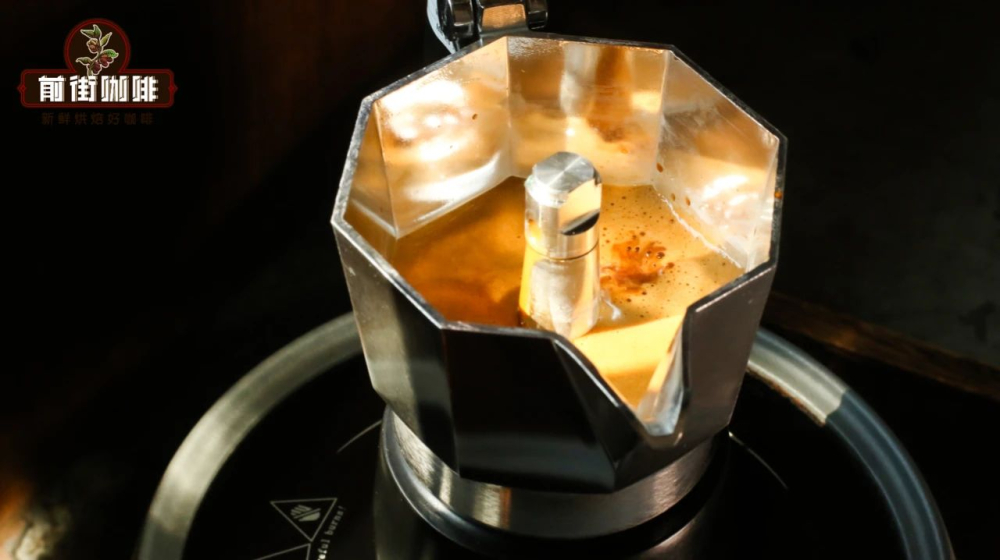
To improve this situation, the key lies in optimizing the moka pot’s brewing conditions—adjusting grind fineness, controlling the coffee-to-water ratio, and precisely managing heat and water volume. This ensures the coffee reaches a concentration strong enough to stand up to the milk, resulting in a truly rich and smooth milk coffee.
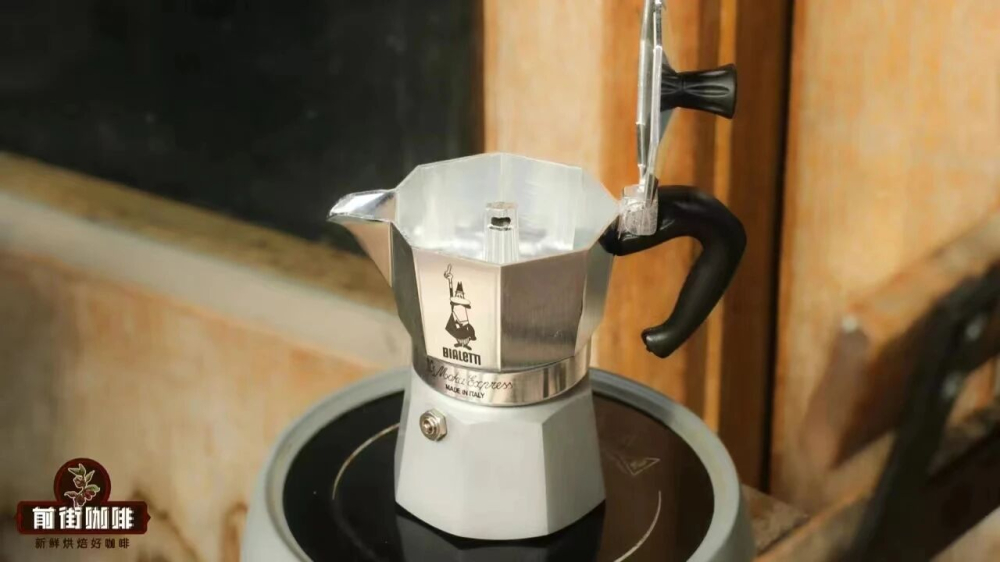
[Step 1: Choosing the Right Coffee Beans]
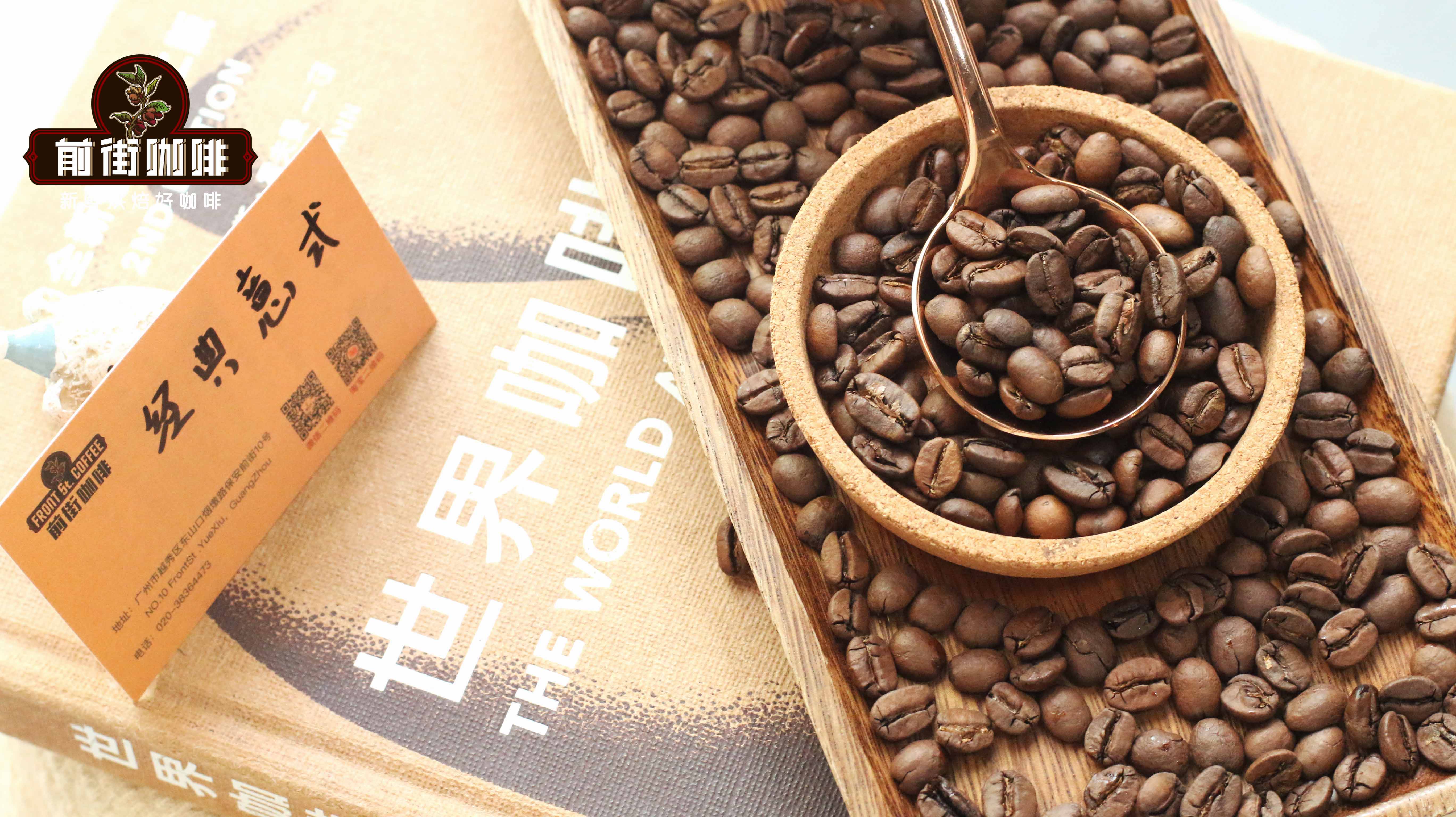
The roast level and flavor profile of the coffee beans greatly affect the final outcome of the milk coffee. If you prefer a bold, full-bodied, low-acidity milk coffee, opt for a medium-dark or dark roasted Italian-style blend—for example, a classic blend known for its rich crema, chocolate, nut, and cream aromas that blend perfectly with milk. If you enjoy a brighter, fruit-forward coffee, go for a medium roast bean, such as another Italian-style blend featuring berry and floral notes with a lighter, rounder mouthfeel.
[Step 2: Adjusting Grind and Water Volume to Increase Coffee Concentration]
To brew a high-concentration coffee from the moka pot that pairs well with milk, focus on controlling the amount of water used for extraction and the grind size. Generally, under a fixed extraction yield, the less water used, the higher the coffee concentration. But too little water may lead to under-extraction, so it's recommended to grind the coffee finer at the same time to increase puck resistance and surface contact, thereby extending the interaction time between water and coffee grounds and improving overall extraction efficiency.
As a practical suggestion, use a fine grind close to that of espresso, with a coffee-to-water ratio adjusted to 1:4 (for example, 20 grams of coffee to 80 milliliters of water), which helps extract a rich and balanced coffee liquid.
[Step 3: Actual Operation Process and Heat Control]
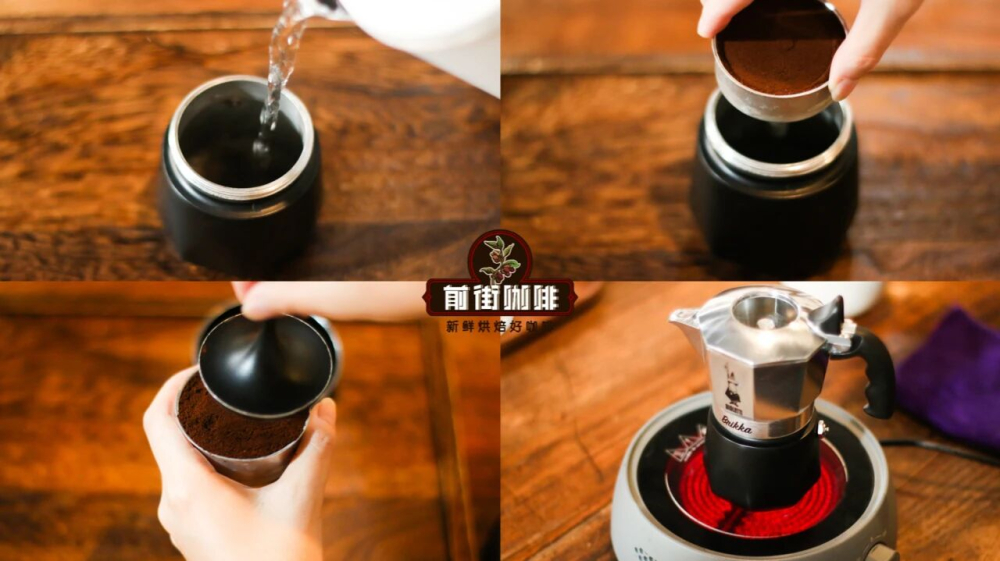
Taking 20 grams of medium-dark roasted blend beans as an example, place them in the filter basket and gently tamp. Assemble the moka pot, add about 80°C–100°C hot water to the bottom chamber (it’s recommended to
【Step 4: The Golden Ratio When Pairing with Milk】
Since the coffee brewed with a moka pot is not as concentrated as professional espresso, it is recommended to adjust the milk ratio to avoid diluting the flavor. Using 45 ml of coffee as a base, a medium to dark roast can be paired with 180 ml of milk (a ratio of about 1:4) to create a balanced milk coffee. For light to medium roasts with brighter flavors, you can appropriately increase the milk ratio to 1:3.5. Additionally, when making a hot latte, it’s suggested to heat the milk to 65°C to enhance sweetness, while for an iced latte, you can replace part of the milk with ice cubes to prevent the drink from becoming too diluted.


【Quick Reminder: Safety and Common Mistakes】
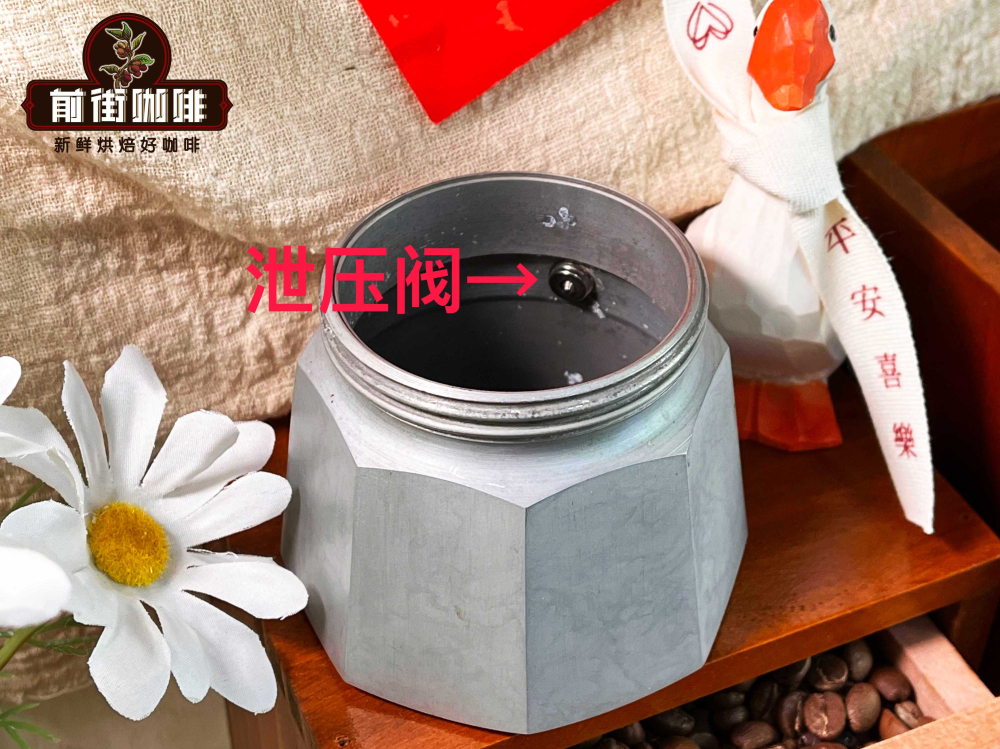
When using a moka pot, be mindful that excessively high heat may lead to over-extraction or overheating of the pot—start with a high flame then reduce to medium or low. Also, do not fill water above the safety water level line of the lower chamber to avoid excessive pressure and splattering. Too fine a grind or overfilling the coffee grounds may also cause channeling, affecting extraction evenness—lightly tamp the coffee but avoid compacting it too much.
The above content is compiled by CoffeeHunters, a coffee news website.


