








Introduction:Americano is a daily staple for many, but did you know its origins have nothing to do with Americans? In fact, it dates back to World War II Italy. This article will take you on a deep dive into the history of the Americano, its relationship with espresso, and offer a professional analysis of what makes a good Americano — including smoothness, balance, and aroma — while also sharing the potential health benefits of drinking Americano to help you truly appreciate this classic black coffee.
As an iconic beverage in the coffee world, the Americano typically consists of a shot of espresso mixed with hot or cold water, and is a standard offering at almost every café, often the first choice for many customers. This seemingly simple black coffee, thanks to its quick preparation, affordable price, and ability to satisfy needs such as waking up, quenching thirst, or even aiding weight loss, has become a favorite among coffee lovers worldwide.

People choose to drink Americano for various reasons — whether to boost energy, cool down, or simply enjoy the rich flavor of coffee. This diluted version of espresso has long secured its place as one of the most popular black coffees globally. But as consumers, how can we distinguish a truly delicious Americano from the many options out there?

The English name "Americano" may sound like it originated in America, but in fact, it wasn’t coined by Americans — it was named by the Italians who invented the espresso machine. Legend has it that during the late stages of WWII, when American soldiers were stationed in Italy, they found the local strong and concentrated espresso hard to adjust to. So, they began adding water to dilute the coffee, which helped retain the flavor while making it smoother and more palatable. As post-war immigration took place, Italian-run cafés in the U.S. continued this practice, referring to this “lighter black coffee” as an Americano. It gradually gained popularity across the country and became what we recognize today.
However, even though they share the same name, have you ever had the experience where an Americano at one café is refreshing and delicious, making you want another cup, while at another, it’s unbearably bitter and you can’t even finish the first sip? What causes such a difference?
Whether made using the classic method of extracting espresso first and then adding water, or the Australasian version of pouring hot water first and then adding espresso, an Americano is essentially a mixture of espresso with a concentration of about 7% to 12%, combined with hot or cold water. The water temperature varies depending on the season and café practices, ranging from 60°C to 70°C for immediate drinking enjoyment, to 80°C to 90°C to prevent rapid cooling when taking it out in winter, and even using boiling water directly in some cases. Although these details affect the taste, the true key to a good Americano lies in the quality of the espresso itself and the extraction technique.

Simply put, when an Americano tastes bad, the problem usually lies in the type and quality of the coffee beans used, as well as the barista’s extraction skills. For those who want to understand common production issues in more depth, it’s recommended to refer to relevant professional articles to further master extraction techniques.

So, what exactly makes a good Americano?
While coffee preferences vary from person to person — some prefer the bold and rich flavors of dark roasts, while others favor the fruity acidity and freshness of light roasts — in terms of the flavor profile showcased by espresso, a good Americano usually has the following three key characteristics:
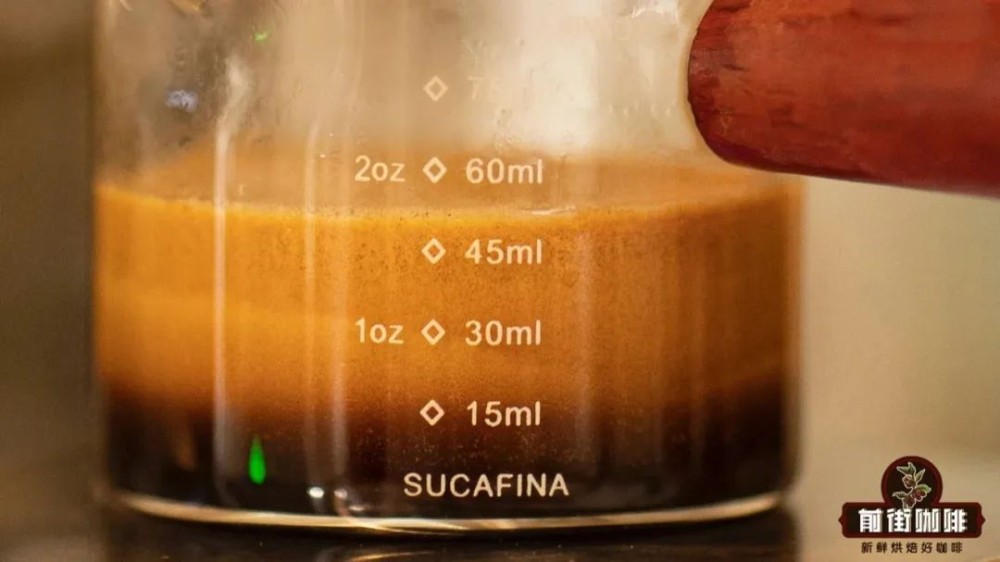
First, the mouthfeel should be smooth, with a pleasant aftertaste. A standard Americano often has a layer of golden crema on top, which not only affects the tactile sensation in the mouth but also adds aroma and serves as an important indicator of freshness. Therefore, to maintain stable extraction and aroma performance, most cafés still opt for medium to dark roasted beans to make their Americanos.

Compared to the varied fruity acidity of light roasts, dark roasts typically exhibit caramelized aromas such as chocolate, cocoa, cream, and nuts, with a relatively concentrated flavor. Therefore, the focus of a high-quality dark roast Americano is whether it delivers a rich, smooth, and sweet-aftertaste mouthfeel, rather than pursuing a variety of acidic notes. If it tastes burnt, dry, or uncomfortable in the throat upon the first sip, then this Americano is likely not considered successful.
Secondly, the taste should be balanced, neither overly bitter nor excessively sour. Since espresso is extracted under high pressure, its flavor characteristics are amplified, meaning the good qualities become more prominent, but the flaws are also more noticeable. Therefore, one of the key criteria for evaluating a good Americano is whether the overall flavor remains balanced after dilution — neither too bitter nor too sour. As long as these two aspects are well controlled, the Americano is a palatable and enjoyable black coffee.

Finally, a good Americano should have a distinct aroma, rather than being bland. The control of extraction yield is crucial — under-extraction results in a thin-tasting coffee, while over-extraction can bring about off-flavors and astringency. For both hot and iced Americanos, the core of the aroma still comes from that small amount of espresso. Taking common blends as an example, if the coffee, even after dilution, retains characteristics such as vanilla, cream, chocolate, fermented wine notes, and berry acidity, while maintaining overall flavor balance, then the extraction of this Americano is considered successful.
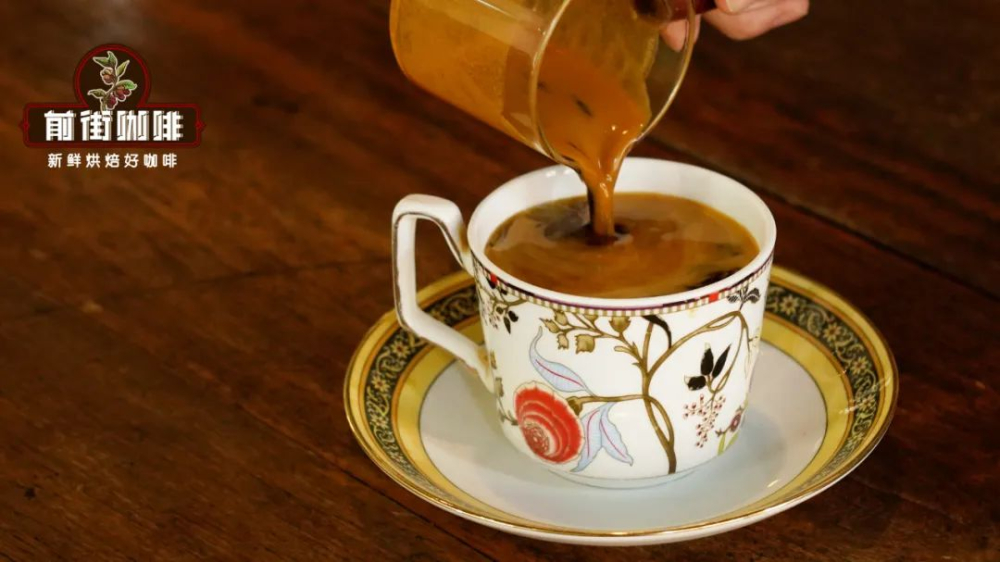
In summary, when you drink an Americano that is smooth in texture, clean in aftertaste, balanced in sweetness, acidity, bitterness, and richness, and fully showcases the unique flavor characteristics of the coffee beans — then congratulations, this coffee is definitely worth ordering again.
Extended thought: Beyond being delicious, Americano also offers several potential health benefits, such as helping to boost metabolism, promote fat burning, and providing antioxidants. Moderate consumption can have a positive impact on daily wellness. But remember, the key lies in choosing the right bean variety and roast level to truly enjoy the charm of this classic black coffee.
The above content is compiled by CoffeeHunters, a coffee news website.


