








Introduction:Have you ever seen "Macchiato" on a coffee shop menu but weren’t sure which one to choose? From the traditional Italian Caffe Macchiato to American-style variations, the many faces of the Macchiato often cause confusion. This article will take you deep into the origins of the Macchiato, its authentic preparation, and the key differences between the Italian and American versions, helping you make the best choice based on your taste preferences.
Thanks to the American coffee culture’s reimagining of the Italian classic, many people nowadays often feel puzzled when faced with espresso-based drinks on a coffee menu. Which ones have water added? Which ones are sweetened with syrup? Among the many variations, "Macchiato" has become one of the most commonly misunderstood. Many assume it’s a sweet drink loaded with caramel and lots of foam, but in reality, the true Macchiato is far from that.
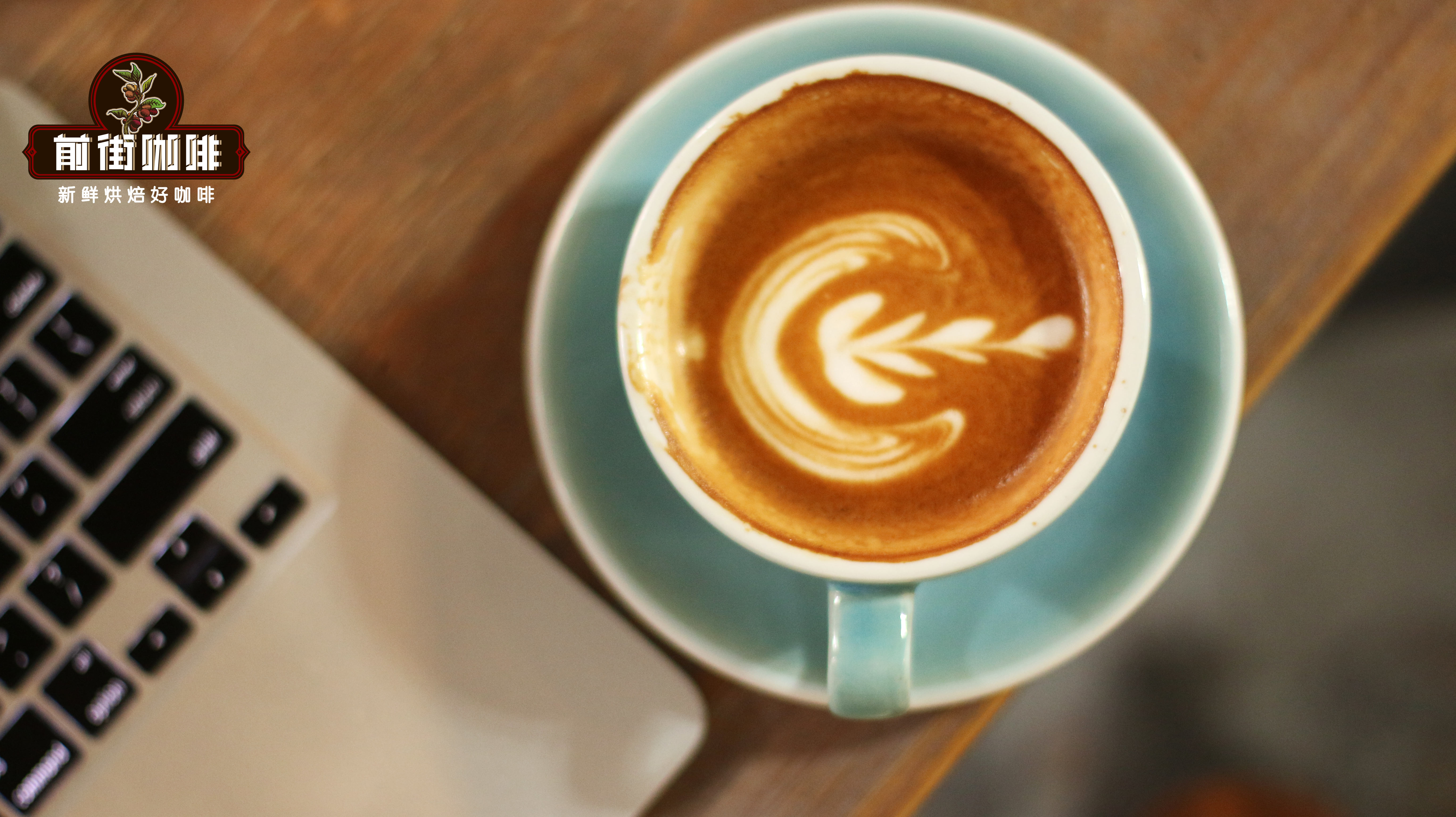
So what exactly is the most authentic Macchiato? Let’s trace back to its origins, clarify the characteristics of different versions, and find the one that’s right for you.
The Macchiato originates from Italy, where the word means "mark" or "stain." As the name suggests, it’s a pure espresso "marked" with a small amount of milk. It’s neither the morning pick-me-up cappuccino nor the ultimate single-origin espresso; rather, it sits somewhere in between — slightly less intense than espresso but stronger than cappuccino, making it perfect for a light afternoon sip.
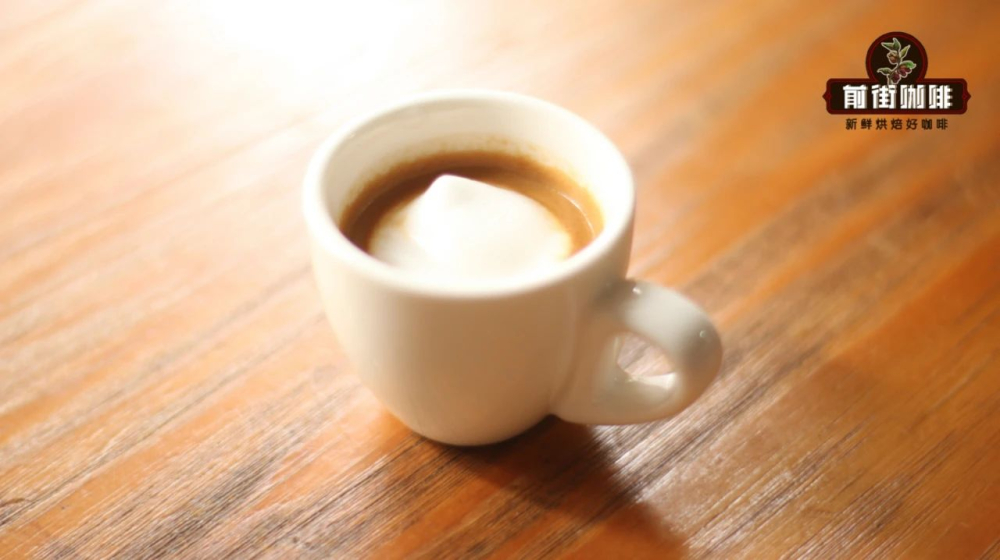
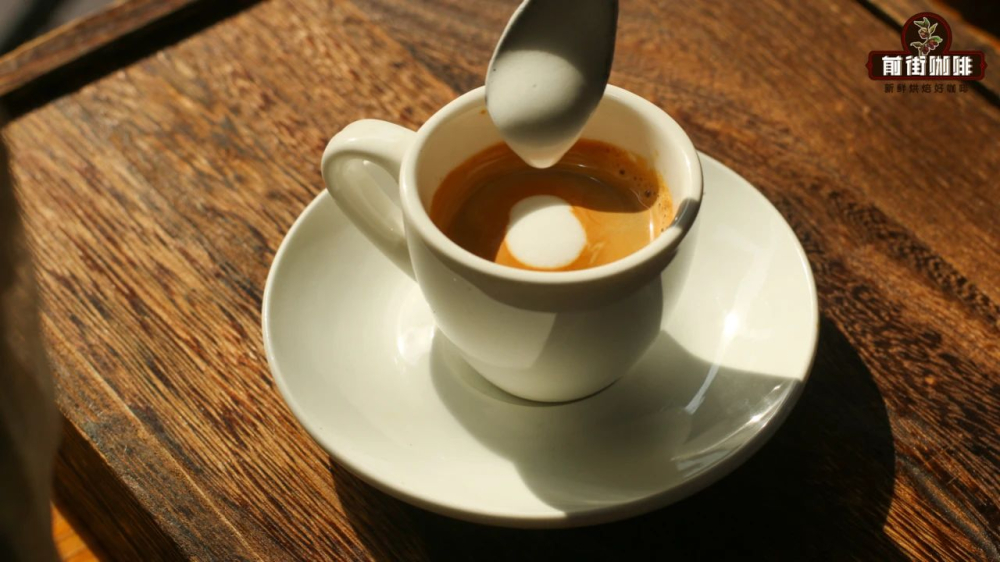
Among the many variations of the Macchiato, the most classic and true-to-origin version is none other than the "Caffe Macchiato." Its preparation is extremely simple: just add 1 to 2 teaspoons of steamed milk or a touch of milk to a standard shot of espresso. The goal is to slightly soften the strong intensity of the espresso without masking its original flavors. The key is that only a minimal amount of milk is added, keeping the coffee’s rich essence intact.
It’s recommended for those who want to enjoy the flavor of espresso but don’t want an overly intense taste. Especially if you usually find espresso too strong and cappuccino too milky, the Caffe Macchiato is a great compromise. However, be aware that this drink is typically served in a small portion; if you need more, consider having it made with a double shot of espresso.
In contrast, the "Latte Macchiato" is a completely different presentation. In this drink, milk takes center stage, not coffee. The method involves pouring about one-third to half of steamed hot milk into a clear tall glass, then carefully pouring a shot of espresso over the back of a spoon so it seeps into the middle of the milk, creating a distinct three-layer structure: the bottom consists of creamy milk foam and milk, the middle is a dark coffee-colored layer, and the top is covered with a fine layer of milk foam.
This pouring technique isn’t just for aesthetics; it’s meant to show the process of the coffee "marking" the milk, hence the name "Macchiato." This coffee is better suited for those who prefer a milky flavor, or for kids or those who are sensitive to caffeine. It can also be customized with various syrups according to personal taste, offering a wide range of flavor variations.
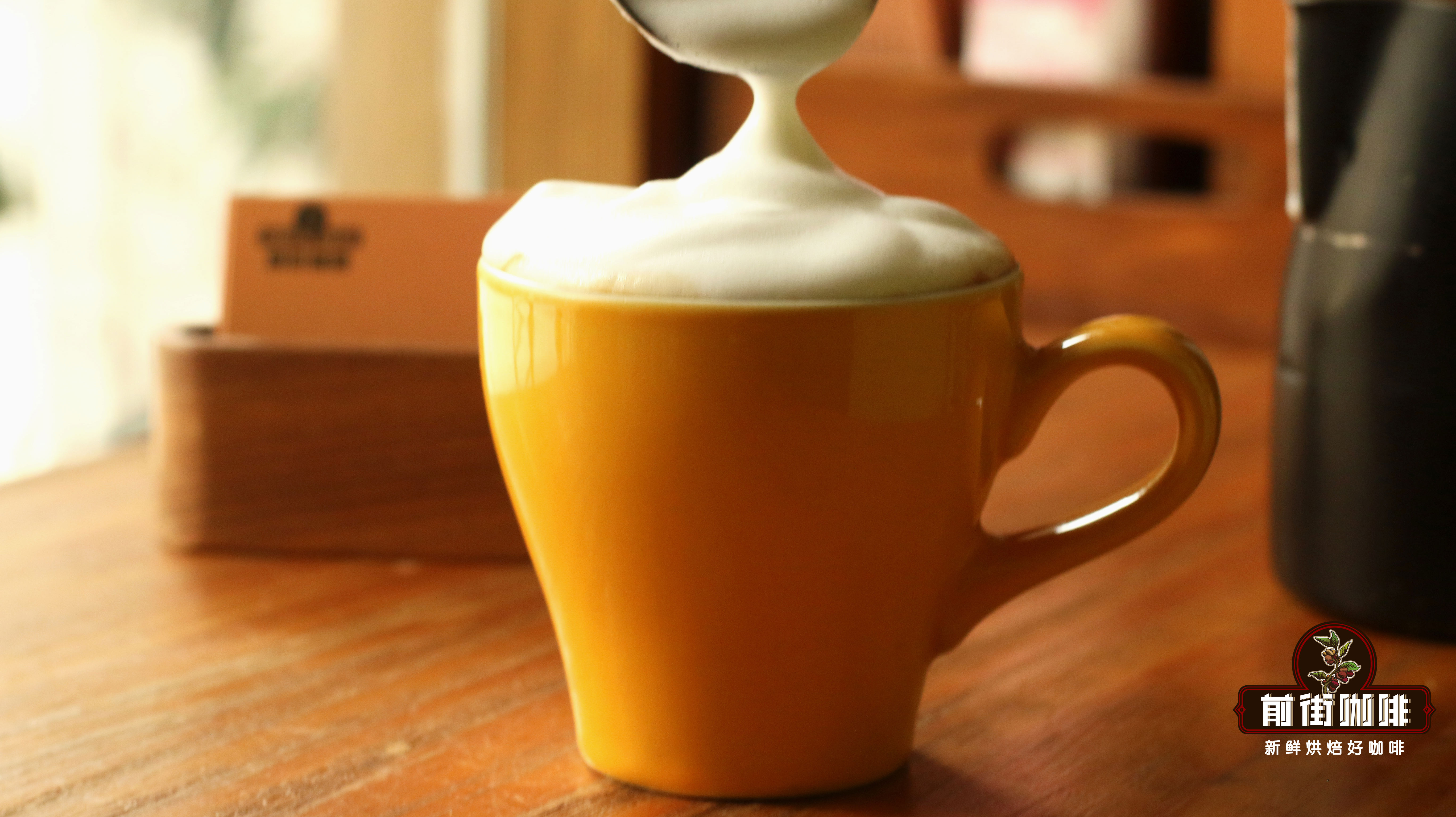
One common misconception is confusing the "Macchiato" served at American-style restaurants with the original Italian version. At many international chain brands, the so-called "Macchiato" is often a dessert-like drink based on steamed milk, with a large amount of espresso and milk foam added, and sometimes even caramel syrup. Though these variations may be smooth and tasty, they stray far from the original Italian definition of "Macchiato."
Therefore, if you order a Caffe Macchiato in Europe or Italy, expect a shot of espresso with just a little bit of milk foam; whereas ordering a Macchiato at an American coffee shop might get you a generously portioned, elaborately decorated coffee drink — the two differ greatly in both flavor and experience.
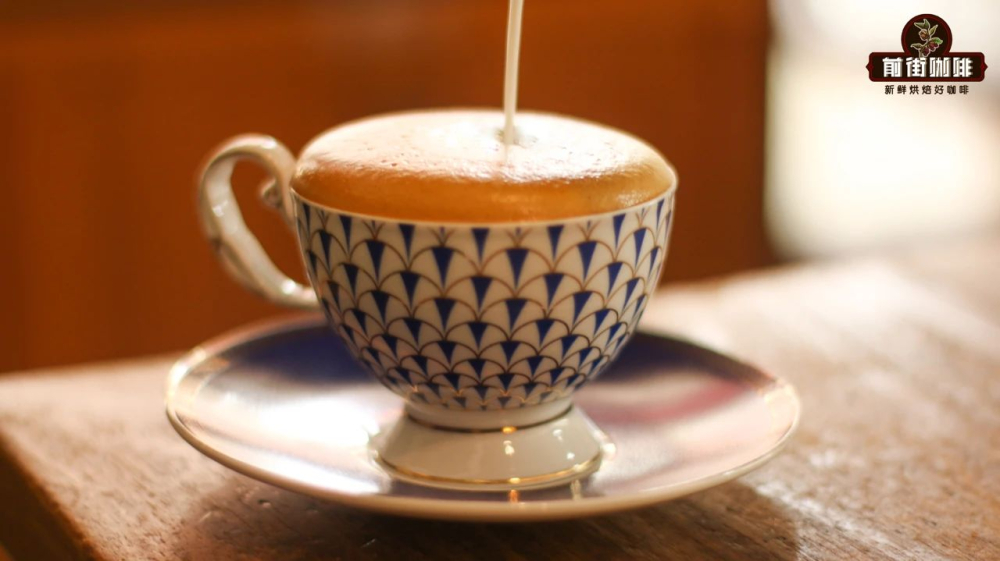
In summary, understanding the core spirit of "Macchiato" — using a small amount of medium (usually milk) to "mark" the coffee — is the key to distinguishing its different versions. The Caffe Macchiato emphasizes the expression of the coffee itself, using only a tiny bit of foam to soften the taste; whereas the Latte Macchiato puts milk in the spotlight, with coffee playing a supporting role. No matter which you prefer, you can find the Macchiato style that best suits your mood and taste buds.
The above content is compiled by CoffeeHunters, a coffee news website.


