







Introduction:Did you know that Mandheling is not actually a coffee variety, but rather a name derived from a misunderstanding? This article delves into Mandheling coffee from Indonesia’s Sumatra Island, covering its historical background, regional characteristics, processing methods, and how to identify and brew Golden Mandheling. We’ll guide you through a comprehensive understanding of this classic bean beloved by coffee enthusiasts, along with practical tips on selecting and brewing it to achieve its best flavor.
In fact, Mandheling does not refer to any specific coffee variety, but is a general term for Arabica coffee beans produced on Indonesia’s Sumatra Island. If Geisha is likened to an elegant lady in the world of coffee, then Mandheling is a gentleman—steady, rich in flavor, and possessing a unique character, deeply cherished by seasoned coffee aficionados.
The origin of the name “Mandheling” has an interesting story rooted in a misunderstanding. It is said that during World War II, a Japanese soldier in a Sumatran village tried the strong local coffee and curiously asked the villagers what kind of coffee it was. Due to the language barrier, the locals misunderstood his question as asking about their ethnicity, and answered “Mandheling.” After the war, the soldier introduced this coffee to Japan, where it unexpectedly became very popular. Since then, “Mandheling” has become synonymous with Arabica coffee from Sumatra.
The history of coffee cultivation in Indonesia dates back to the 17th century, when the Dutch introduced Arabica coffee seedlings to Indonesia and Sri Lanka. However, the widespread coffee leaf rust disease in 1877 almost destroyed the local Arabica coffee, prompting farmers to switch to the more disease-resistant Robusta. Today, around 90% of Indonesia’s exported coffee beans are Robusta, with only 10% being Arabica. Sumatra, with its relatively higher altitude, is one of the few regions where Arabica is still grown, mainly in mountainous areas between 600 and 1,600 meters above sea level.
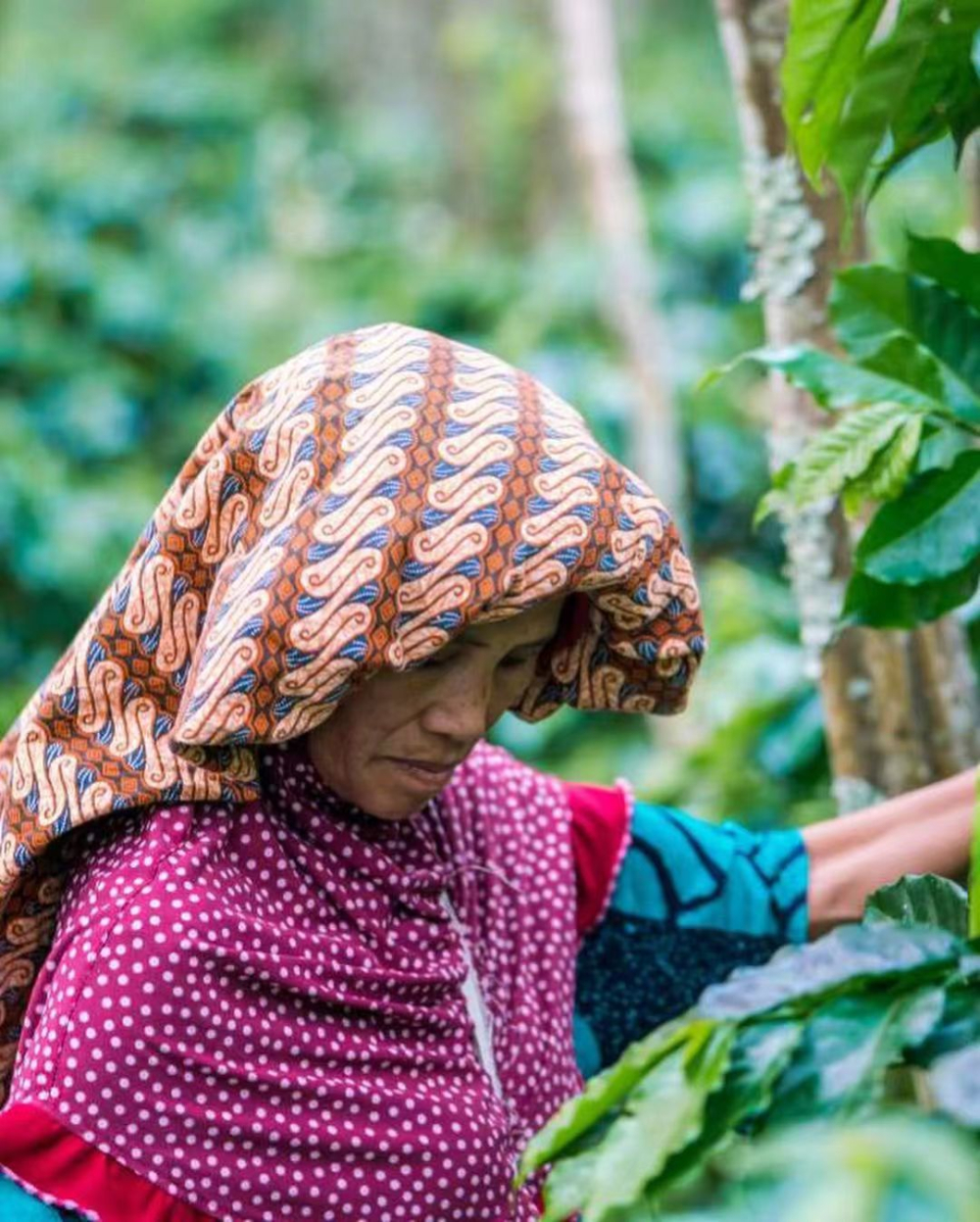
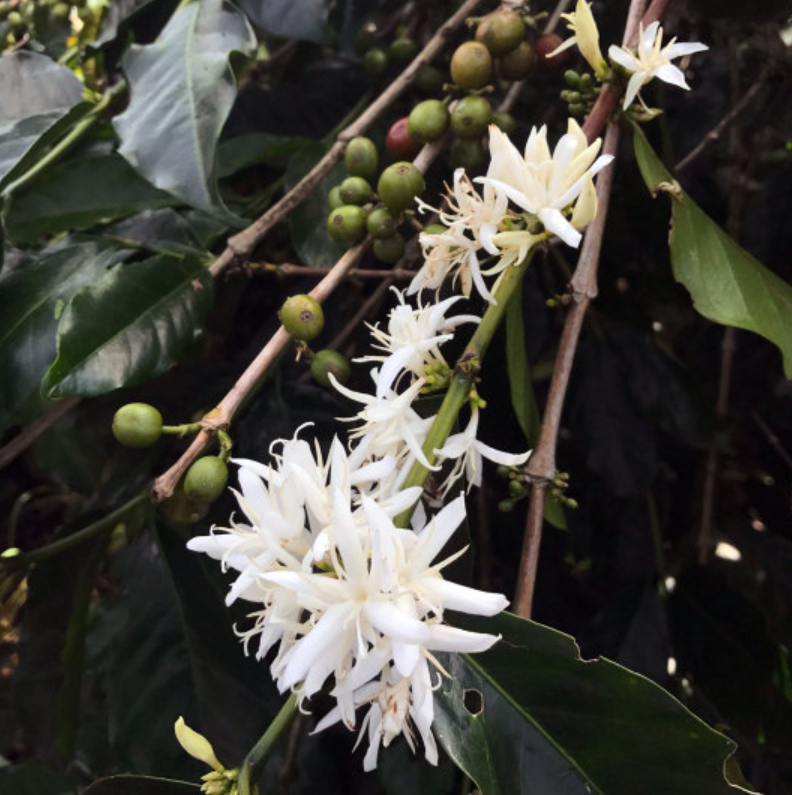
However, compared to Africa or Central and South America, Sumatra’s altitude is still relatively low, and its hot, humid climate combined with limited water resources makes traditional, less disease-resistant Arabica varieties (such as Typica or Bourbon) difficult to cultivate. As a result, the region mainly grows hybrid coffee varieties with Robusta lineage, such as Timor (commonly known as Tim Tim) and Catimor (locally called Ateng).
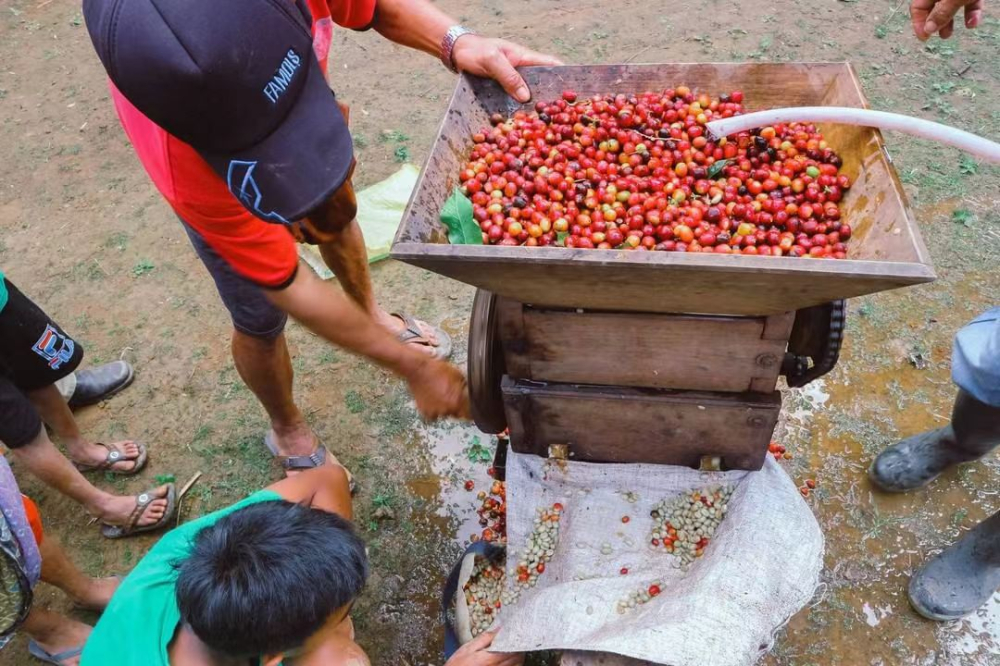
Additionally, Indonesian farmers developed a unique processing method called “wet hulling” (Wet Hulling) to efficiently process coffee beans with limited resources. This method involves quickly removing the outer parchment layer of the coffee beans and drying them in stages, resulting in Mandheling coffee’s distinctive low acidity, bold body, and unique flavors of herbs, spices, and woody incense. Han Huai-zong once described it as “a rare processing method in the world that unexpectedly shapes Mandheling’s captivating character.”
Although all Arabica coffee from Sumatra can be broadly referred to as Mandheling, the truly specialty-grade Mandheling mostly comes from the Gayo Mountains in Aceh Province. Here, the altitude ranges between 1,110 and 1,600 meters, and the coffee is mostly grown by smallholder farmers under shade, processed using wet hulling, and showcases rich, bold, and layered flavor profiles, including deep acidity and vibrant sweetness.
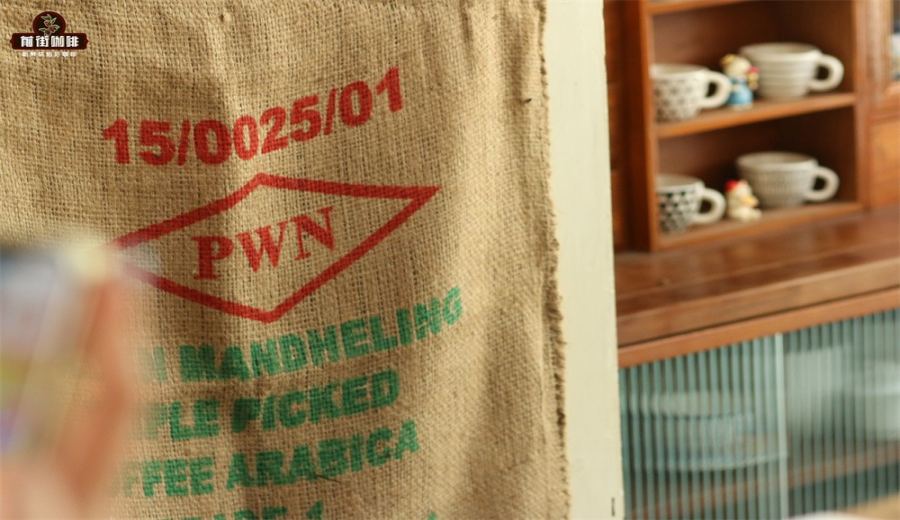
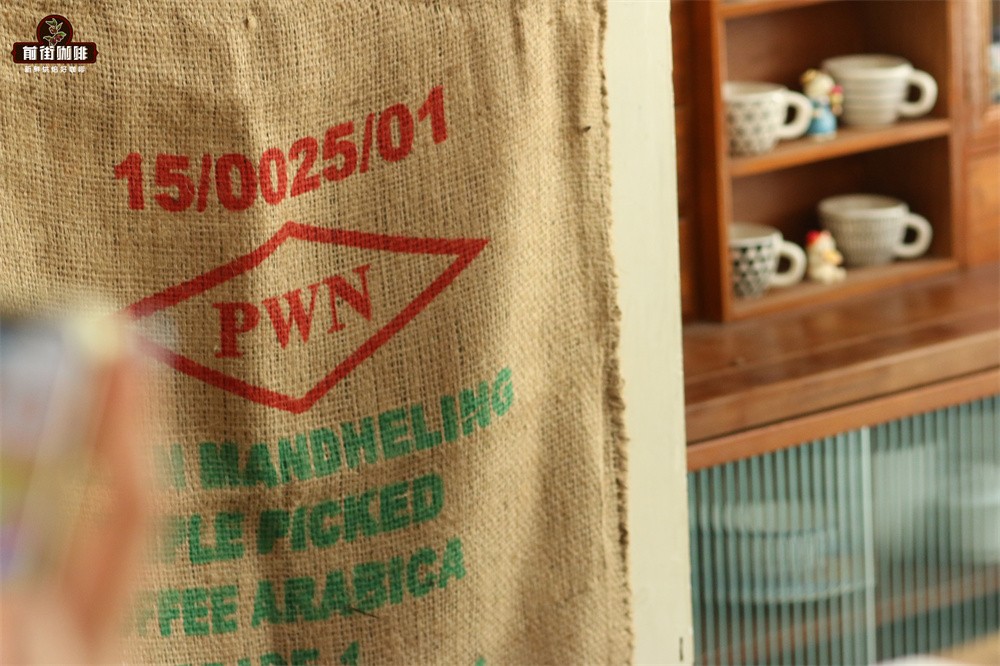
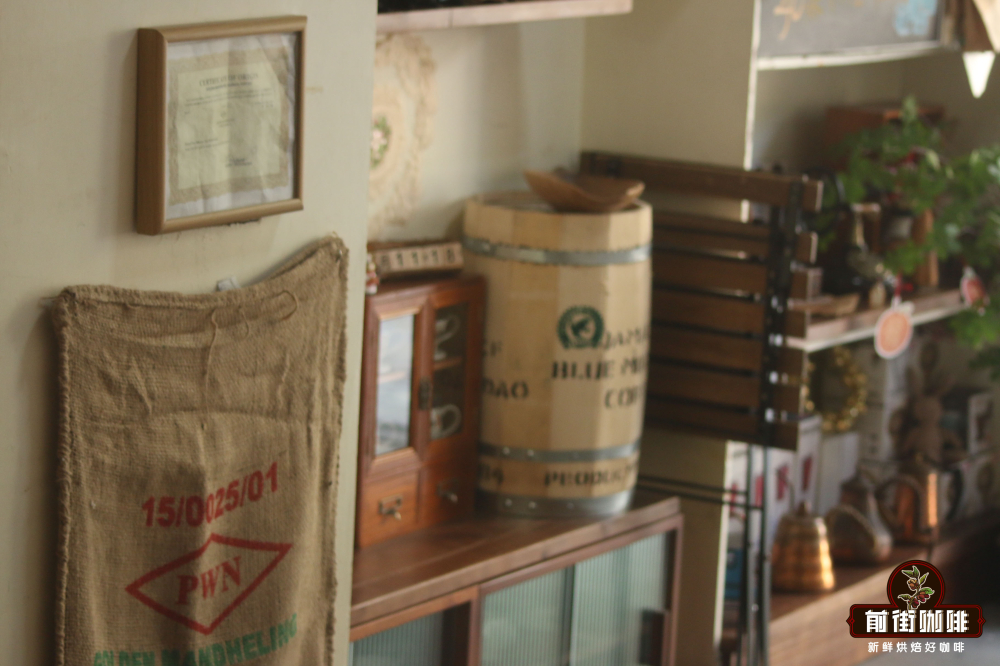
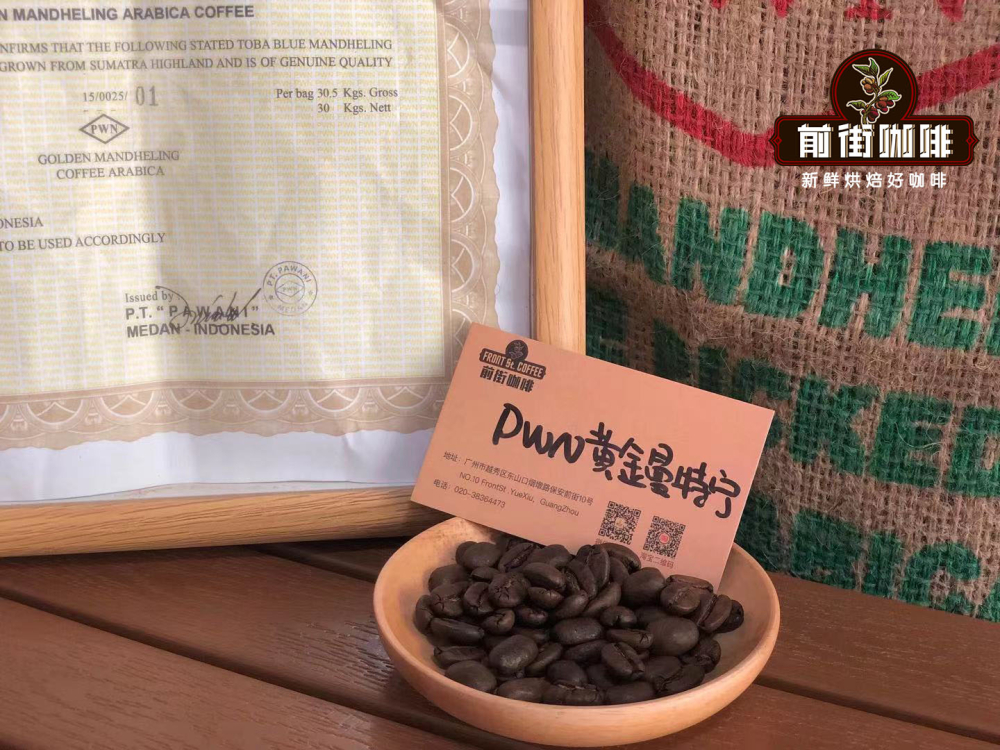
When it comes to high-quality Mandheling, one cannot overlook “Golden Mandheling.” It’s important to note that Golden Mandheling refers not only to a flavor profile but is also a trademark registered by Indonesia’s PWN company. In other words, only Mandheling produced by PWN that meets specific selection criteria can be rightfully called “Golden Mandheling.”
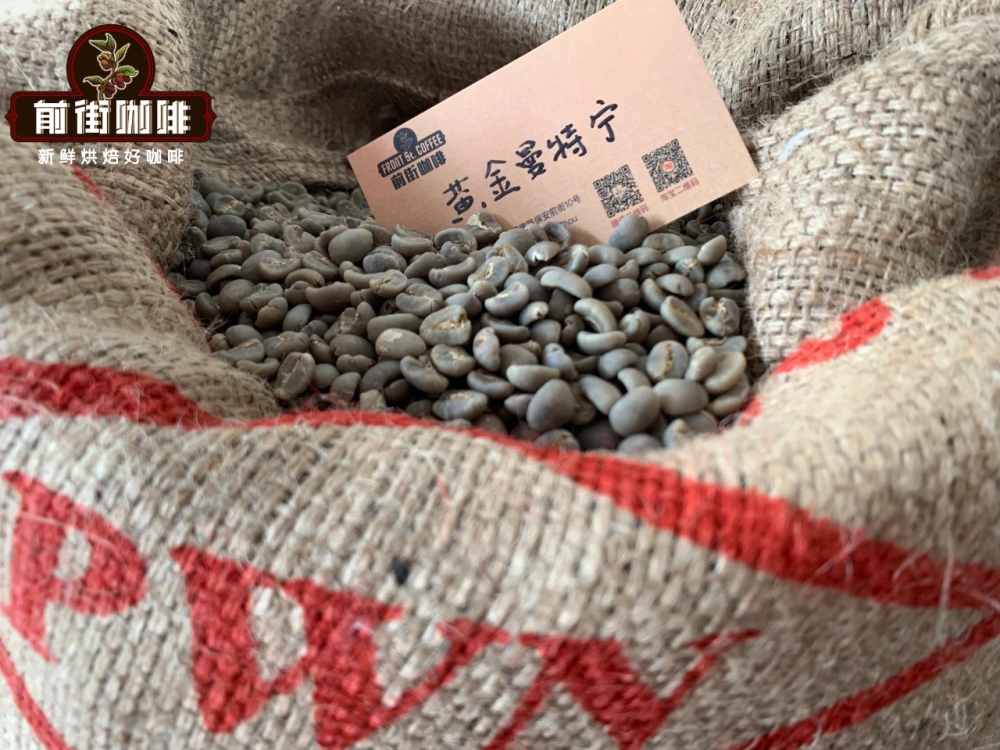
PWN has strict requirements for Golden Mandheling: only beans larger than 18 mesh, with fewer than 3 defective beans per 300g sample, classified as the highest grade G1, and featuring a dark green color with uniform, flat beans are selected. Furthermore, these green beans undergo four rounds of manual sorting and multiple rounds of density and color screening to ensure consistent and stable flavor, with a more pronounced sweetness and an overall cleaner, brighter cup profile compared to regular Mandheling.
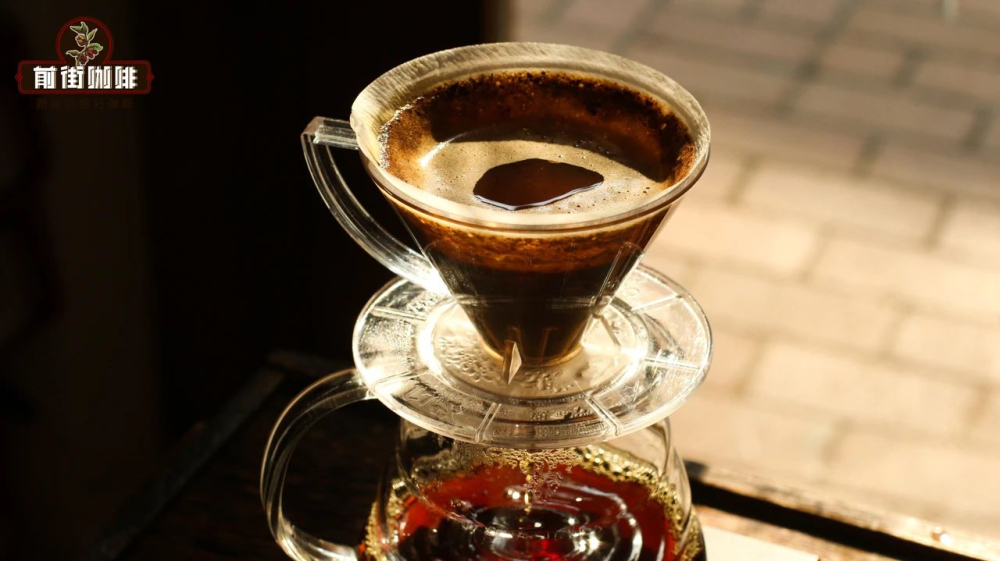
To bring out the best of Golden Mandheling, it is recommended to use a medium-dark roast to highlight its bold and rich characteristics. For actual brewing, you can use a KONO filter cone, with a water temperature of 88°C and a 1:15 coffee-to-water ratio (recommended grind size: 70% passing through a No. 20 Chinese sieve, roughly the size of coarse sugar). The specific steps are: the first pour is 30g of water for a 30-second bloom; the second pour is a circular pour up to 125g, wait for the water level to drop halfway, then continue pouring to 225g, with a total extraction time of about 2 minutes and 10 seconds. This method fully highlights its nutty, caramel, and chocolatey notes, with a long and layered aftertaste.
Additionally, to enjoy the most vibrant flavor of the coffee beans, it is recommended to start drinking them within 5 days of roasting. Freshly roasted beans may still carry noticeable roasting aromas in the first 4 days. If you prefer a rounder taste, you can let the unopened coffee beans rest for 4 to 5 days before opening and brewing. The optimal tasting period for Mandheling is usually 30 to 35 days after roasting, making it ideal for savoring its subtle changes over time.
The above content is compiled by CoffeeHunters, a coffee news website.

