







Introduction:Want to explore the profound charm of Sumatran coffee? PWN Golden Mandheling, as a classic dark roast single origin, is renowned for its rich body and spicy, herbal aroma, making it a top choice for many beginners entering the world of specialty coffee. This article not only explores the origins and grading system of Mandheling, but also breaks down the unique flavor profile of Golden Mandheling in detail. It also provides professional pour over recommendations, including the optimal roast freshness period, grind size, water temperature, and three-stage pouring technique, helping you easily extract a balanced and intense coffee experience.
In the world of specialty coffee, Sumatran Mandheling has always been a classic choice for dark roast enthusiasts. Among them, PWN Golden Mandheling stands out with its stable and layered flavor profile, making it a recommended bean variety for many beginners diving into dark roast single origins. After moderate roasting, this coffee bean showcases an excellent balance of pine, spices, and a rich body, making it particularly suitable for practicing pour over techniques and flavor identification.
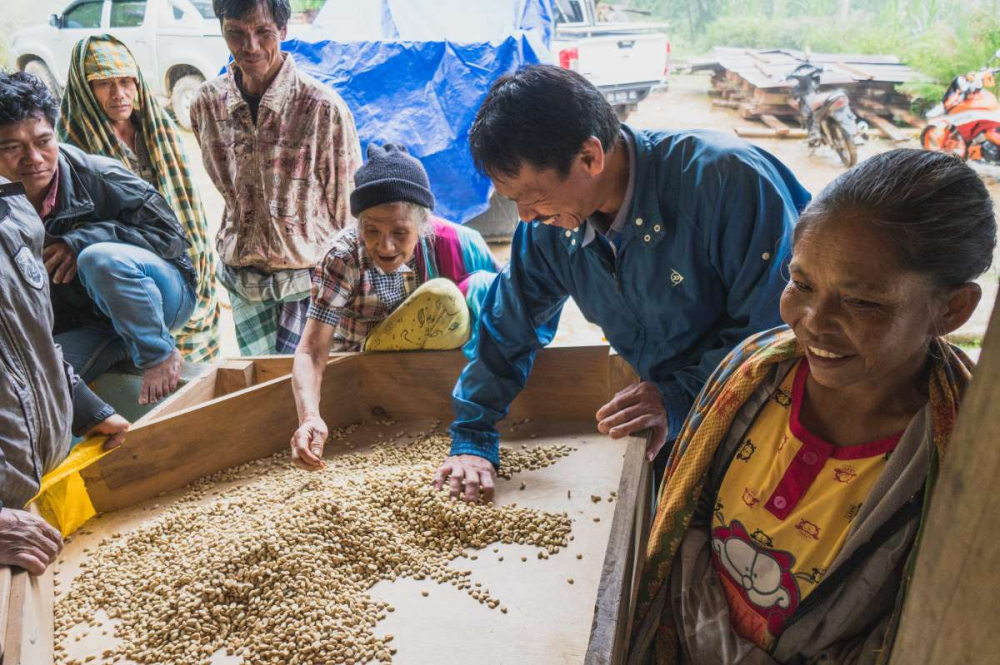
When talking about Mandheling, one cannot help but mention its homeland—Indonesia. This tropical archipelago, known as the "Country of a Thousand Islands," has been cultivating coffee since 1696, boasting a history of over 300 years. Indonesian coffee is mostly grown organically by smallholder farmers and relies on manual picking and sorting to ensure the quality of each bean. From Sumatra to Sulawesi and then to Java, different geographical environments produce uniquely distinctive coffee flavors.
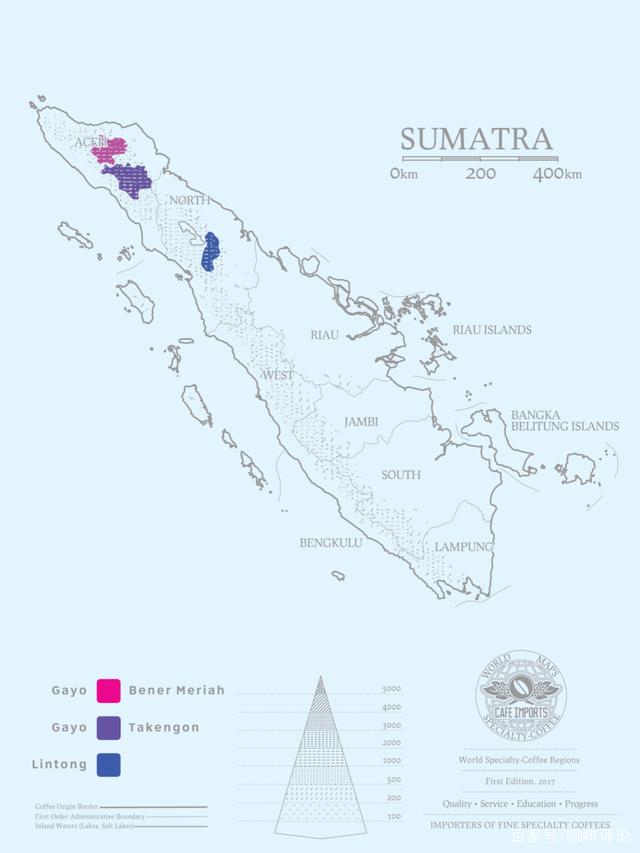
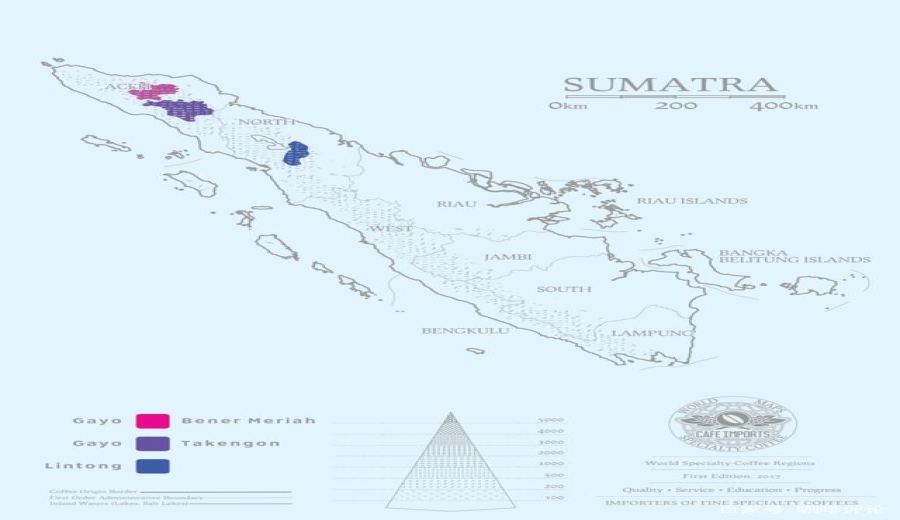
Among the many producing regions, Aceh and North Sumatra in northern Sumatra are the main origins of Mandheling. These areas surround the famous volcanic lakes—Lake Toba and Lake Towuti, also known as the Lintong and Aceh regions. The fertile volcanic soil endows the coffee beans with rich flavor layers, often featuring aromas such as cream, chocolate, and earthiness. Interestingly, the origin of the name "Mandheling" is said to stem from a misunderstanding by a Japanese soldier in an Indonesian coffee shop during World War II—an anecdote that also helped bring international fame to Mandheling coffee.
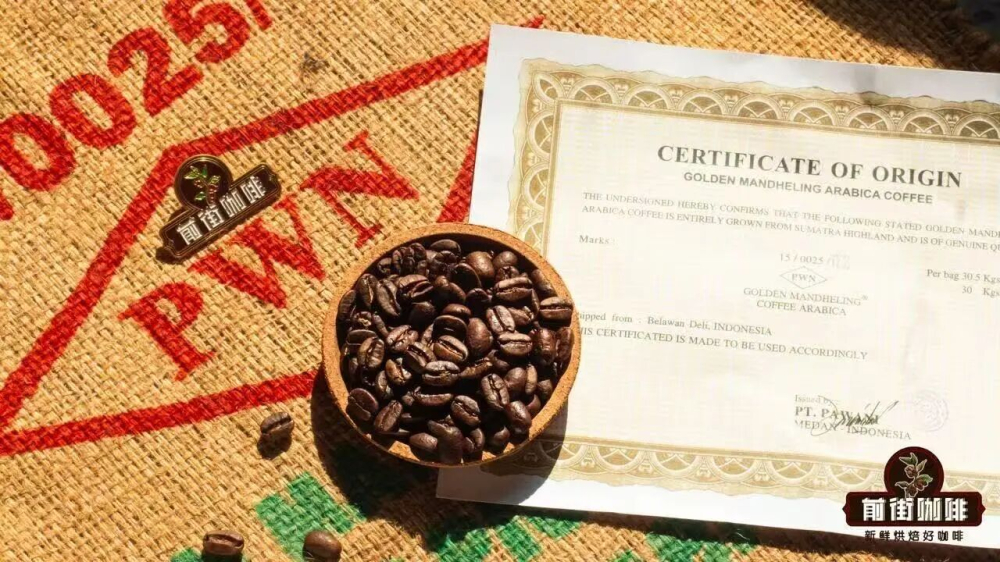
If you already have a basic understanding of coffee-producing regions and brewing principles and are looking to select a high-grade Mandheling, then the Golden Mandheling produced by PWN is definitely worth considering. Indonesian coffee beans are classified into six grades from G1 to G6 based on defect rates and bean size, with G1 being the highest grade. PWN applies extremely strict screening to G1 grade beans, not only putting them through one mechanical selection but also performing three rounds of manual inspection to ensure almost all defective beans are removed, significantly improving the purity of the coffee.
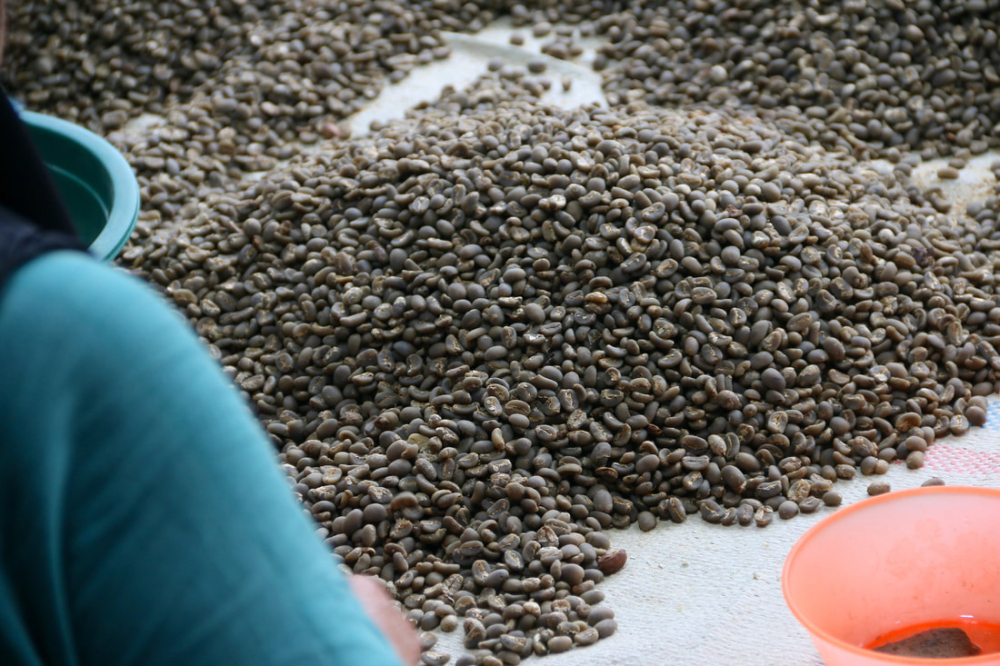
In addition, PWN uses density and color sorters before packaging to ensure uniformity and clarity of each bean. As a representative of premium Indonesian Mandheling, this Golden Mandheling demonstrates extremely high cleanliness in cupping tests, with distinct aromatic layers, noticeable sweetness, and a rich, solid body, making it a standout among dark roast single origins.
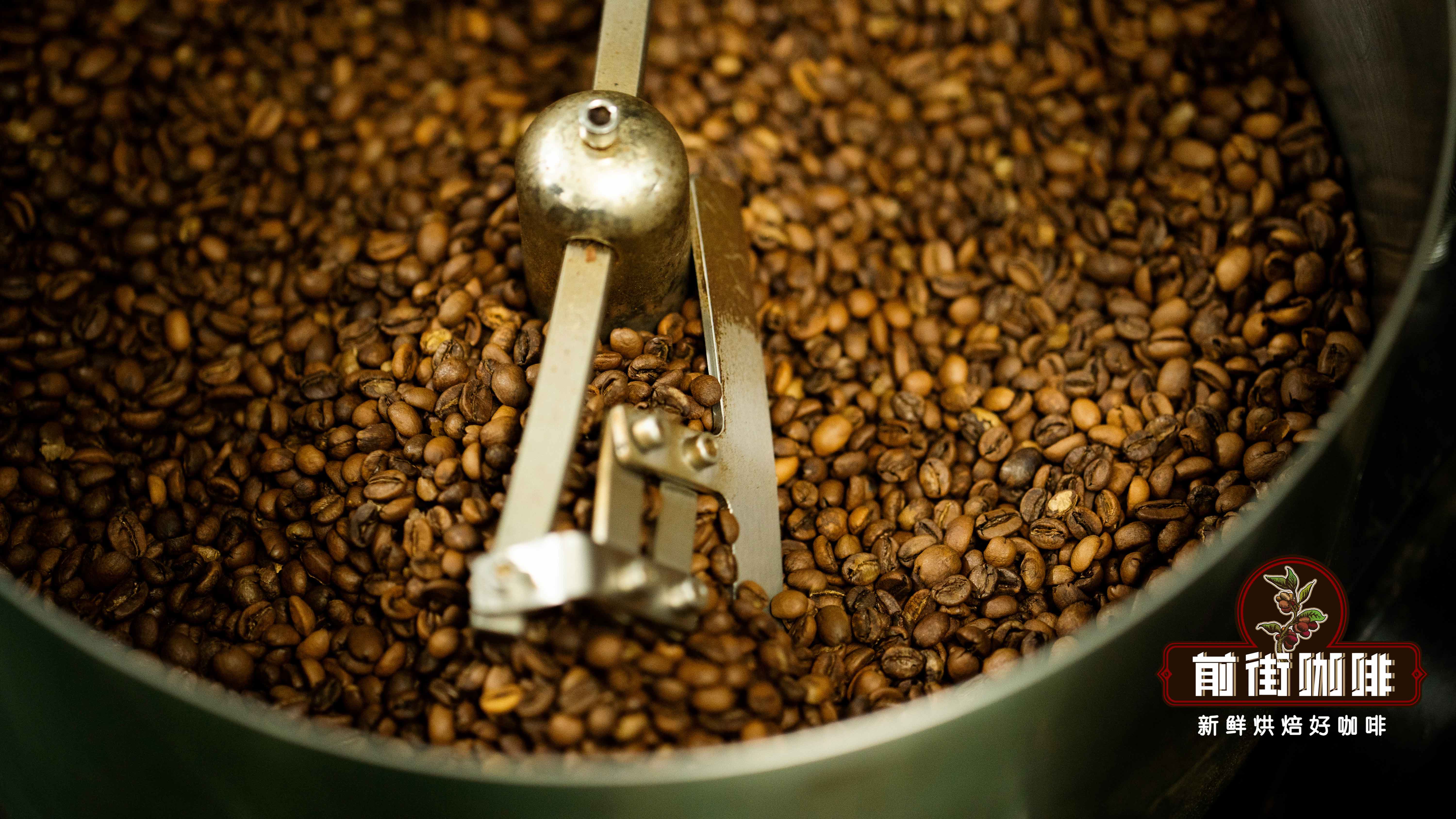
To fully experience the unique flavors of PWN Golden Mandheling, freshness is key. It is generally recommended to enjoy the coffee within 4 to 7 days after roasting, a period considered the optimal freshness window. Over time, the aroma will gradually diminish, and woody or stale notes may even emerge. To address this, many specialty shops ensure the coffee is shipped within five days of roasting, allowing consumers to enjoy the beans at their best upon arrival.
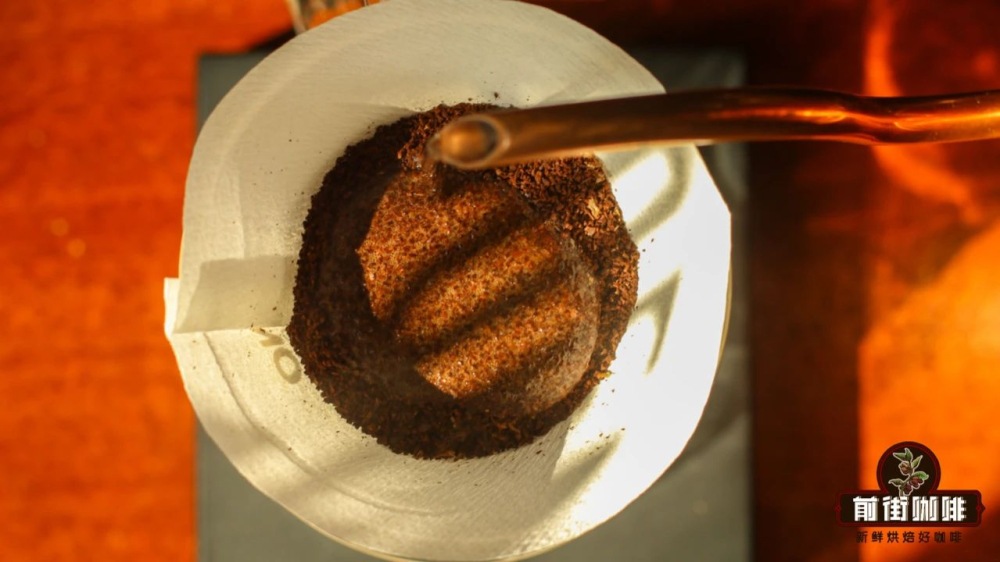
In terms of pour over brewing, because this coffee is a dark roast with complex aromas such as herbs, dark chocolate, caramel, nuts, and pine, it is recommended to use a Kono filter. The rib design of the Kono filter only extends halfway up the cup, and this structure allows the filter paper to cling tightly to the cup walls after pouring water, effectively restricting airflow and prolonging the water absorption time of the coffee grounds, thereby enhancing extraction uniformity and the rich body. In addition, the groove design at the bottom of the filter helps create a siphon effect, further optimizing the extraction process.
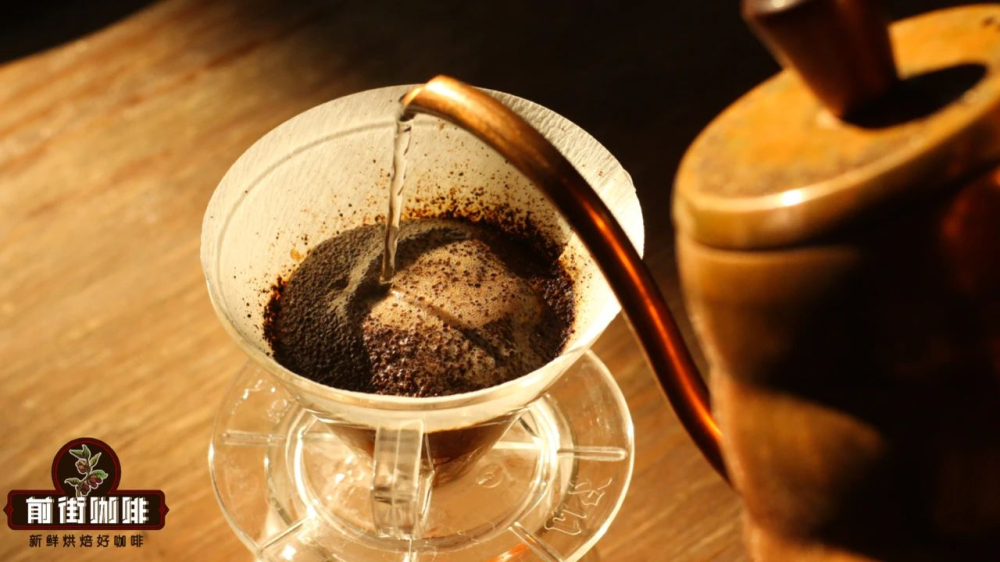
For dark roast beans, due to their looser structure and high water absorption, grinding too fine or using water that’s too hot can easily lead to over-extraction, resulting in bitter and astringent flavors. Therefore, it is recommended to adjust the grind size to medium (using a Chinese standard No. 20 sieve, with a passing rate of about 70%), and control the water temperature between 87–88°C. Specific brewing parameters are as follows: 15 grams of coffee grounds, a 1:15 coffee-to-water ratio, with a total water volume of about 225 milliliters.
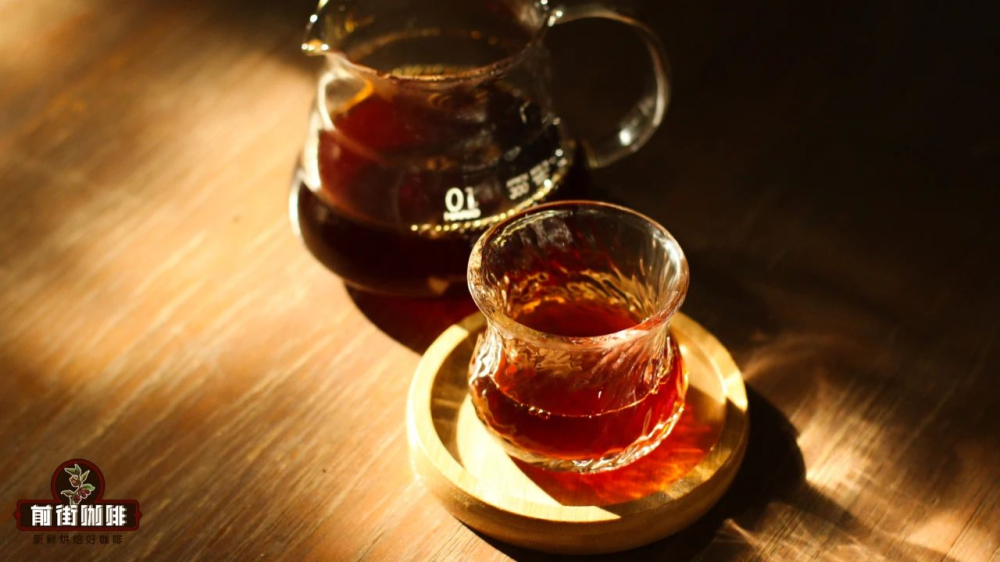
It is recommended to use a three-stage pouring method: first, perform a 30-milliliter bloom pour to wet all the coffee grounds and release carbon dioxide, preparing for subsequent extraction; next, pour 100 milliliters of water, which helps fully bring out the golden crema and aroma on the surface of the coffee; finally, add 95 milliliters of water with a gentle center pour to ensure even flavor release. Once all the coffee liquid has filtered through, gently swirl the server to enjoy this Mandheling with its richly layered flavors.
The final brewed PWN Golden Mandheling will showcase intense spice and herbal notes, with a rich body and a balanced bitterness and sweetness, accompanied by aromas of caramel, chocolate, and cedar. The finish is long-lasting, reminiscent of aged Pu-erh tea, delivering a highly layered taste experience for the drinker.
The above content is compiled by CoffeeHunters, a coffee news website.


