







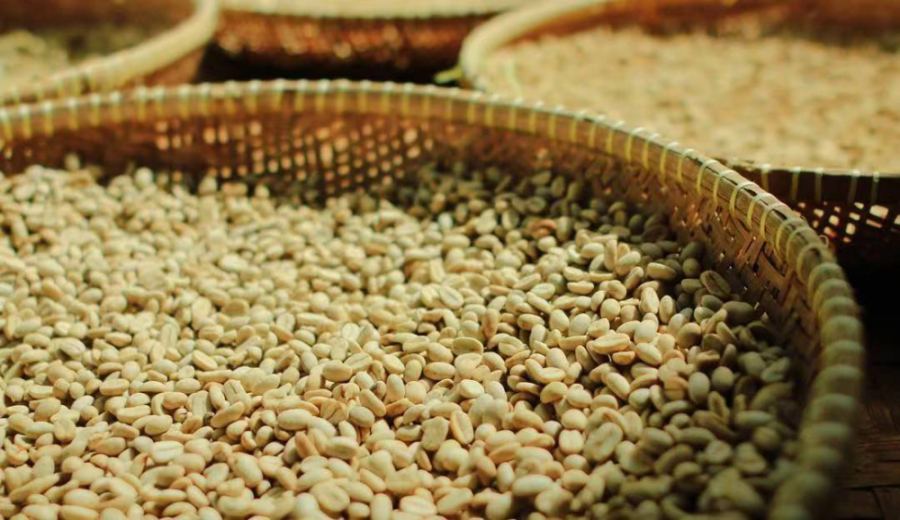
Introduction:Sumatran Mandheling coffee is renowned for its rich, full-bodied flavor and distinctive spicy aroma, but you might not know that its name actually stems from a misunderstanding. This article delves into the historical origins of Mandheling, the unique characteristics of the wet-hulling process, and the reasons behind its flavors of dark chocolate and spices. It also provides practical pour-over parameters and beginner-friendly bean recommendations to help you fully understand this classic Southeast Asian coffee.
Among the many Indonesian coffees named after their producing regions, Sumatra’s Mandheling coffee is an exception. Although it also comes from the Indonesian archipelago, its name does not derive from a place, but rather from an interesting historical misunderstanding.
The origin of the name can be traced back to the Second World War. It is said that a Japanese soldier in Indonesia tasted an unforgettable cup of coffee and curiously asked the shop owner for the coffee’s name. Due to a language barrier, the shop owner mistakenly thought the question was about his ethnicity and answered “mandheling (Mandailing people).” After the war, the soldier recalled that delicious coffee, believing the original name to be “Mandheling.” By 1968, when Japanese traders went to the N.V. Pawani Medan company in Sumatra to purchase large quantities of Sumatran coffee, the name “Mandheling” began to spread in Japan and eventually around the world, becoming synonymous with Sumatran Arabica coffee.
So, what exactly is the so-called “Mandheling flavor”? This type of coffee is usually deeply roasted to deliberately reduce acidity, resulting in a bold, slightly smoky taste. It is often accompanied by herbal, spicy, and woody aromas. These unique flavors are inseparable from the local special “wet-hulling” processing method.
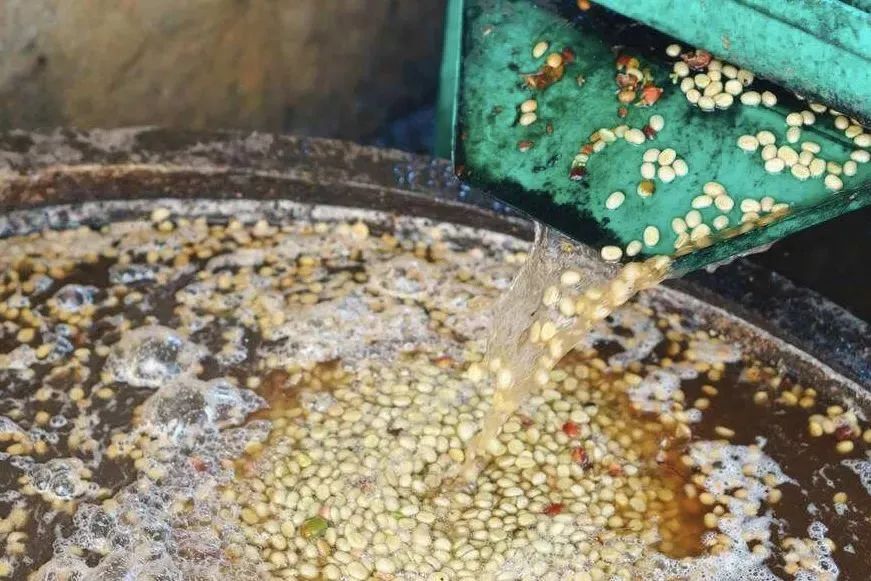
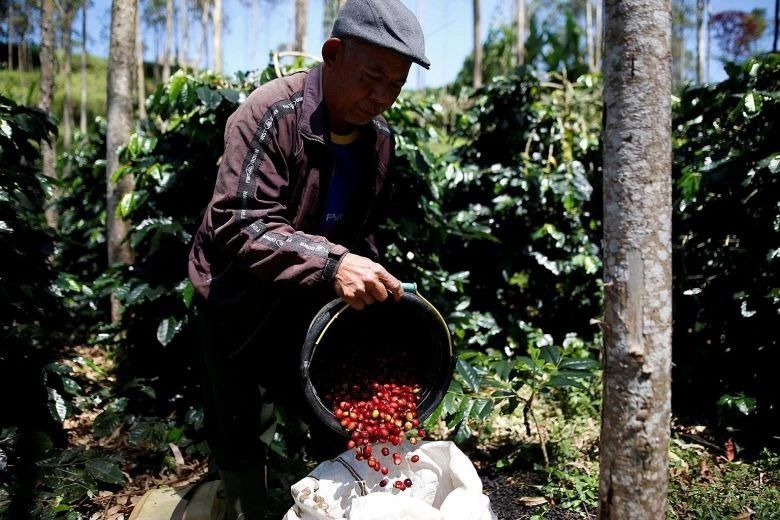
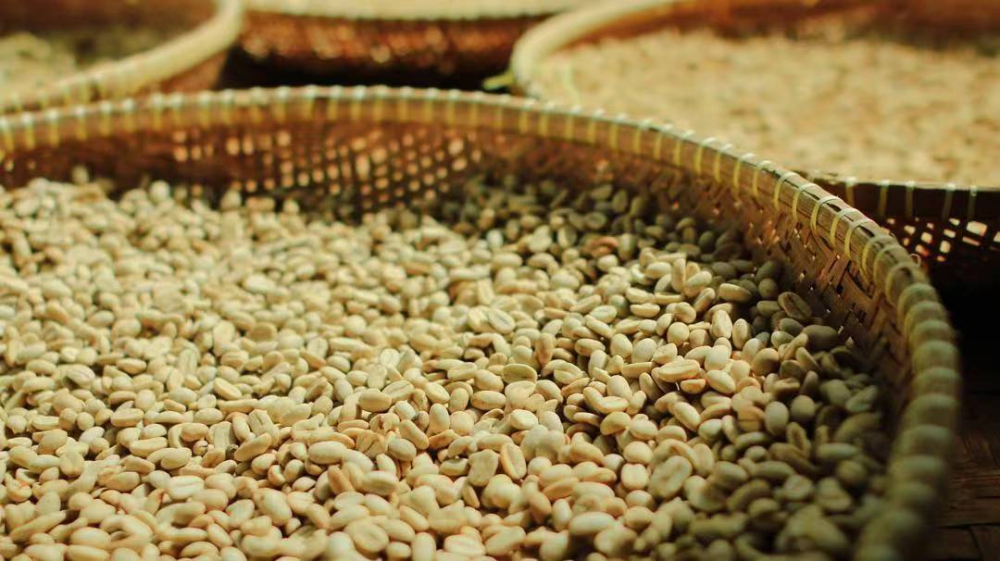
Sumatra has a tropical rainforest climate, which is humid and rainy year-round and often hit by typhoons. Coupled with limited drying equipment and freshwater resources, traditional washed methods and long sun-drying processes are difficult to implement. As a result, local coffee farmers developed the “wet-hulling” method, which takes only about four days in total, significantly shortening fermentation and drying times. Though seemingly simple, this method imparts Mandheling coffee with intense herbal, spicy, and woody aromas, making it a key characteristic that sets it apart from coffees of other regions.
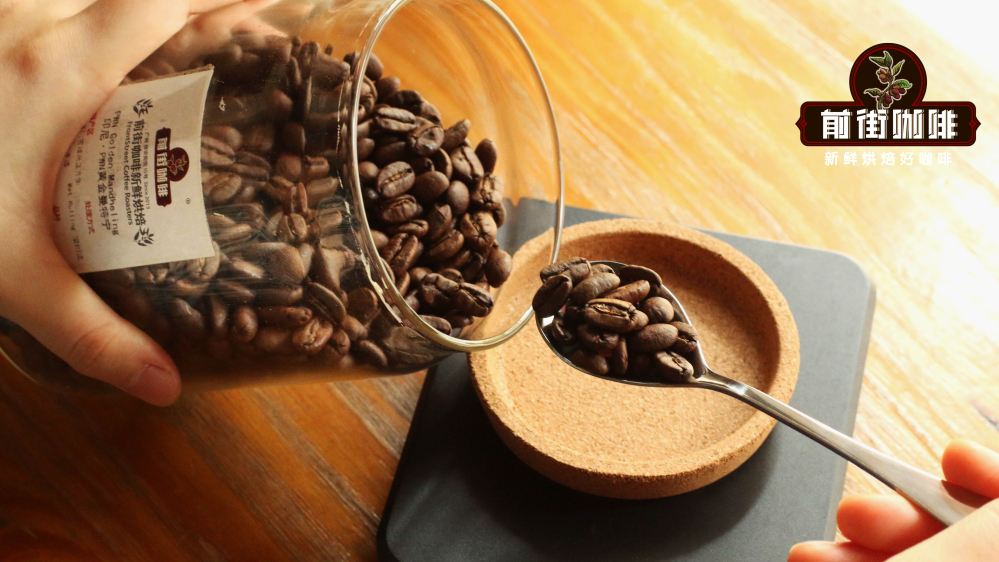
If you want to get a basic taste of Mandheling’s classic profile, it is recommended to choose beginner-grade G1 beans from the Lintong region of Sumatra. These beans are typically roasted to a deep level and processed using the wet-hulling method, then shipped within five days post-roast to maintain freshness. They showcase bold notes of caramel, nuts, spices, and dark chocolate. With a full body and low acidity, they are suitable for brewing via pour-over, moka pot, or clever dripper, and are also great as standard beans for beginners to practice with.
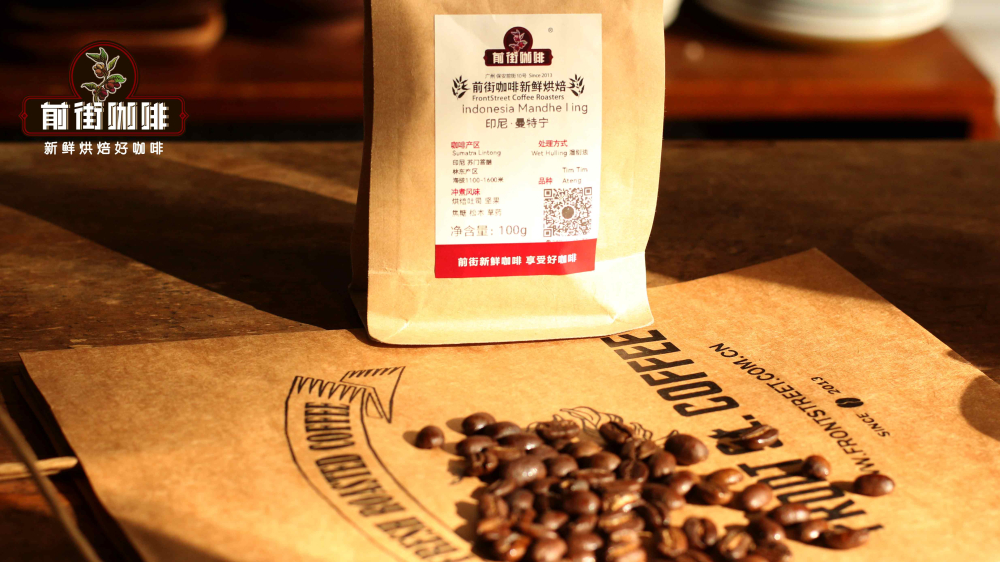
The Lintong region is located in the mountainous areas near Lake Toba in northern Sumatra. Lake Toba is a high-altitude freshwater lake, sitting at approximately 900 meters above sea level, not far north of the provincial capital Medan. Lintong Mandheling is made from Arabica coffee grown in this area and processed using the wet-hulling method, presenting rich herbal and earthy aromas. It is a classic representation of Southeast Asian-flavored coffee.
For those seeking higher quality, one cannot miss “Golden Mandheling.” This specialty-grade Mandheling is meticulously selected and produced by PWN, a well-known Indonesian trading company (full name: N.V. Pawani Medan company). PWN is renowned for its high standards in bean selection, rigorously controlling factors such as bean density, shape, color, and defect rate. Each batch undergoes one mechanical sorting and four rounds of hand-picking to ensure every bean is plump and nearly flawless, thereby reducing earthy and off-flavors and enhancing the overall purity of the flavor. Legend has it that these coffee beans exhibit a golden shimmer under sunlight, hence earning the name “Golden Mandheling.”
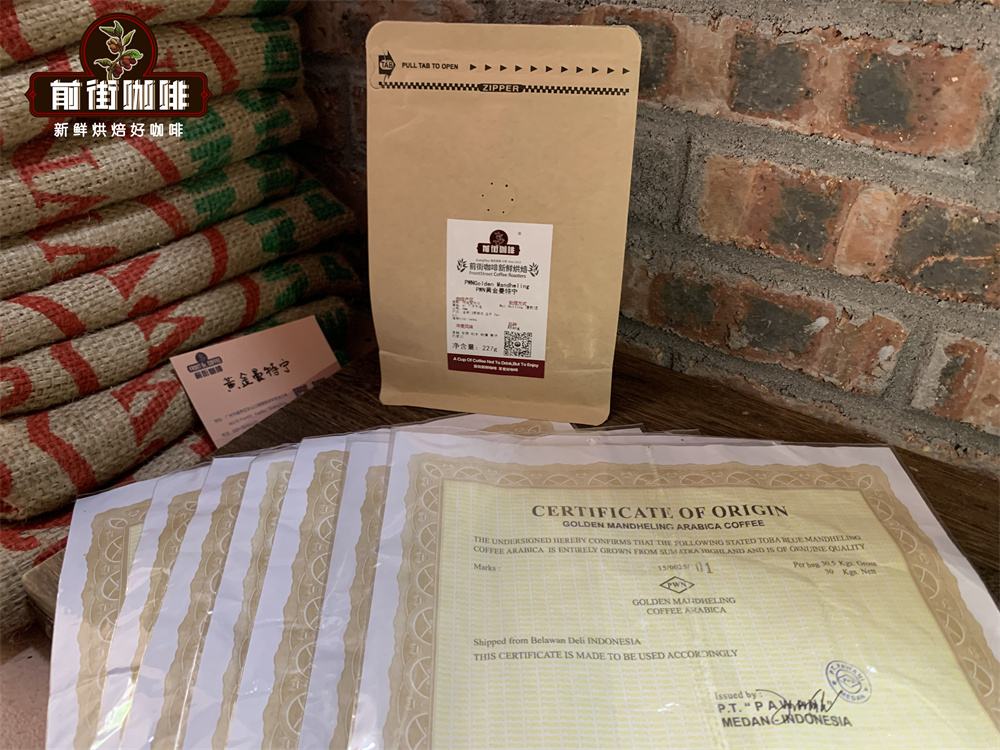
Freshly roasted Golden Mandheling, once ground, emits distinct notes of cedarwood, nuts, and herbs. During brewing, it releases sweet aromas of licorice and caramel. Upon tasting, it reveals layers of dark chocolate, cocoa, and spices, with a clean finish and a long-lasting aftertaste. Its high body and clear flavor profile make it suitable not just for pour-over, French press, and siphon brewing, but it can also be fully appreciated via drip bags. It is one of the top choices for those looking to explore the refined side of Mandheling.
The above content is compiled by CoffeeHunters, a coffee news website.


