







Introduction:The Mamba blend is a classic coffee combination made from Indonesian Mandheling and Brazilian Red Bourbon, offering a rich and balanced flavor profile. It’s a go-to choice for many baristas when crafting espresso. This article will delve into the origins of the Mamba blend, the characteristics of its beans, processing method differences, and flavor profile. We’ll also provide practical extraction tips and latte art applications to help you master the charm of this classic blend—from beginner to pro.
When it comes to classic espresso blends, the Mamba (Mamba) blend is definitely a standout. Composed of Indonesian Mandheling and Brazilian Red Bourbon, this blend is widely loved by coffee enthusiasts and professional baristas for its rich and balanced characteristics. How did the Mamba blend stand out among so many recipes? We’ll break down its appeal step by step—from bean origin and processing methods, to roast level and actual extraction.
The Terroir and Processing Characteristics of Mandheling
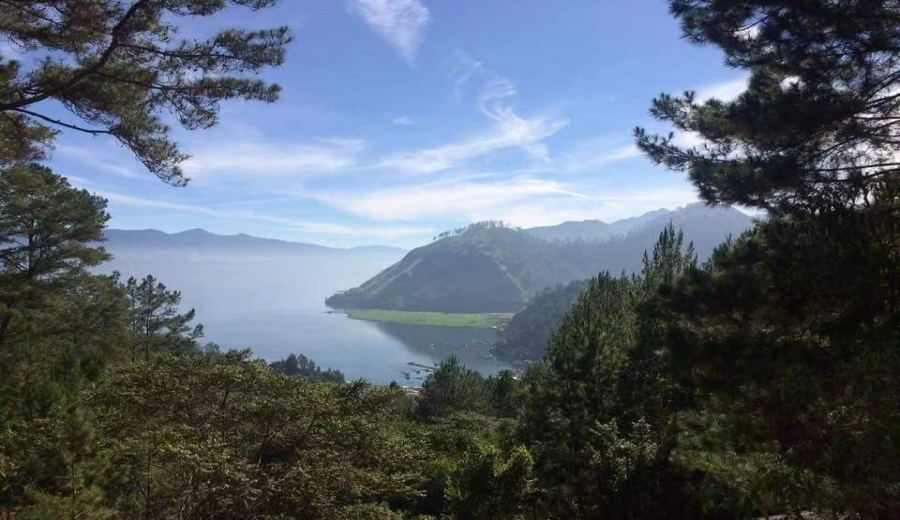
Indonesia is the world’s fourth-largest coffee producer, with an annual export volume of 300,000 tonnes, about 75,000 tonnes of which are Arabica, mostly grown by smallholder farmers on plots under one hectare. The reputation of Mandheling mainly comes from the island of Sumatra, especially around Lake Toba and Lake Tolitoli—known as the “Two Lakes, Two Mandhelings” producing area. TheLintong region is located south of Lake Toba and is another important source of Mandheling.
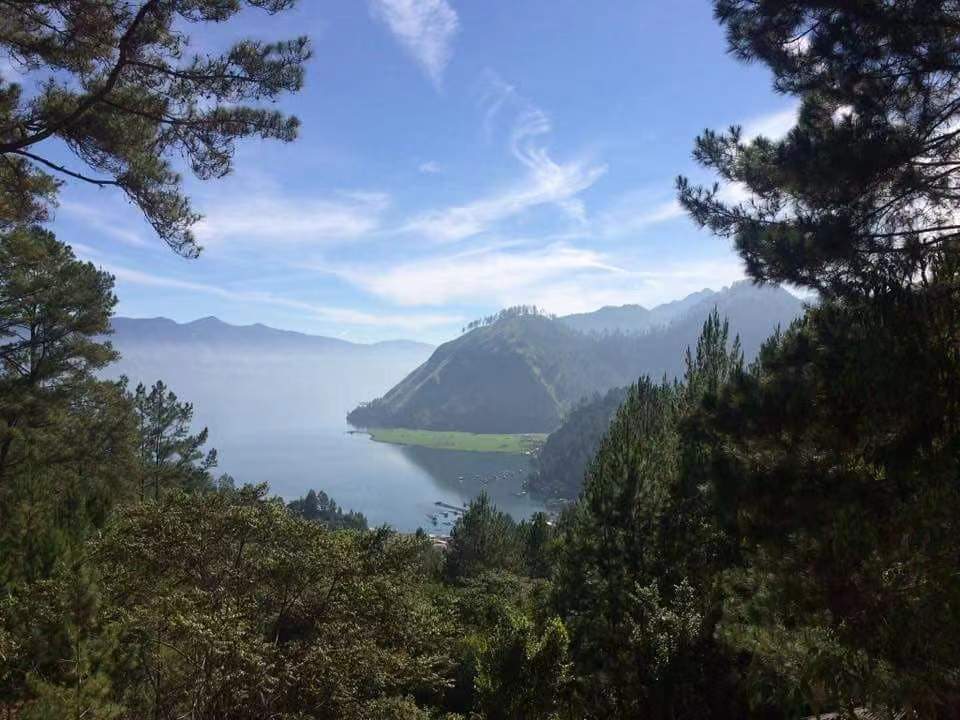
Lintong Mandheling is grown at high altitudes between 1000 and 1500 meters, surrounded by volcanoes and lakes. The soil is rich in volcanic ash and organic matter, and the tropical rainforest climate—with high humidity and rainfall year-round—creates the unique flavor foundation of Mandheling.
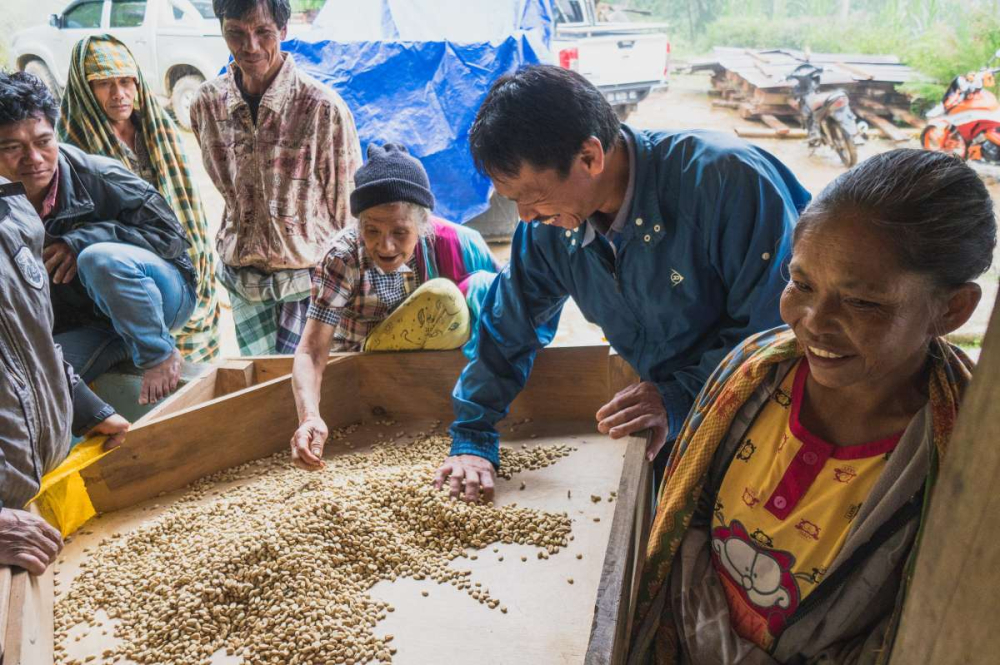
What gives Mandheling its bold, rich taste and distinctive character is its unique “wet-hulled” processing method. Adapted to Indonesia’s high-humidity environment, this method involves removing the parchment layer when the beans’ moisture content is around 20–24% after fermentation, then sun-drying them directly. Though this can cause the beans to develop hoof-like cracks on the surface, it speeds up the drying process and imparts Mandheling’s signature herbal, spicy, and dark chocolate-like flavor notes.
The Balanced Profile of Brazilian Red Bourbon
The other star—Brazilian Red Bourbon—comes from the hilly regions of South Minas, at altitudes between 700 and 1200 meters. Brazil primarily focuses on high-altitude cultivation. While not particularly known for acidity or complexity, its low acidity, nutty profile, and excellent body make it a stabilizing element in blends, often used to enhance overall smoothness and sweetness.
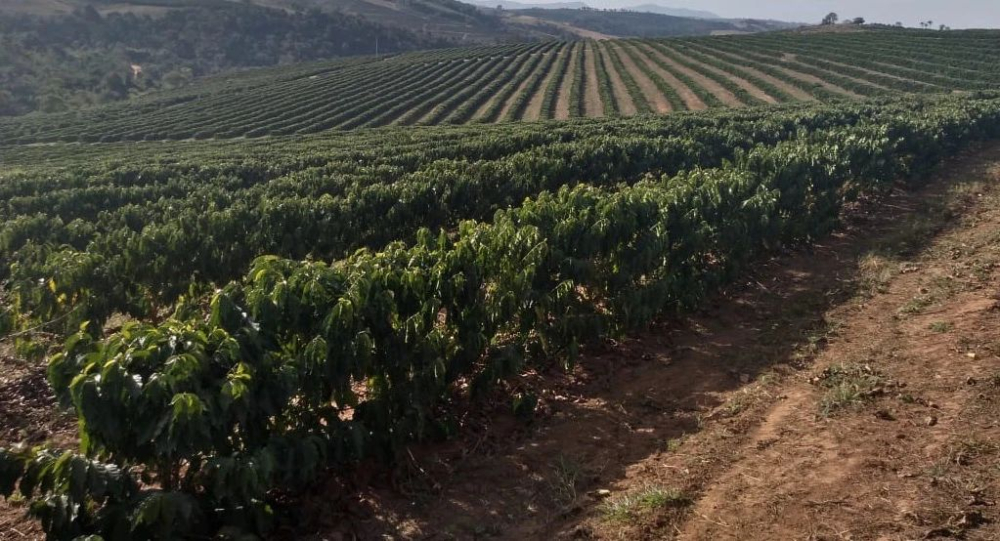
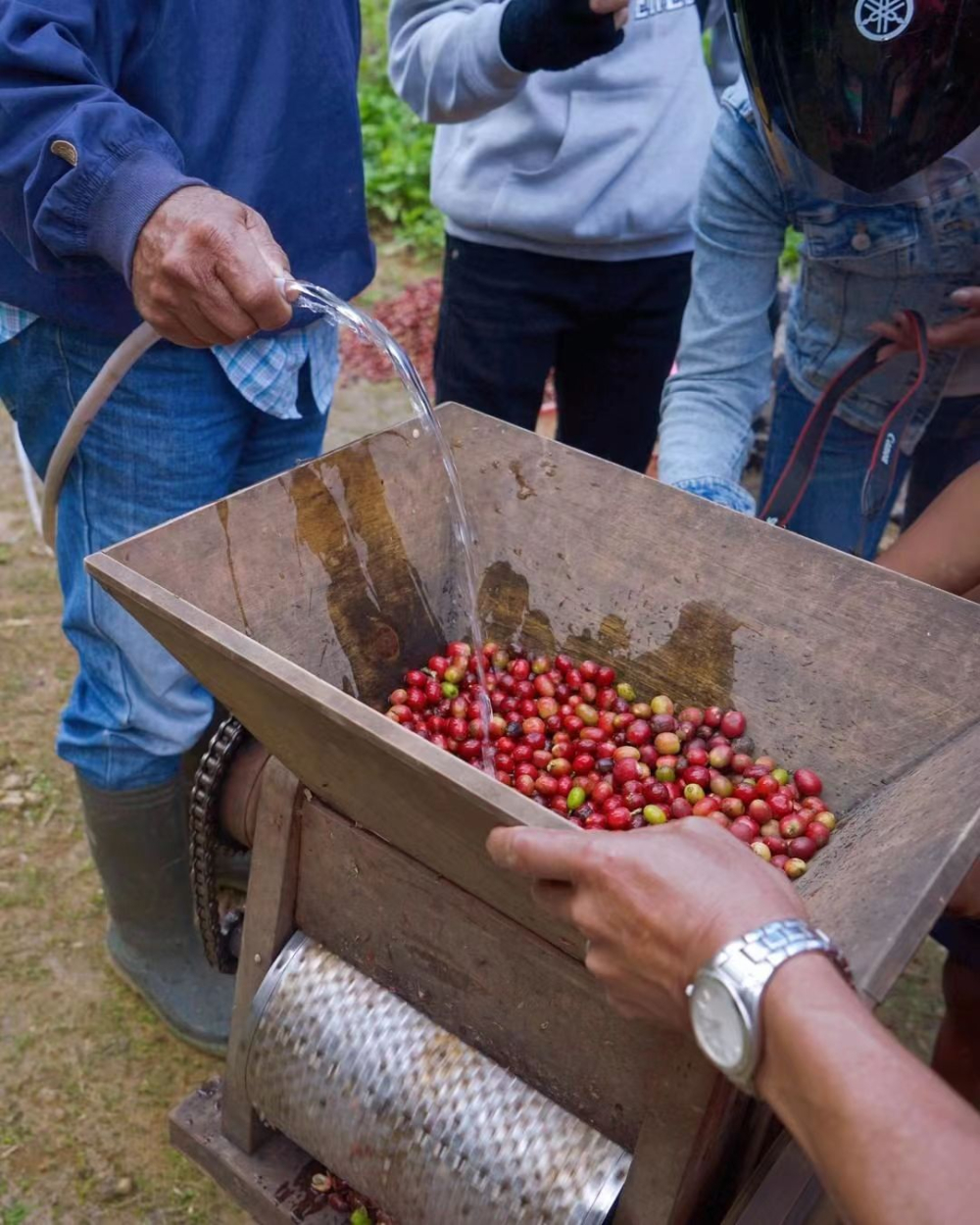
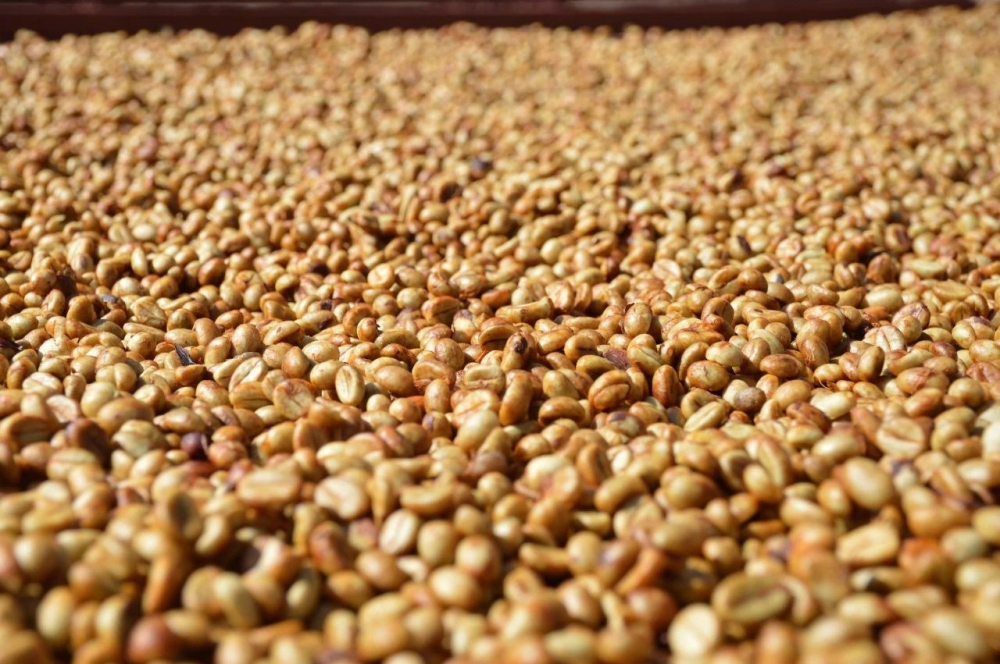
This Red Bourbon is processed using the pulped natural (semi-washed) method, where the fruit skin and pulp are removed along with some mucilage before sun-drying. This effectively reduces fermentation risks, especially advantageous during unstable weather seasons. Its flavor profile highlights sweetness, cleanliness, and a smooth mouthfeel, with low acidity—making it a perfect complement to Mandheling.
The Composition and Roasting Strategy of the Mamba Blend
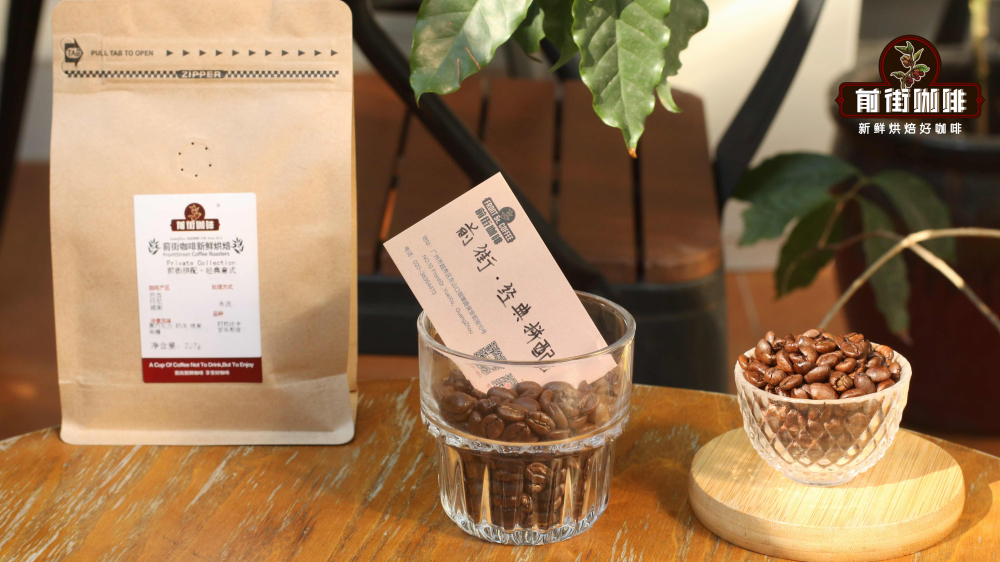
A classic Mamba blend typically combines medium-dark roasted Lintong Mandheling and Brazilian Red Bourbon in a 1:1 ratio, sometimes with a small amount of Robusta added to boost crema and intensity. This blending strategy brings out cocoa, dark chocolate, and caramel notes on a rich foundation, while maintaining a good balance of sweetness.
Practical Extraction Tips and Parameter Settings
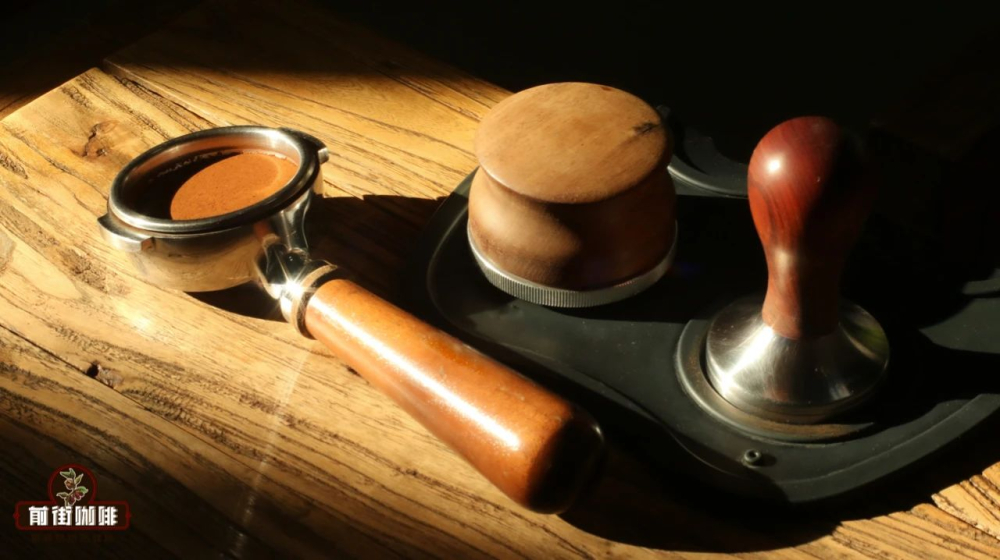
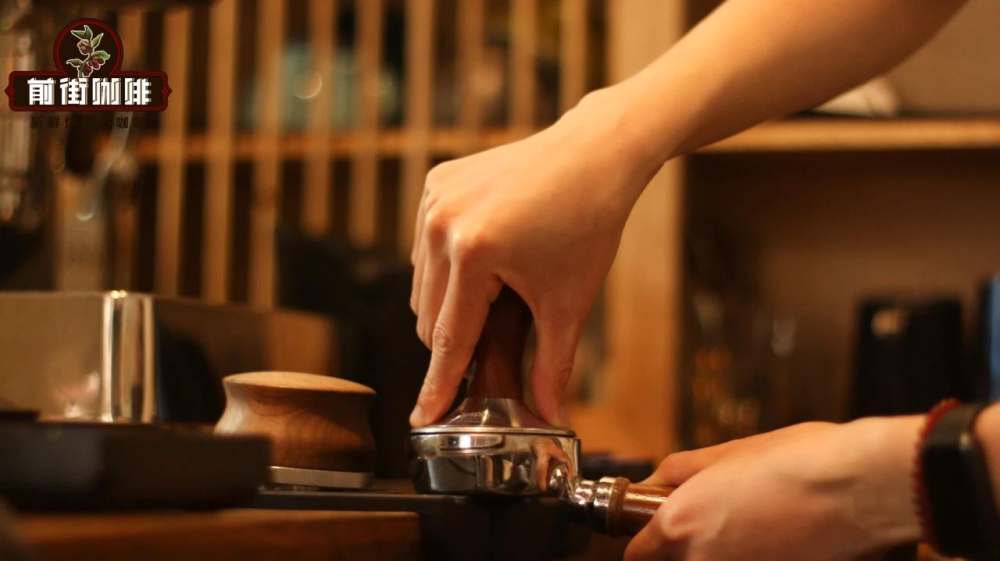
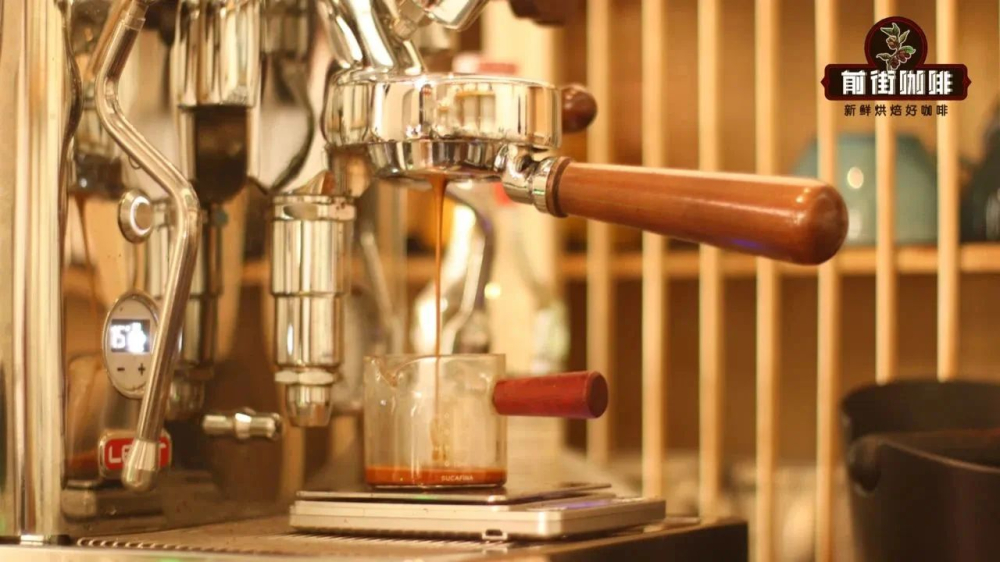
For users making espresso with the Mamba blend, it is recommended to use about 20 grams of coffee, extracting 40 grams of liquid at a 1:2 brew ratio, with an extraction time controlled between 26–32 seconds. Grind size can be referenced to the Galileo 2.0 setting, but specific adjustments should be made according to your grinder. Ensure the coffee puck is evenly tamped and compact to avoid channeling that could affect extraction consistency.
Before starting the extraction, it’s advised to pre-wet the coffee bed for 1–2 seconds to moisten the grounds and remove any residual coffee dust. This helps stabilize the initial flow rate. During extraction, observe changes in liquid color and flow rate, and fine-tune grind size or coffee dose as needed to achieve the best flavor outcome.
Extended Application: Techniques for Making Mamba Latte
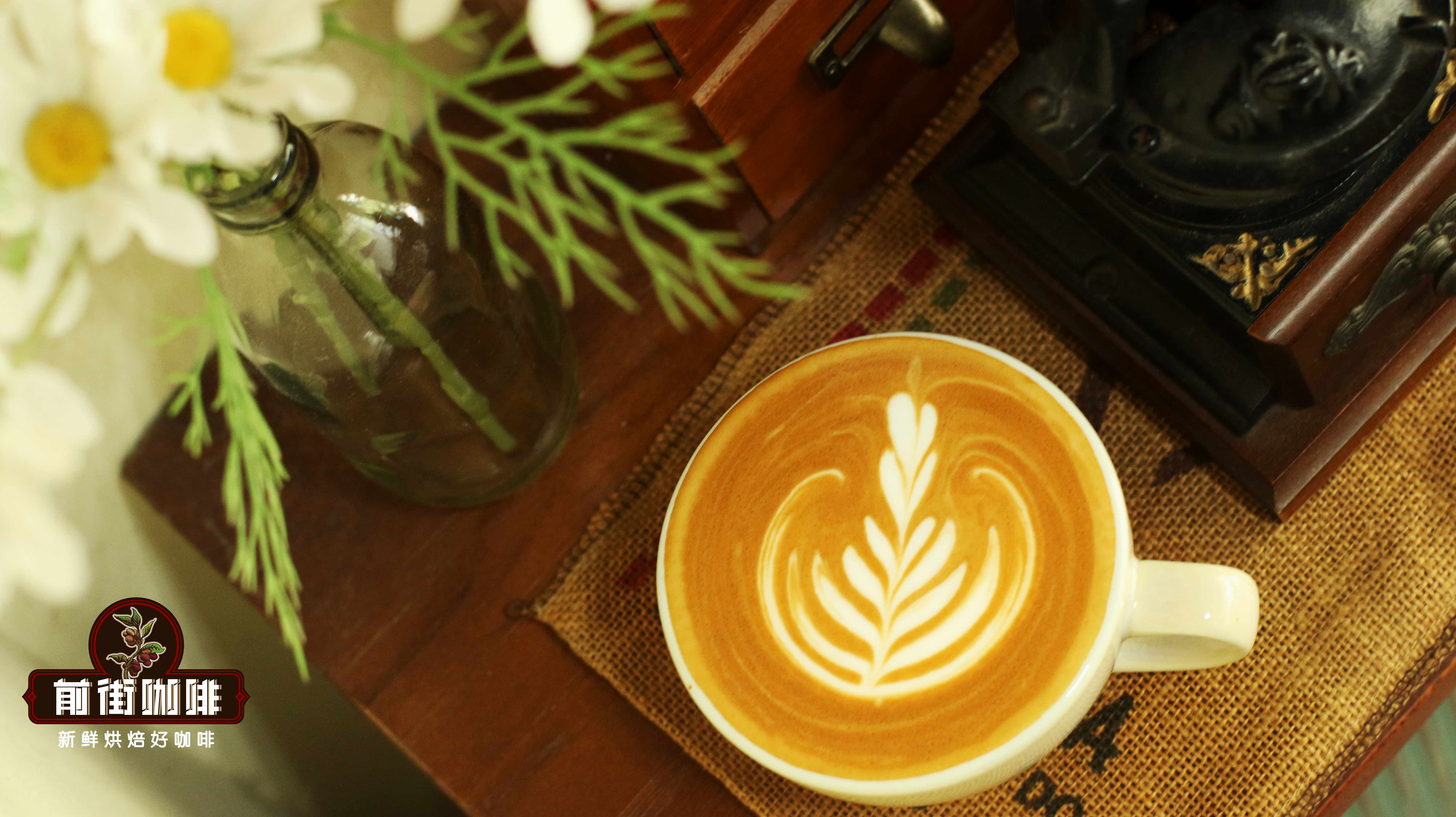
Blending Mamba blend espresso with freshly steamed milk is a great way to showcase its layered flavors. Using a double shot of espresso (about 40 grams) as the base, combined with 240 milliliters of warm fresh milk and about 0.5 centimeter thick milk foam, you can create a smooth and rich Mamba latte. The drink delivers prominent chocolate and caramel aromas with a lingering sweet finish—ideal for coffee lovers who enjoy balanced flavors with complexity.
Note: Freshness Is Key
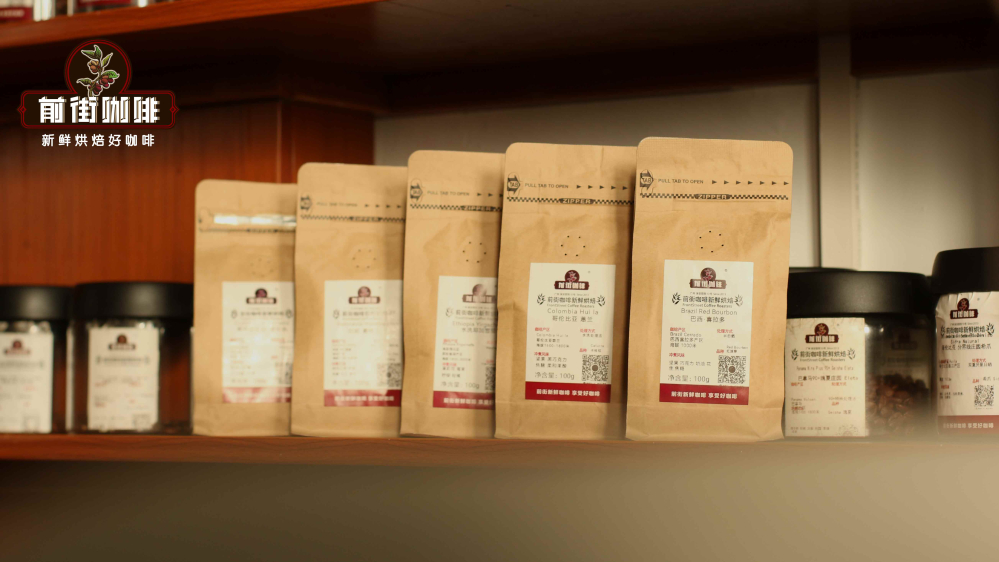
Whether it’s the Mamba blend or any other, using freshly roasted coffee beans is crucial. After roasting, beans continue to release carbon dioxide, and their aroma and flavor typically begin to noticeably decline after about 50 days. For the best extraction experience, choose beans roasted within 7–21 days.
The above content is compiled by CoffeeHunters, a coffee news website.

