







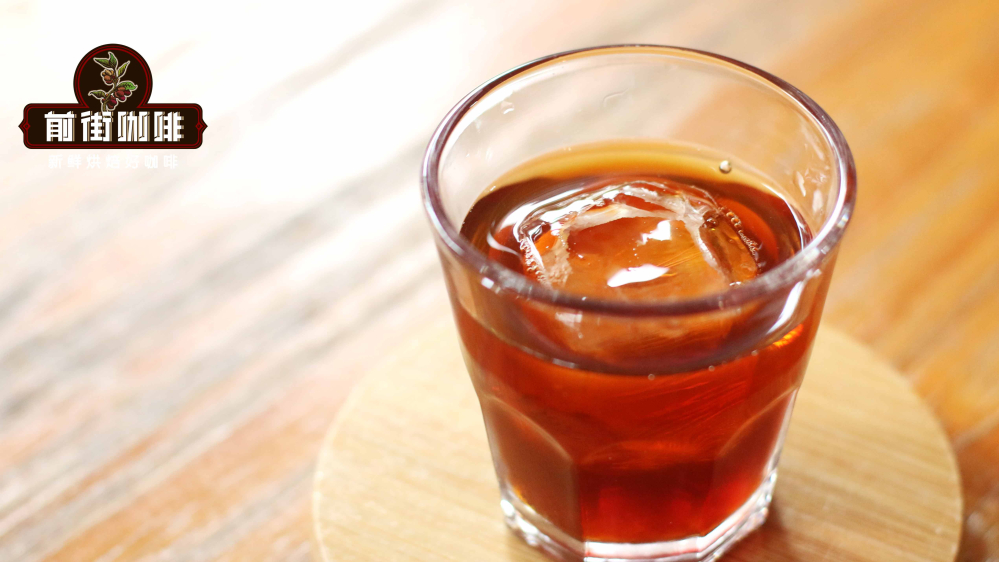
Introduction:Cold brew coffee has become a favorite among many coffee enthusiasts in recent years due to its uniquely refreshing taste and low acidity. But do you know the differences between cold brew and regular hot extraction, ice pour over, or ice drip? This article delves into the history, flavor characteristics of cold brew coffee, compares it with other brewing methods, and provides practical brewing tips so you can learn how to make an excellent-tasting cold brew at home.
The Origins and Characteristics of Cold Brew Coffee
Cold brew coffee is a low-temperature extraction method that involves steeping coffee grounds in cold water for an extended period. The prolonged brewing time allows the aromatic compounds in coffee to be slowly released, resulting in a smoother and less stimulating coffee beverage. Unlike hot water extraction, cold brew avoids high temperatures, which significantly reduces the extraction of tannins and acids, leading to a more velvety, sweet profile with subtle fruity notes.
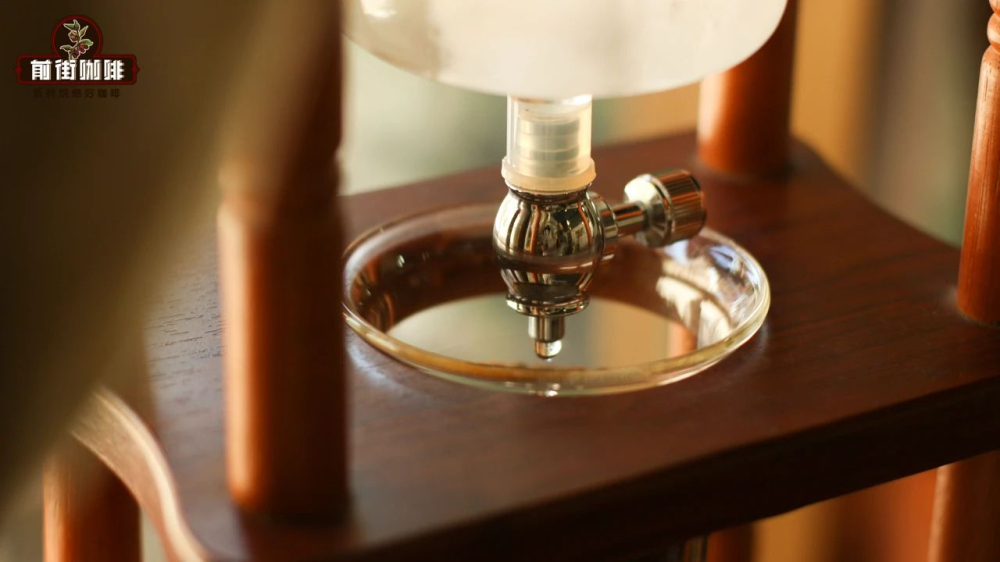
In coffee shops, ice drip coffee and cold steeped (also called cold brewed) coffee are both commonly seen forms of what broadly falls under cold brew. Although they differ in equipment and extraction details, consumers often refer to these various types of cold water-soaked coffee simply as "cold brew coffee."
The Historical Background of Cold Brew Coffee
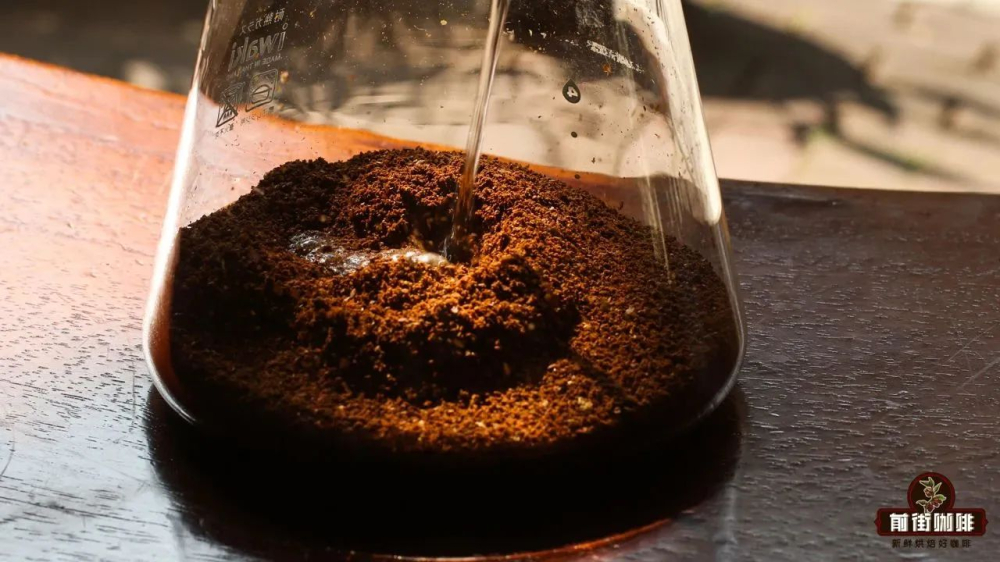
The history of cold brew coffee dates back to 16th-century Europe, where Dutch merchant ships, unable to access hot water during long voyages, experimented with steeping coffee grounds in cold water. To their surprise, this method produced a coffee that was smooth and palatable, lacking the sharp acidity and intense bitterness often found in hot-brewed coffee. As trade routes expanded, this technique spread, and later Japan developed the refined art of ice drip extraction using siphon-style ice drip pots, further enriching the variety of cold brew expressions.
Comparison Between Cold Brew and Pour Over Coffee
Pour over coffee typically uses near-boiling hot water (recommended temperature around 87–93°C), extracting the coffee's acidic, sweet, and bitter components quickly through high temperatures. It emphasizes precise pouring techniques, grind size, and extraction time control. In contrast, cold brew relies on cold water and low-temperature extraction, where the overall reaction is slower—often requiring more than 12 hours of steeping, or even longer, to accumulate sufficient flavor compounds.
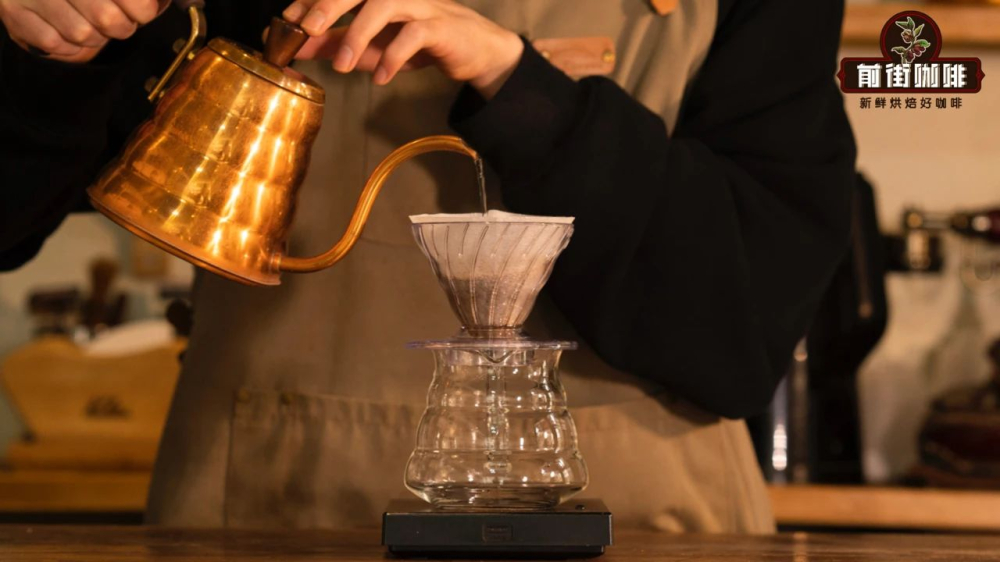
During pour over, the release of coffee flavors generally follows a sequence: small molecular fruit acids are extracted first, followed by sweet substances, and finally the larger molecular compounds that contribute to bitterness. Cold brew, however, due to the consistently low temperature, extracts bitter compounds much less efficiently, often resulting in a rounder, fuller body and a gentler acid-sweet balance.
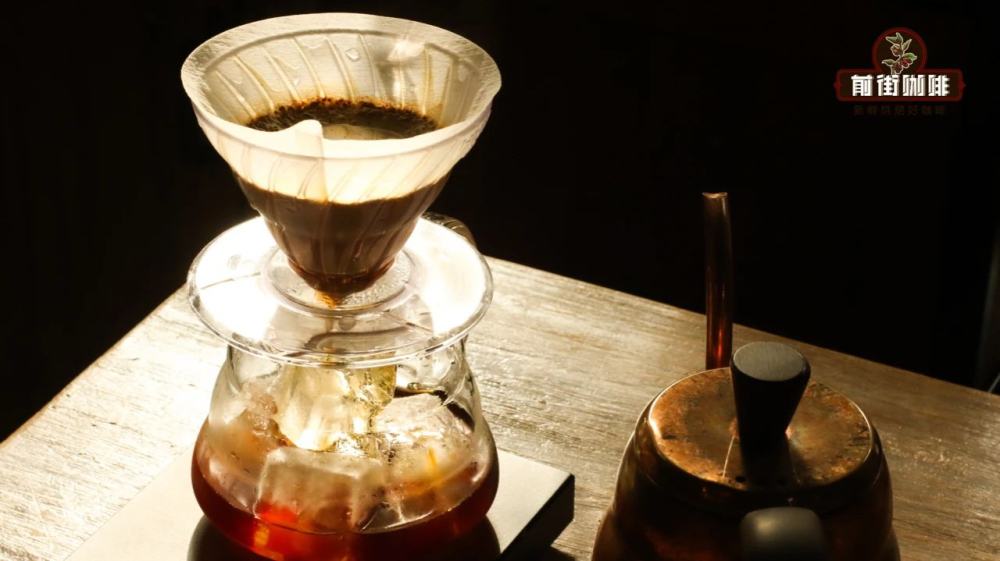
If compared to ice pour over, although both ultimately yield chilled beverages, ice pour over still involves hot water extraction at high temperatures, followed by cooling with ice; whereas cold brew is a slow, low-temperature process throughout. Consequently, the flavor profiles naturally differ. It’s recommended to try both yourself or consult with a professional barista to discover which type suits your taste best.
Brewing Suggestions and Key Parameters for Cold Brew Coffee
To make a delicious cup of cold brew at home, you don’t need expensive equipment—just fresh coffee beans, a grinder, and an airtight container. However, to achieve ideal flavor, the following details are worth paying attention to:
1. Choose Freshly Roasted Coffee Beans
Coffee beans enter their optimal flavor window about 4 to 7 days after roasting. It’s recommended to select beans within this period to get the richest aroma and complexity. Coffee beans suitable for cold brew usually have pronounced floral-fruity notes, wine-like aromas, or tea-like fruitiness, which complement the characteristics of low-temperature extraction.
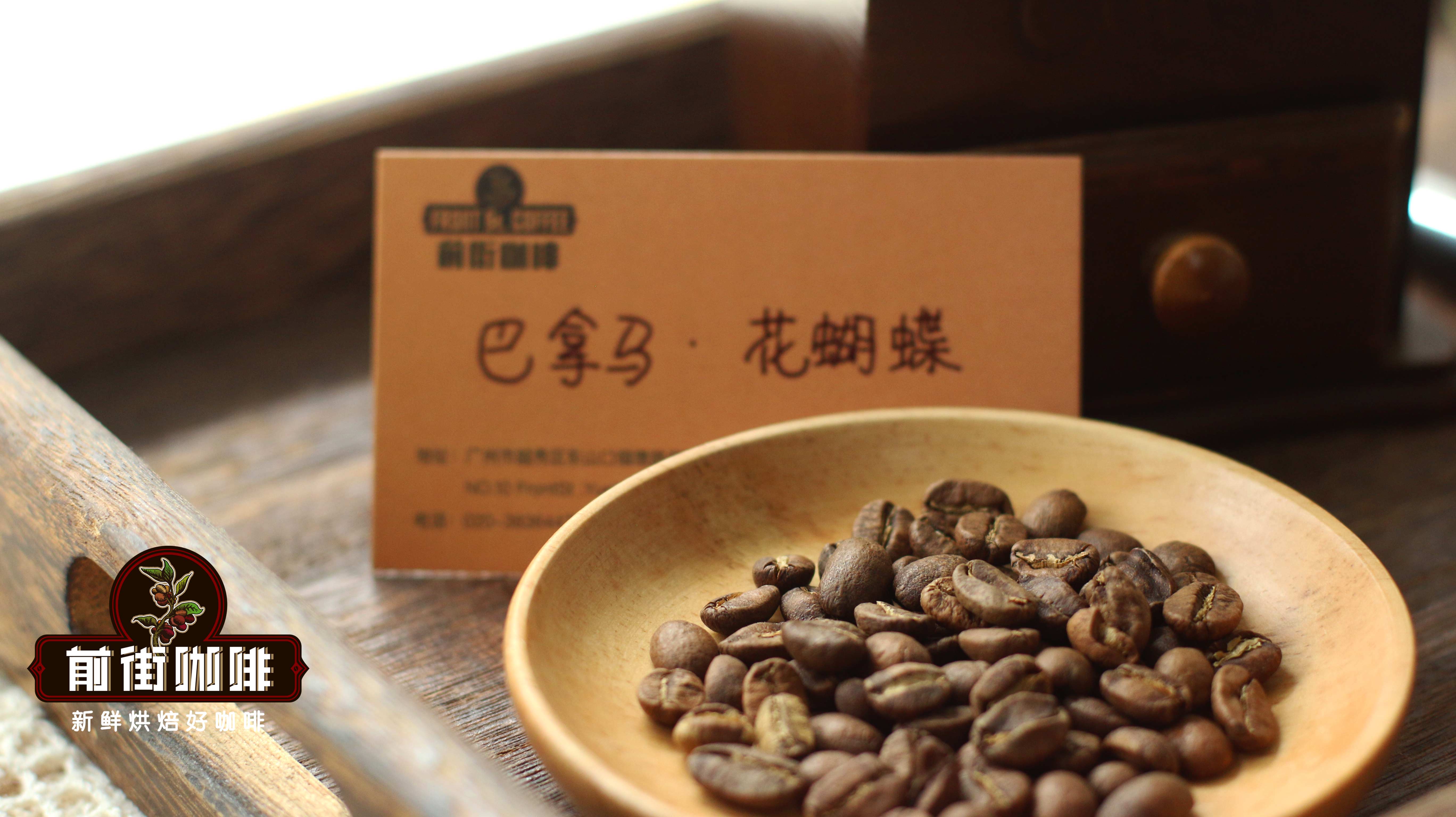
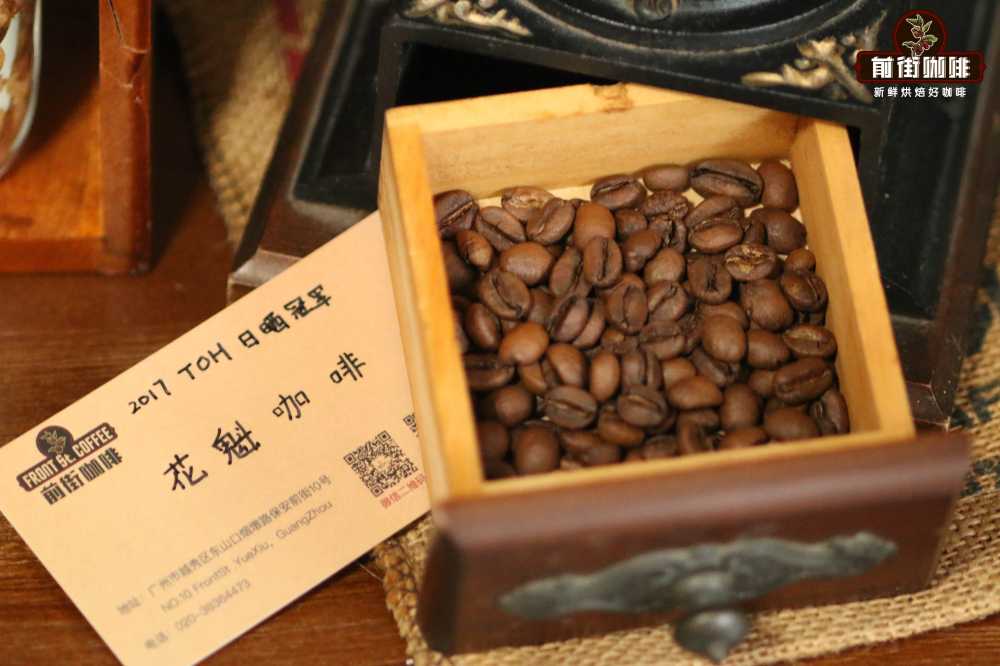
For example, Panama Geisha from volcanic soil, with its washed process highlighting clear citrus and white floral notes; or Honduran Sherry coffee fermented in whiskey barrels, offering rich wine aromas and honey sweetness; or even a natural-process Hua Kui with lively berry tones and black tea undertones—all are excellent choices for cold brew preparation.
2. Grind Size and Coffee-to-Water Ratio
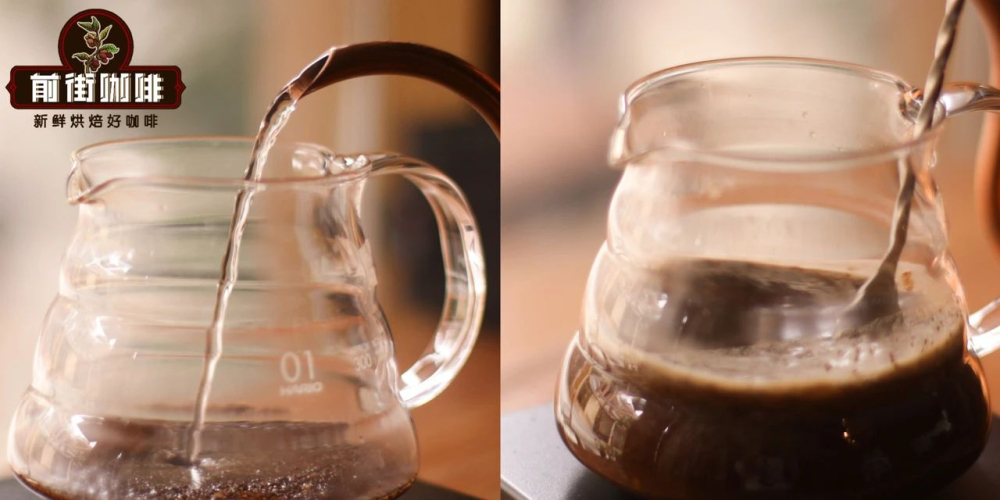
The grind size for cold brew is recommended to be slightly finer than that for pour over, aiming for about 85% passing through a #20 sieve, to allow sufficient contact between water and coffee grounds. For the coffee-to-water ratio, a general recommendation is 1:10 to 1:12, meaning 10–12 milliliters of water per 1 gram of coffee, adjustable slightly based on personal taste.
3. Steeping Time and Storage Method
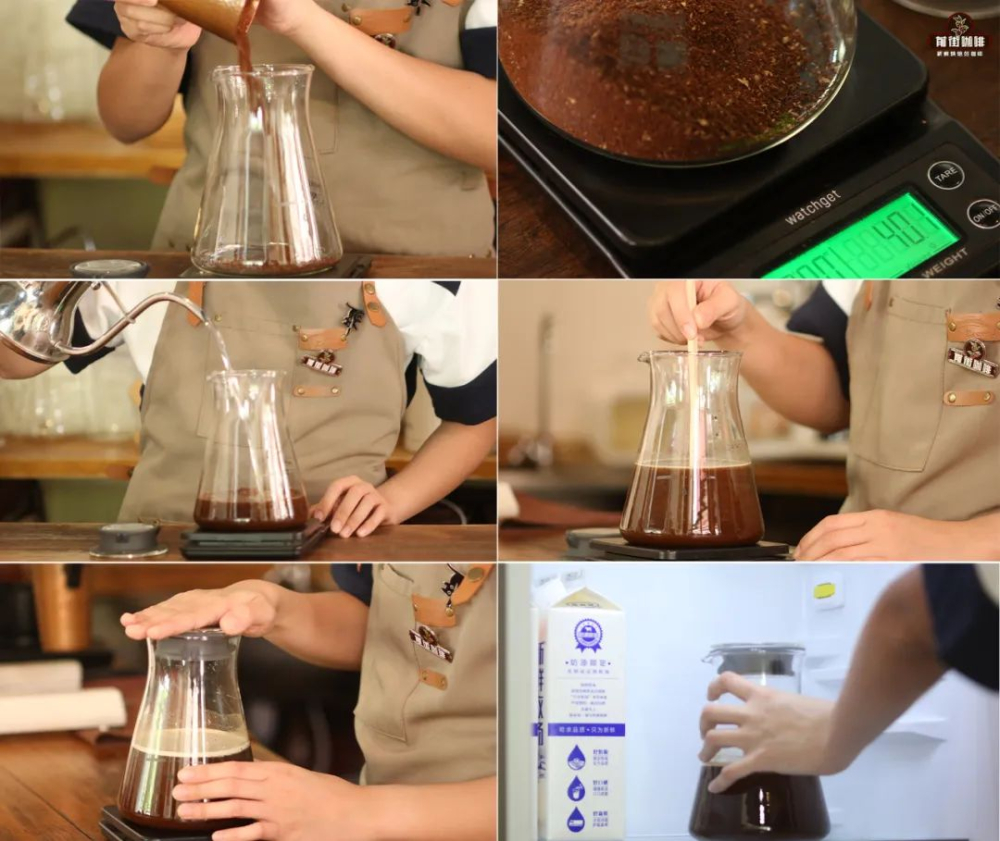
Standard cold brew is recommended to steep for 12–14 hours—you can prepare it the night before and filter it the next morning for immediate drinking. Overly long steeping times (e.g., exceeding 24 hours) may lead to over-extraction, causing unpleasant bitter or astringent off-flavors. Additionally, store in a sealed container to prevent refrigerator odors from affecting the coffee’s flavor.
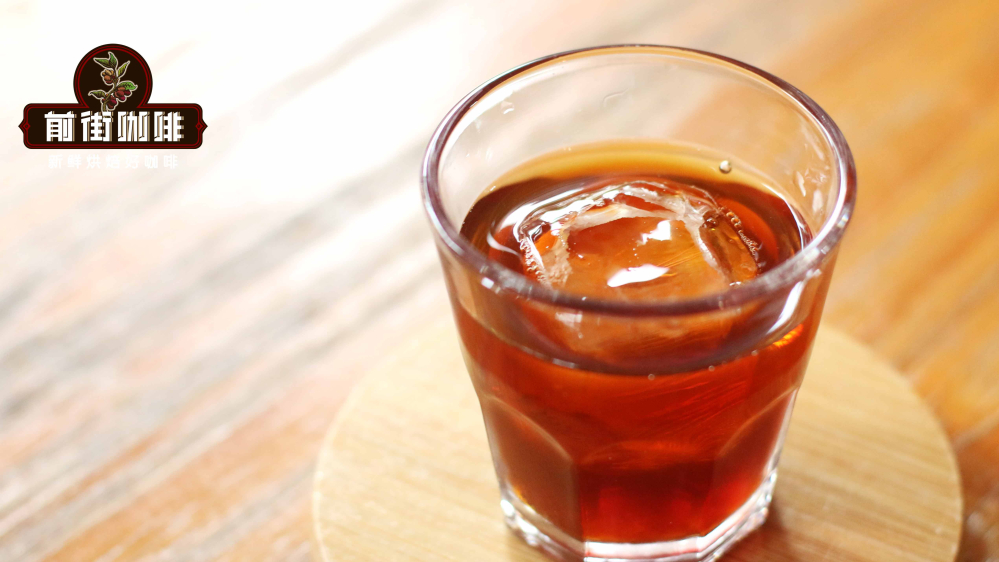
If you wish to adjust the strength, you can also dilute the coffee liquid with ice cubes for enjoyment, and the flavor will remain excellent.
Conclusion
With its unique extraction method and refreshing, low-acid character, cold brew coffee offers coffee lovers an alternative to traditional hot brewing. Whether you prefer fruity freshness, rich wine notes, or sweet tea-like flavors, as long as you master bean selection, grind size, and steeping conditions, you can easily enjoy a customized cup of cold brew at home.
The above content is compiled by CoffeeHunters, a coffee news website.


