







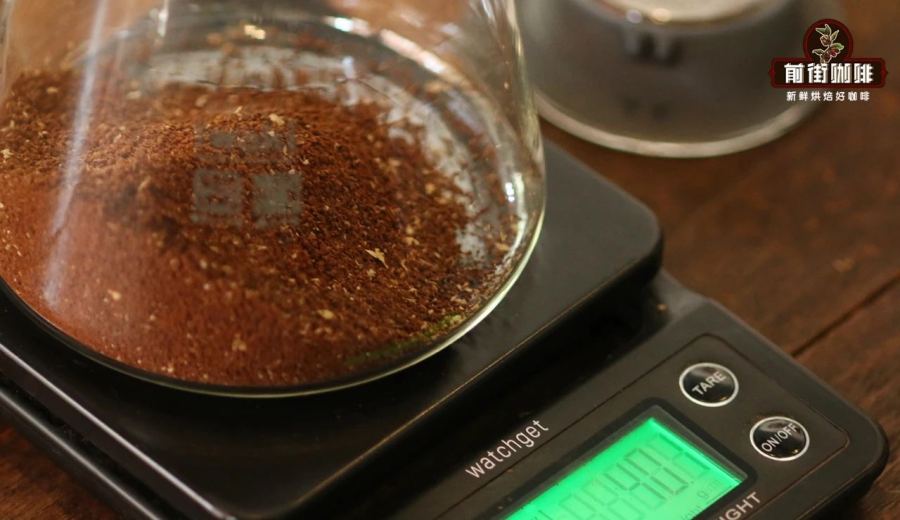
Introduction:Cold brew coffee, known for its refreshing, smooth taste, low acidity, and rich body, has become a popular summer beverage. But do you know how long it should be brewed? What’s the ideal coffee-to-water ratio? Is longer brewing always better? This article dives deep into the key extraction parameters of cold brew, including optimal steeping time, suitable coffee bean conditions, grind size, coffee-to-water ratio, filtration details, and offers practical storage tips to help you craft a balanced, aromatic cup of cold brew coffee at home.
Many assume that making cold brew simply involves soaking ground coffee in cold water—but in reality, there are many finer details worth paying attention to if you want to achieve a well-balanced, silky cold coffee. With the right method, you can easily make café-quality cold brew at home. This guide starts with the basics of cold brew and walks you through each crucial factor that influences flavor.
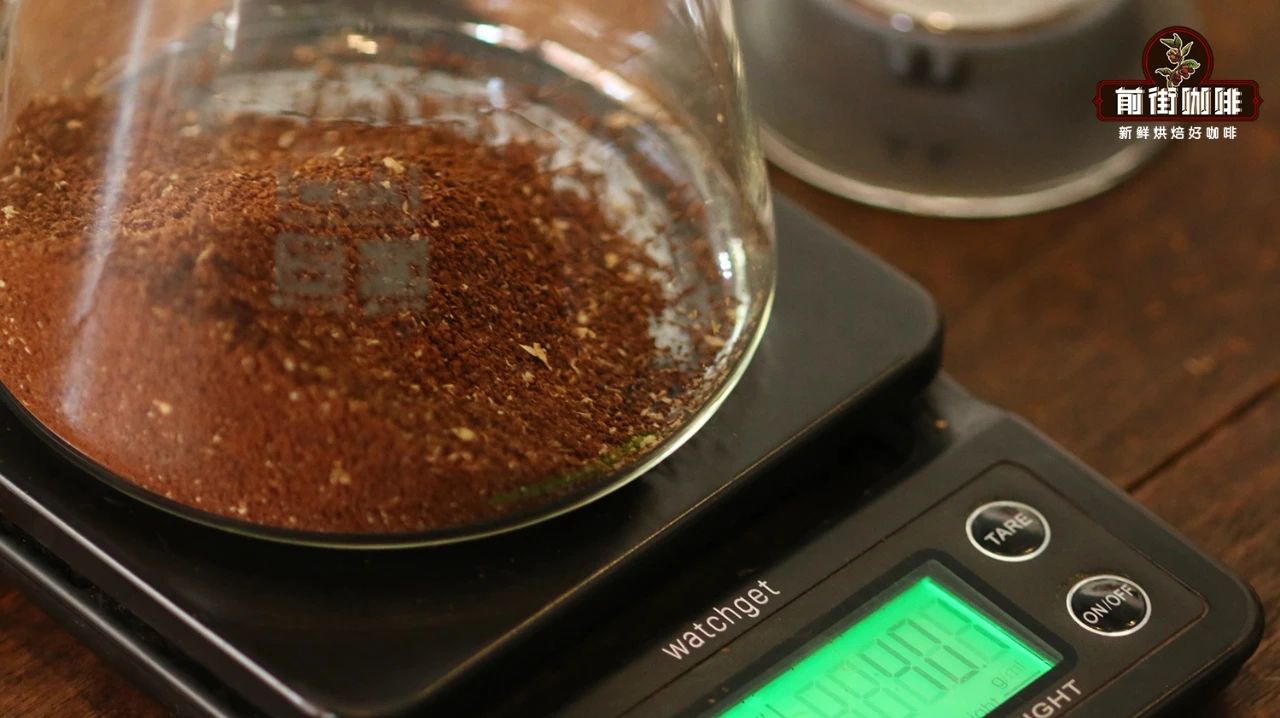
Cold brew refers to the process of steeping coffee grounds in room temperature or chilled water over several hours in a low-temperature environment. The resulting coffee is then filtered to remove the grounds, yielding a smooth, low-acid brew. All you need are coffee beans, a clean airtight container, and a refrigerator—you can enjoy DIY cold brew without any expensive equipment.
Compared to hot water brewing, cold brew is much more forgiving when it comes to various variables. Whether it’s the choice of coffee beans, the container used, coffee-to-water ratio, grind size, or even steeping time, there's a wider margin for adjustment. As long as you avoid extreme conditions, you can usually produce satisfying iced coffee.
Recommended steeping time: 8 to 18 hours is the sweet spot
Since cold brew doesn’t use hot water, the extraction process is slower, requiring more time to release aromatic compounds and sweet components such as sugars and organic acids from the coffee. It’s generally recommended to keep the steeping time within8 to 18 hours. Too short, and the extraction may be underdeveloped, resulting in weak flavor; too long, and over-extraction can occur, leading to bitterness.

Practical test data shows that when the same coffee is steeped for 6, 10, 16, and 24 hours,the 10-hour and 16-hourresults perform the best, with rich, layered flavors. The 6-hour sample tastes thin with muted aroma, while the 24-hour sample clearly exhibits over-extracted bitterness and an unbalanced mouthfeel.
Choose coffee beans with appropriate roast level: recommend using beans roasted over 10 days ago
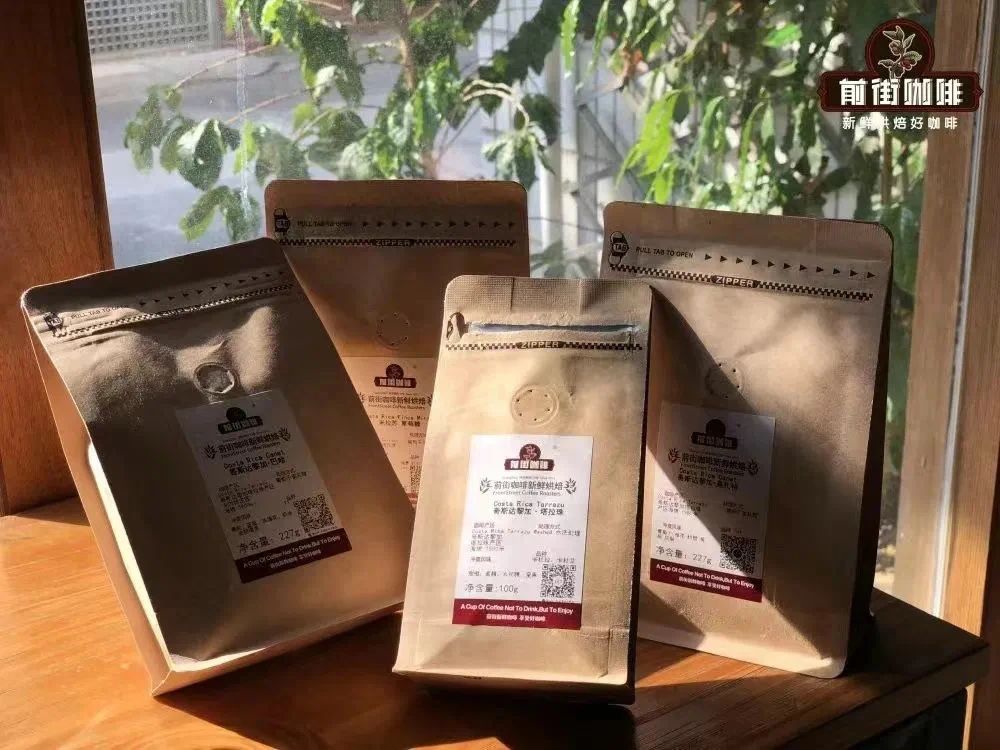
In hot brewing, freshly roasted coffee beans are often preferred because they’re rich in carbon dioxide, which helps release aromas. However, in the cold brew environment, low temperatures suppress gas release, and overly fresh beans may result in dull, less vibrant flavors. Therefore, it’s recommended to usecoffee beans roasted more than 10 days ago—by this time, internal gases have been moderately released, helping to bring out a more nuanced aroma.
Stir thoroughly before and after extraction to improve extraction consistency
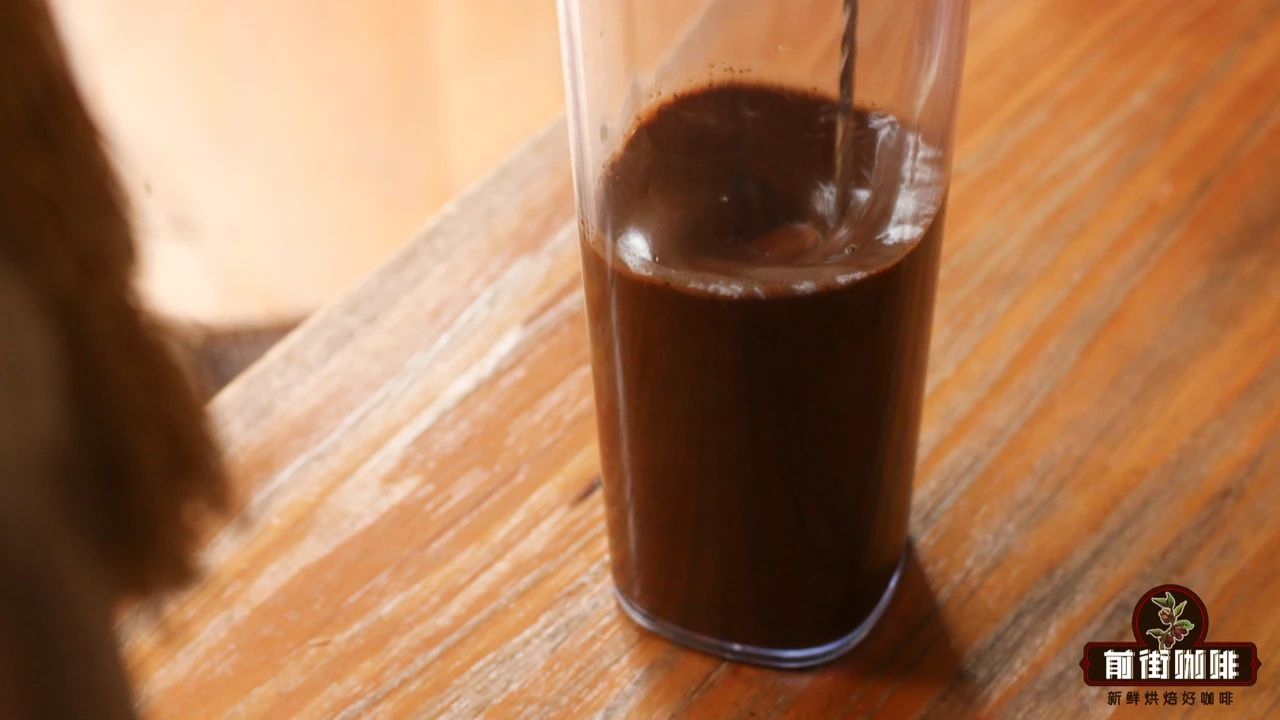
Many beginners, when making cold brew, pour water in and immediately put it in the fridge. This can lead to uneven distribution of coffee grounds, leaving some areas untouched by water and affecting overall extraction. Moreover, after long periods of sitting, coffee grounds often settle at the bottom. Filtering without stirring may only extract the lighter, upper layer of liquid.
It’s recommended to stir gently with a stirring stick or long spoon after adding water to ensure all the coffee grounds are in contact with the water. If using a sealed water bottle, you can cap it and gently shake it up and down. After brewing, stirring again before filtering can also help achieve a more balanced flavor.
Filter out coffee grounds to enhance taste clarity
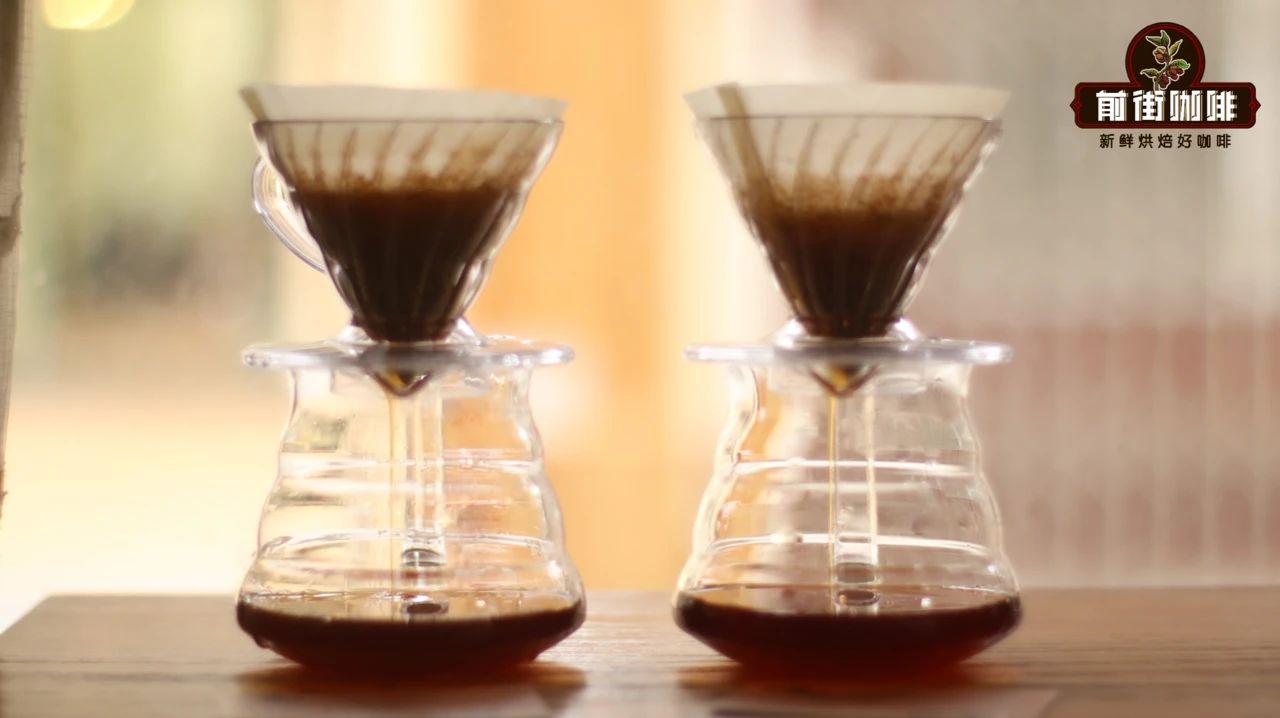
The filtration step greatly impacts the final mouthfeel of your cold brew. Common filtration tools include built-in filters in cold brew makers, metal filters, paper filters, and flannel cloths. The pore size of different filter materials determines how much fine sediment and oils are blocked. For example, a typical cold brew maker’s filter has a mesh size of about 245, which can filter out most particles but may still allow very fine grounds to pass through, resulting in a slightly rough texture or sediment at the bottom of the cup.
To achieve a smoother drinking experience, you can perform a second filtration using high-density paper filters to effectively remove fine particles and excess oils—this can block roughly80% or moreof oil content. After filtration, it’s advised to let the coffee sit in the refrigerator for3 to 4 hoursto allow the flavors to settle and integrate further, resulting in a cleaner taste with brighter acidity.
Do you need to refrigerate cold brew after brewing?
Many shops refrigerate the coffee for3 to 4 hoursafter filtering before selling it. This helps stabilize and mature the flavors. While home refrigerators may seem clean, microscopic contaminants can still be present. Be sure containers are thoroughly cleaned and well-sealed before use. Cold storage not only inhibits bacterial growth but also allows flavor compounds to ferment slowly, contributing to a richer mouthfeel.
How many days can cold brew be stored in the fridge?
Even in a cold environment, cold brew continues to ferment slowly. While refrigeration slows spoilage, over time, flavor compounds will still change and may eventually lead to spoilage. Each time you open the container also exposes the coffee to air, accelerating aroma loss and increasing bacterial contamination risks. Considering both flavor and hygiene, it’s recommended to consume homemade cold brew within5 days of brewingfor the best drinking experience.
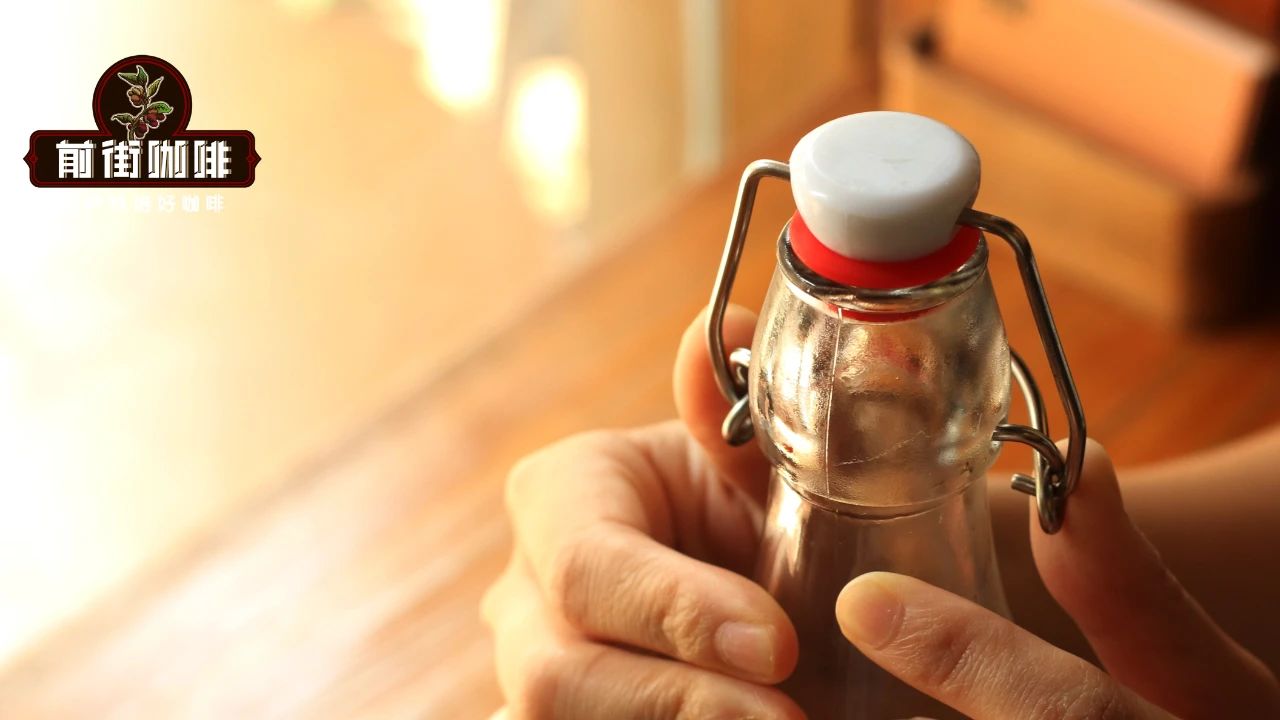
When storing, pour the coffee into a clean, airtight glass container, keeping it away from direct sunlight and temperature fluctuations to preserve its fresh flavor. If you notice any off smells, discoloration, or a significant increase in sediment, it’s best to stop drinking it.
The above content is compiled by CoffeeHunters, a coffee news website.


