







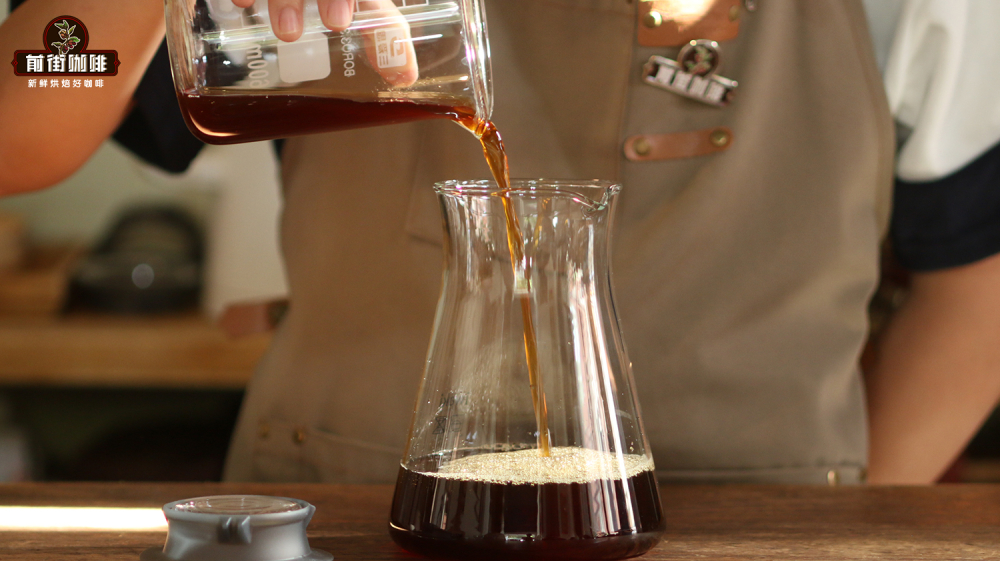
Introduction:Cold brew coffee, with its refreshing and richly smooth flavor, has become the top choice for coffee lovers in the summer. This article takes an in-depth look at the differences between cold brew and cold drip, explaining the principles of low-temperature extraction, the characteristics of suitable coffee beans, and detailing grind-to-water ratios, steeping times, and flavor profiles. From beginner basics to advanced adjustments, it provides practical parameters and tips to help you easily make professional-grade cold brew coffee at home.
Whenever summer arrives, cold brew coffee becomes a hot topic among many coffee enthusiasts. This type of coffee, made by steeping coffee grounds in cold or ice water over a long period of time, has gradually gained popularity in the coffee community due to its simplicity and unique flavor. What exactly is cold brew coffee? How is it different from regular iced coffee? Let’s explore this beloved brewing method together.
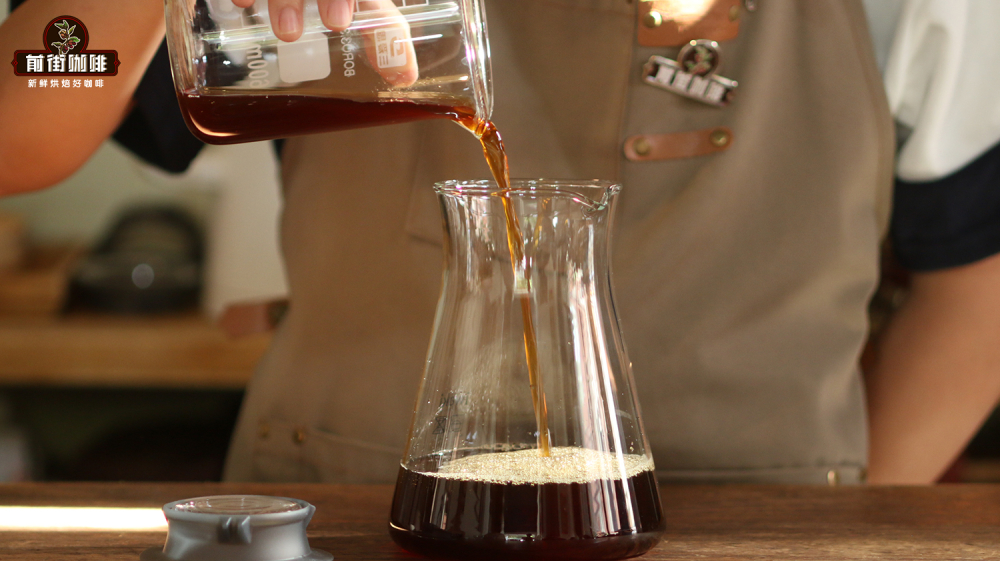
Cold brew coffee is a pure black coffee made by directly steeping coffee grounds in cold or icy water in room temperature or low-temperature environments. Due to the use of low-temperature extraction, the release rate of flavor compounds is slower, usually requiring8 to 24 hoursof steeping time. This brewing method does not require complex equipment or special skills, yet can extract coffee with prominent aroma and richly smooth taste, making it especially suitable for busy office workers—steep it the night before and enjoy it the next day.
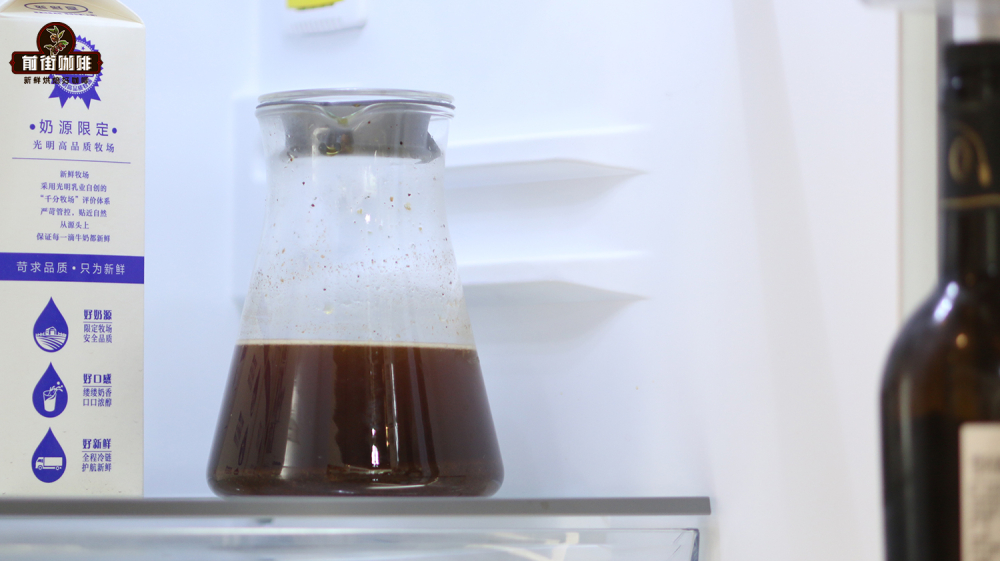
The temperature of the steeping environment significantly affects the flavor and extraction time of cold brew coffee. At room temperature, it is recommended to steep for no more than 8 hours, while in low-temperature environments such as a refrigerator, it is recommended to steep for12 to 24 hours. Coffee steeped at room temperature can quickly develop a rich body, but is more prone to woody or off-flavors; in contrast, low-temperature steeping, although taking longer, can better preserve the coffee’s aroma while reducing the occurrence of undesirable flavors.
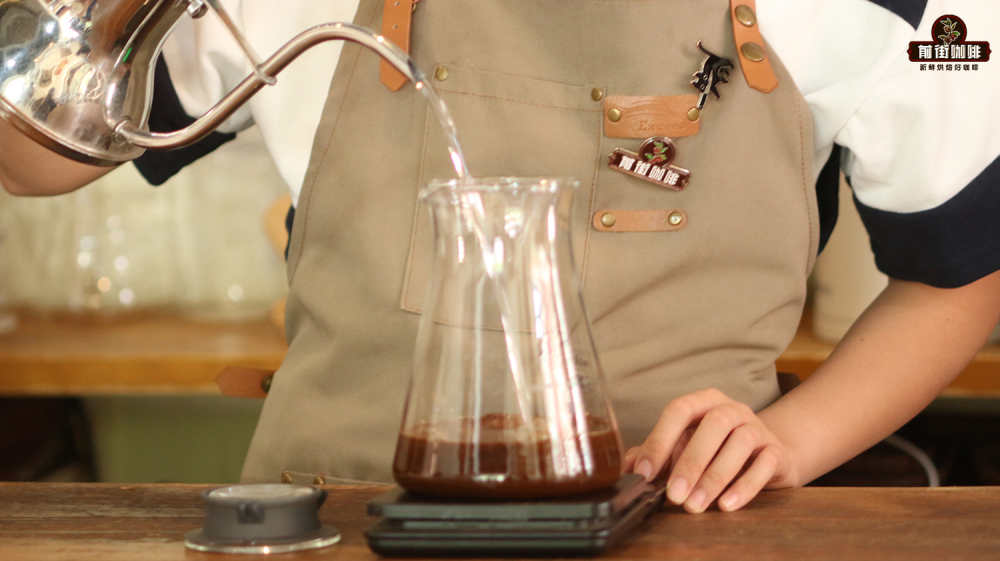
Not all coffee beans are suitable for making cold brew coffee. The ideal choice is beans with distinct acidity and sweetness, as well as rich aromas—these types of beans can exhibit a more balanced flavor under low-temperature extraction. For example, beans with fruity notes can present delicate layers of berry or citrus flavors at low temperatures, while beans with balanced acidity, sweetness, bitterness, and body can deliver a rounder mouthfeel. Generally, medium to light roasted coffee beans are better at highlighting the subtle flavors of cold brew.
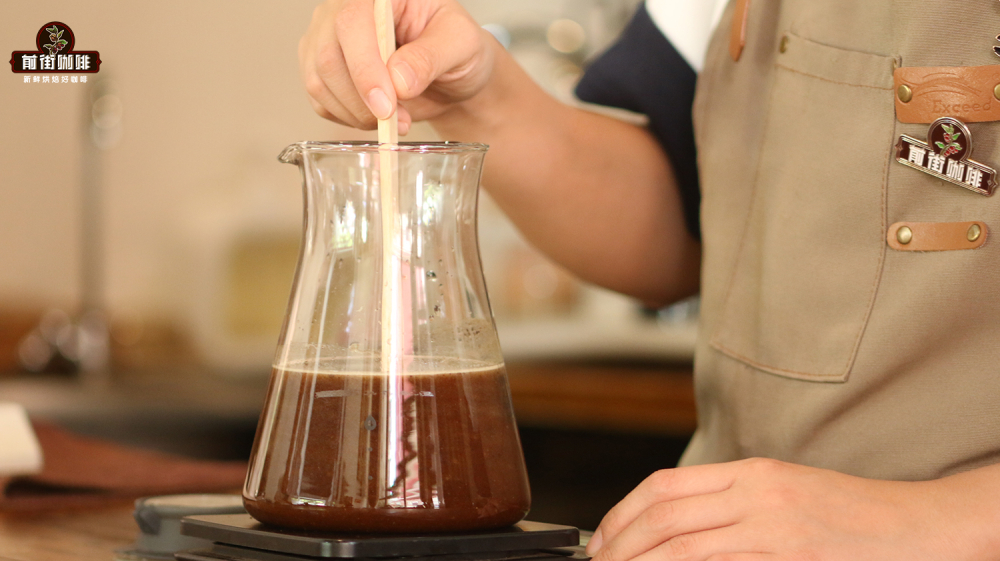
If you prefer cold brew coffee with bright fruit acidity, choose beans with abundant fruity character—these varieties can showcase clear berry or citrus notes under low-temperature extraction. If you prefer a more balanced flavor profile, consider neutral beans that offer a mix of acidity, sweetness, bitterness, and body, providing a more comprehensive taste experience. Selecting the right coffee beans is one of the key factors that determine the final flavor of your cold brew.
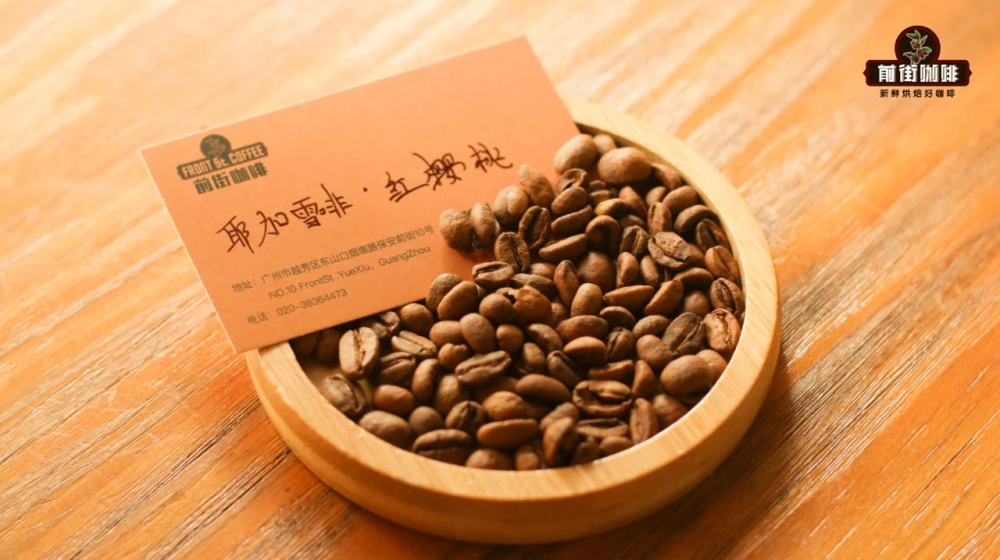
When making cold brew coffee, it is recommended to do so in a low-temperature refrigerator environment, which allows for more stable control of the extraction process. Especially in hot summers, high room temperatures can easily lead to uneven extraction. It is suggested to use a1:10 grind-to-water ratio, with coffee grounds ground to a medium-coarse consistency—roughly equivalent to 75% extraction through a Chinese standard No. 20 sieve (0.85mm mesh). Using ice water for steeping can effectively lower the extraction temperature. It is recommended to mix 50 grams of coffee grounds with 400 milliliters of cold water and 100 grams of ice cubes, stir well, seal, and place in the refrigerator’s chilling compartment to steep for8 to 12 hours, avoiding exceeding 16 hours to prevent over-extraction and unwanted flavors.
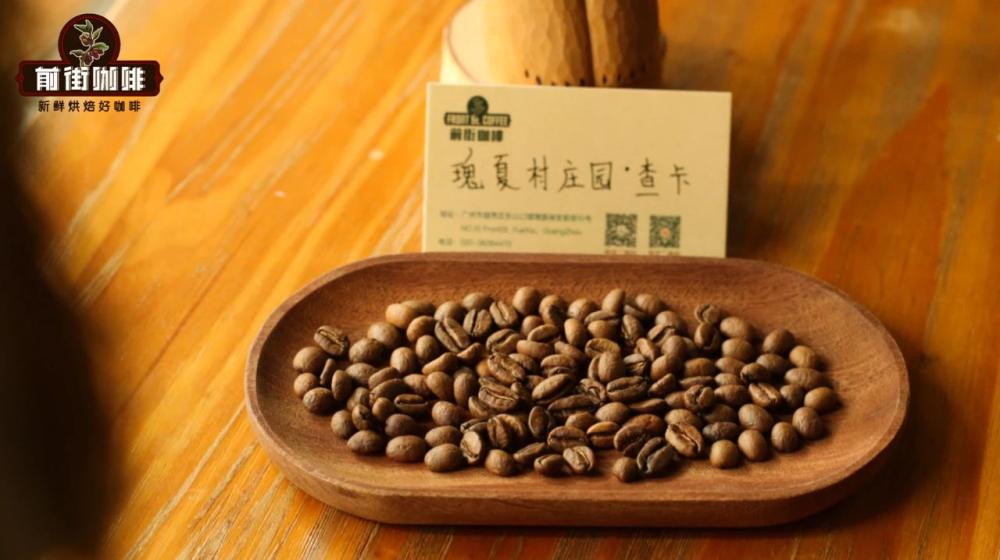
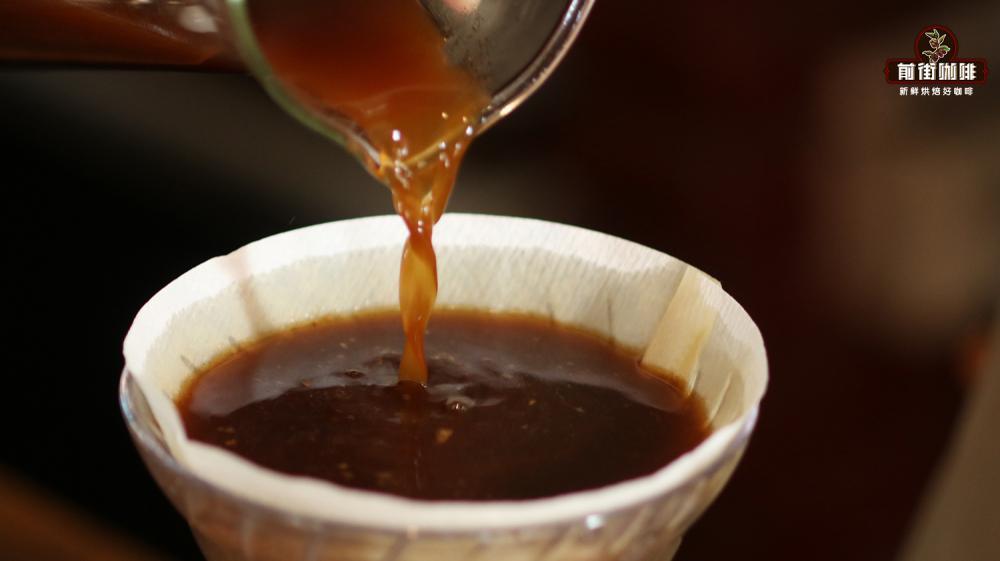
After steeping, it is recommended to let the cold brew coffee sit in the refrigerator for2 to 3 hoursbefore drinking. This resting period allows the coffee liquid to further mature, resulting in a rounder flavor. After filtering out the coffee grounds, you can enjoy the refreshing and richly smooth cold brew. This resting time has a significant impact on the final flavor presentation and should not be skipped.
Cold brew coffee can be sealed and stored in the refrigerator for about5 daysafter filtration. Although the flavor may become even richer over time, considering the complexity of the home refrigerator environment and to avoid bacterial contamination, it is recommended to consume it as soon as possible. Each time the container is opened, air enters, affecting the coffee’s preservation quality, so long-term storage is not advised.
The above content is compiled by CoffeeHunters, a coffee news website.


