







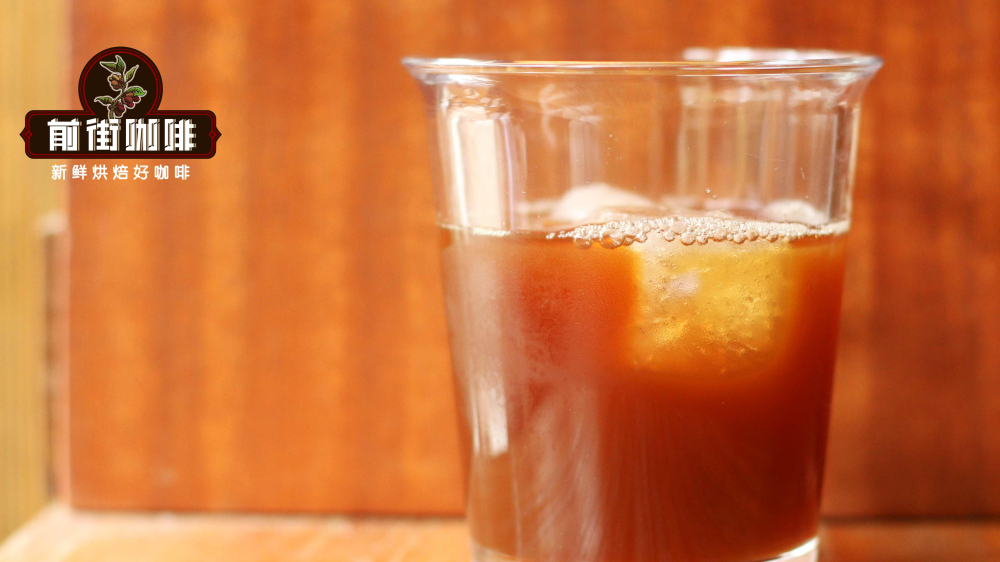
Introduction:If you're craving a refreshing iced coffee in the summer, cold brew is the simplest and most beginner-friendly choice. But do you know which coffee beans are best suited for cold brew? This article will introduce several distinctive Yirgacheffe beans—from washed to natural—and analyze their unique aromas and suitable brewing methods. We’ll also walk you through the steps and parameters for making cold brew at home, so you can easily create a balanced, sweet-and-sour cold brew coffee.
When temperatures rise above 25°C, many people start looking for beverages that are both cooling and energizing. Thanks to its simple preparation and no need for professional equipment, cold brew coffee has become the go-to choice for many coffee enthusiasts to make at home. Especially for beginners, as long as you choose the right coffee beans, even without expensive gear, you can brew a refreshing and layered iced coffee.
Cold Brew Beginner’s Top Pick: Ethiopian Yirgacheffe
If you’re trying cold brew at home for the first time, it’s recommended to start with a medium-light roasted Yirgacheffe. This famous coffee from Ethiopia is renowned for its bright acidity and fragrant floral and fruity notes. Medium-light roasting preserves more delicate citrus, lemon, and white floral aromas, and during the cold brew process, these volatile aromatic compounds are slowly released over time, delivering a refreshing yet sweet drinking experience.
The Diverse Terroirs of Yirgacheffe: Highlighting the Guji Dingding Village
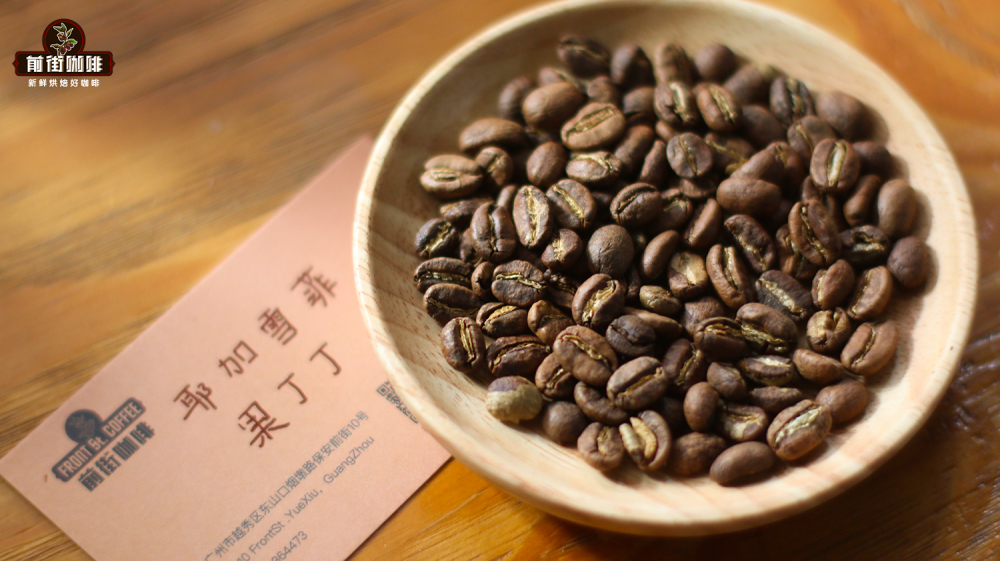
Yirgacheffe isn’t just a coffee name—it’s a famous coffee town in Ethiopia, further divided into multiple micro-regions and villages. Among them, Guji Dingding Village stands out due to its unique microclimate and mature cooperative processing techniques, producing coffee beans with higher consistency in quality. Washed beans from here often exhibit clearer floral and fruity notes, making them an excellent choice for cold brew.
Flavor Profile of Washed Guji Dingding: Fresh Floral-Fruity Notes Ideal for Iced Drinking
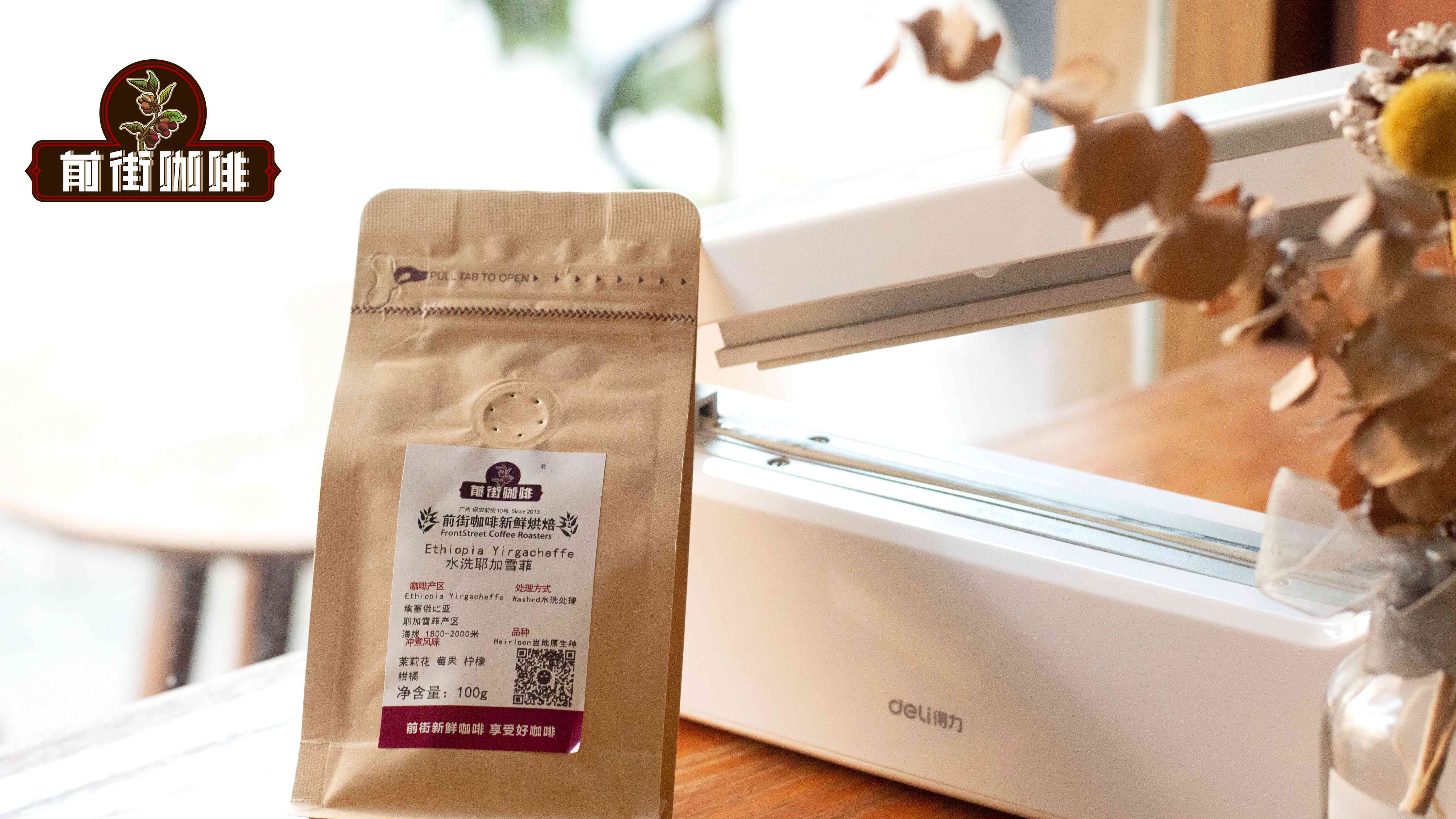
A well-known brand’s washed Guji Dingding coffee beans are medium-light roasted, emphasizing a balance between fruitiness and tea-like qualities. After brewing, they release bright acidity of passion fruit, citrus, and berries, with a lively citrusy tang on the palate paired with soft berry sweetness and a nutty almond tone. The finish carries a honey-like warmth. This flavor profile becomes even clearer during cold brewing, making it perfect for coffee lovers who prefer a clean and refreshing taste.

Cold Brew Recipe Reference: Ideal Ratio for Washed Guji Dingding Beans
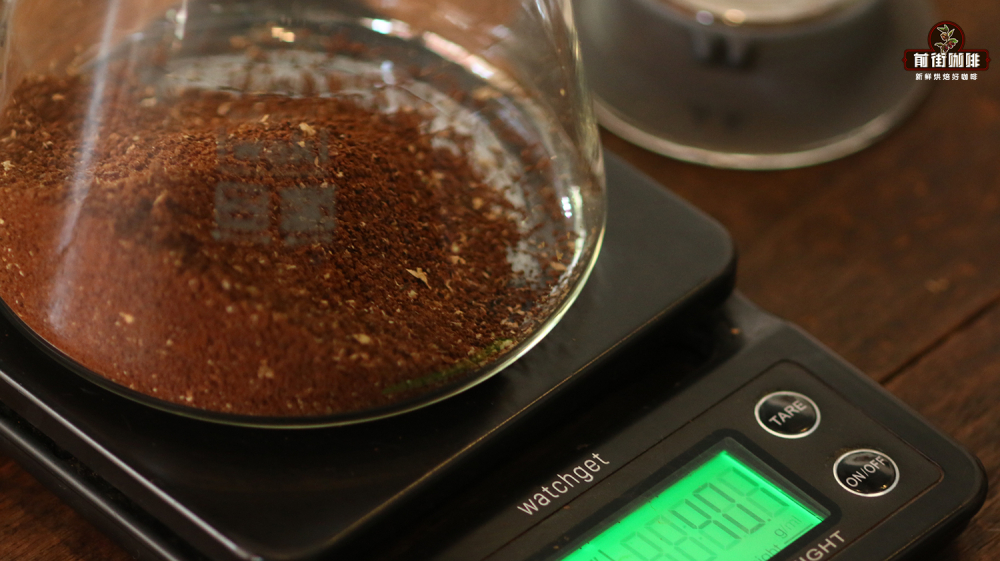
This coffee bean is recommended to be used at a 1:12 coffee-to-water ratio for cold brew—for example, using 40 grams of coffee grounds with 480 milliliters of room temperature or cold water. Use a sealable glass bottle or a dedicated cold brew container. The grind size can be similar to medium-fine sugar used in pour over; if you don’t have a grinder, you can ask your coffee shop to grind it in advance, preferably specifying “for cold brew” to get the optimal uniform particle size. Stir well, then let it sit in the refrigerator for extraction. The recommended brewing time is 8 to 12 hours, which can be slightly adjusted based on personal taste preference.
Another Option: Natural Red Cherry’s Rich Fermented Flavor
If you prefer a bolder cold brew with rich fermented wine-like notes and ripe fruit characteristics, then a certain well-known brand’s natural Red Cherry coffee beans are a great option to try. This Yirgacheffe is processed using the natural method, allowing the coffee cherries to dry naturally in the sun, enabling the sugars and aromas in the fruit pulp to penetrate more deeply into the seeds. Compared to washed beans, the natural version has softer acidity but more pronounced sweetness, along with clear berry and citrus aromas and a hint of wine-like fermentation, making it ideal for those who enjoy a bold flavor.
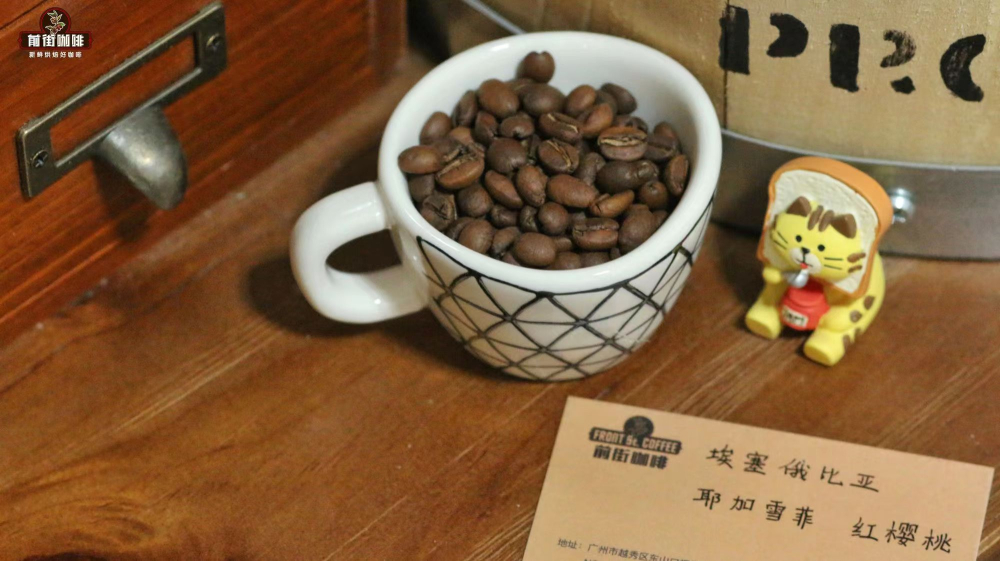
Flavor Profile of Natural Beans: Rich Berries and Fermented Sweetness
These natural beans from Yirgacheffe, grown at an altitude of about 2300 meters and of heirloom variety, offer intense aromas of berries, lemon, and strawberry, with a touch of fermented wine note. They have a prominent sweetness and rich layers. For coffee lovers who want to experience a dessert-like flavor in their cold brew, the Natural Red Cherry provides a truly unique option.
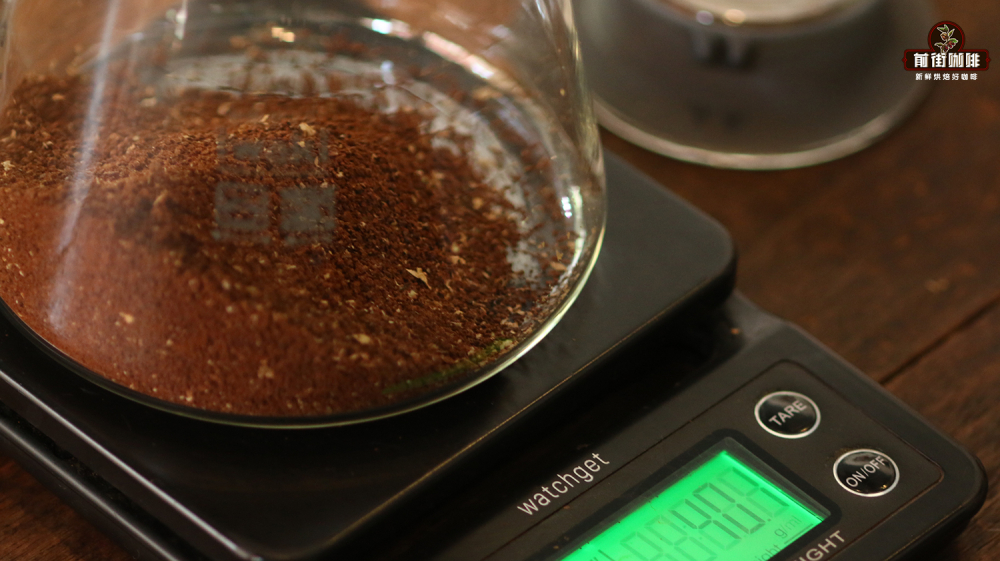
Simple Steps and Tips for Making Cold Brew at Home
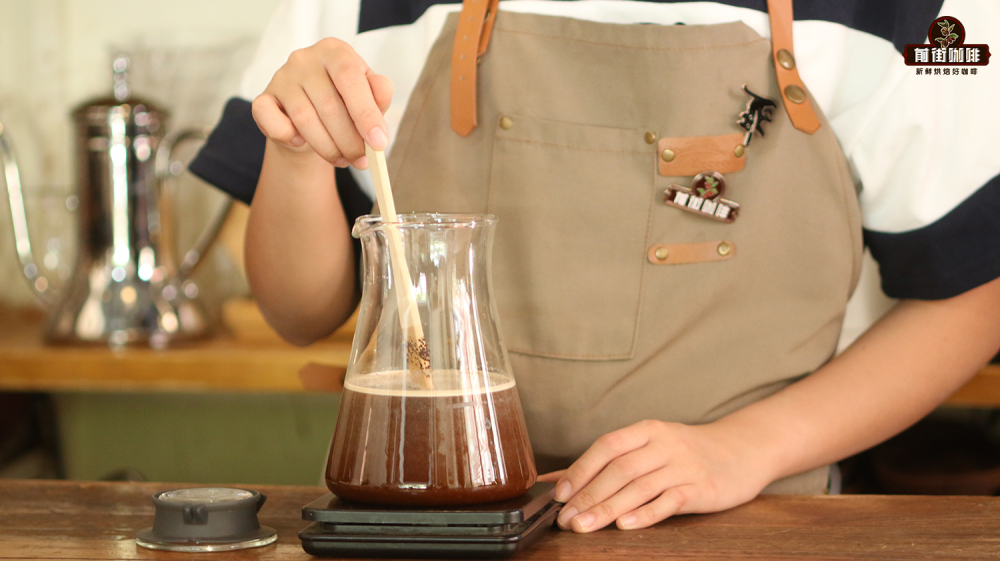
Making cold brew coffee doesn’t require expensive equipment—just a clean, sealable container will do. It’s recommended to use a glass bottle or a dedicated cold brew maker, which not only makes it easy to observe the brewing status but is also easy to clean. After mixing the ground coffee with cold water, be sure to stir well to ensure each coffee particle is fully in contact with the water—this is key to achieving an evenly flavored final cup. The steeping time shouldn’t be too short or too long; the general recommendation is 8 to 12 hours. Too short may result in under-extraction, while too long can bring out excessive impurities or bitterness.
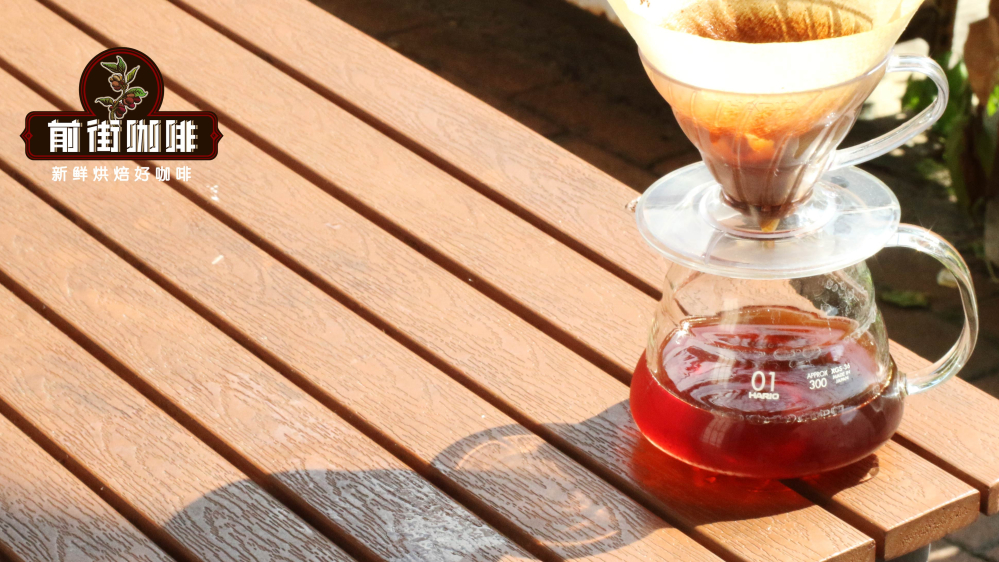
After brewing, filter out the coffee grounds using filter paper or a fine mesh strainer, and you’ll have a clear cold brew coffee liquid. You can customize it with ice cubes, milk, or flavored syrup according to your taste and enjoy your own summer iced coffee moment.

The above content is compiled by CoffeeHunters, a coffee news website.


