







Introduction:On hot summer days, a refreshing and smooth cold brew coffee is a lifesaver for many coffee enthusiasts. This article delves into the brewing principles of cold brew, the ideal steeping time, and key points in selecting coffee beans. It will guide you on how to adjust the coffee-to-water ratio and extraction time to bring out the fruity notes and sweet freshness of the coffee. Whether you're a beginner or an advanced coffee lover, you’ll be able to master professional-level cold brew techniques and find recommended bean selections.

On scorching days, a chilled cold brew coffee can instantly deliver a cool and delightful experience. Cold brew coffee is a brewing method that involves steeping ground coffee in cold or iced water for an extended period—usually more than 12 hours, and sometimes even up to 24 to 48 hours. Compared to traditional hot brewing, this low-temperature, slow extraction method significantly reduces the release of tannins, resulting in a smoother, cleaner taste with natural fruity notes and a mildly sweet aftertaste.
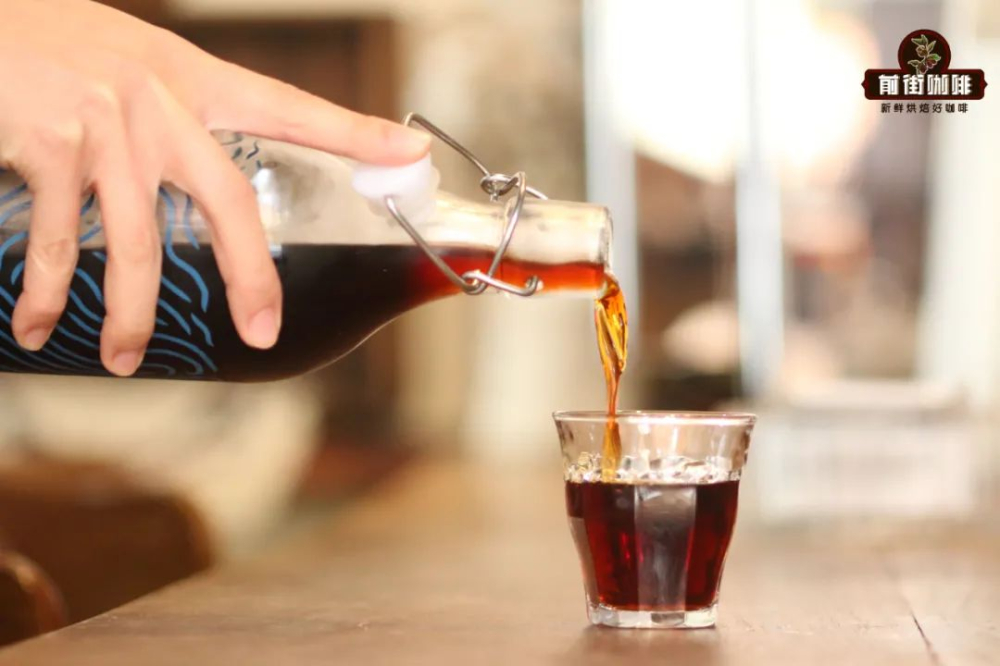
The charm of cold brew lies in its mild and non-irritating character. Although bitterness and acidity are noticeably reduced, the caffeine content remains just as high—if not higher—than in hot-brewed coffee, thus still providing a great energy boost. The brewing process isn’t complicated; all you need is a sealed glass bottle or PET bottle, along with the appropriate amount of coffee grounds and cold water. Simply refrigerate it, and you’re good to go.
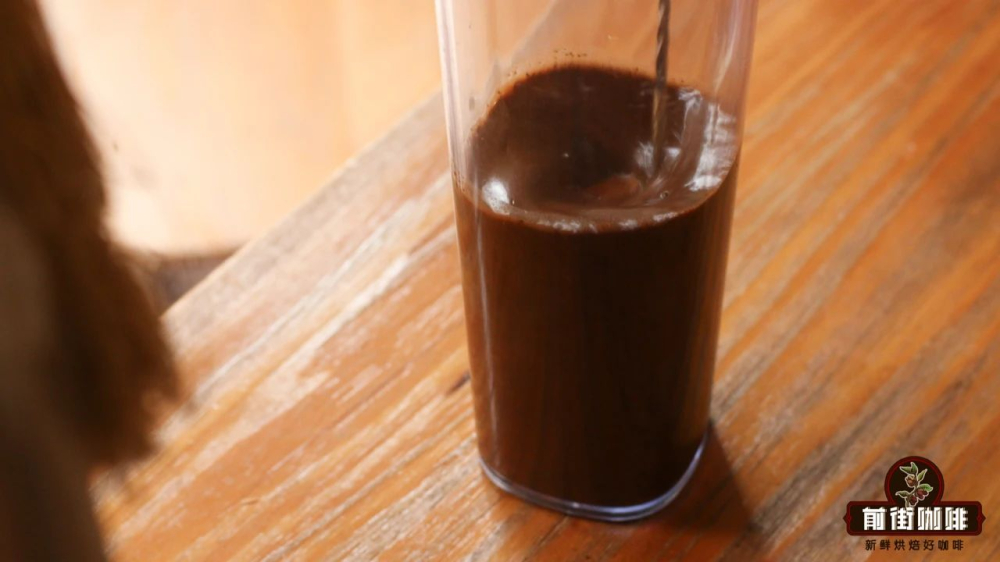
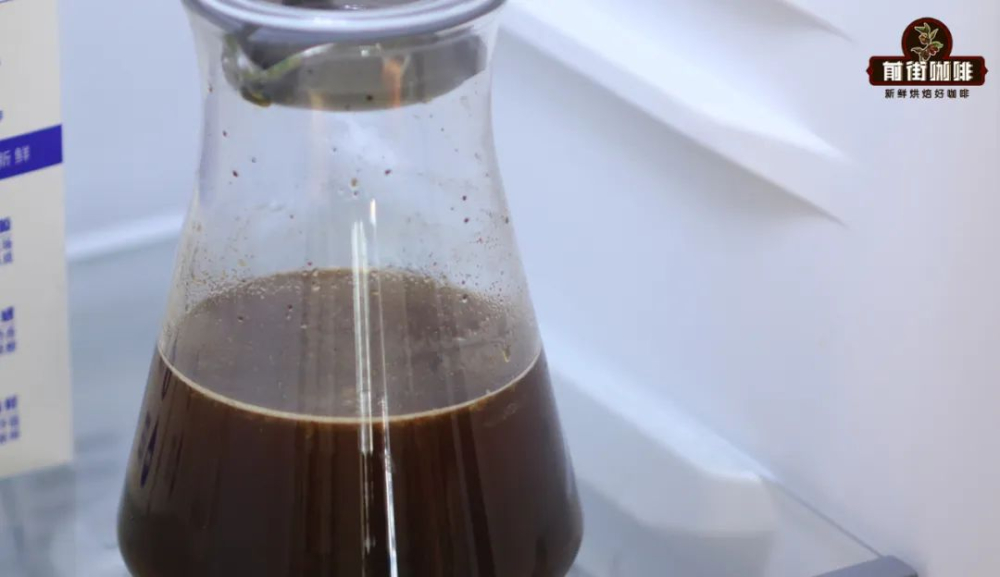
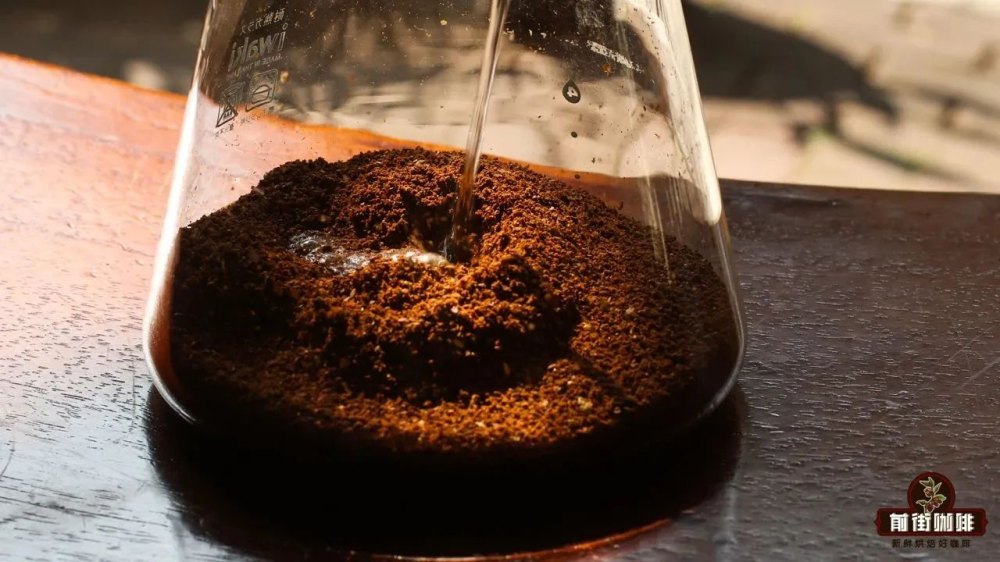
It’s recommended to use a grind size slightly finer than that for pour over—around 85% passing through a #20 sieve—to maintain an appropriate extraction surface area. A common recipe is 50 grams of coffee grounds to 400 milliliters of room temperature water plus 200 grams of ice (or equivalent cold water), achieving a coffee-to-water ratio of about 1:12. Mix the coffee grounds and water evenly, seal, and refrigerate. Let it steep for 12 to 24 hours, then filter out the coffee grounds with paper filters. Pour the clear coffee liquid into a bottle and refrigerate it for a few more hours to allow the flavors to further develop.
The steeping time of cold brew directly impacts its flavor profile, but longer doesn’t always mean better. It’s generally recommended to keep it between 12 and 24 hours. Over-steeping may lead to over-extraction, making the taste overly strong or producing unpleasant off-flavors. Practical tests show that 24-hour extractions yield the richest layers and most complete flavors, with distinct and balanced notes of acidity, sweetness, and bitterness. A 12-hour brew emphasizes fruity characteristics, with a nutty finish and a clear flavor hierarchy. An 8-hour cold brew offers a clean and fresh taste with soft fruity notes and a predominantly sweet aftertaste. A 4-hour extraction, on the other hand, highlights bright aromas but has a relatively lighter overall flavor, making it suitable for those who prefer a milder taste.

Cold brews brewed for different durations each offer unique balances of acidity, sweetness, bitterness, and aroma intensity. For example, a 4-hour brew delivers the most pronounced aromas but has the lowest concentration, with acidity leaning toward citrus notes. The 8-hour brew strikes a balance and suits a wide range of palates. The 12-hour version showcases a more fully developed transformation of fruitiness, with a finish that carries nutty and caramel undertones. The 24-hour brew is the most intense and complex option, ideal for coffee lovers seeking a deep and rich experience. In reality, the definition of a “good” cold brew varies from person to person. It’s recommended to fine-tune the coffee-to-water ratio and steeping time based on personal preference to find your ideal flavor balance.

As for coffee bean selection, light roasts are usually the top choice for cold brew due to their bright acidity and absence of harsh bitterness, which helps highlight fruity and fresh qualities. Washed-process light roasts such as Yirgacheffe, Geisha, or Guatemala Huehuetenango are suitable for those who enjoy a crisp, sweet, and acidic profile. If you prefer bold fruitiness and sweetness, opt for natural-process light roasts like Huaguang (Flower Queen), Kenya beans, or natural Geisha, which often deliver a distinct juice-like character. Additionally, beans with special processing methods—such as Honduran Sherry, Costa Rican Mozart, or Colombian Rose Valley—can add unique flavor dimensions to your cold brew. For a more balanced cup with less pronounced acidity, Papua Paradise Bird or Costa Rican Tarrazú are also excellent choices.
The above content is compiled by CoffeeHunters, a coffee news website.


