







Introduction:If you want to brew a cold brew coffee with rich flavor layers at home, choosing the right coffee beans is key. This article delves into the unique extraction logic of cold brew, covering grind-to-water ratios, refrigeration times, and the characteristics of beans from different processing methods. We’ll guide you through practical techniques to achieve six distinct flavor profiles—from bright fruity and mellow chocolatey notes to captivating wine-like aromas—and provide professional-grade grind-to-water ratios and grind size parameters. Even beginners can easily replicate café-quality cold brew at home.
Cold brew differs fundamentally from traditional hot brewing methods. Its low-temperature, long-duration extraction greatly reduces acidity and harsh off-flavors while amplifying sweetness and body. Because it requires pre-chilling for 12 to 24 hours, commercially available cold brew beans are typically rigorously selected to perform well in low-temperature environments. Understanding these traits allows you to pinpoint beans that will showcase their optimal flavors based on your personal taste preferences.
Basic Extraction Parameter Setup
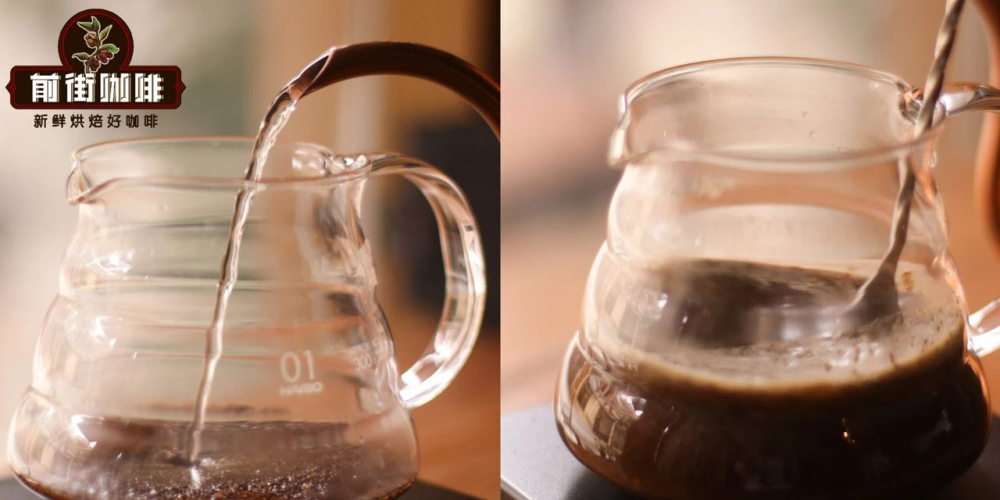
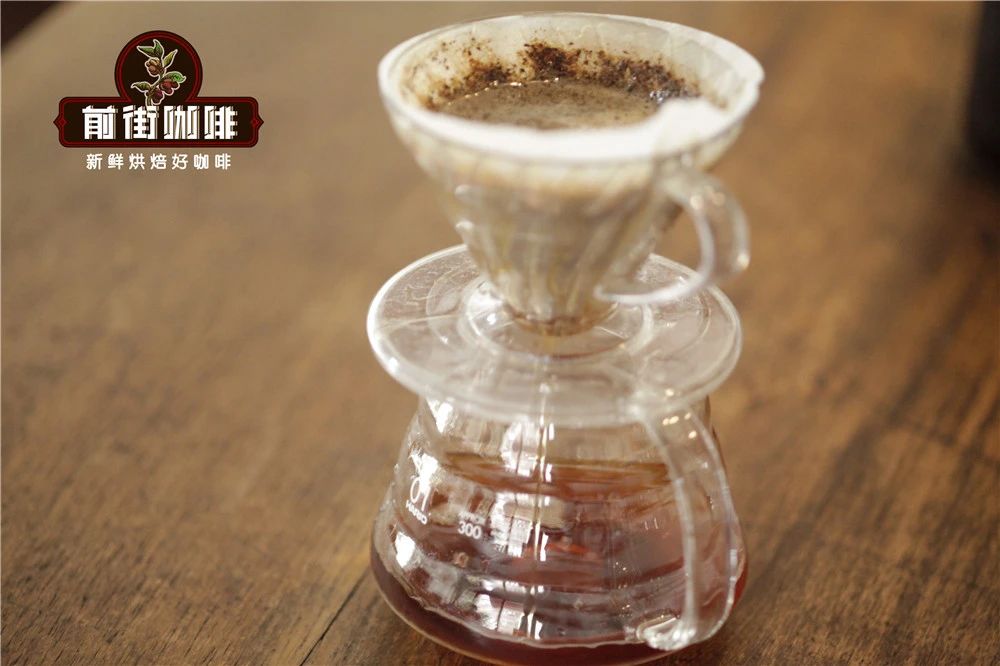
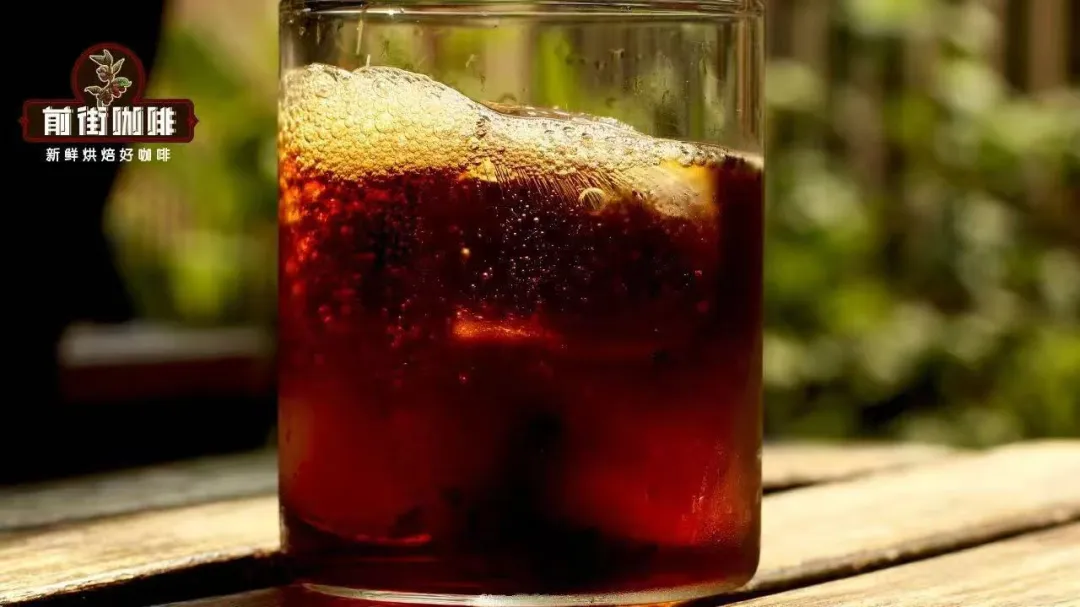
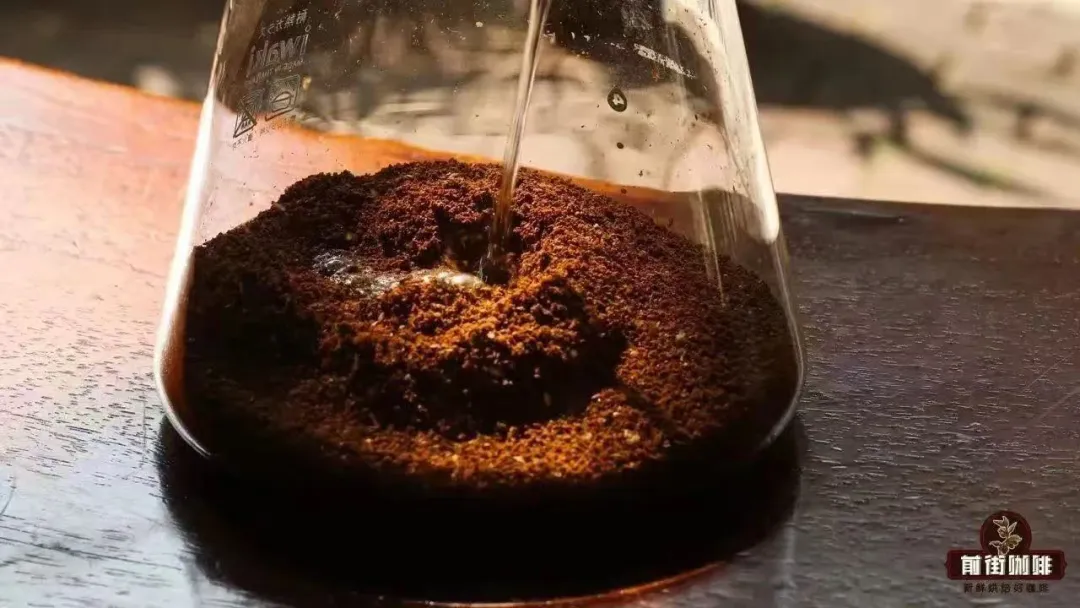
We recommend starting with 50 grams of medium-coarse ground coffee (approximately 85% passing through a #20 sieve), mixed with 400 milliliters of room-temperature water and 200 grams of ice (total volume: 600 milliliters), maintaining a golden 1:12 grind-to-water ratio. Stir the coffee grounds and ice water evenly, then seal and refrigerate. This stage allows for more complete cell wall rupture, resulting in a smoother mouthfeel.
The standout feature of cold brew is its lack of pronounced bitterness or acidity, paired with a unique low-temperature fermentation character. This quality means certain beans that perform mediocrely in hot brewing can surprise you with impressive sweetness and complexity in cold brew. Next, we’ll provide specific bean selection suggestions and practical tips for five major flavor profiles.
Rich & Fruity Type: The Ultimate Summer Refreshment
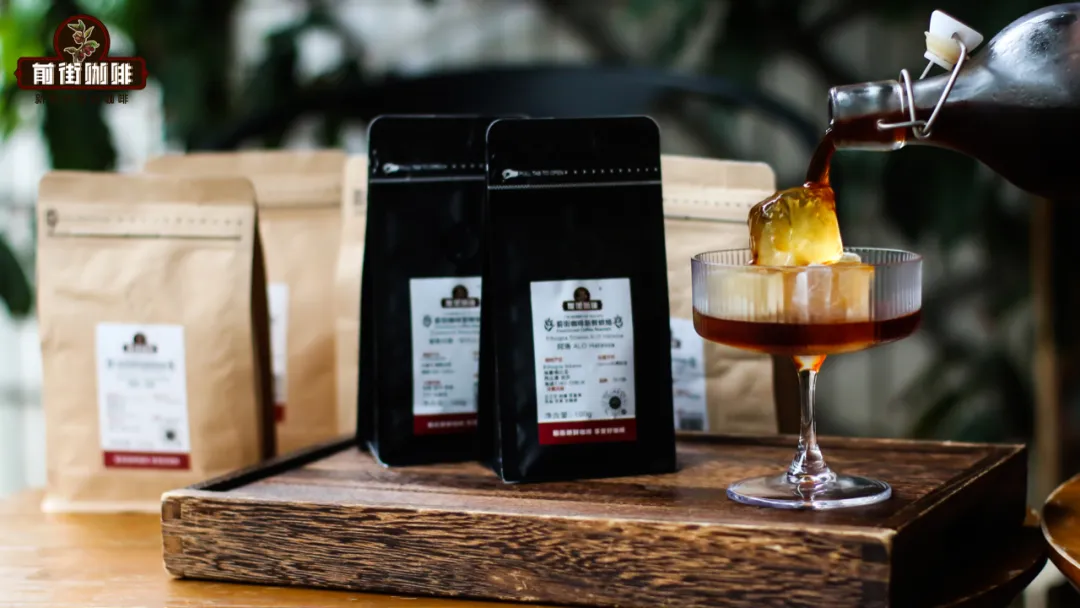
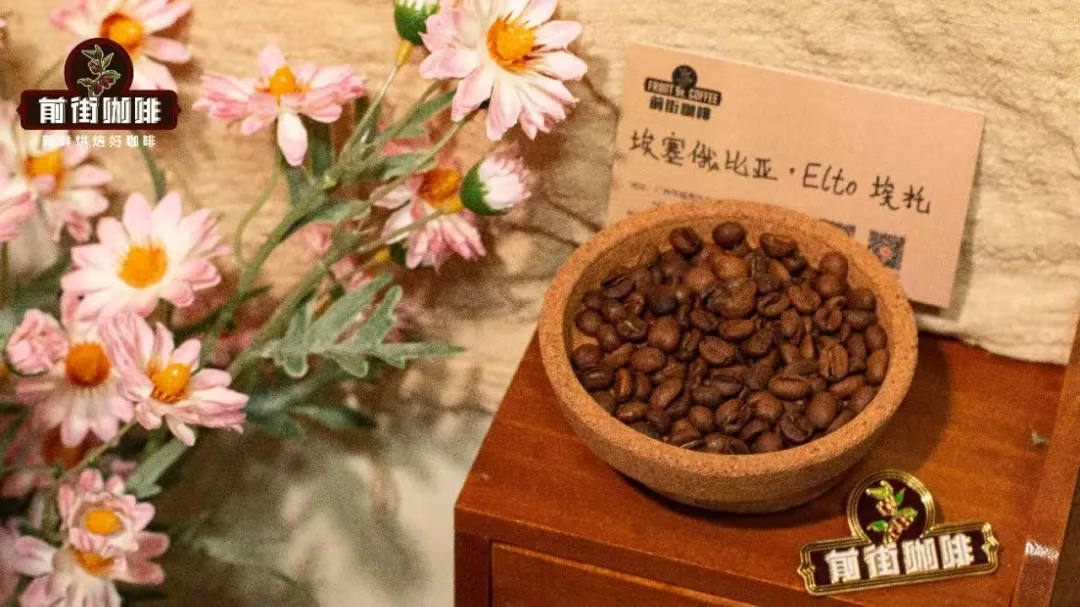
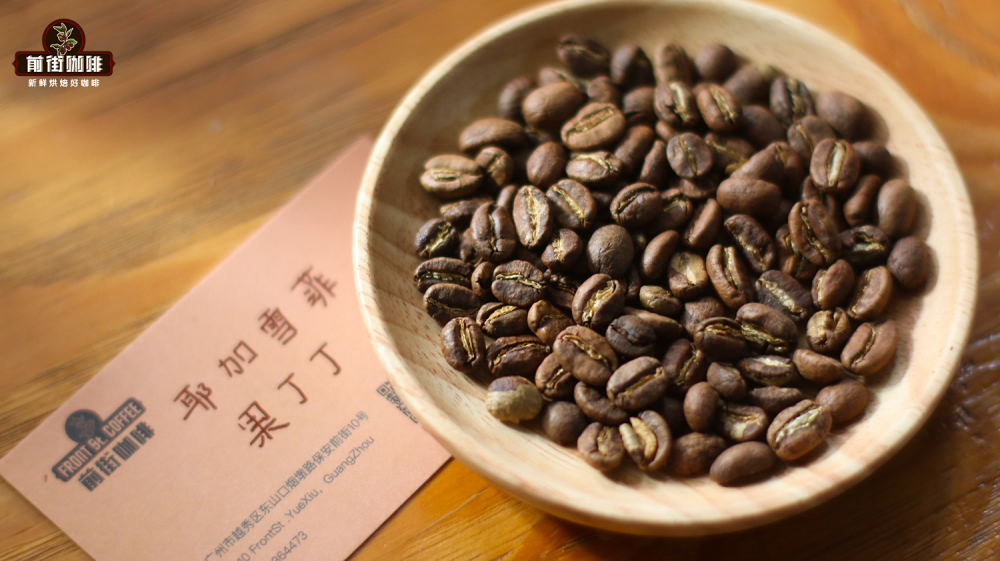
Ideal for those seeking bright acidity and explosive fruitiness. Recommended choices include sundried or honey-processed beans from Ethiopia, Colombia, or Panama—processing methods that enhance aromatic compounds like berries and tropical fruits. Real-world examples include Sidamo ALO and Huakui cold brew, which exhibit intense mango notes alongside rounded citrus acidity and subtle pineapple fermentation hints. Ethiopian Yirgacheffe, on the other hand, shines with its berry aromas such as lychee and blueberry.Note: For sundried beans, ensure the fermentation level is appropriate—over-fermentation may produce a sake lees-like flavor.
Fresh Floral & Fruity Type: A Budget-Friendly Favorite
For those who prefer subtle aromas, focus on washed-process beans or renowned Geisha varieties (e.g., T2722). Washing reduces fermentation intensity, preserving more native floral and citrus notes. Geisha T2722 is known for its white floral character. For instance, Yirgacheffe Guddina cold brew releases a refreshing combination of lemon, white flowers, and green tea, while washed Geisha from Buquete offers a honey-like gentle sweetness.Pro Tip: For high-floral-bean varieties, consider increasing the brew water volume by 10–15% to avoid overly concentrated flavors.
Bold & Deep Type: For Espresso Flavor Enthusiasts
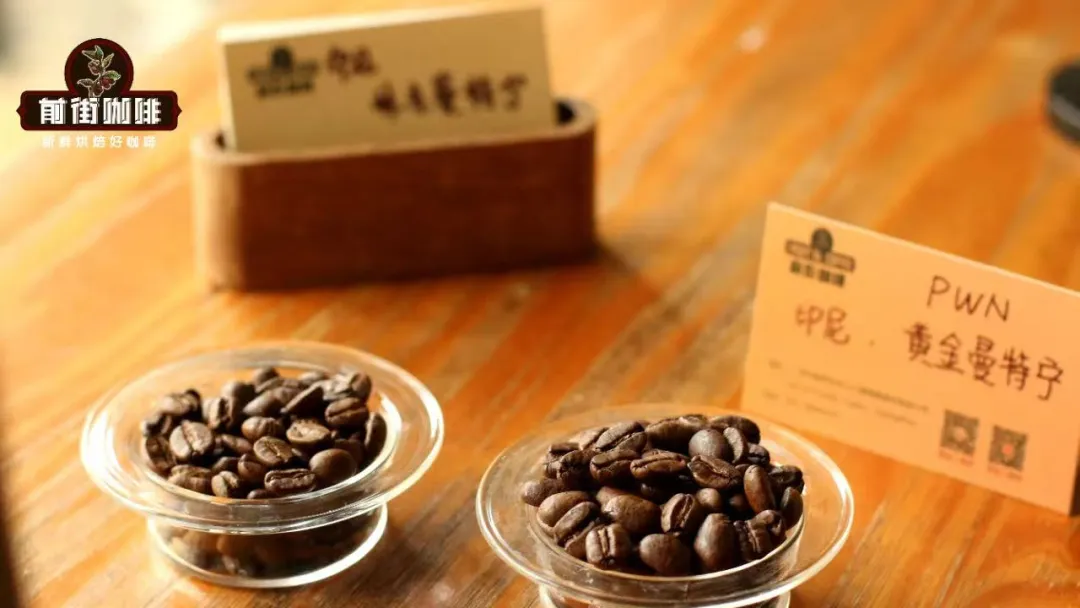
For those who love chocolate and caramel textures, dark-roast coffee beans are the top choice. Jamaican Blue Mountain and Indonesian Golden Mandheling, after prolonged roasting, transform during cold brew into silky body and pronounced sweetness—with chocolate flavors standing out especially. For these beans, extend refrigeration time to 20+ hours to fully extract the oils.
Subtle Winey Type: The Pinnacle of Fermentation Art
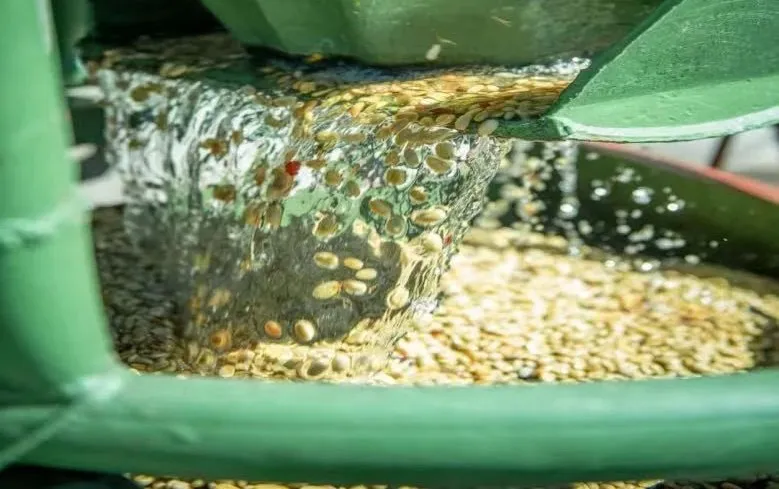
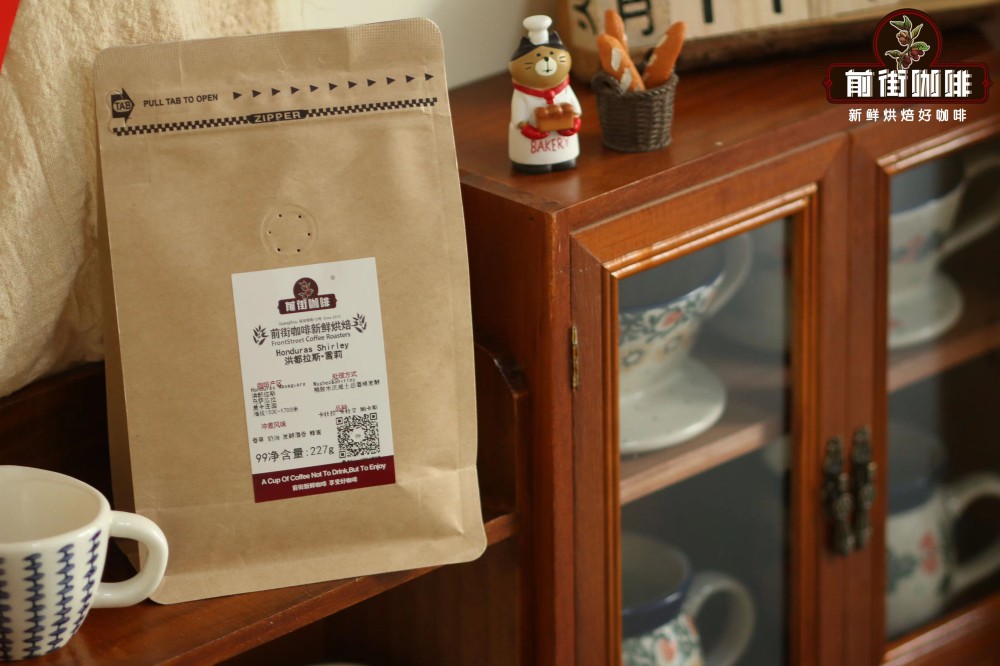
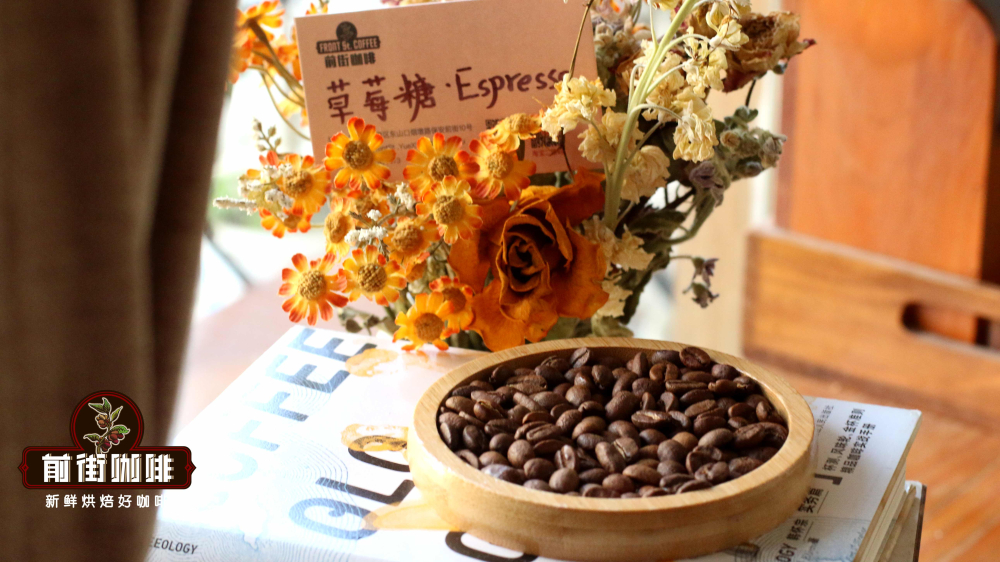
Anaerobic-processed beans are the key to crafting wine-like notes. Through special fermentation in oxygen-deprived environments, they develop complex layers reminiscent of whiskey or fruit wine. Honduran Sherry cold brew features a vanilla and creamy sweetness base, layered with intense whiskey aromas. Costa Rican Strawberry Sugar, processed via raisin honey, transforms berry notes into deep fruit wine flavors, with a signature lavender-purple aroma as a highlight.Operation Tip: For anaerobic beans, strictly control water temperature—recommend using ice water for direct extraction.

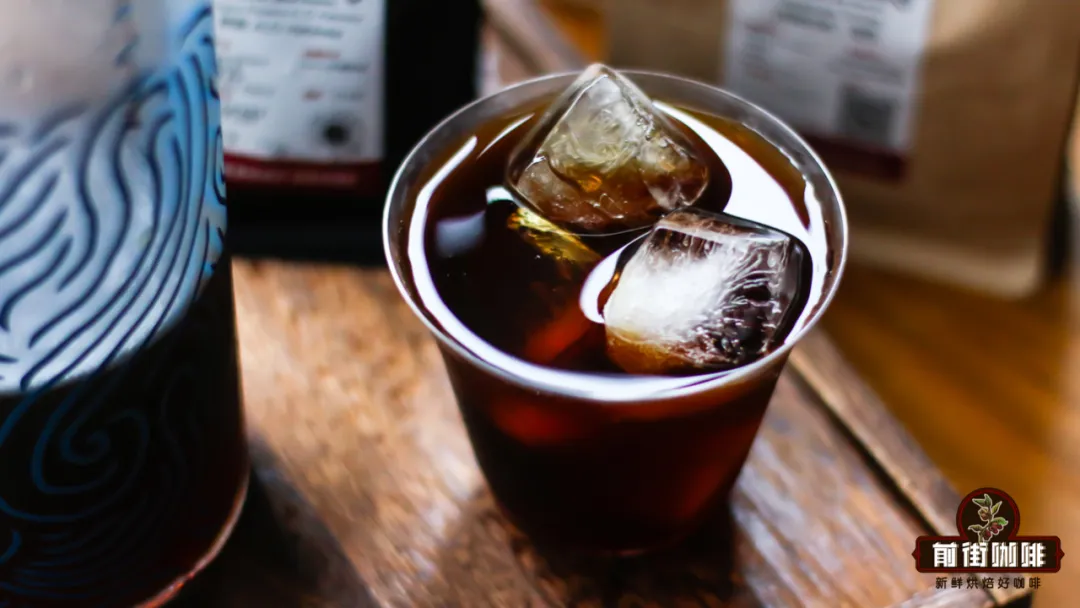
No matter which flavor path you choose, the core of cold brew lies in stable parameter control. First-timers are advised to use glass containers for storage and avoid direct sunlight. Elevation and water quality also affect the final outcome—urban tap water users might consider filtered water to minimize mineral interference. Mastering these essentials allows you to flexibly adjust bean combinations and processing methods according to seasonal changes and personal taste preferences, building your own cold brew recipe library.
The above content is compiled by CoffeeHunters, a coffee news website.


