







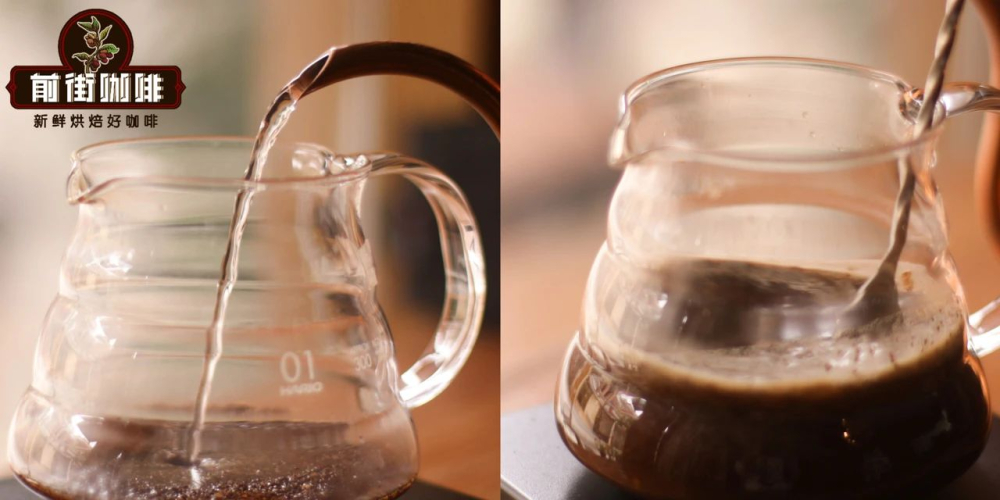
Introduction:Cold brew coffee, with its refreshing sweet-tart profile and low bitterness, has become the go-to summer choice for many coffee enthusiasts. But did you know? The water-to-coffee ratio, grind size, and steeping time can all significantly impact the final flavor. This article will delve into the brewing principles of cold brew, compare the taste differences across various water-to-coffee ratios, and provide expert advice and practical tips to help you easily brew a cup of cold brew with clear layers and balanced flavors.
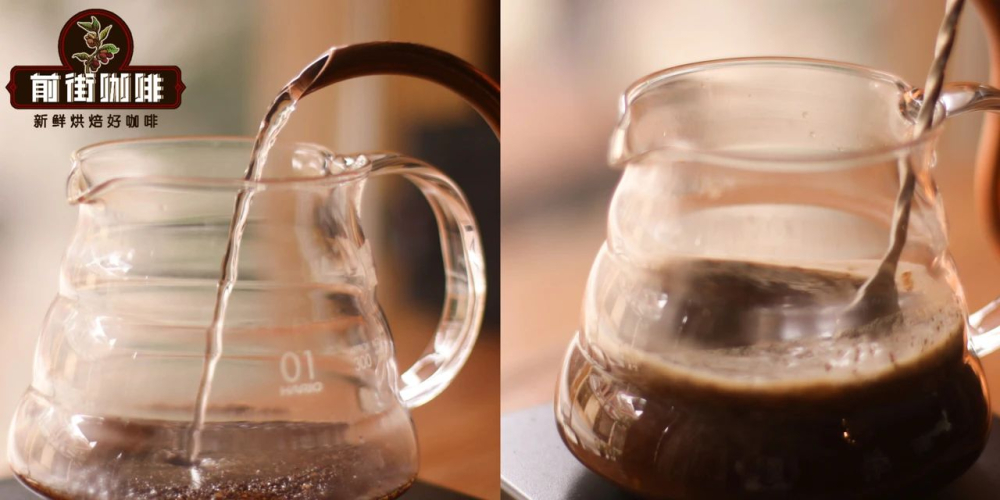
Cold brew is a type of coffee made by steeping coffee grounds in cold water for an extended period. Its most distinctive feature is a clean, crisp mouthfeel, bright acidity, and very low bitterness. This brewing method primarily utilizes low temperatures to reduce the extraction of tannins and over-extracted compounds, allowing the acidic and aromatic compounds in the coffee to stand out, resulting in refreshing flavors reminiscent of berries, citrus, or sugarcane.
In addition, cold brew has a low barrier to entry—just simple tools like a glass bottle, cold water, and coffee grounds, along with refrigeration, are enough. You don’t need professional pour-over equipment to make it at home, making it perfect for DIY coffee lovers.

Many coffee enthusiasts trying cold brew for the first time often wonder: what kind of changes do different water-to-coffee ratios bring? The ratio not only affects the strength of the coffee but also directly influences overall mouthfeel and flavor expression. Simply put, the water-to-coffee ratio is the weight ratio of coffee grounds to water, and this proportion determines whether the resulting brew is rich and full-bodied or light and refreshing.
During the cold brew process, when water and coffee grounds are in contact for a long time, a higher water ratio (i.e., less coffee, more water) results in a lighter brew with softer flavors but potentially lacking in complexity. Conversely, a lower water ratio (more coffee, less water) yields a stronger, more concentrated brew, but risks over-extraction issues such as astringency or off-flavors. Therefore, mastering the right water-to-coffee ratio is key to successful brewing.
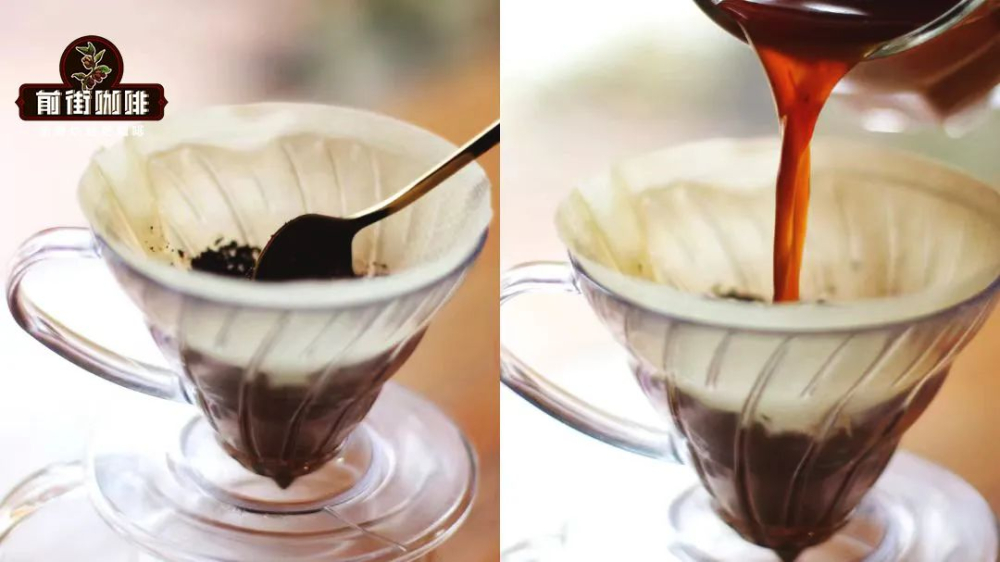
Beyond the water-to-coffee ratio, the success of cold brew also depends on multiple variables, including grind size, steeping time, water quality, as well as the coffee bean variety and processing method. These factors interact with each other to shape the final flavor profile of the cold brew.
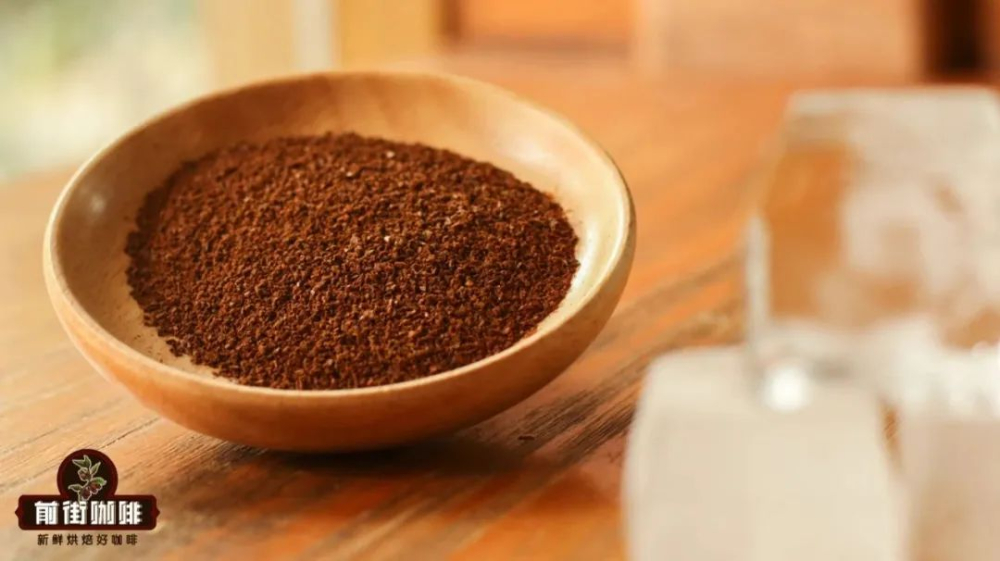
Generally, it’s not recommended to use overly fine coffee grounds for cold brew. Finer grinds increase the surface area in contact with water, and even in a low-temperature environment, this may lead to over-extraction, releasing more bitter substances. Therefore, it’s advised to grind the coffee to a consistency similar to white sugar, with about 80–85% passing through a standard 0.85mm sieve, feeling similar to fine sugar or roughly the coarseness of a Chinese No. 20 sieve.
The steeping time is recommended to be between 6 to 16 hours. Too short a time may result in under-extraction and a thin flavor, while too long can bring out undesirable off-notes. Ideally, letting it sit in the fridge for about 10 to 12 hours will yield a cold brew with balanced sweet-tart notes and clear flavors.
The choice of coffee beans is equally crucial. It’s recommended to use medium-light to medium-roasted beans, which typically have bright acidity and complex fruity aromas that can fully express themselves under cold extraction. For example, Kenyan coffee beans using the K72 washed process often preserve the bean’s natural fruit acids and berry characteristics, making them very suitable for cold brew.
Take Kenya · Little Tomato as an example. This bean, using the SL28 and SL34 varieties and processed via the K72 washed method, showcases unique flavors such as red plum, cherry tomato, and dark plum, making it one of the top choices for many cold brew enthusiasts.
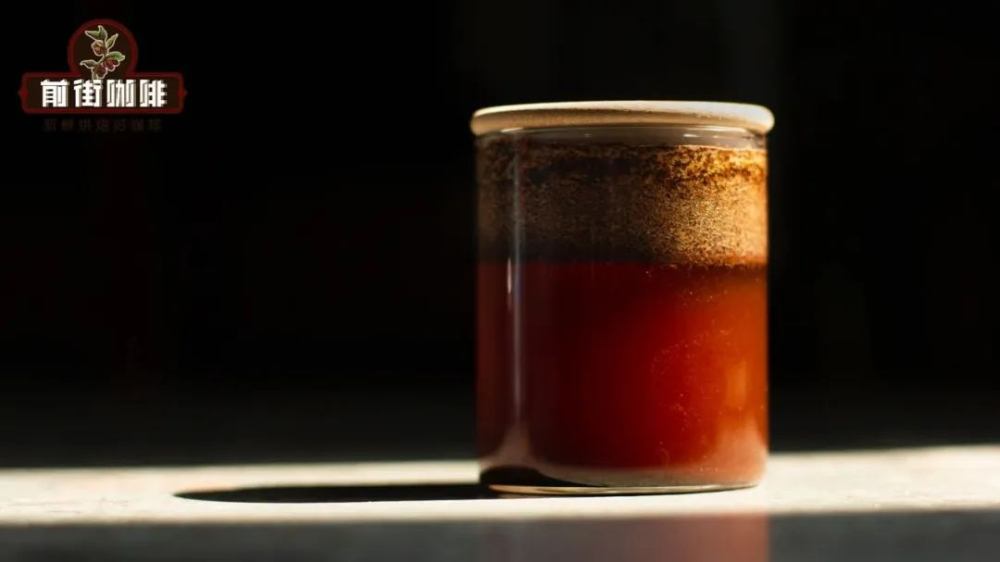
So, what are the actual differences in cold brew made with varying water-to-coffee ratios? To find out, we conducted an experiment using the same Kenya · Little Tomato beans, fixing the coffee dose at 18 grams, steeping time at 6 hours, and testing four common water-to-coffee ratios: 1:8, 1:10, 1:12, and 1:15, corresponding to water volumes of 144ml, 180ml, 216ml, and 270ml respectively. Other brewing conditions such as grind size (about 80% passing rate, similar to a Chinese No. 20 sieve), refrigeration time, and filtration methods were kept consistent.
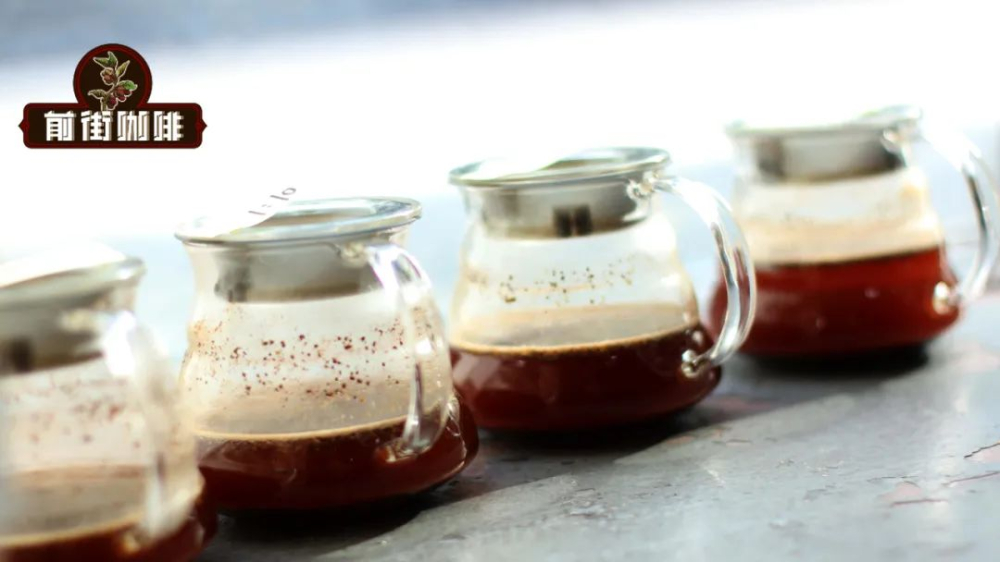
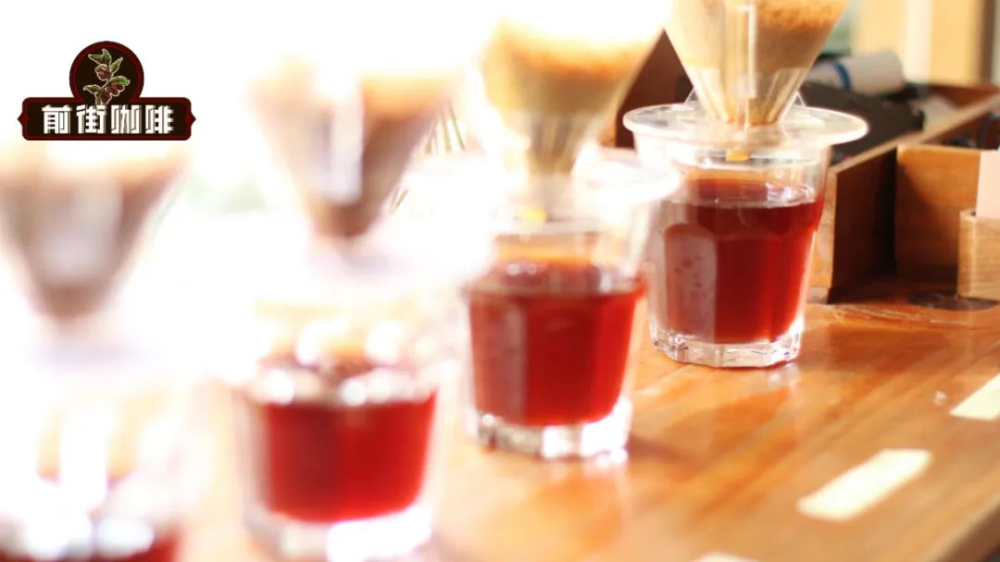
The experimental results showed that the coffee liquid under different ratios exhibited significant differences in color, flavor, and mouthfeel. Among them,Water-to-Coffee Ratio 1:8resulted in the darkest-colored coffee, with a strong, intense flavor and sharp acidity, but also came with a salty note and a bitter finish. The berry flavors were somewhat one-dimensional;Water-to-Coffee Ratio 1:10featured a sweet sugarcane aroma, with flavors showcasing red plum, berries, and pear tea layers. The acidity was bright, though the sweetness was slightly lower;Water-to-Coffee Ratio 1:12was deemed the most balanced of the group, with a clean mouthfeel and flavors including cherry tomato, red plum, dark plum juice, sugarcane, and a licorice candy finish. The sweet-tart-bitter balance was well-rounded, and the concentration was just right; whereasWater-to-Coffee Ratio 1:15due to excessive water, the flavors were diluted, resulting in an overall bland profile, with only faint notes of black plum and berry acidity, but almost no bitterness.
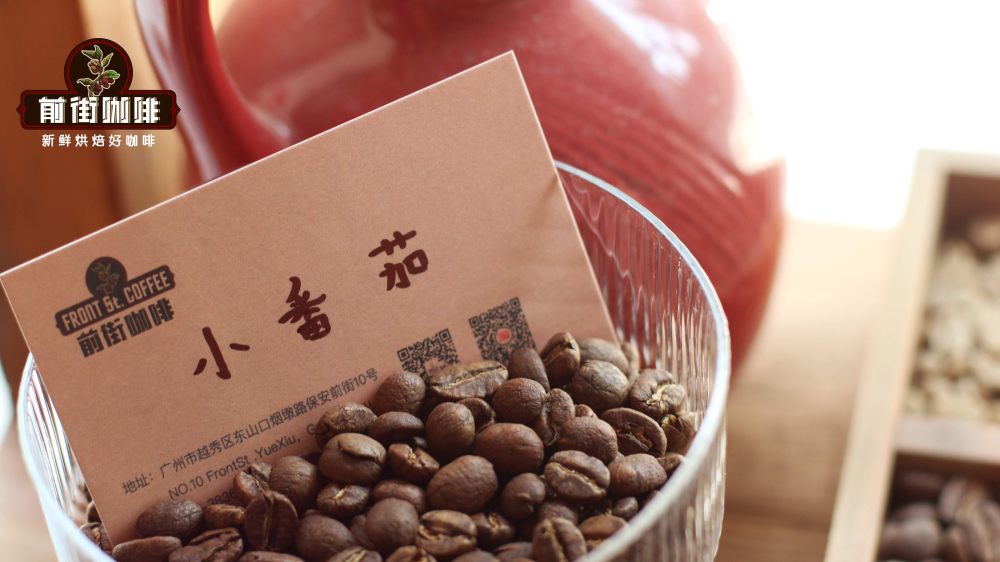
Overall, the 1:12 ratio produced the best flavor expression and mouthfeel balance in cold brew. However, in actual practice,1:10it remains the go-to beginner-friendly ratio recommended by many baristas, as it offers sufficiently vivid flavors with great flexibility for adjustment according to personal taste preferences. Additionally, those preferring a stronger flavor can opt for 1:8, but should pay attention to controlling steeping time to avoid over-extraction.
To maintain the cool flavor of cold brew, it’s recommended to serve it in an ice-filled glass and add 1 to 2 hard ice cubes. This not only prolongs the chill but also prevents dilution of flavor from melting water. If you prefer a bolder initial flavor, you can use a more concentrated cold brew with ice cubes—over time, as the ice melts, the strength naturally decreases, catering to different taste preferences throughout the drinking experience.
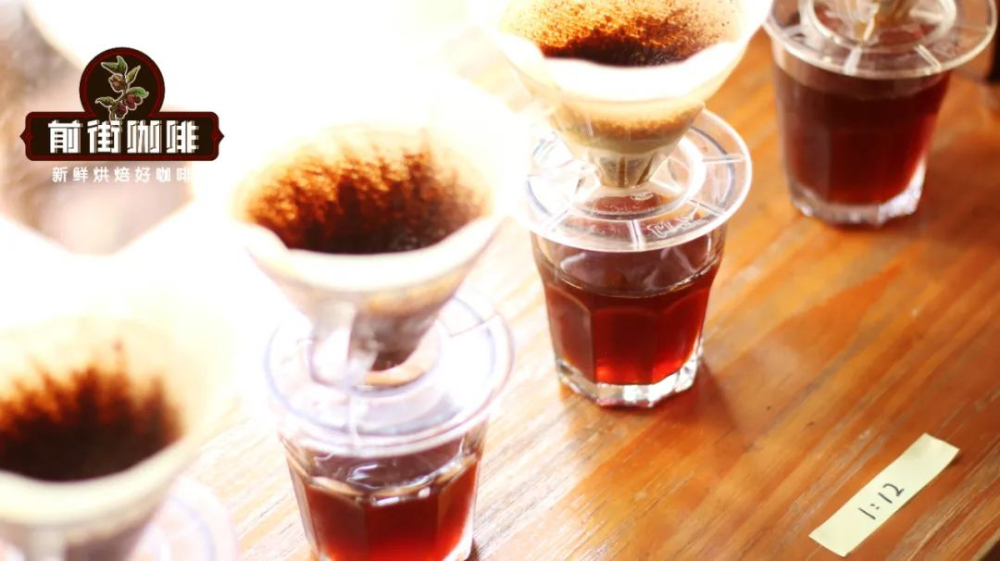
In summary, the charm of cold brew lies in its simplicity yet versatility. By mastering the water-to-coffee ratio, grind size, and steeping time, and selecting the right beans, you can easily create your own ideal cold brew flavor at home. Whether you prefer a bright and refreshing sweet-tart profile or a rich and bold cup, adjusting these parameters will help you find the perfect cup tailored to your taste.

The above content is compiled by CoffeeHunters, a coffee news website.


