








Introduction:To brew a smooth and richly flavored latte, choosing the right espresso beans is key. This article delves into the blend ratios suitable for commercial lattes, techniques to judge successful extraction, and practical recipes to balance acidity and bitterness while enhancing flavor. From basics to advanced tips, learn how to craft your ideal milk coffee base in one go.
Nowadays, more and more consumers are drawn to lattes made with rich milk paired with espresso. This combination not only warms the stomach but also warms the heart. Many customers often ask how to achieve the desired espresso base through coffee bean selection. Therefore, understanding the types of beans and roasting strategies suitable for lattes becomes particularly important.

An ideal espresso is typically a blend of beans from multiple regions, using complementary flavors or highlighting specific characteristics. For example, common base blends include beans from Kenya, Mandheling, Brazil, and Colombia. By adjusting the roast level, you can impart unique aromas and layers of taste to the final shot. However, the actual flavor profile still depends on personal preference.
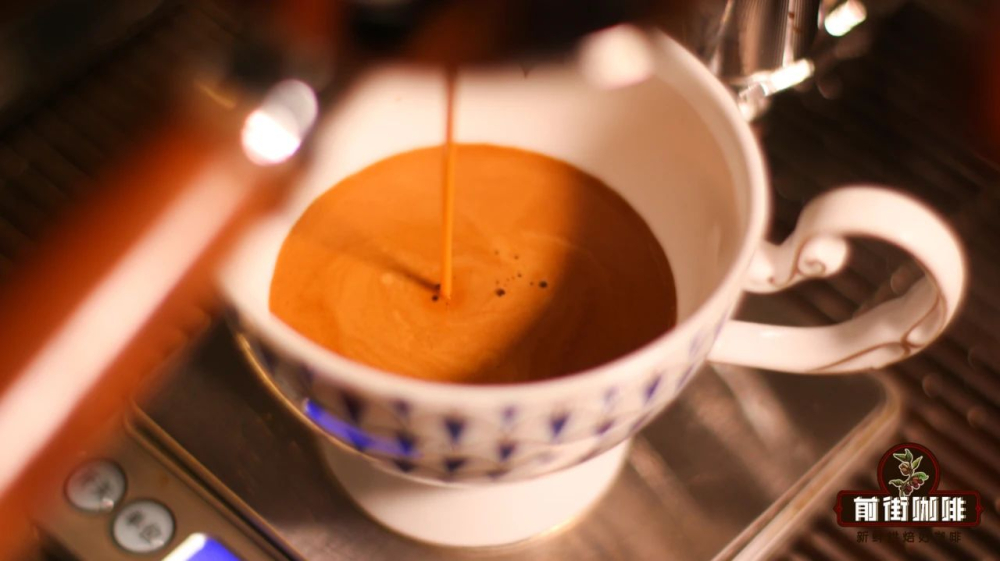
Roast level has a significant impact on espresso. Unlike pour over coffee, where water temperature or brew ratio can be adjusted to highlight regional traits, espresso demands stricter control over bean roast degree. It's advisable to avoid using overly light roasts, as they often exhibit pronounced acidity and lack sufficient crema. When such beans are used in lattes or cappuccinos, the overall flavor balance can easily be disrupted, with acidity becoming overly dominant.

The most intuitive way to judge whether an espresso extraction is successful is by observing the crema on its surface. This dense foam, ranging from light brown to reddish-brown, is a combination of carbon dioxide and oils released during roasting. Ground coffee should be used as soon as possible to preserve its optimal state. Successful crema should have a mirror-like glossy finish, with a thickness of around 3 millimeters. In practice, using 20 grams of coffee grounds to extract about 40 milliliters of espresso is a common benchmark, though time parameters can be fine-tuned slightly based on daily extraction performance.
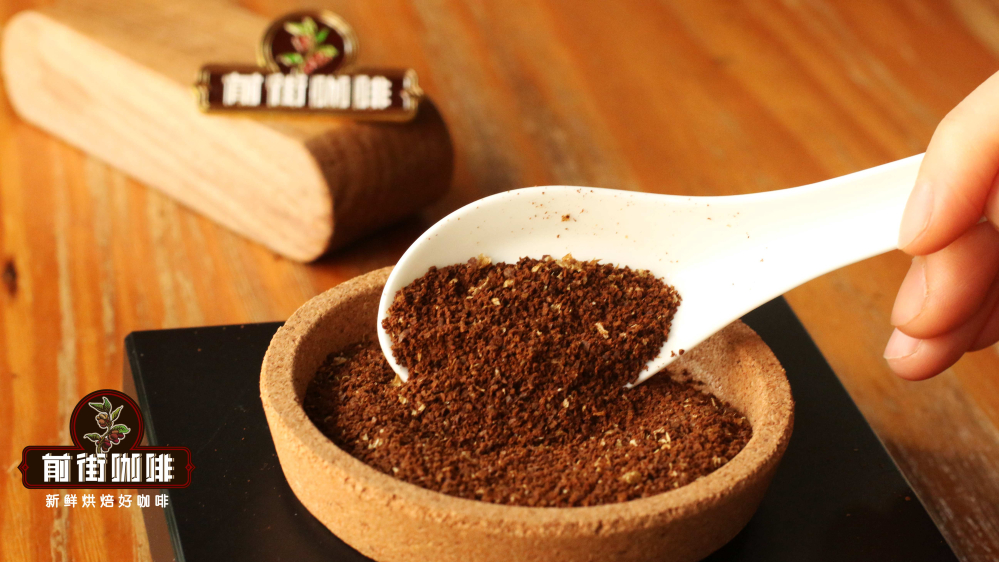
Beyond visual judgment, tasting the espresso yourself is a direct way to validate the extraction results. It’s recommended to drink it within two sips after extraction to capture the freshest flavor profile, which is also the standard procedure many professional baristas use to assess quality. If even you find it unsatisfactory, it’s unlikely that this shot will make a great latte.
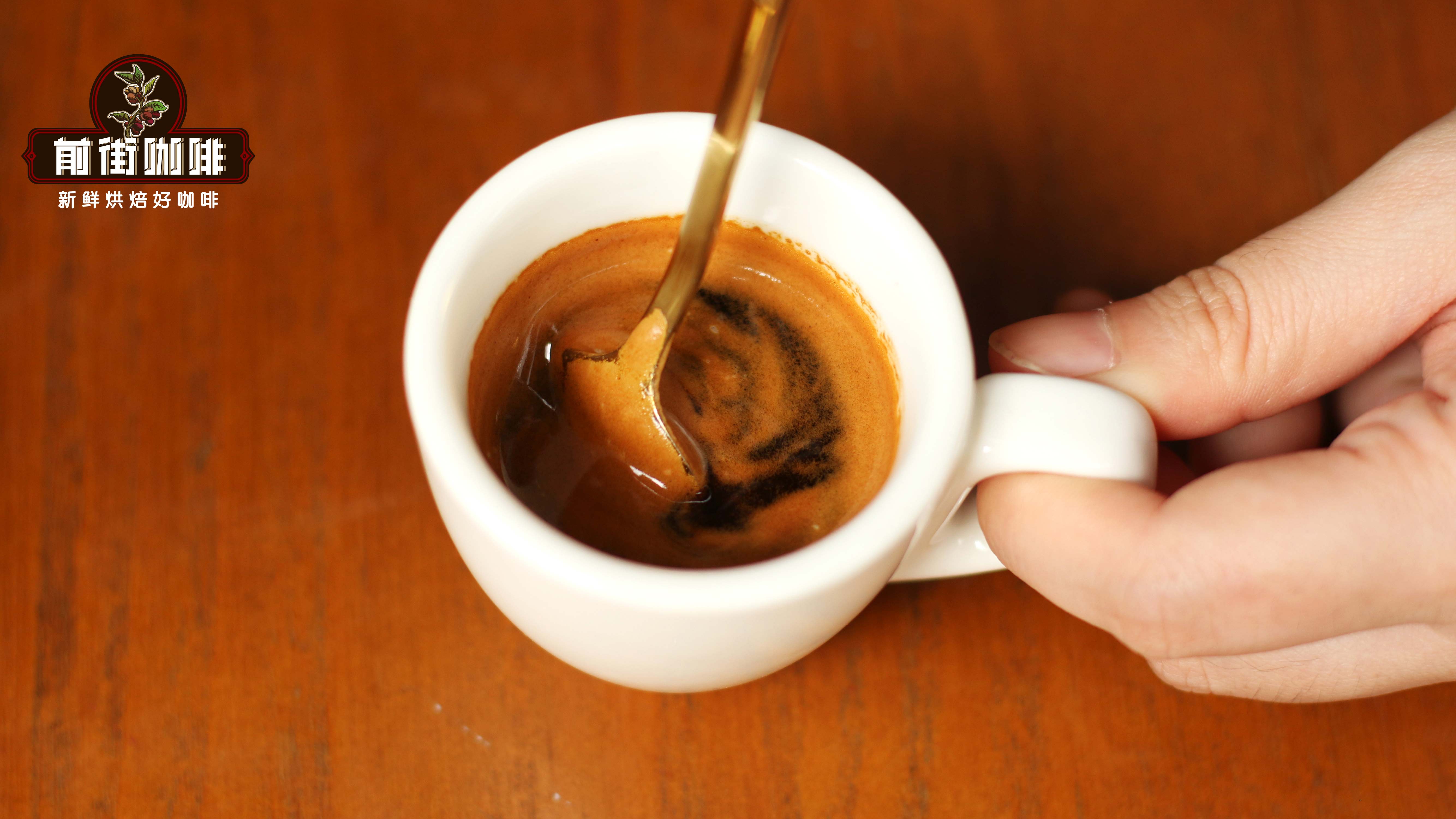
Once you’ve grasped the basic concepts, you can then choose a suitable blend based on the desired flavor profile. For beginners, it’s recommended to use a blend of Guatemala, Colombia, Brazil, and Tanzania beans roasted dark, in a 3:3:2:1 ratio. This recipe offers a balanced mix of acidity, sweetness, bitterness, and aroma. It highlights the bright fruity acidity of Tanzanian beans, while also integrating the smoky fruitiness of Guatemala and the rich nutty-chocolate notes of Colombia.
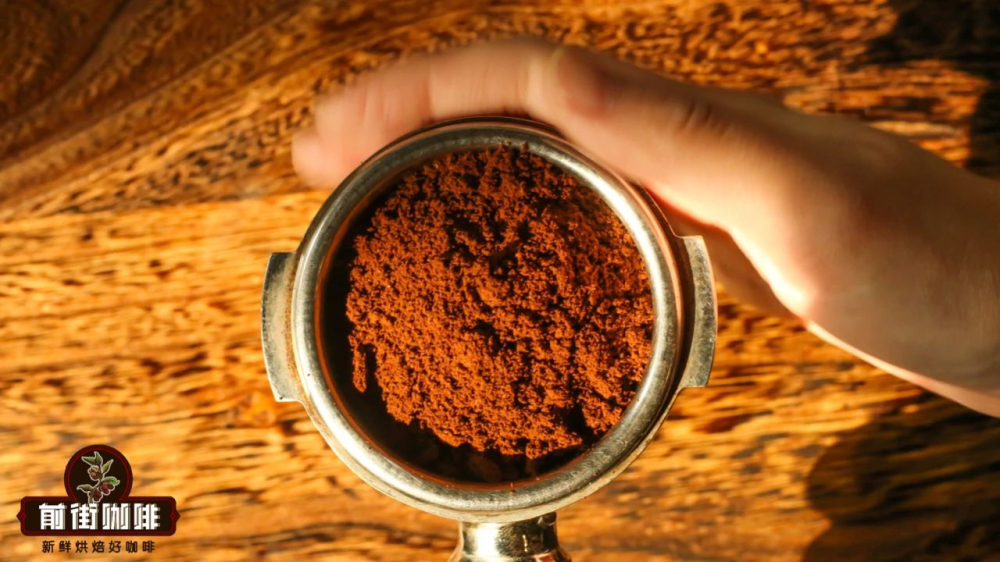
If you prefer intense bitterness and abundant crema, consider adding a small amount of Robusta beans. A practical blend such as Colombia, Brazil, and Robusta in a 3:6:1 ratio can create an espresso base with nutty-chocolate flavors and dense crema, which is highly suitable for the consistent quality required in commercial shop operations.
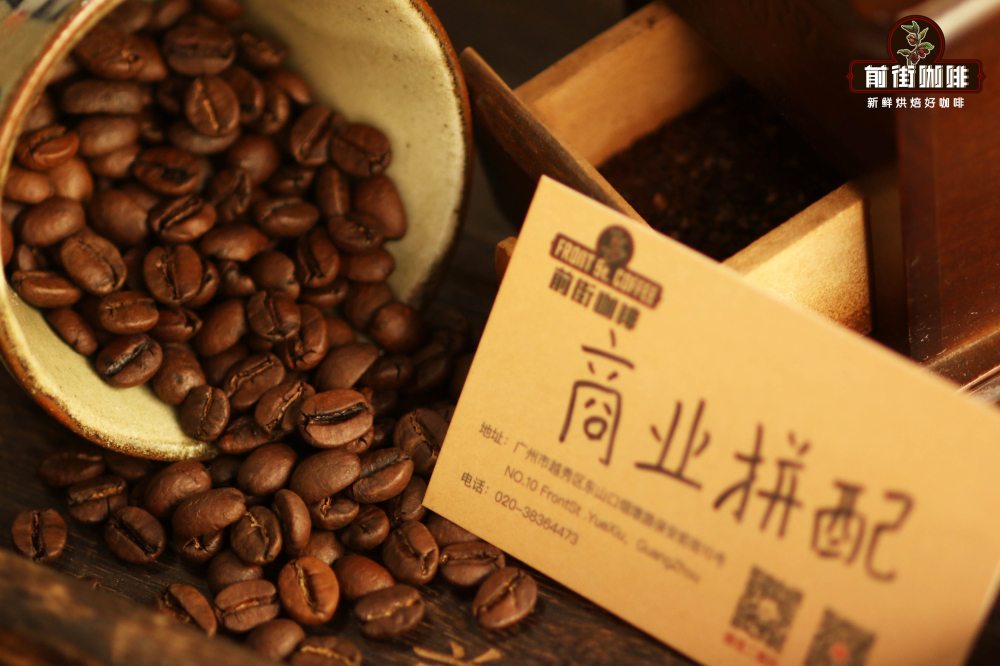
For recipes aiming to emphasize acidity, it’s recommended to select African origin beans such as Tanzania and Yirgacheffe, balanced with Brazil and Colombia beans to moderate overall acidity. A suggested ratio is 4:2:2:2. This combination maintains bright, vibrant acidity without letting any single flavor dominate excessively.

For those seeking special flavor profiles, you might try creative blends centered around wine-like notes. For instance, blending fermented-flavor prominent Honduran Sherry beans with Yirgacheffe Natural Red Cherry in a 7:3 ratio can lend the espresso a strong winey foundation, making it even smoother and richer when paired with milk. Ultimately, extraction results still need to be adjusted according to individual espresso machine parameters such as dose, brew ratio, extraction time, and flow rate. It’s recommended to gradually optimize during practical operation to achieve the ideal outcome.
The above content is compiled by CoffeeHunters, a coffee news website.

